




What Factors Should Be Considered in the Customized Design of a Large Pipe Machine?
19 Nov,2026
Huaye
Explore key factors in Large Pipe Machine customization, including pipe specifications, production processes, automation, auxiliary equipment, and manufacturer capabilities.
With the development of industrial pipelines, oil and gas transportation, and large-scale infrastructure projects, demand for large-diameter steel pipe production continues to increase. Different manufacturers have different requirements regarding pipe specifications, production capacity, and processing methods. Standardized equipment may not fully meet their actual production needs. Therefore, choosing a Large Pipe Machine with customized design capabilities allows manufacturers to configure equipment according to their production goals, improve manufacturing efficiency, and maintain product quality. Before customizing equipment, several key factors should be considered.
Define Pipe Specifications and Processing Range
Pipe specifications are the foundation of Large Pipe Machine customization. Different customers have different requirements for pipe diameter, wall thickness, length, and material type. These parameters directly affect the equipment structure and processing capabilities.
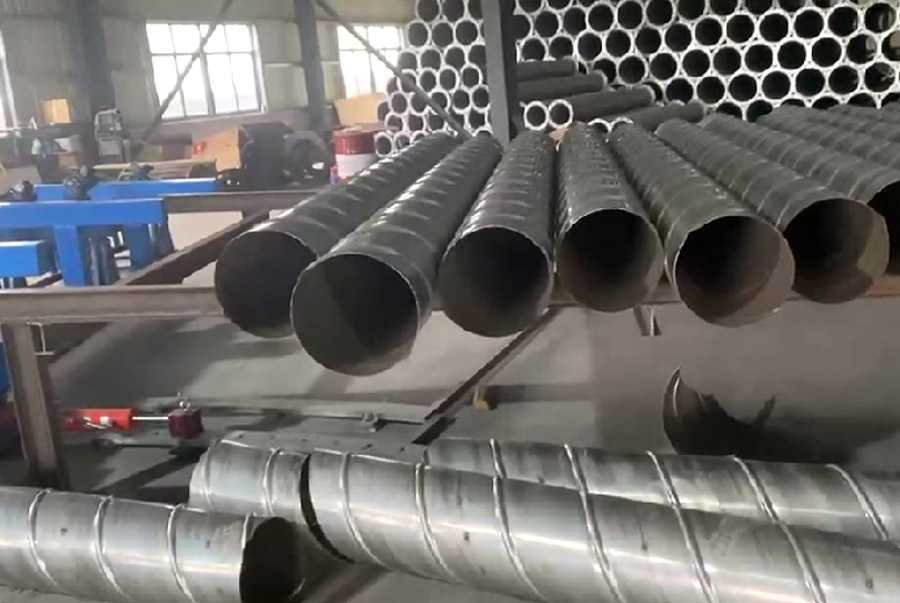
For example, producing steel pipes with diameters of 1020mm, 1420mm, or 2540mm requires appropriate forming systems, drive structures, and related processing components. When submitting customization requirements, manufacturers should clearly define their commonly used pipe diameters, maximum processing dimensions, and potential future product specifications. This helps ensure that the equipment offers sufficient production flexibility.
Select Equipment Structures According to Production Processes
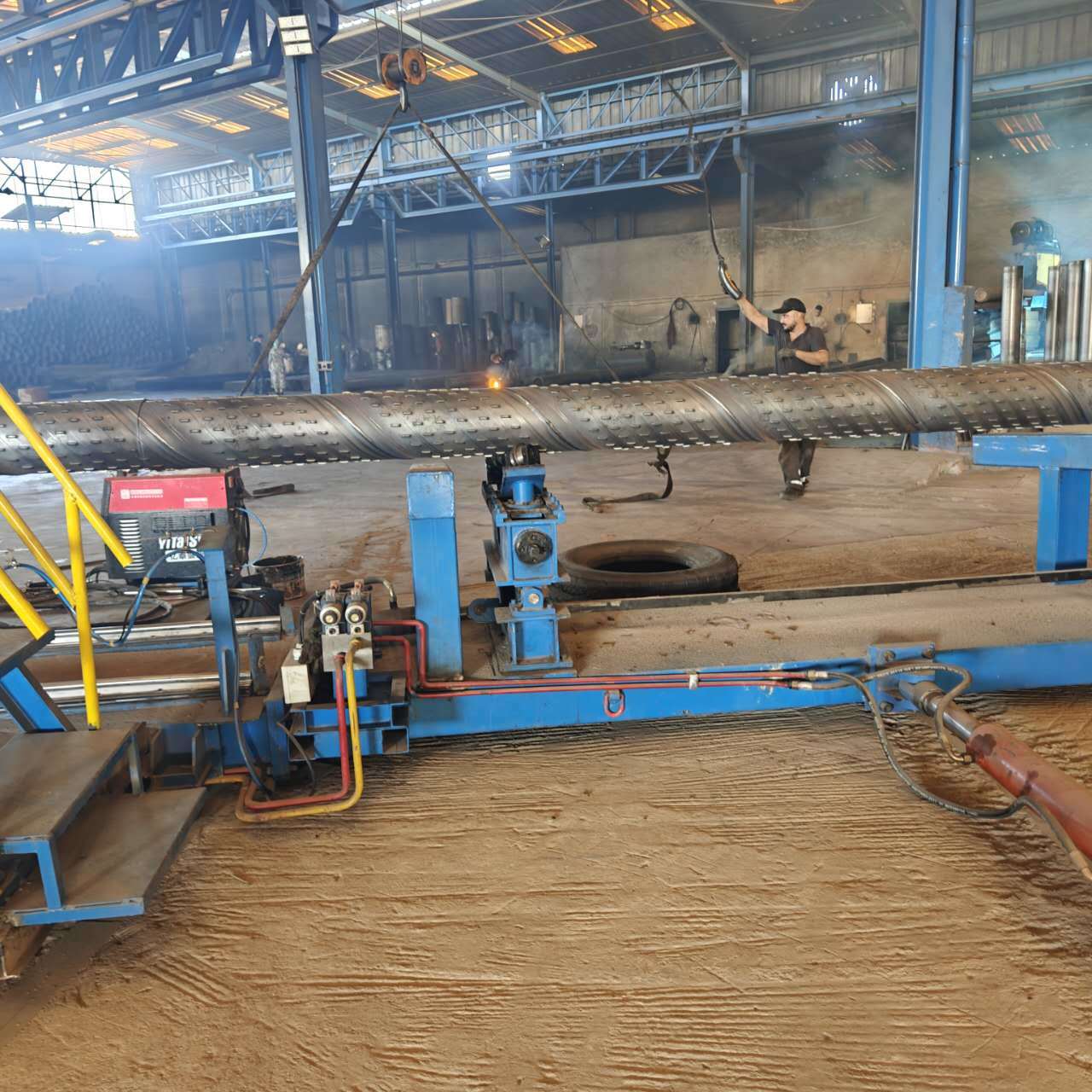
Different steel pipe manufacturing processes require different equipment structures. For large-diameter spiral welded pipe manufacturers, particular attention should be paid to the coordination of steel strip uncoiling, leveling, forming, welding, and cutting processes.
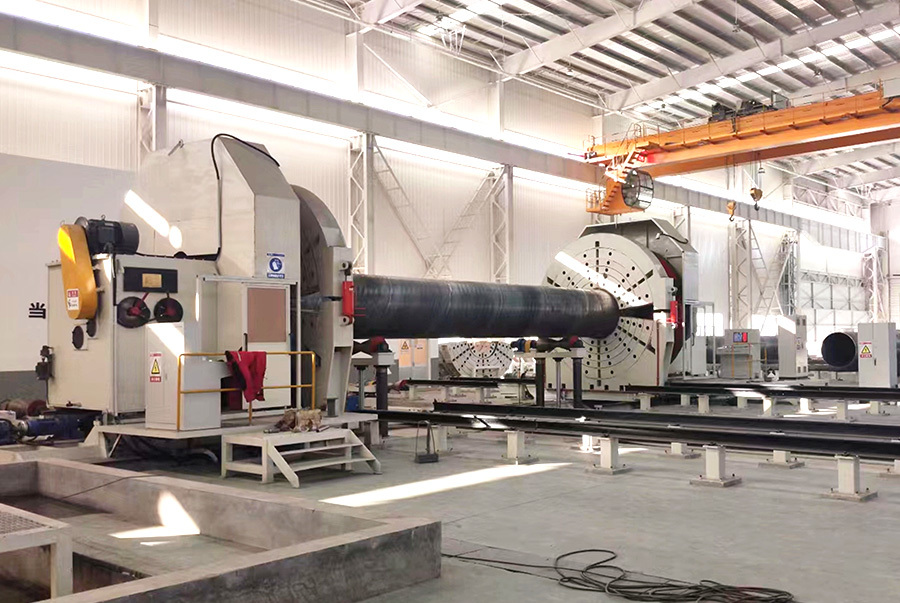
The customized design of a Large Pipe Machine should be based on the actual production workflow, with each operating unit arranged and configured appropriately. A stable forming system helps maintain pipe dimensions, while a properly configured welding system can accommodate different material types and wall thicknesses. Optimizing the equipment structure helps improve production continuity.
Consider Production Efficiency and Automation Configuration
When customizing equipment, manufacturers should determine the appropriate automation level based on order volumes and production schedules. For companies requiring long-term mass production, important features include automatic control systems, forming parameter adjustments, welding control, and production process monitoring.
A reasonable automation configuration can reduce certain manual operations and improve coordination between different production stages. Manufacturers should also consider equipment changeover time and ease of operation, ensuring that the production line can handle different steel pipe specifications efficiently.
Configure Auxiliary Processing Equipment Properly
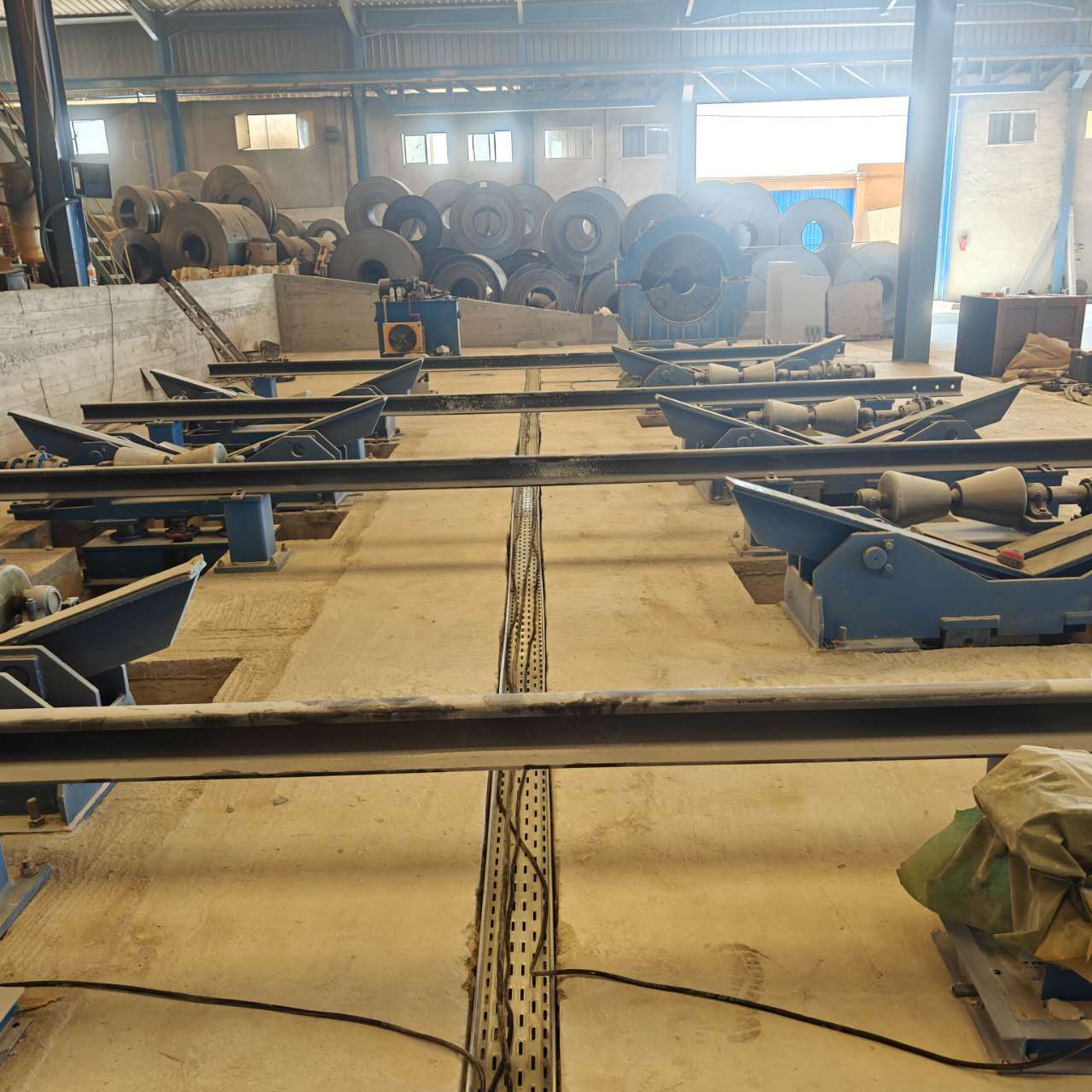
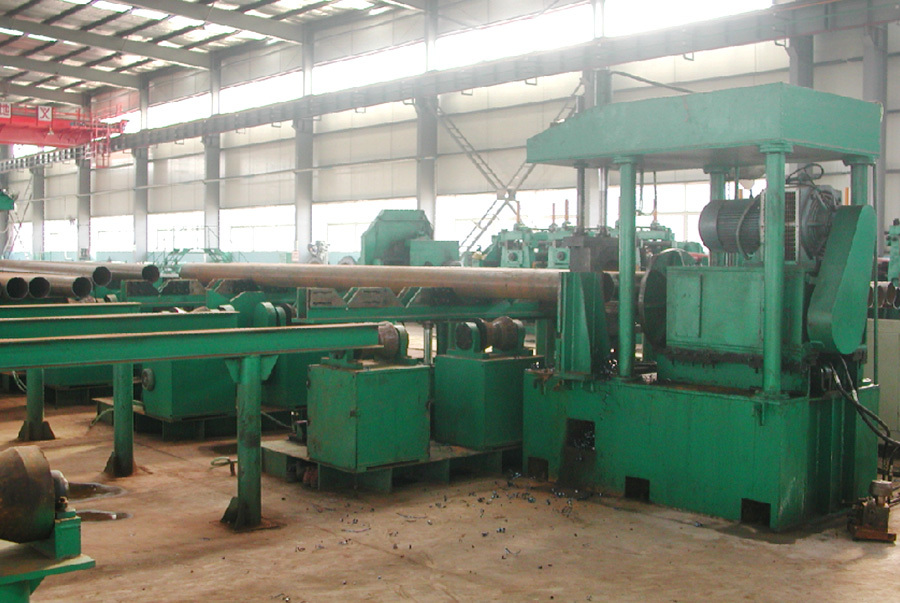
A complete steel pipe production system requires more than the main machine. Depending on product requirements, manufacturers may also need auxiliary equipment such as pipe end beveling machines, hydrostatic testing machines, pipe end expanders, and conveying systems.
These machines perform different functions, including pipe end processing, pressure testing, dimensional adjustment, and material transportation. A customized solution should consider the production pace and processing capacity of both the main machine and auxiliary equipment to prevent mismatched configurations from affecting overall production efficiency.
Evaluate the Manufacturer's Design and Production Capabilities
The customized design of a Large Pipe Machine depends not only on the technical solution but also on the manufacturer's actual production capabilities. Buyers should determine whether the manufacturer has experience and facilities for mechanical design, electrical control, component machining, and complete machine assembly.
In addition, it is important to check whether the manufacturer provides equipment installation, commissioning, operator training, and ongoing technical support. A manufacturer with comprehensive production and service capabilities is better positioned to ensure that customized equipment can be successfully put into operation.

Conclusion
The customized design of a Large Pipe Machine requires comprehensive consideration of pipe specifications, production processes, automation levels, auxiliary equipment, and manufacturer capabilities. Only by configuring equipment according to actual manufacturing requirements can companies avoid unnecessary resource consumption and improve the overall suitability of their production systems.
Key words:
All
- All
- Product Management
- News
- Introduction
- Enterprise outlets
- FAQ
- Enterprise Video
- Enterprise Atlas
Related News
What Factors Should Be Considered in the Customized Design of a Large Pipe Machine?
Explore key factors in Large Pipe Machine customization, including pipe specifications, production processes, automation, auxiliary equipment, and manufacturer capabilities.
2026-11-19
What Key Parameters Should You Consider When Purchasing a Large Welded Pipe Production Line?
Learn the key parameters for choosing a Large Welded Pipe Production Line, including pipe specifications, welding quality, automation, auxiliary equipment, and manufacturer capabilities.
2026-11-19

How Can Large Pipe Production Equipment Meet the Demands of Thick-Walled Steel Pipe Manufacturing?
Discover how Large Pipe Production Equipment supports thick-wall steel pipe manufacturing through precise forming, reliable welding, and efficient production.
2026-11-18


Service E-mail
Hotline:
Address
Taiyuan City, Shanxi Province
To inquire about our products, please leave your email to us and we will contact you within 24 hours.