




MS pipe welding machine buyer's guide: types, features and specs
09 Oct,2026
Huaye
Gain an understanding of the equipment types, key specifications, welding processes, and selection criteria for MS pipe welding machines; familiarize yourself with steel pipe specifications, weld quality standards, and automation requirements to help enterprises select the appropriate carbon steel pipe welding equipment.
The MS pipe welding machine is a critical piece of equipment in steel pipe manufacturing lines, widely used in sectors such as industrial fluid transport, oil and gas pipelines, structural construction, piling, and general machinery manufacturing. For enterprises planning to purchase this equipment, selecting the right welding machine is crucial; it impacts not only weld quality but also production efficiency, the ability to handle various product specifications, and the long-term stability of the production line. Before purchasing, a comprehensive evaluation—covering equipment type, welding process, technical specifications, automation capabilities, and post-sales maintenance—is necessary to ensure the equipment meets actual production requirements.
Understanding the Main Types of MS Pipe Welding Machines
MS pipe welding machines are primarily used for the production of carbon steel pipes. These machines come in various types based on pipe forming methods, welding processes, and production workflows; selection should be aligned with the intended application of the product.
1. High-Frequency (HF) Pipe Welding Equipment
HF pipe welding equipment is typically used for the continuous production of straight-seam welded pipes. After steel strip uncoiling and forming, the edges are rapidly heated by high-frequency current and then welded together using squeeze rolls. This type of equipment is ideal for large-scale production where high continuous efficiency and consistent product specifications are required.
2. Submerged Arc Welding (SAW) Pipe Equipment
Submerged arc welding utilizes an electric arc beneath a layer of granular flux, offering a stable welding process and high deposition efficiency. Depending on the production process, it can be used for spiral-welded or straight-seam welded pipes and is suitable for projects with specific requirements regarding pipe strength, weld quality, and production scale.
3. TIG and Other Welding Equipment
TIG (Tungsten Inert Gas) welding is suitable for specific pipe manufacturing scenarios that demand high precision in weld formation and process control. Other welding methods should be selected based on factors such as material type, wall thickness, structural design, and production cycle times. Purchasing enterprises should first define the product type and then determine the most suitable welding method for their actual production needs, rather than making decisions based solely on the equipment's name.

Determining Equipment Selection Based on Pipe Application
Before purchasing an MS pipe welding machine, enterprises must clearly identify the intended applications for the pipes to be produced. Different applications impose varying requirements regarding dimensional accuracy, weld strength, pressure resistance, and surface quality. For water and industrial fluid transport pipelines, priority should be given to weld continuity, dimensional consistency, and the capability for subsequent inspection. For oil and gas pipelines, equipment and processes must be selected based on pipeline design standards, material grades, wall thicknesses, and weld inspection requirements.
If the primary output consists of structural pipes for buildings, steel structures, or piling, equipment selection must also account for pipe diameter ranges, material thicknesses, product lengths, and requirements for subsequent cutting and processing. For spiral-welded pipe projects, it is necessary to further evaluate the compatibility of steel strip width, forming angle, pipe diameter range, and the welding process.
Furthermore, enterprises should distinguish between standardized mass production and multi-specification custom production. The former prioritizes continuous operation and production cycle times, whereas the latter requires a focus on equipment adjustment ranges, the efficiency of size changeovers, and process adaptability. Clarifying the intended use of the product helps procurement personnel establish more specific technical requirements.
Key Verification of Core Technical Parameters
Equipment parameters directly determine whether the MS pipe welding machine is suitable for the target product; therefore, the following aspects should be carefully verified prior to procurement.
1. Steel Pipe Diameter Range
Confirm the minimum and maximum pipe diameters the equipment can produce, and verify that commonly used specifications fall within the equipment's optimal processing range. For projects requiring a wide range of diameters, it is also important to understand the specific requirements for changing rollers or molds and adjusting the forming mechanism.
2. Steel Pipe Wall Thickness Range
Wall thickness affects welding heat input, welding speed, and weld formation. Thin-walled pipes require measures to prevent issues such as burn-through and deformation, while thicker pipes must meet specific requirements for penetration depth, weld strength, and processing parameters. Selection should be based on the actual materials and product specifications.
3. Production Speed and Capacity
The equipment's maximum operating speed is not equivalent to its actual production capacity. Processes such as steel strip feeding, forming, welding, sizing, cutting, and quality inspection all influence overall production efficiency. Therefore, the equipment's effective output should be evaluated based on target product specifications and actual production cycle times. 4. Electrical and Control Parameters
Verify that the configuration of the welding power source, main drive system, control system, and cooling unit meets production requirements. Additionally, understand the equipment's parameter adjustment ranges, operational monitoring functions, and anomaly alarm mechanisms to ensure effective control over the production process.
When purchasing, it is advisable to compile these parameters into clear technical specifications and require the supplier to confirm each item individually; this prevents misunderstandings regarding technical conditions that could impact subsequent installation and commissioning.
Evaluating Weld Quality and Automation Configuration
Weld quality is a critical indicator for evaluating steel pipe welding equipment. Even if the equipment achieves the target production speed, an unstable welding process can lead to issues such as weld cracking, lack of penetration, porosity, or other defects, thereby increasing the burden of subsequent rework and inspection.
During procurement, assess the equipment's capability to control welding parameters and how it integrates with in-line inspection, weld treatment, and downstream inspection processes. For steel pipe products with specific acceptance criteria, confirm that the equipment's process capabilities meet the relevant standards and project requirements.
Automation configuration also warrants attention. Modern steel pipe production lines can be configured with features such as automatic loading, welding parameter control, in-line cutting, dimensional inspection, and production status monitoring. These configurations help minimize variations caused by manual operation and improve production consistency.
However, a higher level of automation is not always better. Enterprises should select configurations based on product types, production scale, and the skills and maintenance capabilities of their personnel. If the control system is overly complex while on-site technical support is lacking, it may actually increase the difficulty of operation and maintenance.
Therefore, it is recommended to conduct a trial run using actual production materials prior to equipment acceptance. Focus on inspecting weld quality, pipe diameter, wall thickness adaptability, production speed, and continuous operation performance, while retaining all necessary inspection records.
Considering Production Line Integration and Long-term Maintenance Capabilities
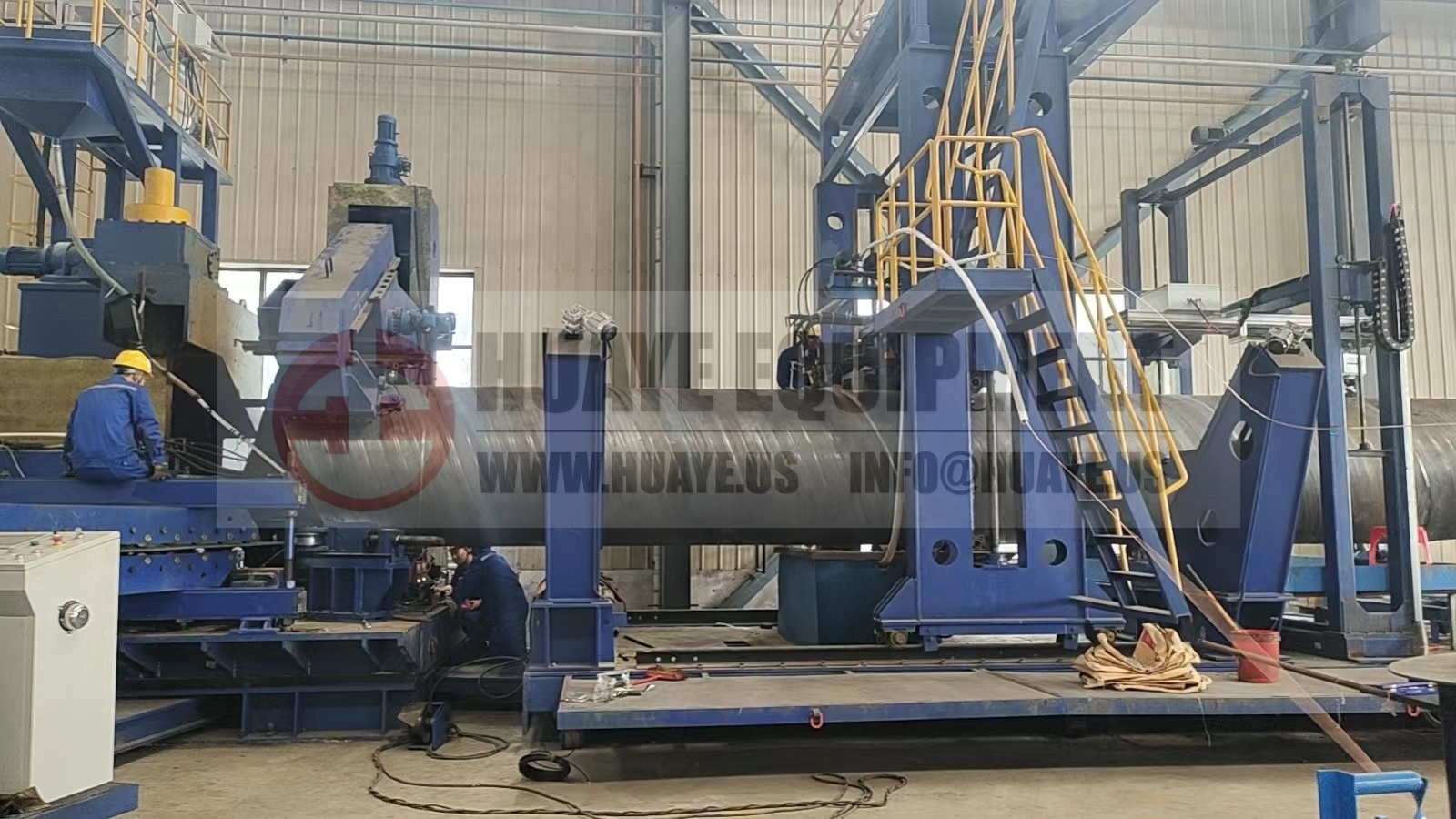
An MS (Mild Steel) pipe welding machine is typically not a standalone unit capable of performing the entire pipe-making process. A complete production line may comprise an uncoiler, leveler, shear-and-end-welder, forming machine, welding unit, sizing equipment, cutting equipment, and a conveying system.
During procurement, ensure compatibility regarding speed control, mechanical interfaces, and electrical control systems across the various units. If the processing capacity of any single stage in the production line is insufficient, overall production efficiency may be compromised. Therefore, equipment configuration should be evaluated from the perspective of the entire production line rather than focusing solely on the main welding unit.
Post-installation maintenance is another crucial aspect of equipment selection. Enterprises should familiarize themselves with the service life of key components, procedures for replacing wear parts, routine lubrication requirements, and fault diagnosis methods. Additionally, it is essential to confirm whether the supplier provides installation and commissioning, operator training, technical guidance, and necessary after-sales support.
For enterprises planning long-term, continuous production, a maintenance schedule should be established in advance. This includes regular inspections of the drive system, welding power source, control components, and forming mechanisms, as well as the timely resolution of issues such as abnormal vibration, temperature fluctuations, and variations in weld quality.
A well-designed configuration and maintenance mechanism can minimize unplanned downtime, extend the equipment's service life, and ensure the continuous, stable operation of the production line.
FAQs on Purchasing MS Pipe Welding Machines
Q1: What types of steel pipes are MS pipe welding machines primarily used to produce?
They are mainly used to produce welded carbon steel pipes. Specific products include pipes for industrial fluid transport, oil and gas pipelines, structural steel for construction, piling pipes, and pipes for other mechanical applications. The actual scope of application depends on the equipment type, pipe diameter, wall thickness, and welding process.
Q2: What is the difference between high-frequency welding equipment and submerged arc welding (SAW) equipment?
High-frequency welding equipment is typically suited for the continuous production of straight-seam welded pipes and offers high production speeds. Submerged arc welding equipment is commonly used for producing straight-seam or spiral-welded pipes that require specific welding processes and weld quality controls. The choice between the two depends on product specifications and process requirements.
Q3: What information should be provided before purchasing the equipment?
It is recommended to provide details regarding the pipe's intended use, material, diameter range, wall thickness range, target output, finished pipe length, weld quality requirements, and the planned welding process. This information helps the supplier determine the appropriate equipment configuration.
Q4: How can the equipment's actual production capacity be assessed?
One should not rely solely on the maximum speed rating specified by the manufacturer. Assessment should take into account target pipe specifications, continuous operating time, frequency of product changeovers, cutting cycle times, and quality inspection requirements. Whenever possible, capacity should be verified through trial production runs using actual materials.
Q5: How can stable equipment operation be maintained after purchase?
Daily inspections, periodic maintenance, and calibration of welding parameters should be carried out in accordance with equipment requirements; additionally, operator training, management of consumable parts, and the maintenance of production records must be properly managed. For continuous pipe-making lines, the operational coordination between various process stages also requires regular inspection.
Key words:
All
- All
- Product Management
- News
- Introduction
- Enterprise outlets
- FAQ
- Enterprise Video
- Enterprise Atlas
Related News
What Are the Key Criteria for Choosing a 1420mm Spiral Pipe Mill Manufacturer?
Learn how to choose a 1420mm Spiral Pipe Mill manufacturer by evaluating equipment quality, technical expertise, production capacity, and after-sales support.
2026-11-11
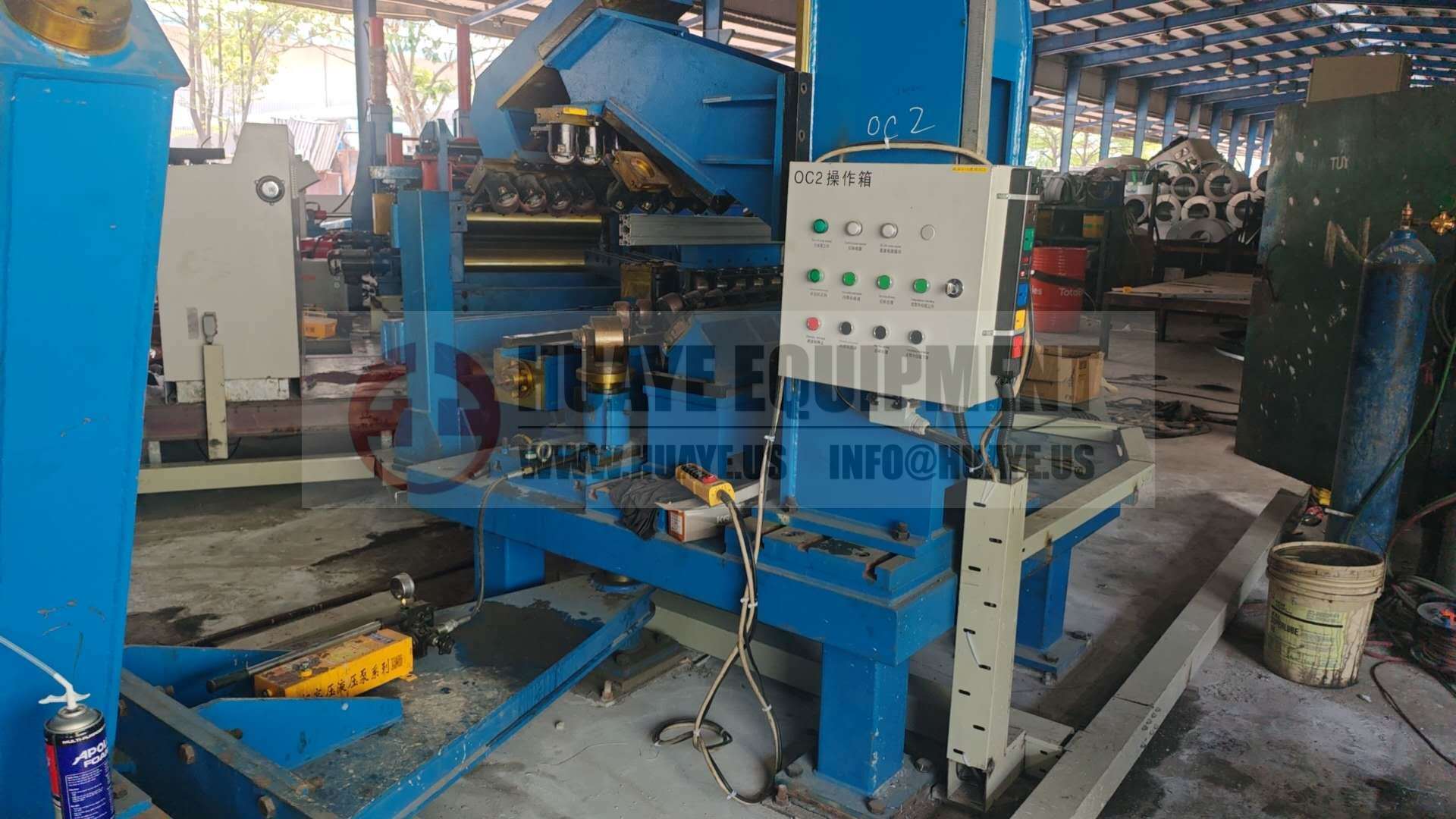
Discover how an Industrial Steel Pipe Mill improves dimensional accuracy, welding quality, automation, and production efficiency through precise process control.
2026-11-11
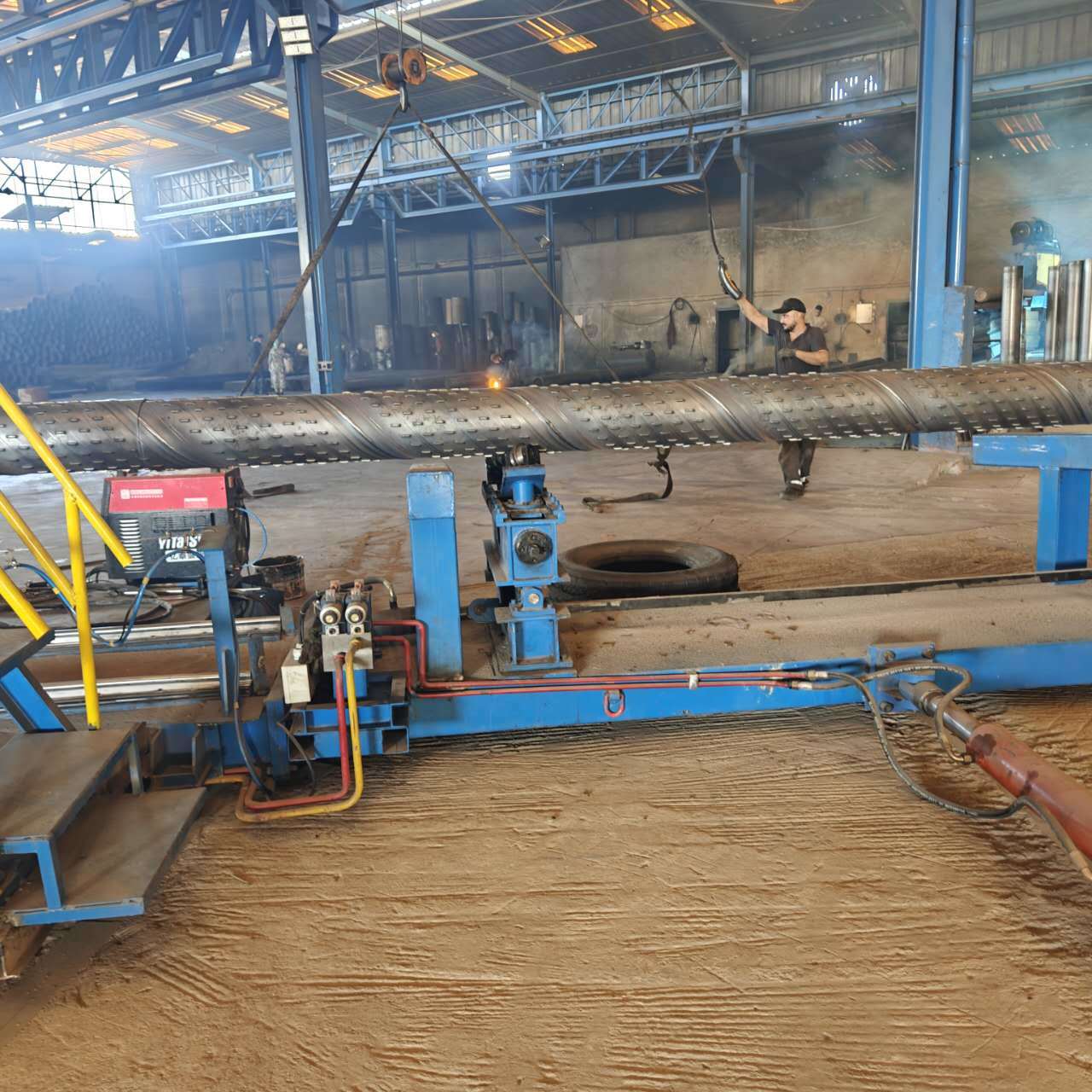
Automation Development Trends and Application Value of Heavy Duty Steel Pipe Manufacturing Equipment
Explore the automation trends and applications of heavy duty steel pipe manufacturing equipment, from welding and pipe-end processing to intelligent production control.
2026-11-10


Service E-mail
Hotline:
Address
Taiyuan City, Shanxi Province
To inquire about our products, please leave your email to us and we will contact you within 24 hours.