





How to choose a stainless steel pipe welding machine for your project
08 Oct,2026
Huaye
This overview outlines key factors for selecting stainless steel pipe welding equipment—covering welding processes, pipe dimensions (diameter and wall thickness), production efficiency, and weld quality—to help enterprises optimize their equipment configuration.
Clarify Project Requirements: Start with the Intended Use of the Stainless Steel Pipe
To select the right stainless steel pipe welding machine, you must first clearly define the project's actual requirements. Different projects have varying demands regarding material, dimensions, weld quality, and production efficiency; an improper initial selection can compromise production stability and product quality.
Before selecting equipment, it is essential to understand the primary application scenarios for the stainless steel pipes—such as industrial fluid transport, oil and gas pipelines, chemical processing equipment, food processing lines, or structural piping for construction. Each application places different emphasis on factors like corrosion resistance, weld strength, and dimensional accuracy.
Additionally, determine whether the project involves small-batch custom production or continuous, high-volume manufacturing. If there is a wide variety of product specifications, prioritize equipment flexibility and the efficiency of changeovers; if production tasks are relatively fixed, prioritize operational stability, the level of automation, and continuous production capabilities.
Clearly outlining the product's intended use, production scale, and quality requirements beforehand helps narrow down the equipment options, preventing a scenario where one focuses on a single performance metric while overlooking overall production needs.

Consider the Compatibility Between Stainless Steel Material and Welding Process
While stainless steel offers excellent corrosion resistance, different grades vary in chemical composition, thermal conductivity, and welding characteristics. Therefore, when selecting a welding machine, you must consider how well the equipment matches the specific materials being used.
Common stainless steel materials include austenitic and ferritic grades. Different materials have distinct requirements regarding welding heat input, welding speed, and weld formation control. Improper process parameter settings can lead to issues such as weld deformation, surface oxidation, lack of penetration, or other welding defects.
During the selection process, verify that the equipment is suitable for the specific stainless steel grade, wall thickness, and pipe diameter range required for the project, and confirm which welding processes it supports. For continuous stainless steel pipe production, evaluate options such as high-frequency welding, TIG welding, or other suitable processes based on the production line layout, product specifications, and forming method. Among these methods, high-frequency welding is commonly used for continuous pipe production under specific conditions, whereas TIG welding is suitable for applications requiring superior weld quality and precise forming control. The specific process should be determined based on a comprehensive assessment of materials, dimensions, production speeds, and quality standards, rather than assuming a single welding method suits every project.
Selecting Equipment Based on Pipe Diameter, Wall Thickness, and Product Specifications
Pipe diameter and wall thickness are critical parameters when selecting welding equipment for stainless steel pipes. If the equipment's processing range does not align with the actual product requirements, achieving stable production becomes difficult, regardless of the level of automation.
Before procurement, it is essential to compile data on the minimum and maximum pipe diameters, standard wall thicknesses, and material specifications involved in the project, and to verify that the equipment's processing range covers these requirements. For thin-walled stainless steel pipes, special attention must be paid to welding heat input and forming stability to prevent burn-through, deformation, or uneven welds. For thicker pipes, the focus should be on evaluating weld penetration capability, weld strength, and the adjustability of process parameters.
If the project involves producing multiple pipe specifications, factors such as the equipment's changeover method, mold or roller adjustment capabilities, and the time required to recalibrate between specifications should also be considered. A well-configured setup minimizes downtime and enhances production scheduling flexibility.
Additionally, criteria such as the roundness and straightness of the finished product, outer diameter tolerances, and weld positioning should be included in the selection process. For products requiring subsequent operations—such as sizing, straightening, cutting, or end processing—compatibility between the welding equipment and the entire production line must be considered to ensure seamless coordination across all stages.

Evaluating Automation Levels, Production Efficiency, and Operational Stability
For continuous stainless steel pipe production projects, equipment efficiency depends not only on welding speed but also on processes such as material feeding, forming, welding control, sizing, and cutting.
When selecting a stainless steel pipe welding machine, it is important to understand its automation features, including welding parameter control, operational status monitoring, anomaly alarms, and production data logging. A well-designed automation system reduces variability caused by manual operation and improves product quality consistency, while also enabling operators to promptly detect and address any anomalies during production. Regarding production efficiency, the equipment's effective capacity must be evaluated based on actual pipe diameters, wall thicknesses, materials, and welding processes. The maximum operating speed specified for the equipment does not necessarily equate to the actual production speed, as factors such as changeovers, commissioning, quality inspections, and maintenance all impact final output.
Operational stability is equally critical. The equipment should feature a sound structural design, a stable drive system, and a reliable electrical control system. For continuous production lines, synchronization between the welding process and the forming equipment is essential to prevent material accumulation, fluctuations in weld quality, or frequent downtime caused by speed mismatches.
Therefore, equipment selection should be based on a comprehensive assessment of continuous operational capability, ease of operation, and actual production efficiency, rather than relying solely on a single speed parameter.
Evaluating Weld Quality, Equipment Configuration, and Maintenance Capabilities
The performance of stainless steel pipes is closely linked to weld quality. Particularly in applications such as chemical processing, food processing, and industrial fluid transport, the continuity, strength, and corrosion resistance of the weld can significantly affect the pipe's long-term performance.
When purchasing equipment, it is important to assess its weld formation control capabilities and its compatibility with inline inspection, weld treatment, and subsequent quality control processes. For projects with specific quality standards, one must also verify that the equipment's process capabilities meet the relevant welding specifications and product acceptance criteria.
Regarding equipment configuration, it is necessary to verify that the power supply, cooling, and control systems, as well as the forming units and auxiliary processing components, meet actual production requirements. If the line includes inline cutting, sizing, or other post-processing equipment, compatibility regarding interfaces, control methods, and production cycle times should be confirmed in advance.
Long-term maintenance capabilities should also be factored into the purchasing decision. Factors such as the ease of replacing wear parts, accessibility of key components for servicing, and the convenience of fault diagnosis within the control system will all influence the equipment's long-term operational performance.
Additionally, one should determine whether the supplier provides installation and commissioning, operator training, technical support, and maintenance guidance. Before full-scale production begins, it is advisable to conduct trial runs using actual materials to evaluate weld quality, dimensional accuracy, operational stability, and changeover performance. Such on-site verification allows for a more accurate assessment of whether the equipment meets the project's specific needs.

Frequently Asked Questions (Q&A)
Q1: What is the most important factor when selecting stainless steel pipe welding equipment?
The most important factor is how well the equipment matches the project requirements. You should first clarify the stainless steel material, pipe diameter, wall thickness, production scale, and weld quality requirements, and then comprehensively consider the welding process, automation level, and after-sales maintenance capabilities.
Q2: Can stainless steel pipe welding equipment handle pipes of different specifications?
Some equipment supports a range of diameters and wall thicknesses, but the specific range depends on the equipment structure, forming mechanism, and welding process. Before purchasing, you should verify the equipment's specification coverage and understand the adjustment steps and time required for changeovers.
Q3: How can I determine if the equipment meets the welding quality requirements for stainless steel pipes?
You can request that the supplier provide process parameter ranges, relevant inspection data, and actual test-weld results, and conduct tests using the materials required for your project. Key aspects to inspect include weld bead formation, welding defects, dimensional accuracy, and compliance with necessary mechanical property or corrosion resistance requirements.
Q4: Is stainless steel pipe welding equipment better if it has a higher level of automation?
Not necessarily. While highly automated equipment helps improve production consistency and operational efficiency, factors such as product specifications, operator skill levels, maintenance capabilities, and production scale must also be considered. An automation configuration that suits the actual production workflow is more conducive to stable, long-term operation.
Q5: Is it necessary to conduct a trial run of the equipment before purchasing?
A trial run is recommended, especially for equipment used in continuous pipe production. A trial run verifies the equipment's compatibility with actual materials and allows for the inspection of weld quality, production cycle times, specification adjustment capabilities, and operational stability, thereby reducing the risk of process adjustments after the equipment is put into service.
Key words:
All
- All
- Product Management
- News
- Introduction
- Enterprise outlets
- FAQ
- Enterprise Video
- Enterprise Atlas
Related News
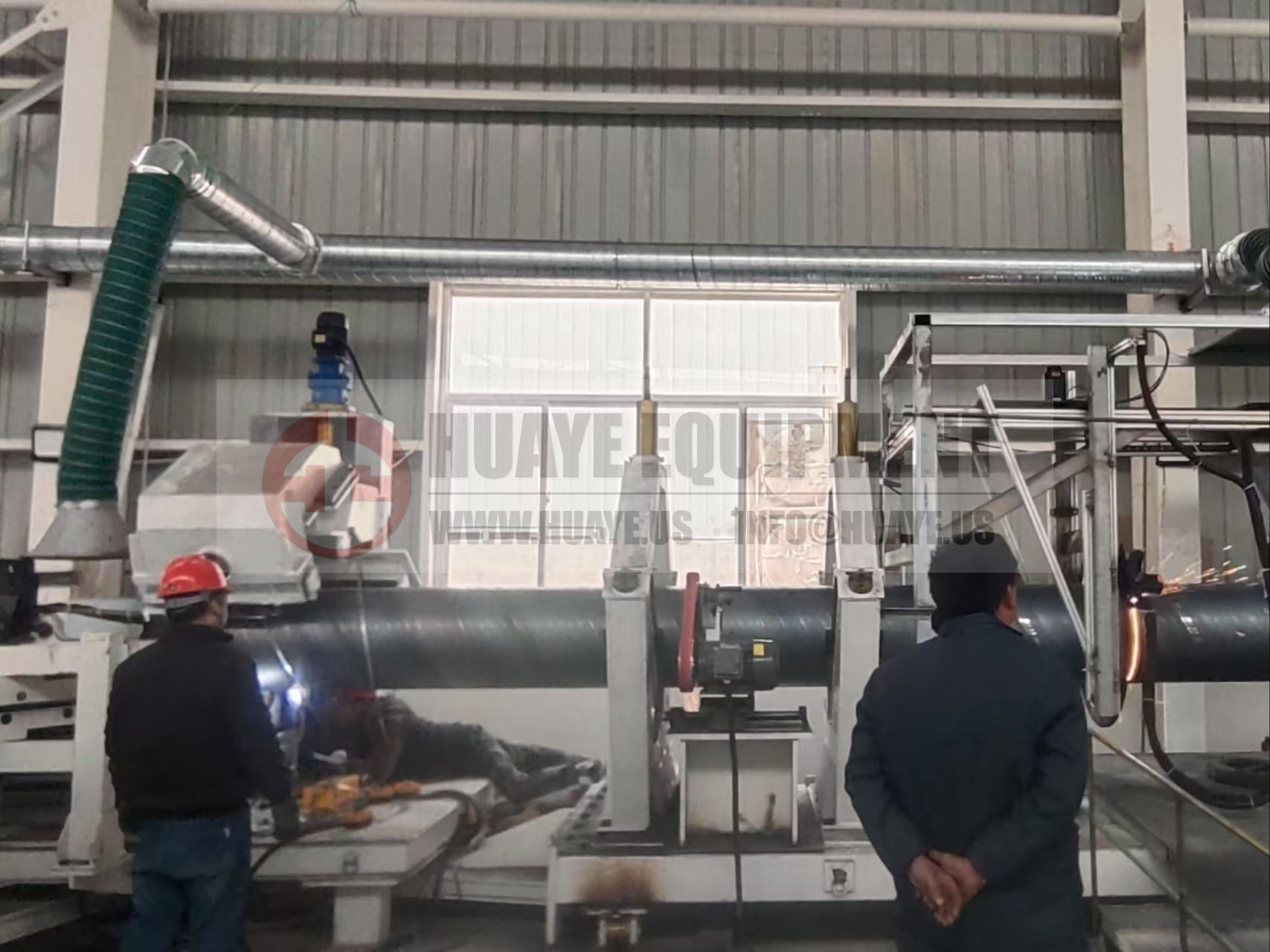
What Are the Key Criteria for Choosing a 1420mm Spiral Pipe Mill Manufacturer?
Learn how to choose a 1420mm Spiral Pipe Mill manufacturer by evaluating equipment quality, technical expertise, production capacity, and after-sales support.
2026-11-11
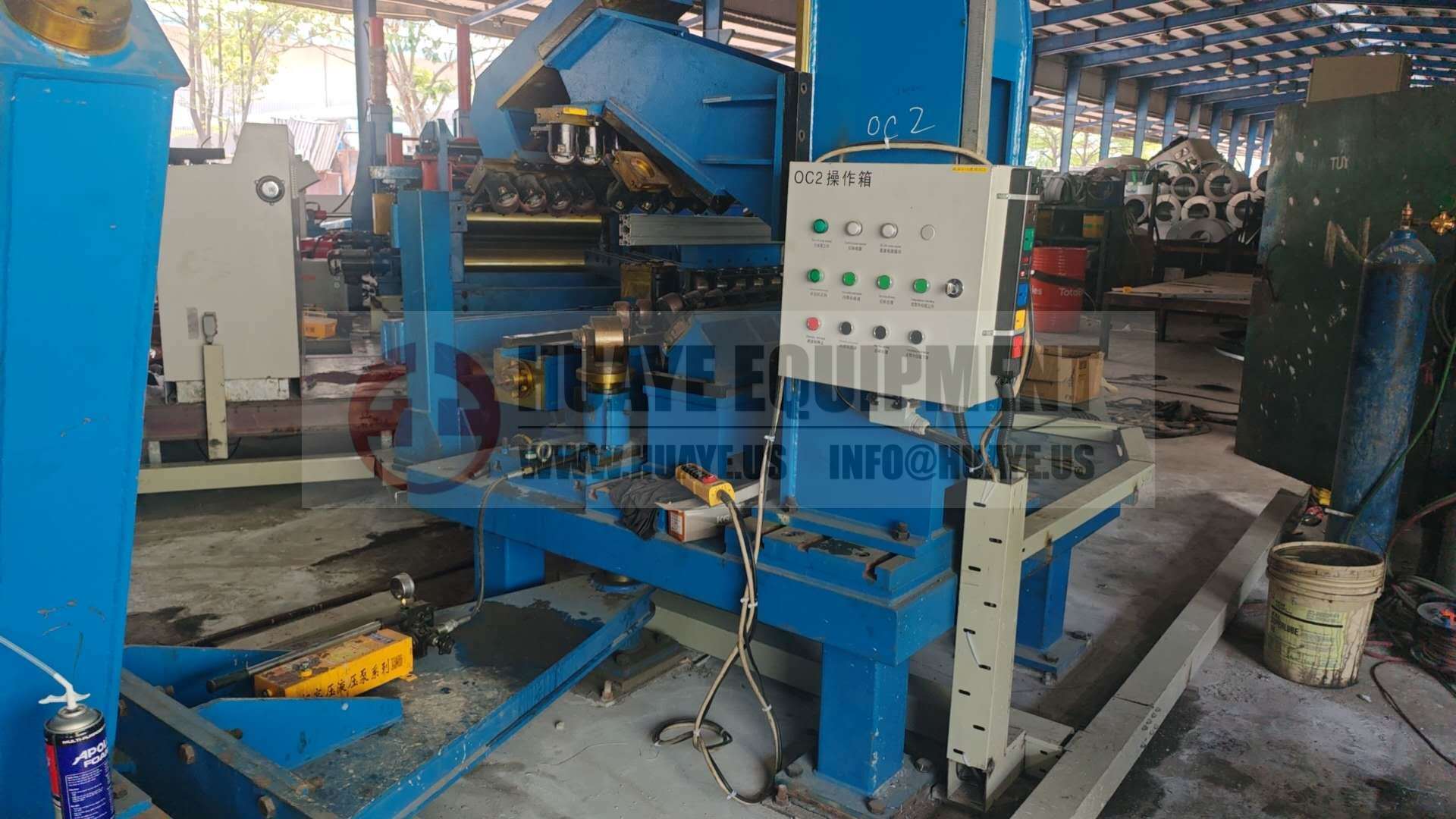
Discover how an Industrial Steel Pipe Mill improves dimensional accuracy, welding quality, automation, and production efficiency through precise process control.
2026-11-11
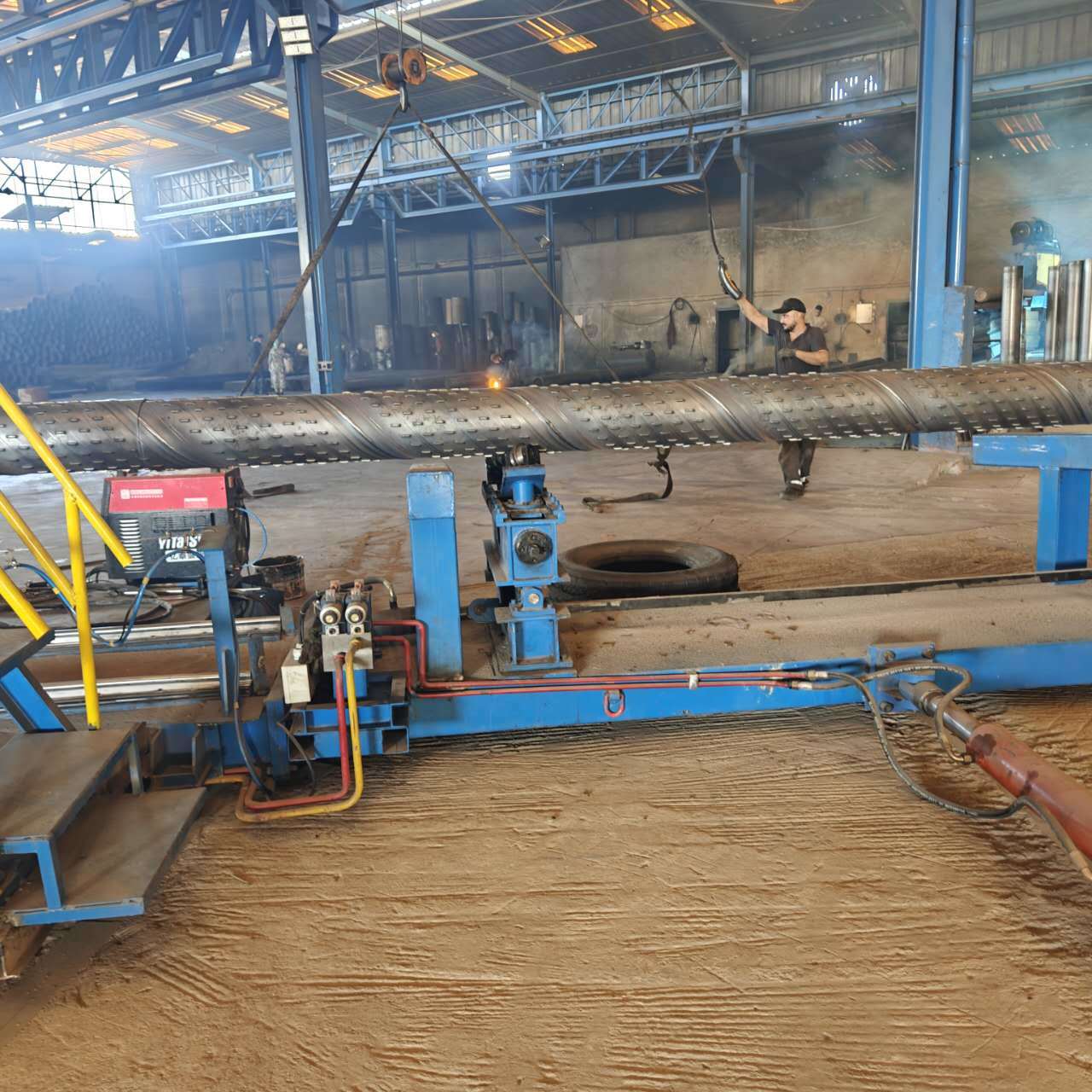
Automation Development Trends and Application Value of Heavy Duty Steel Pipe Manufacturing Equipment
Explore the automation trends and applications of heavy duty steel pipe manufacturing equipment, from welding and pipe-end processing to intelligent production control.
2026-11-10


Service E-mail
Hotline:
Address
Taiyuan City, Shanxi Province
To inquire about our products, please leave your email to us and we will contact you within 24 hours.