




How to Extend the Service Life of a Spiral Pipe Production Line Through Standardized Operation
26 Oct,2026
Huaye
This article explains how to extend the service life of a Spiral Pipe Production Line through standardized operation, routine inspections, and regular maintenance.
A Spiral Pipe Production Line is essential equipment in the manufacturing of spiral welded pipes. Its operating condition directly affects pipe forming quality, welding performance, and production efficiency. During long-term operation, improper handling, inadequate maintenance, or incorrect parameter settings can lead to component wear, equipment failures, and production interruptions. Therefore, steel pipe manufacturers need to establish standardized operating procedures covering pre-start inspections, production control, and shutdown maintenance to extend equipment service life and reduce long-term operating costs.
Conduct Pre-Start Inspections to Reduce Abnormal Equipment Wear
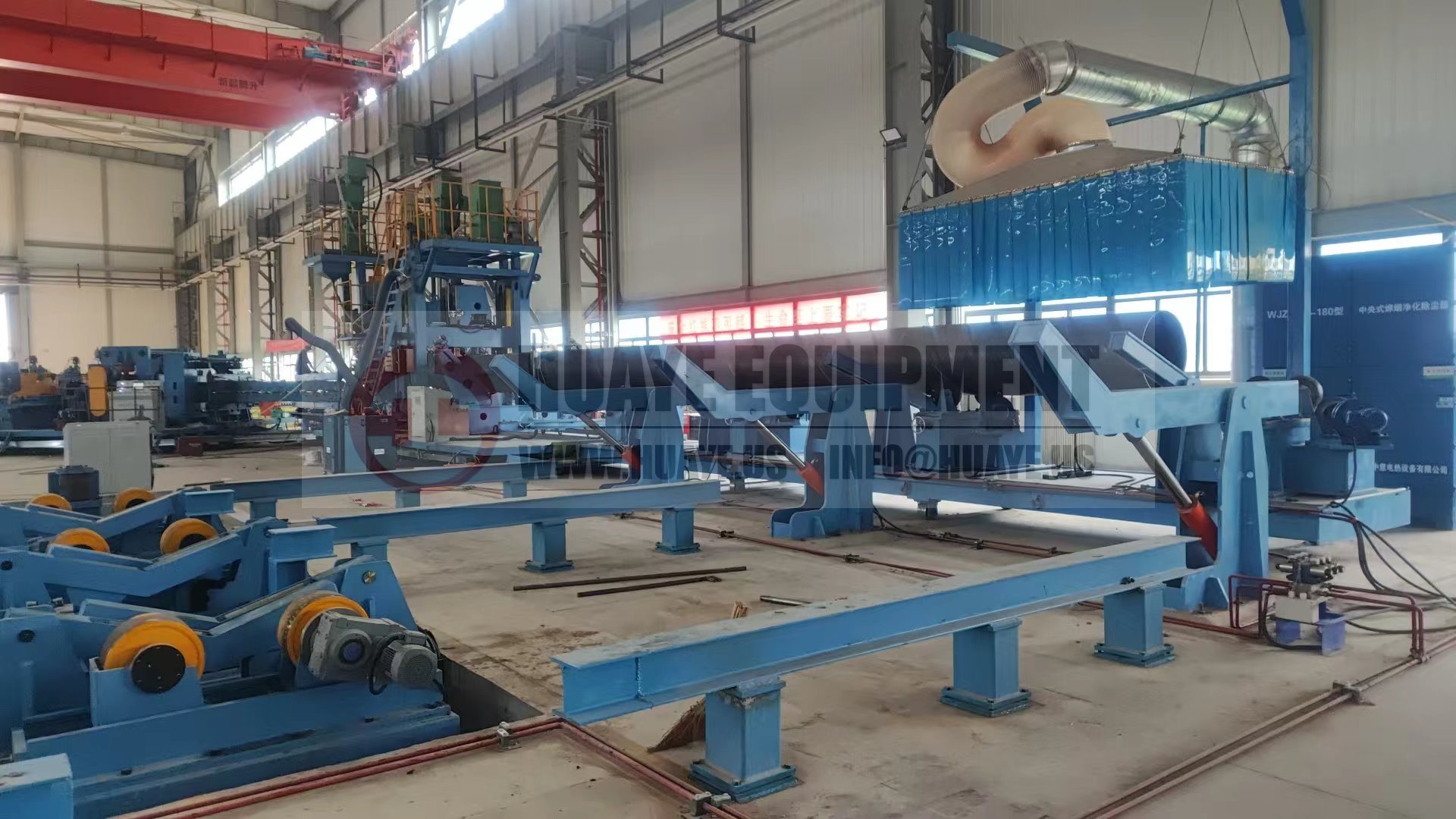
Before starting a Spiral Pipe Production Line, operators should thoroughly inspect the main equipment and auxiliary systems. They should confirm that the steel strip feeding system, uncoiling equipment, forming equipment, welding equipment, and cutting equipment are in proper working condition. All connections should be checked for tightness, and transmission components should be inspected for unusual looseness or wear.
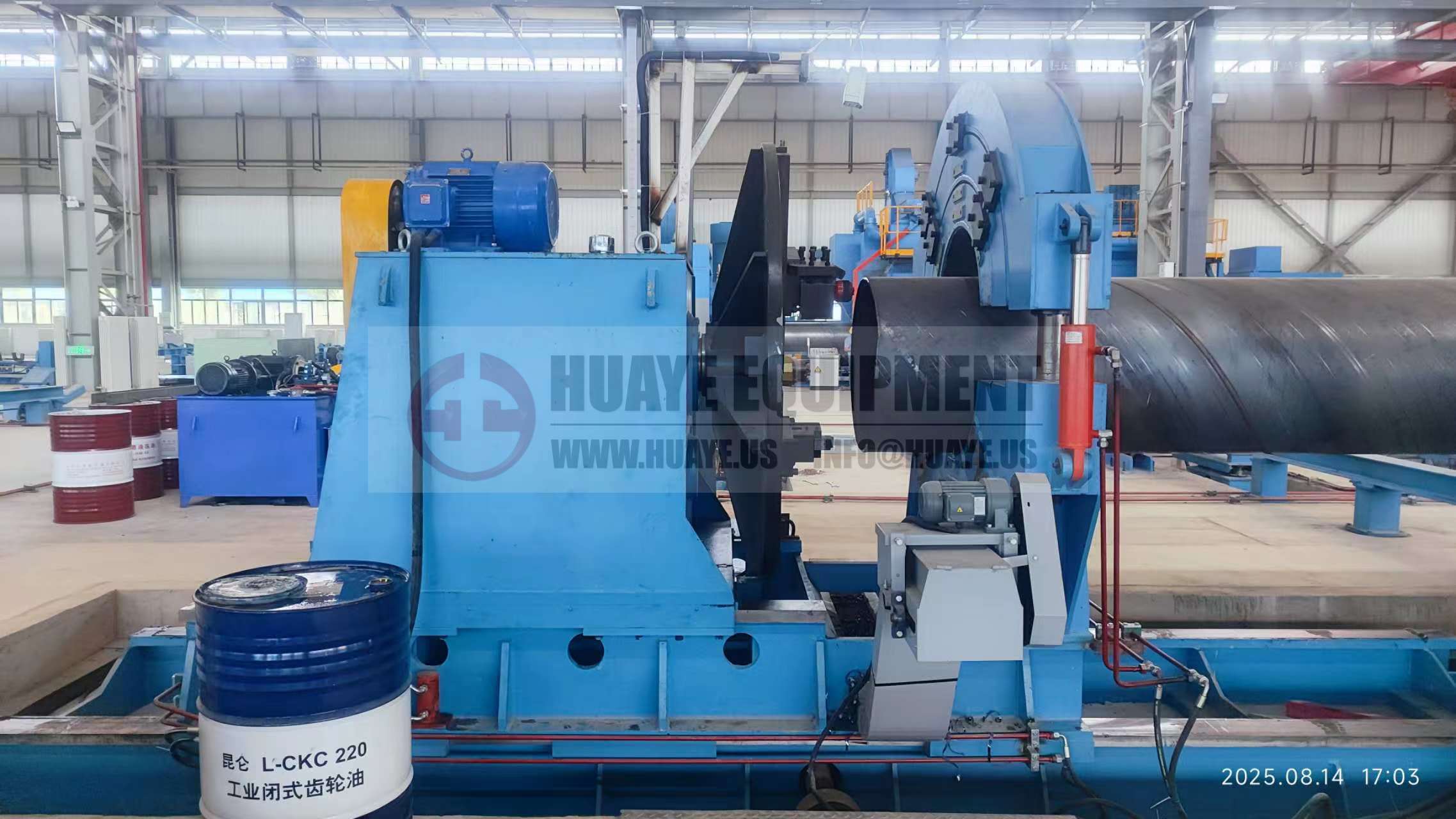
The lubrication system is another essential part of pre-start inspections. For bearings, gears, and other moving components that require lubrication, operators should check the condition of the lubricating oil or grease according to the equipment manufacturer's instructions. Insufficient lubrication can increase friction, raise operating temperatures, and accelerate component wear.
In addition, electrical wiring, sensors, limit switches, and safety guards should be inspected to ensure that the control system functions properly. If unusual noises, oil leaks, component deformation, or electrical faults are detected, they should be addressed promptly. The equipment should never be forced to operate before identified faults have been resolved. Thorough pre-start inspections help prevent minor issues from developing into major equipment failures.

Standardize Production Operations to Prevent Prolonged Overloading
During spiral welded pipe manufacturing, proper equipment parameter settings are essential for extending service life. Operators should adjust the forming angle, feeding speed, welding parameters, and cutting speed according to the steel strip thickness, strip width, pipe diameter, and production process requirements. Incorrect settings may compromise operating stability and increase equipment wear.
A Spiral Pipe Production Line should be started according to the specified operating sequence. Unnecessary frequent start-ups and shutdowns or sudden changes in operating speed should be avoided. During production, operators need to monitor steel strip feeding, spiral forming, and welding operations closely. Problems such as strip misalignment, abnormal vibration, and unstable welding should be identified promptly to prevent continued operation under abnormal conditions.
Manufacturers should also keep equipment loads within the designed capacity and avoid processing materials beyond the equipment's specifications. When producing pipes of different sizes, operators should adjust the relevant parameters to meet specific production requirements rather than relying on the same settings for every product. Whenever pipe specifications or production processes change, the prescribed operating procedures should be followed, and coordination between different equipment units should be verified.
Standardized operation helps reduce mechanical wear, minimize pipe dimensional deviations and weld defects, and reduce material waste, thereby improving the overall stability of the production line.
Establish a Regular Maintenance Schedule to Address Potential Failures
Equipment service life depends not only on daily operating practices but also on the effectiveness of maintenance management. Manufacturers should establish daily, periodic, and specialized maintenance schedules based on the operating hours, workload, and maintenance recommendations provided by the equipment manufacturer.
Daily maintenance mainly includes removing metal debris, dust, and oil stains from equipment surfaces, checking transmission components, inspecting fasteners, and verifying lubrication conditions. Operators should also record any abnormalities observed during operation. Periodic maintenance should focus on bearings, gears, guide components, hydraulic components, and electrical control systems. Worn parts should be replaced promptly when they reach their specified service limits.
For welding equipment, relevant connections and cooling systems should also be inspected to ensure that they meet normal operating requirements. If forming rolls or other critical components show significant wear or deformation, they should be repaired or replaced promptly to prevent deterioration in pipe forming accuracy.
In addition, manufacturers can maintain detailed equipment maintenance records, including fault causes, repair dates, component replacement history, and operating parameters. Analyzing these records helps identify recurring problems and schedule preventive maintenance in advance, reducing unexpected downtime and its impact on production schedules.
Frequently Asked Questions (Q&A)
Q1: Does a Spiral Pipe Production Line require daily maintenance?
Yes. Daily inspections and basic maintenance should include equipment cleaning, lubrication checks, safety device inspections, and monitoring of operating conditions. Maintenance involving disassembly, adjustments, or component replacement should be carried out according to the equipment manufacturer's instructions and the established maintenance schedule.
Q2: Which operating practices can shorten the service life of a production line?
Common problems include operating equipment beyond its rated capacity, insufficient lubrication, unnecessary frequent start-ups and shutdowns, improper parameter settings, and continuing production after abnormalities have been detected. These practices can accelerate mechanical wear, affect welding and forming quality, and potentially damage critical components.
Q3: How can operators determine whether equipment requires maintenance or repair?
If the equipment develops unusual noises, persistent vibration, abnormal temperatures, unstable hydraulic pressure, reduced pipe forming accuracy, or inconsistent welding quality, it should be stopped and inspected promptly. Faults involving safety risks must be handled by trained personnel. The equipment should only be returned to service after the problem has been resolved and normal operating conditions have been verified.
Key words:
All
- All
- Product Management
- News
- Introduction
- Enterprise outlets
- FAQ
- Enterprise Video
- Enterprise Atlas
Related News

How to Evaluate Equipment Performance When Purchasing heavy duty spiral pipe equipment
Learn how to assess heavy duty spiral pipe equipment by examining processing capacity, component quality, operational stability, maintenance costs, and supplier support.
2026-10-26
How to Extend the Service Life of a Spiral Pipe Production Line Through Standardized Operation
This article explains how to extend the service life of a Spiral Pipe Production Line through standardized operation, routine inspections, and regular maintenance.
2026-10-26

What Are the Main Factors Affecting the Production Efficiency of large spiral pipe machine?
Discover the key factors affecting large spiral pipe machine efficiency, from raw material quality and equipment performance to process optimization, welding quality, and maintenance.
2026-10-23


Service E-mail
Hotline:
Address
Taiyuan City, Shanxi Province
To inquire about our products, please leave your email to us and we will contact you within 24 hours.