





How to Evaluate Equipment Performance When Purchasing heavy duty spiral pipe equipment
26 Oct,2026
Huaye
Learn how to assess heavy duty spiral pipe equipment by examining processing capacity, component quality, operational stability, maintenance costs, and supplier support.
For spiral welded pipe manufacturers, purchasing suitable production equipment affects not only pipe processing quality but also production efficiency, equipment maintenance costs, and long-term operating benefits. heavy duty spiral pipe equipment is primarily used for spiral welded pipe forming, welding, and related processing operations. It is suitable for manufacturing environments that require high load-bearing capacity, stable operation, and continuous production. Therefore, purchasing decisions should not be based solely on equipment prices. Instead, buyers should comprehensively evaluate processing capabilities, structural configuration, control systems, operating stability, and after-sales service.

Evaluate Whether the Processing Capacity Meets Production Requirements
When purchasing heavy duty spiral pipe equipment, manufacturers should first define their actual production requirements, including pipe diameter range, wall thickness range, steel strip width, material types, and planned production capacity. Different pipe specifications place different demands on forming capabilities, transmission systems, and welding configurations. If the equipment's processing range does not match production requirements, order fulfillment may be affected.
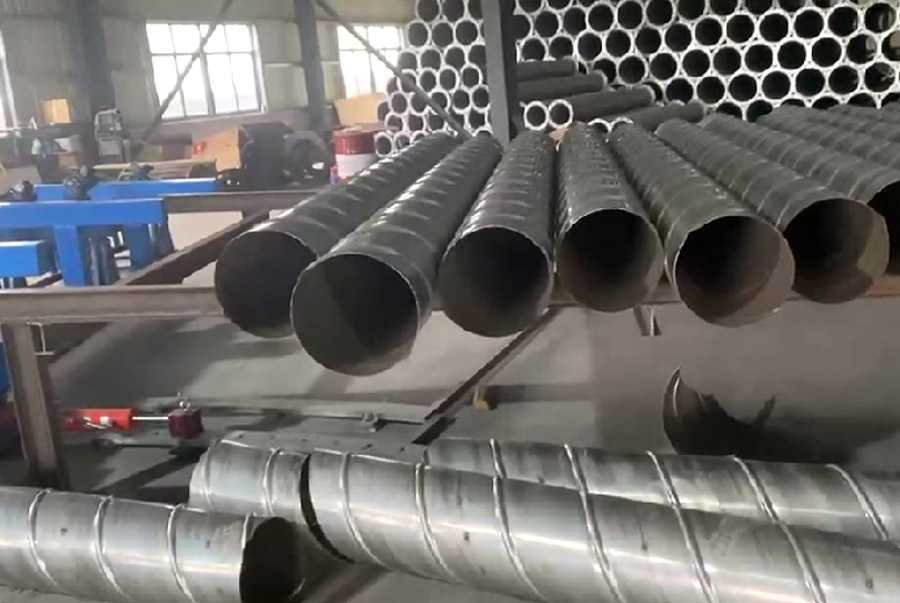
Manufacturers that primarily produce large-diameter or thick-wall spiral welded pipes should pay particular attention to the equipment's designed processing range, rated load, and compatible material specifications. They should also confirm whether the equipment can accommodate changes between different pipe specifications without excessive adjustments that reduce production efficiency.
Before purchasing, buyers can provide suppliers with representative product specifications and ask them to clarify the equipment's applicable range and corresponding process conditions. Technical documentation and trial production can then be used to verify performance and ensure that the equipment meets actual manufacturing requirements.

Inspect the Equipment Structure and Core Component Configuration
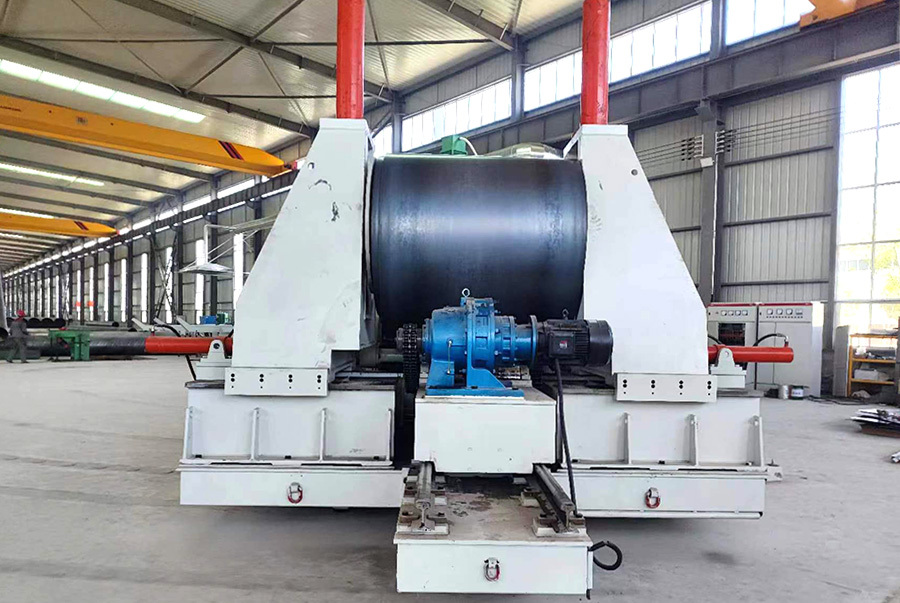
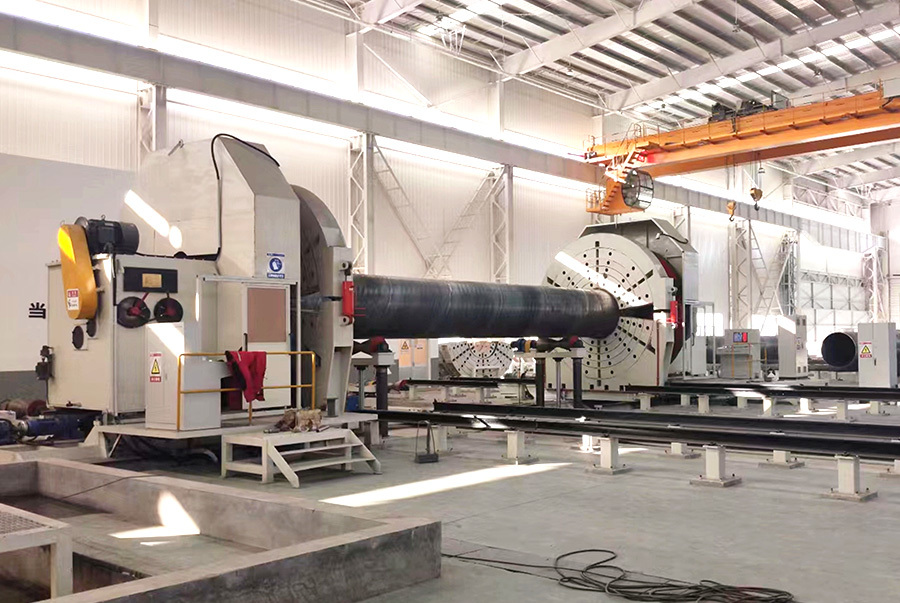
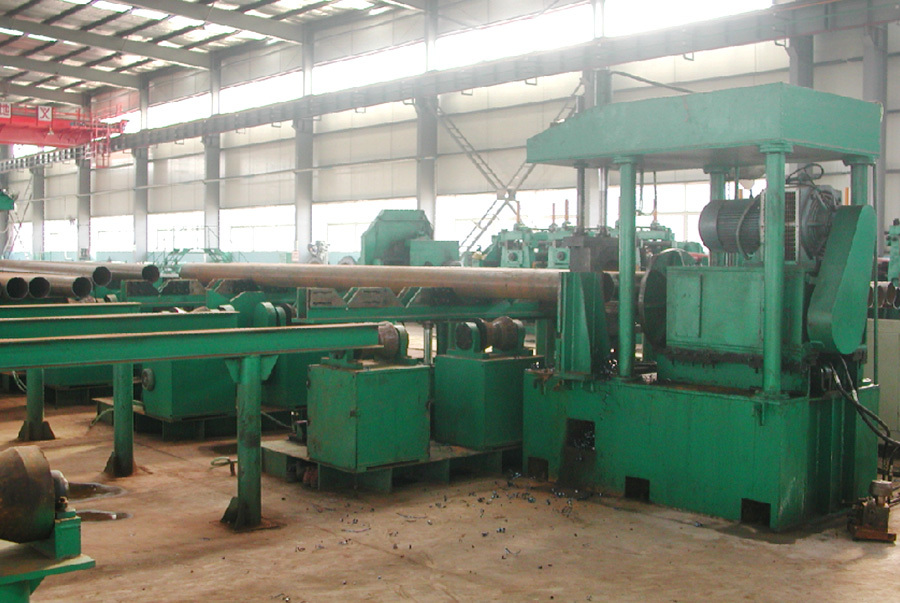
heavy duty spiral pipe equipment typically consists of steel strip feeding, forming, welding, cutting, and related auxiliary units. The structural design and compatibility of core components directly influence long-term operating performance.
During evaluation, buyers should examine frame strength, forming roll machining accuracy, transmission component load capacity, and the stability of critical connections. Heavy-duty equipment must be designed to withstand load variations during continuous operation. Insufficient structural rigidity or excessive component wear may compromise pipe forming accuracy.
Bearings, gears, hydraulic components, and electrical assemblies also deserve careful attention. Buyers can request technical specifications, component lists, and maintenance requirements from suppliers. They should also inquire about the replacement intervals and availability of consumable parts. A well-designed structure and reliable core components help reduce equipment failure risks and future repair costs.
Assess Automation Controls and Production Stability
Automation capabilities are important indicators when evaluating the performance of heavy duty spiral pipe equipment. A reliable control system helps operators coordinate steel strip feeding, spiral forming, welding, and cutting, reducing manual operating errors and improving production consistency.
During procurement, buyers should determine whether the equipment provides essential functions such as speed adjustment, parameter configuration, operating status monitoring, and fault alarms. They should also assess coordination between different processing stages and the ease of adjusting the equipment when changing pipe specifications.
Production stability cannot be determined solely by examining the control system configuration. Manufacturers can request a trial operation plan from the supplier and observe the equipment under actual processing conditions. Key factors include the smoothness of steel strip feeding, consistency of forming dimensions, welding stability, and the presence of abnormal vibration or frequent alarms during continuous operation.
Trial production provides a more direct assessment of actual equipment performance and helps buyers avoid making purchasing decisions based only on product descriptions or individual technical specifications.

Compare Energy Consumption, Maintenance Costs, and After-Sales Service
When purchasing heavy duty spiral pipe equipment, buyers should evaluate long-term operating costs in addition to the initial purchase price. Energy consumption, consumable part usage, routine maintenance requirements, and downtime caused by equipment failures all affect the overall return on investment.
Purchasers should understand daily lubrication requirements, maintenance intervals for critical components, the availability of commonly used spare parts, and whether maintenance requires specialized tools or technical personnel. For manufacturers planning long-term continuous production, convenient maintenance and reliable spare parts supply are particularly important.
After-sales service should also be included in the evaluation. Buyers should confirm whether the supplier provides installation and commissioning, operator training, technical support, and troubleshooting services. The scope of these services and the expected response arrangements should be clearly defined.
By comparing equipment purchase costs, operating efficiency, and maintenance requirements, manufacturers can more accurately assess the actual value of different equipment solutions.
Frequently Asked Questions (Q&A)
Q1: What are the most important performance indicators when purchasing heavy duty spiral pipe equipment?
Priority should be given to processing range, structural strength, forming accuracy, welding stability, and continuous operating capability. Buyers should also evaluate these indicators according to their planned pipe specifications and material requirements rather than relying on a single parameter.
Q2: How can buyers verify the actual processing capabilities of the equipment?
Buyers can provide suppliers with representative pipe specifications and production requirements, then verify performance through technical document reviews, on-site inspections, or trial production. Key aspects to examine include pipe dimensions, forming quality, weld quality, and operating stability. The results should meet the technical requirements agreed upon by both parties.
Q3: Is more expensive equipment always a better investment?
Not necessarily. Buyers should consider equipment performance, configuration, production efficiency, maintenance costs, and after-sales support together. Equipment that matches a manufacturer's product specifications, production scale, and process requirements generally offers greater practical value than equipment selected solely for its high configuration or low purchase price.
Key words:
All
- All
- Product Management
- News
- Introduction
- Enterprise outlets
- FAQ
- Enterprise Video
- Enterprise Atlas
Related News
How to Evaluate Equipment Performance When Purchasing heavy duty spiral pipe equipment
Learn how to assess heavy duty spiral pipe equipment by examining processing capacity, component quality, operational stability, maintenance costs, and supplier support.
2026-10-26

How to Extend the Service Life of a Spiral Pipe Production Line Through Standardized Operation
This article explains how to extend the service life of a Spiral Pipe Production Line through standardized operation, routine inspections, and regular maintenance.
2026-10-26

What Are the Main Factors Affecting the Production Efficiency of large spiral pipe machine?
Discover the key factors affecting large spiral pipe machine efficiency, from raw material quality and equipment performance to process optimization, welding quality, and maintenance.
2026-10-23


Service E-mail
Hotline:
Address
Taiyuan City, Shanxi Province
To inquire about our products, please leave your email to us and we will contact you within 24 hours.