





How Steel Pipe End Expanders Enhance Safety Standards in Industrial Applications
24 Jan,2025
How Steel Pipe End Expanders Enhance Safety Standards in Industrial Applications
Table of Contents
1. Introduction to Steel Pipe End Expanders
2. The Importance of Safety in Industrial Applications
3. Understanding Steel Pipe End Expanders
3.1 Working Principle of Steel Pipe End Expanders
3.2 Types of Steel Pipe End Expanders
4. Benefits of Using Steel Pipe End Expan
How Steel Pipe End Expanders Enhance Safety Standards in Industrial Applications
Table of Contents
- 1. Introduction to Steel Pipe End Expanders
- 2. The Importance of Safety in Industrial Applications
- 3. Understanding Steel Pipe End Expanders
- 4. Benefits of Using Steel Pipe End Expanders
- 5. Safety Standards and Regulations in the Industry
- 6. Best Practices for Using Steel Pipe End Expanders
- 7. Case Studies: Real-World Applications of Steel Pipe End Expanders
- 8. FAQs About Steel Pipe End Expanders
- 9. Conclusion
1. Introduction to Steel Pipe End Expanders
In the industrial sector, **safety** is paramount, particularly when dealing with heavy machinery and complex processes. Steel pipe end expanders are vital tools that facilitate the safe and efficient manipulation of steel pipes, particularly in welding and cutting applications. These devices are designed to expand the ends of pipes to prepare them for fittings, ensuring a secure and leak-proof connection, which subsequently enhances overall safety.
2. The Importance of Safety in Industrial Applications
Safety in industrial environments is crucial for protecting workers, equipment, and the surrounding community. The risks associated with welding and cutting operations can lead to severe accidents if not managed correctly. Therefore, employing tools such as steel pipe end expanders is essential in minimizing hazards. These expanders not only enhance the quality of work produced but also contribute to a safer working environment.
3. Understanding Steel Pipe End Expanders
Steel pipe end expanders are specialized tools that modify the ends of steel pipes for various applications. They are widely used in industries that require pipe fabrication, such as oil and gas, construction, and manufacturing.
3.1 Working Principle of Steel Pipe End Expanders
The working principle of steel pipe end expanders is relatively straightforward. These tools utilize hydraulic or mechanical force to enlarge the diameter of the pipe ends. This process allows pipes to be coupled with fittings securely, mitigating the risk of leaks and failures. The precision involved in this operation ensures that pipes fit seamlessly, which is crucial for maintaining safety standards.
3.2 Types of Steel Pipe End Expanders
There are various types of steel pipe end expanders available, each designed for specific applications and requirements. Common types include:
- **Hydraulic Expanders**: Ideal for larger pipes and heavy-duty applications, hydraulic expanders offer significant power and efficiency.
- **Mechanical Expanders**: These are often used for smaller pipes and lighter applications, providing a manual method of expansion.
- **Electric Expanders**: Combining power and portability, electric expanders are versatile tools that can be used across various job sites.
4. Benefits of Using Steel Pipe End Expanders
Steel pipe end expanders offer multiple advantages that contribute to improved safety standards in the industrial sector.
4.1 Enhanced Safety Features
One of the key features of modern steel pipe end expanders is their emphasis on safety. Many models come equipped with safety locks and pressure gauges, ensuring that operators can work confidently without the risk of malfunction. Furthermore, the secure expansion provided by these tools minimizes the risk of pipe failure during operation, which can lead to hazardous situations.
4.2 Improved Efficiency and Cost-Effectiveness
In addition to safety, steel pipe end expanders significantly improve operational efficiency. By ensuring that pipes are expanded correctly, these tools reduce the time spent on rework and repairs, leading to lower overall costs. Efficient operations directly correlate with improved safety, as quick and accurate work reduces the likelihood of accidents.
5. Safety Standards and Regulations in the Industry
Compliance with safety standards and regulations is non-negotiable in the industrial sector. Regulatory bodies such as the Occupational Safety and Health Administration (OSHA) in the United States set stringent guidelines that organizations must follow. Steel pipe end expanders play a crucial role in ensuring that companies adhere to these standards by facilitating safe pipe handling and installation practices.
6. Best Practices for Using Steel Pipe End Expanders
To maximize the benefits of steel pipe end expanders, operators should follow best practices:
- **Training**: Ensure all personnel are trained on proper usage techniques to avoid accidents.
- **Regular Maintenance**: Maintain expanders regularly to ensure they operate safely and efficiently.
- **Proper Setup**: Follow manufacturer guidelines when setting up expanders to avoid mishaps during operation.
7. Case Studies: Real-World Applications of Steel Pipe End Expanders
Examining real-world applications of steel pipe end expanders can provide valuable insights into their impact on safety standards. For instance, in the oil and gas industry, where the stakes are high, companies that utilize these expanders report fewer incidents of pipe leaks and failures, showcasing the role of technology in enhancing safety.
8. FAQs About Steel Pipe End Expanders
What are steel pipe end expanders used for?
Steel pipe end expanders are primarily used to enlarge the ends of steel pipes to prepare them for fittings, ensuring secure connections and preventing leaks.
How do steel pipe end expanders improve safety?
By ensuring a secure fit between pipes and fittings, steel pipe end expanders reduce the risk of leaks and failures, significantly enhancing safety during operations.
What types of steel pipe end expanders are available?
Common types include hydraulic, mechanical, and electric expanders, each designed for different applications.
Are there safety regulations for using steel pipe end expanders?
Yes, operators must comply with various safety regulations set forth by regulatory bodies like OSHA to ensure safe operations.
How can I maintain my steel pipe end expander?
Regular maintenance includes cleaning the device, checking for wear and tear, and ensuring all components are functioning correctly.
9. Conclusion
Steel pipe end expanders are indispensable tools that significantly enhance safety standards within various industrial applications. By understanding their functionality, benefits, and best practices, industry professionals can make informed decisions that lead to safer and more efficient operations. As industries continue to evolve, the importance of reliable, innovative tools like steel pipe end expanders will remain paramount in safeguarding workers and ensuring compliance with strict safety regulations.
Key words:
All
- All
- Product Management
- News
- Introduction
- Enterprise outlets
- FAQ
- Enterprise Video
- Enterprise Atlas
Related News
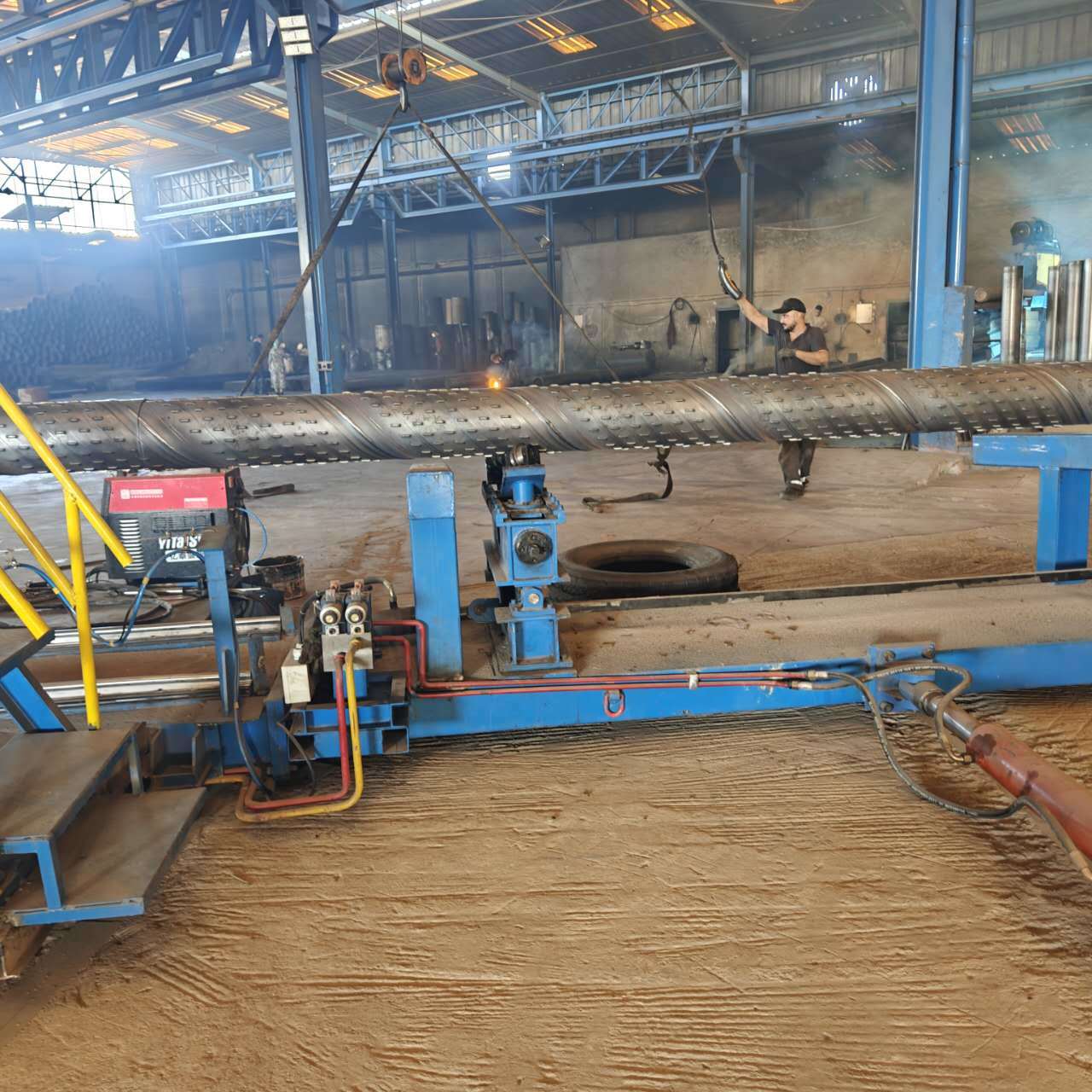
What Factors Should Be Considered in the Customized Design of a Large Pipe Machine?
Explore key factors in Large Pipe Machine customization, including pipe specifications, production processes, automation, auxiliary equipment, and manufacturer capabilities.
2026-11-19
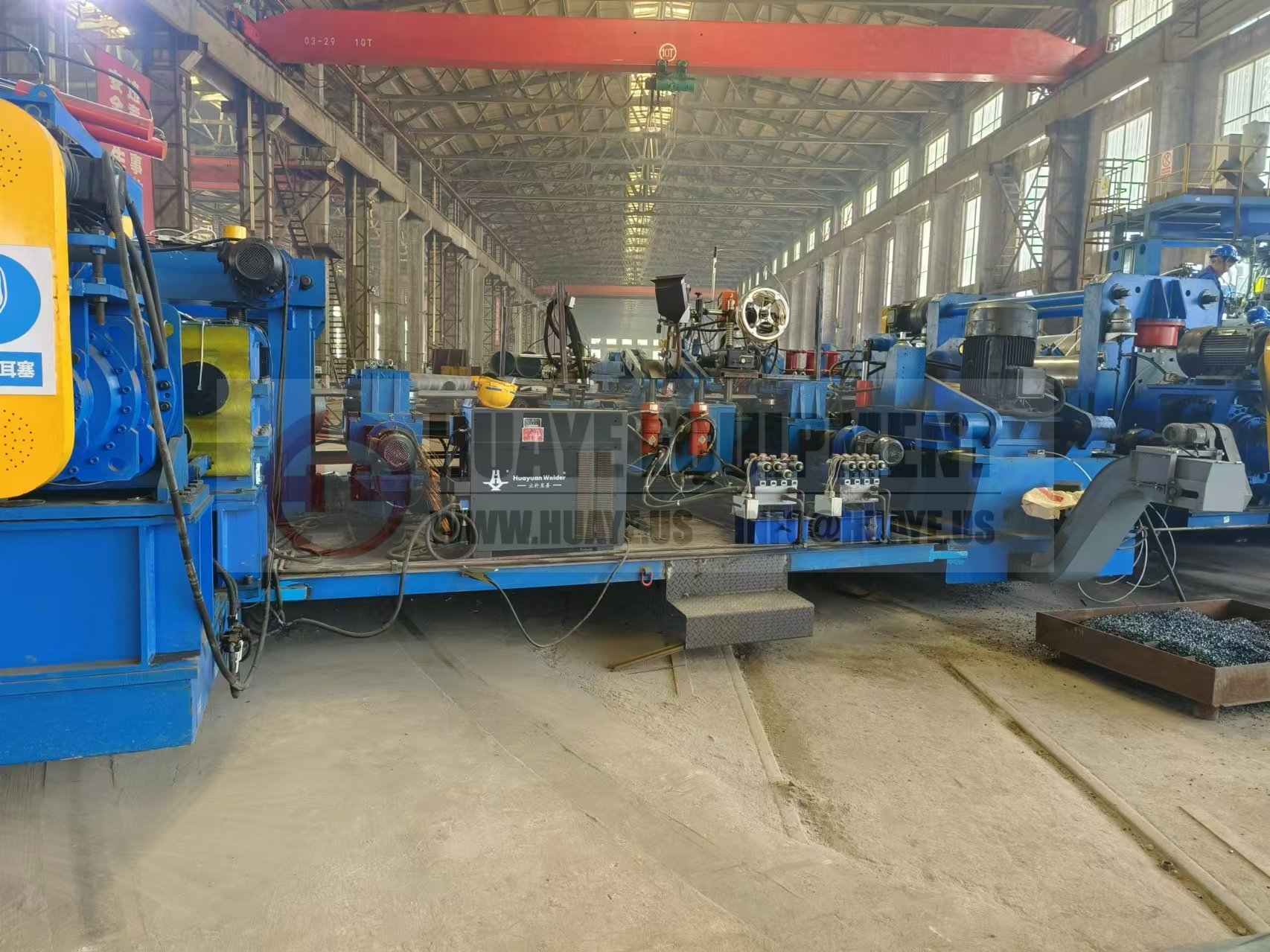
What Key Parameters Should You Consider When Purchasing a Large Welded Pipe Production Line?
Learn the key parameters for choosing a Large Welded Pipe Production Line, including pipe specifications, welding quality, automation, auxiliary equipment, and manufacturer capabilities.
2026-11-19
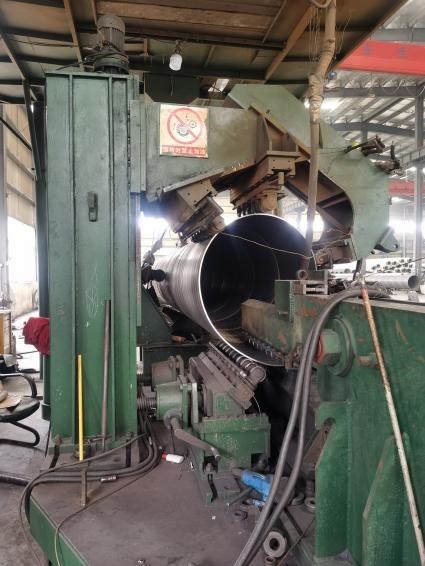
How Can Large Pipe Production Equipment Meet the Demands of Thick-Walled Steel Pipe Manufacturing?
Discover how Large Pipe Production Equipment supports thick-wall steel pipe manufacturing through precise forming, reliable welding, and efficient production.
2026-11-18


Service E-mail
Hotline:
Address
Taiyuan City, Shanxi Province
To inquire about our products, please leave your email to us and we will contact you within 24 hours.