





Understanding the Load Capacity of Swinging Pipe Delivery Carts: A Comprehensive Guide
09 Jan,2025
Understanding the Load Capacity of Swinging Pipe Delivery Carts: A Comprehensive Guide
Table of Contents
1. Introduction to Swinging Pipe Delivery Carts
2. What Are Swinging Pipe Delivery Carts?
3. Importance of Load Capacity in Construction
4. Calculating Load Capacity of Swinging Pipe Delivery Carts
5. Factors Affecting Load Capacity
6. Safety Standards and Regulations
Understanding the Load Capacity of Swinging Pipe Delivery Carts: A Comprehensive Guide
Table of Contents
- 1. Introduction to Swinging Pipe Delivery Carts
- 2. What Are Swinging Pipe Delivery Carts?
- 3. Importance of Load Capacity in Construction
- 4. Calculating Load Capacity of Swinging Pipe Delivery Carts
- 5. Factors Affecting Load Capacity
- 6. Safety Standards and Regulations
- 7. Advantages of Using Swinging Pipe Delivery Carts
- 8. Maintenance and Care for Longevity
- 9. Conclusion
- 10. Frequently Asked Questions
1. Introduction to Swinging Pipe Delivery Carts
Swinging pipe delivery carts play a vital role in the construction and engineering sectors. These carts are designed to facilitate the transportation of heavy pipes and other materials, enhancing efficiency and reducing labor costs. With various designs and configurations, understanding their load capacity is crucial for ensuring safety and optimal performance.
2. What Are Swinging Pipe Delivery Carts?
Swinging pipe delivery carts are specialized equipment that allows the effortless transport of large pipes on construction sites. Characterized by their unique swinging mechanism, these carts enable workers to move pipes with minimal effort, enhancing productivity. The carts are typically constructed from durable materials, ensuring they can withstand the rigors of daily use.
Key Components of Swinging Pipe Delivery Carts
1. **Frame**: The core structure providing stability and support.
2. **Wheels**: Designed for easy maneuverability, often equipped with locking mechanisms.
3. **Swinging Arm**: This pivotal part allows the cart to navigate tight spaces seamlessly.
4. **Load Platform**: The area where the pipes rest during transport.
3. Importance of Load Capacity in Construction
Understanding the load capacity of swinging pipe delivery carts is essential for multiple reasons:
- **Safety**: Overloading carts can lead to accidents, injuries, and equipment damage.
- **Efficiency**: Knowing the load limits allows for optimal use of equipment, ensuring that tasks are completed on time.
- **Cost-Effectiveness**: Proper load management minimizes wear and tear, reducing maintenance costs and extending the lifespan of the equipment.
4. Calculating Load Capacity of Swinging Pipe Delivery Carts
To calculate the load capacity of a swinging pipe delivery cart, several factors must be considered:
Step-by-Step Guide to Calculate Load Capacity
1. **Determine the Weight of the Pipes**: Use a scale or refer to the specifications of the pipes to find their weight.
2. **Assess the Cart's Specifications**: Review the manufacturer's guidelines for the maximum load capacity.
3. **Account for Additional Materials**: Include the weight of any additional materials that will be transported alongside the pipes.
4. **Consider Safety Margin**: To ensure safety, it is advisable to keep within 80% of the cart's maximum load capacity.
5. Factors Affecting Load Capacity
Several factors can influence the load capacity of swinging pipe delivery carts:
Material Quality
The quality of materials used in manufacturing the cart significantly affects its durability and load capacity. Higher-grade materials can support more weight.
Wheel Design
The type and size of wheels impact maneuverability and the ability to support heavy loads. Larger wheels distribute weight more evenly, enhancing stability.
Operating Conditions
The surface on which the cart operates also plays a critical role. Uneven or soft surfaces can limit load capacity and stability.
6. Safety Standards and Regulations
Adhering to safety standards is paramount when using swinging pipe delivery carts. Various regulations govern the use of these carts to ensure worker safety and prevent accidents:
Occupational Safety and Health Administration (OSHA)
OSHA sets forth guidelines regarding the safe operation of equipment in the workplace. Ensuring compliance with these regulations is critical for protecting workers.
Manufacturer Guidelines
Always refer to the manufacturer’s operational manuals for specific safety recommendations related to load capacity and usage.
7. Advantages of Using Swinging Pipe Delivery Carts
Utilizing swinging pipe delivery carts offers several benefits that contribute to enhanced productivity and safety on construction sites:
Increased Efficiency
These carts are designed to streamline the process of transporting heavy materials, significantly reducing the time and effort required.
Improved Ergonomics
By minimizing physical strain on workers, swinging pipe delivery carts promote a safer and more comfortable working environment.
Versatility
These carts can be used in various settings, including construction sites, manufacturing facilities, and warehouses, making them a versatile investment.
8. Maintenance and Care for Longevity
Proper maintenance is essential to ensure the longevity and optimal performance of swinging pipe delivery carts. Here are some key maintenance practices:
Regular Inspections
Conduct routine inspections to identify any signs of wear or damage, particularly in the wheels and swinging mechanisms.
Lubrication
Regularly lubricate moving parts to reduce friction and wear, ensuring smooth operation.
Cleaning
Keep the cart clean and free from debris to prevent obstructions and potential damage.
9. Conclusion
Understanding the load capacity of swinging pipe delivery carts is vital for ensuring safety, efficiency, and productivity on construction sites. By considering the various factors that affect load capacity and adhering to safety regulations, operators can maximize the benefits of these essential tools. Regular maintenance and adherence to best practices will further enhance the longevity and functionality of swinging pipe delivery carts, contributing to successful project outcomes.
10. Frequently Asked Questions
1. What is the maximum load capacity for swinging pipe delivery carts?
The maximum load capacity varies by model, typically ranging from 500 lbs to over 2000 lbs. Always refer to the manufacturer's specifications.
2. Can swinging pipe delivery carts be used on uneven surfaces?
While they are designed for versatile use, it's advisable to limit heavy loads on uneven surfaces to ensure safety and prevent tipping.
3. How often should I inspect my swinging pipe delivery cart?
Regular inspections are recommended, ideally before each use, to identify any potential issues.
4. What maintenance practices should I follow?
Routine checks, lubrication of moving parts, and keeping the cart clean are essential for maintaining performance.
5. Are there safety training programs available for using swinging pipe delivery carts?
Yes, many organizations offer training programs focused on the safe operation of material handling equipment, including swinging pipe delivery carts.
Key words:
customized Swinging pipe delivery cart China
All
- All
- Product Management
- News
- Introduction
- Enterprise outlets
- FAQ
- Enterprise Video
- Enterprise Atlas
Related News
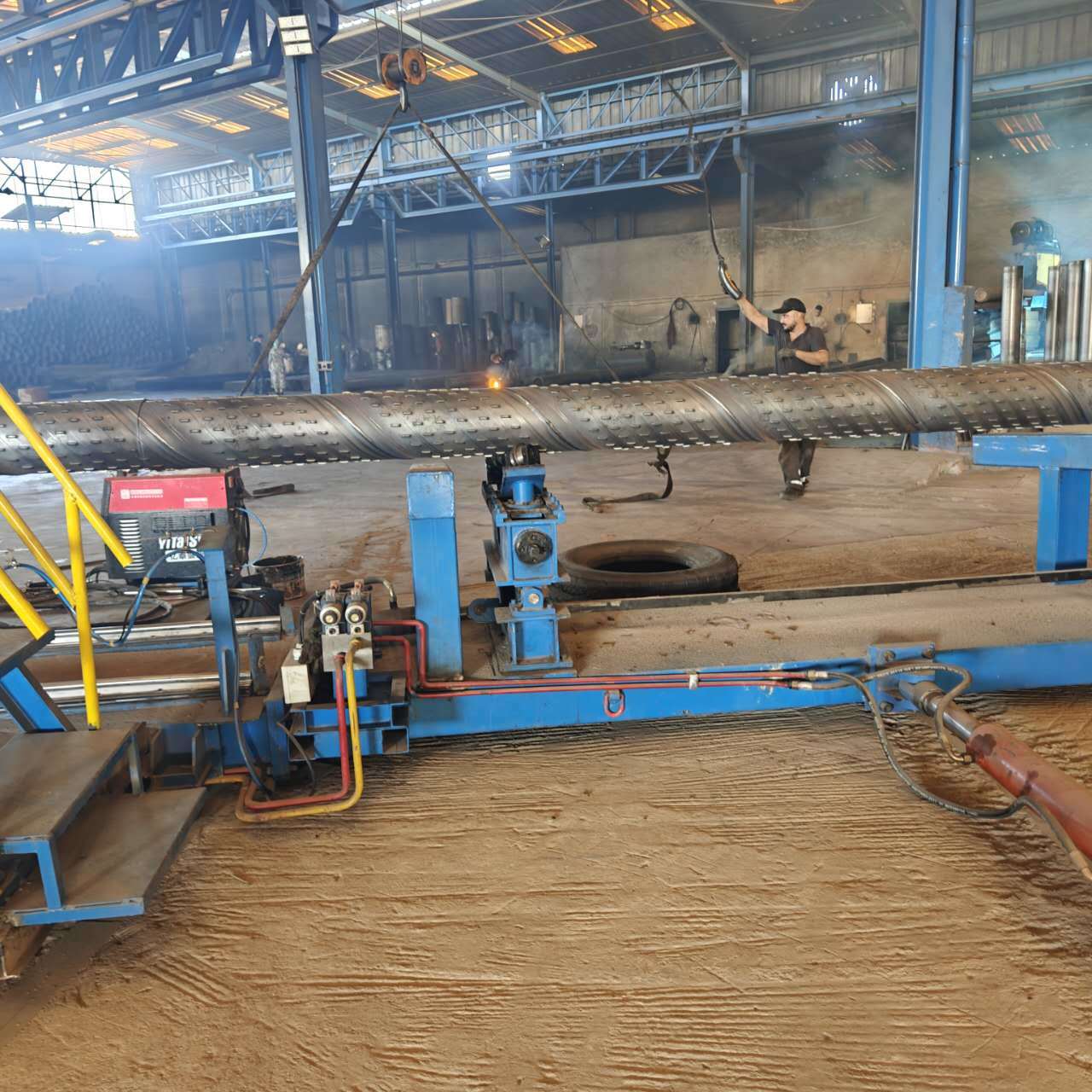
What Factors Should Be Considered in the Customized Design of a Large Pipe Machine?
Explore key factors in Large Pipe Machine customization, including pipe specifications, production processes, automation, auxiliary equipment, and manufacturer capabilities.
2026-11-19
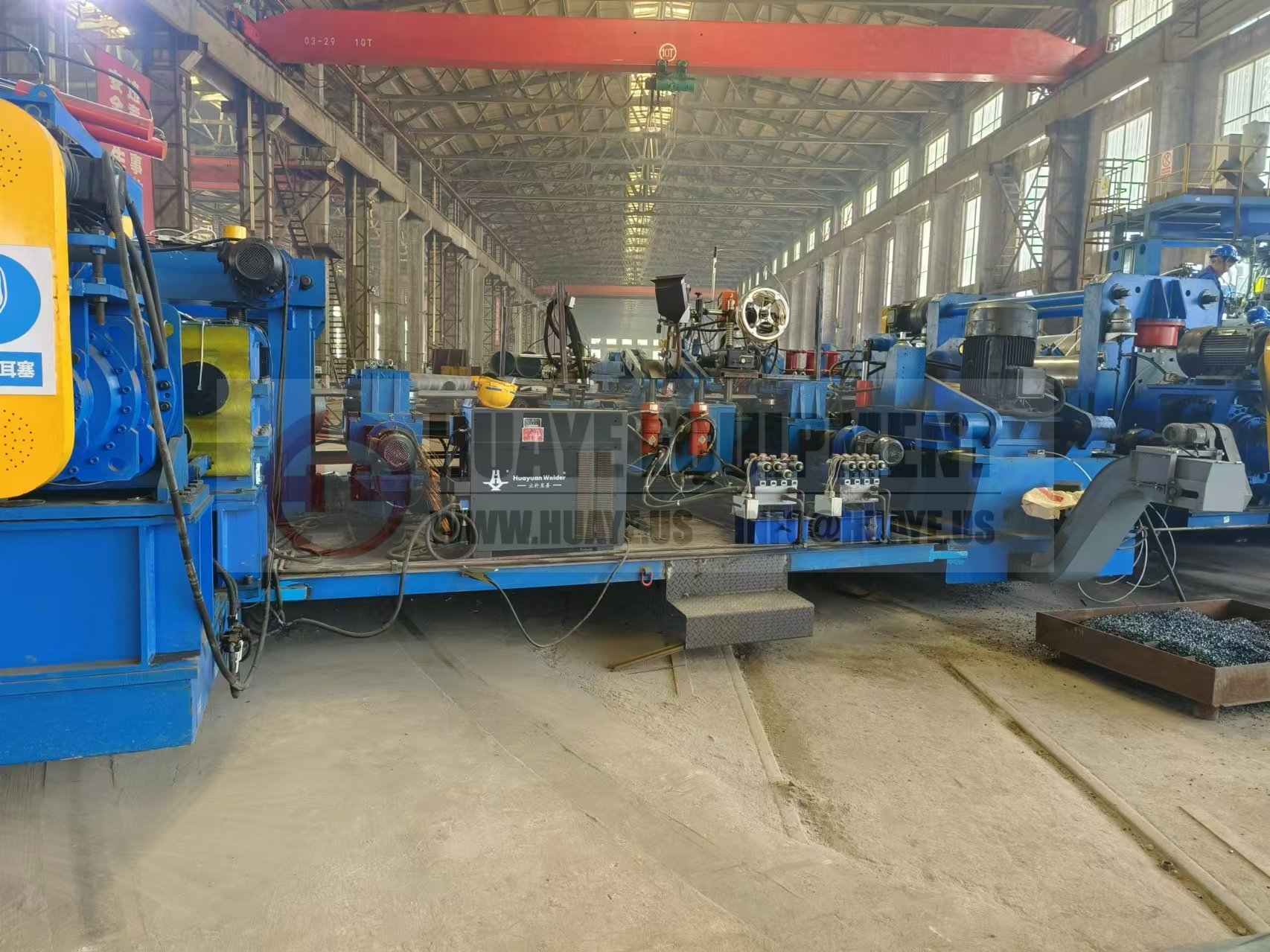
What Key Parameters Should You Consider When Purchasing a Large Welded Pipe Production Line?
Learn the key parameters for choosing a Large Welded Pipe Production Line, including pipe specifications, welding quality, automation, auxiliary equipment, and manufacturer capabilities.
2026-11-19

How Can Large Pipe Production Equipment Meet the Demands of Thick-Walled Steel Pipe Manufacturing?
Discover how Large Pipe Production Equipment supports thick-wall steel pipe manufacturing through precise forming, reliable welding, and efficient production.
2026-11-18


Service E-mail
Hotline:
Address
Taiyuan City, Shanxi Province
To inquire about our products, please leave your email to us and we will contact you within 24 hours.