





How to Maintain End Facing and Beveling Machines for Optimal Performance
13 Dec,2024
How to Maintain End Facing and Beveling Machines for Optimal Performance
Table of Contents
Introduction to End Facing and Beveling Machines
The Importance of Regular Maintenance
Essential Routine Maintenance Tasks
Advanced Maintenance Techniques for Optimal Performance
Troubleshooting Common Issues in End Facing and Beveling Machines
Safety Precautions During Maintenance
How to Maintain End Facing and Beveling Machines for Optimal Performance
Table of Contents
- Introduction to End Facing and Beveling Machines
- The Importance of Regular Maintenance
- Essential Routine Maintenance Tasks
- Advanced Maintenance Techniques for Optimal Performance
- Troubleshooting Common Issues in End Facing and Beveling Machines
- Safety Precautions During Maintenance
- Choosing the Right Tools and Parts for Maintenance
- Conclusion
- FAQs About Maintaining End Facing and Beveling Machines
Introduction to End Facing and Beveling Machines
End facing and beveling machines are essential in various manufacturing processes, particularly in metalworking and fabrication. These machines are designed to create precise edges and bevels on metal components, ensuring they meet specific requirements for fit and function. Whether used in pipe fabrication or structural steel processing, the performance of these machines directly impacts product quality and production efficiency.
The Importance of Regular Maintenance
Regular maintenance is crucial for end facing and beveling machines. Just like any other machinery, these machines experience wear and tear over time. Routine maintenance not only extends the lifespan of the equipment but also enhances its performance, ensuring that it operates smoothly and efficiently. Neglecting maintenance can lead to costly repairs, unexpected downtime, and compromised product quality.
Investing time and resources into a consistent maintenance schedule can result in significant long-term savings and increased productivity. By properly maintaining your end facing and beveling machines, you ensure they function at their best, allowing your operation to stay competitive in the industry.
Essential Routine Maintenance Tasks
To keep your end facing and beveling machines in top condition, several routine maintenance tasks should be performed regularly. Here are some essential tasks to include in your maintenance schedule:
1. Regular Cleaning
Keeping the machines clean is vital for optimal performance. Dust, debris, and metal shavings can accumulate, leading to malfunctions. Use a soft brush or compressed air to remove these contaminants from the machine's surfaces. Make sure to clean the cutting tools, guides, and motors to prevent any build-up that could affect performance.
2. Lubrication
Proper lubrication is essential for reducing friction and wear on moving parts. Check the lubrication points and apply the recommended lubricants as per the manufacturer's guidelines. Regularly inspect the lubrication system to ensure it's functioning correctly and replace any worn components.
3. Inspection of Cutting Tools
Cutting tools are critical to the performance of end facing and beveling machines. Regularly inspect the tools for any signs of wear or damage. Dull or chipped tools can lead to poor cutting performance and increased wear on the machine. Replace cutting tools as necessary to maintain optimal performance.
4. Calibration and Alignment
Ensuring that your machines are properly calibrated and aligned is crucial for achieving precise cuts and bevels. Regularly check the alignment of the machine components and make adjustments as necessary. Calibration should be performed according to the manufacturer's specifications to ensure accuracy.
5. Electrical System Checks
The electrical system of the machine should be inspected regularly. Check for any loose connections, frayed wires, or other signs of electrical wear. Ensure that all safety devices are functioning correctly to prevent any electrical accidents.
Advanced Maintenance Techniques for Optimal Performance
In addition to routine maintenance tasks, implementing advanced maintenance techniques can further enhance the performance of your end facing and beveling machines. Here are some strategies to consider:
1. Vibration Analysis
Vibration analysis is a powerful predictive maintenance tool. By monitoring the vibration levels of machine components, you can identify potential issues before they lead to failure. Use specialized equipment to measure vibrations and analyze the data to schedule necessary repairs or replacements.
2. Thermal Imaging
Thermal imaging can help identify overheating components that may indicate wear or impending failure. Regular thermal scans can reveal hotspots in the machine, allowing for proactive maintenance and minimizing the risk of breakdowns.
3. Detailed Record-Keeping
Maintaining detailed records of maintenance activities, repairs, and inspections is crucial for tracking the performance and health of your machines. This data can help identify trends and potential issues, enabling you to schedule maintenance more effectively and avoid costly downtime.
Troubleshooting Common Issues in End Facing and Beveling Machines
Even with proper maintenance, issues can arise with end facing and beveling machines. Knowing how to troubleshoot these problems can save time and resources. Here are some common issues and their solutions:
1. Inconsistent Cuts
If the machine is producing inconsistent cuts, check the alignment and calibration. Dull cutting tools can also be a factor, so inspect and replace them if necessary. Additionally, ensure that the material being processed is secure and correctly positioned.
2. Excessive Vibration
Excessive vibration during operation can indicate misalignment or worn components. Inspect the machine for any loose parts or damaged bearings. Tighten any loose bolts and consider performing vibration analysis to pinpoint the source of the issue.
3. Overheating
If the machine is overheating, check the lubrication system and ensure that all components are adequately lubricated. Inspect for any obstructions in cooling vents and ensure that the motor is functioning correctly.
Safety Precautions During Maintenance
Safety should always be a top priority when performing maintenance on end facing and beveling machines. Here are some essential safety precautions to keep in mind:
1. Personal Protective Equipment (PPE)
Always use appropriate PPE, including gloves, safety glasses, and hearing protection, when performing maintenance tasks. This equipment helps protect against potential hazards.
2. Power Off the Machine
Before beginning any maintenance work, ensure that the machine is powered off and properly locked out to prevent accidental startup.
3. Follow Manufacturer Guidelines
Always refer to the manufacturer’s guidelines for maintenance procedures, tools, and safety precautions. This ensures that you are following safe practices tailored to your specific equipment.
Choosing the Right Tools and Parts for Maintenance
Using the appropriate tools and parts is crucial for effective maintenance. Here’s how to ensure you’re selecting the right equipment:
1. Refer to the Manual
Consult the machine’s manual for recommended tools and replacement parts. This will help you ensure compatibility and performance.
2. Invest in Quality Tools
Investing in high-quality tools can make a significant difference in the maintenance process. Quality tools are more durable and reliable, providing better results.
3. Source Genuine Parts
Always source genuine replacement parts from the manufacturer or approved suppliers. This guarantees the quality and compatibility needed for optimal machine performance.
Conclusion
Maintaining end facing and beveling machines is essential for ensuring their optimal performance and longevity. By adhering to a comprehensive maintenance schedule that includes routine and advanced techniques, operators can enhance productivity while minimizing downtime and repair costs. Regular cleaning, lubrication, and inspections, combined with effective troubleshooting strategies, will significantly contribute to the machines' operational efficiency. Safety precautions and the use of quality tools and parts will further ensure a safe and effective maintenance process. By prioritizing maintenance, we invest in the future productivity of our manufacturing operations.
FAQs About Maintaining End Facing and Beveling Machines
1. How often should I perform maintenance on my end facing and beveling machines?
Regular maintenance should be performed based on the manufacturer's recommendations, typically ranging from weekly to monthly, depending on usage.
2. What are common signs that my machine needs maintenance?
Common signs include inconsistent cuts, excessive vibration, unusual noises, overheating, and decreased performance.
3. Can I perform maintenance myself, or should a technician do it?
Routine maintenance tasks can often be performed by trained operators, but complex issues or repairs should be handled by qualified technicians.
4. What types of lubricants should I use for my machines?
Always refer to the manufacturer's guidelines for recommended lubricants, as different machines may require specific types for optimal performance.
5. How can I improve the lifespan of my end facing and beveling machines?
Regular maintenance, proper usage, and timely replacement of worn parts can significantly improve the lifespan of your machines.
Key words:
All
- All
- Product Management
- News
- Introduction
- Enterprise outlets
- FAQ
- Enterprise Video
- Enterprise Atlas
Related News
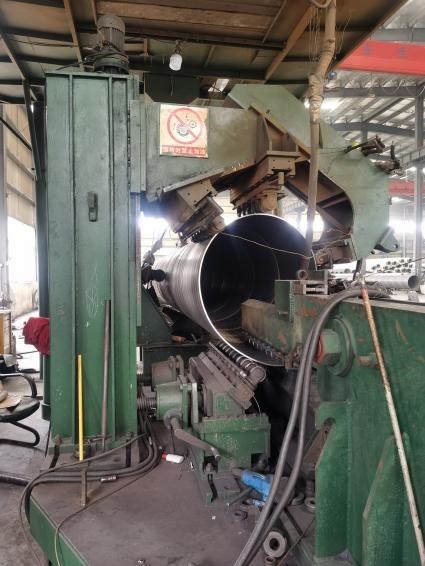
What Factors Should Be Considered in the Customized Design of a Large Pipe Machine?
Explore key factors in Large Pipe Machine customization, including pipe specifications, production processes, automation, auxiliary equipment, and manufacturer capabilities.
2026-11-19
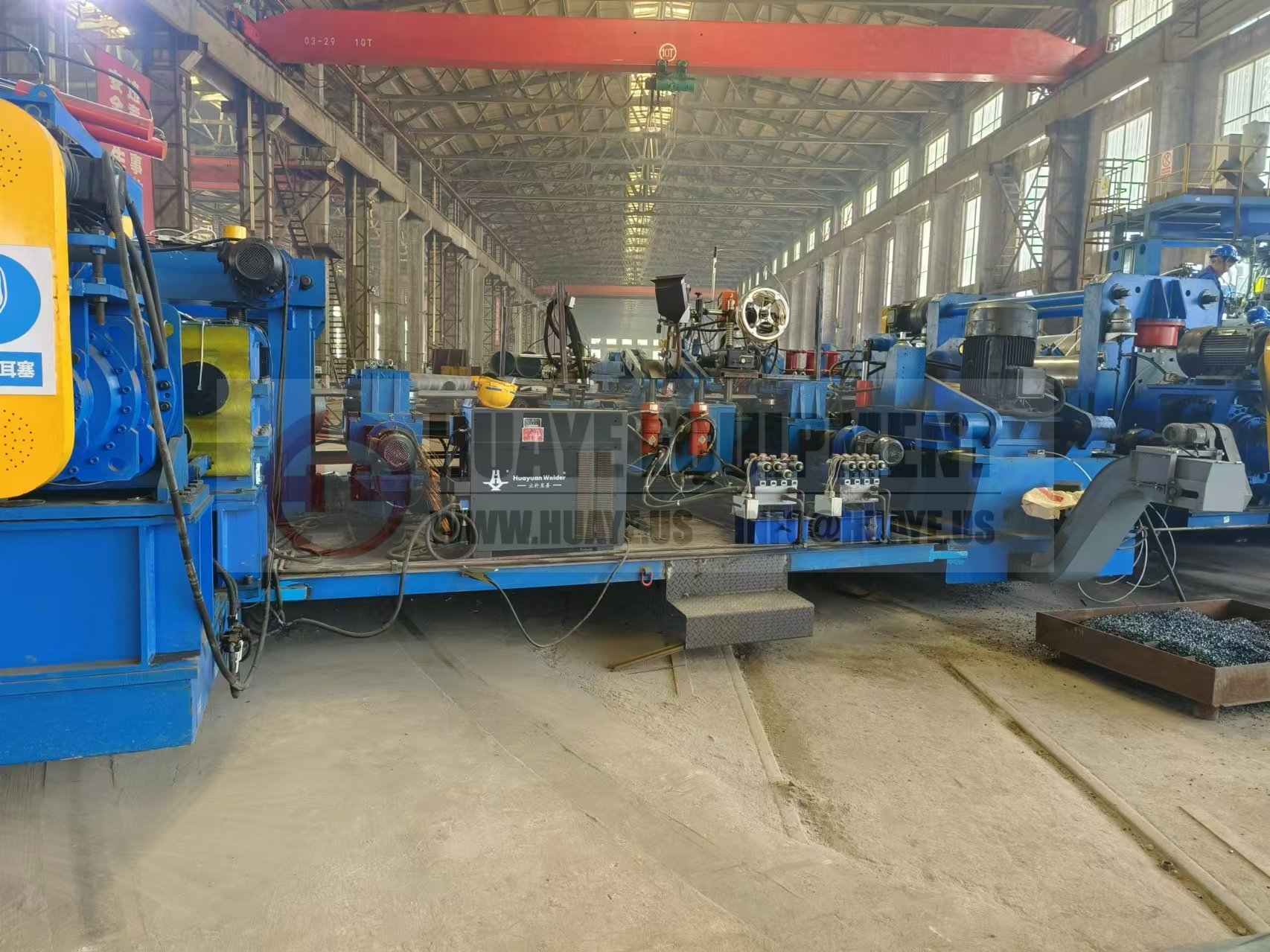
What Key Parameters Should You Consider When Purchasing a Large Welded Pipe Production Line?
Learn the key parameters for choosing a Large Welded Pipe Production Line, including pipe specifications, welding quality, automation, auxiliary equipment, and manufacturer capabilities.
2026-11-19
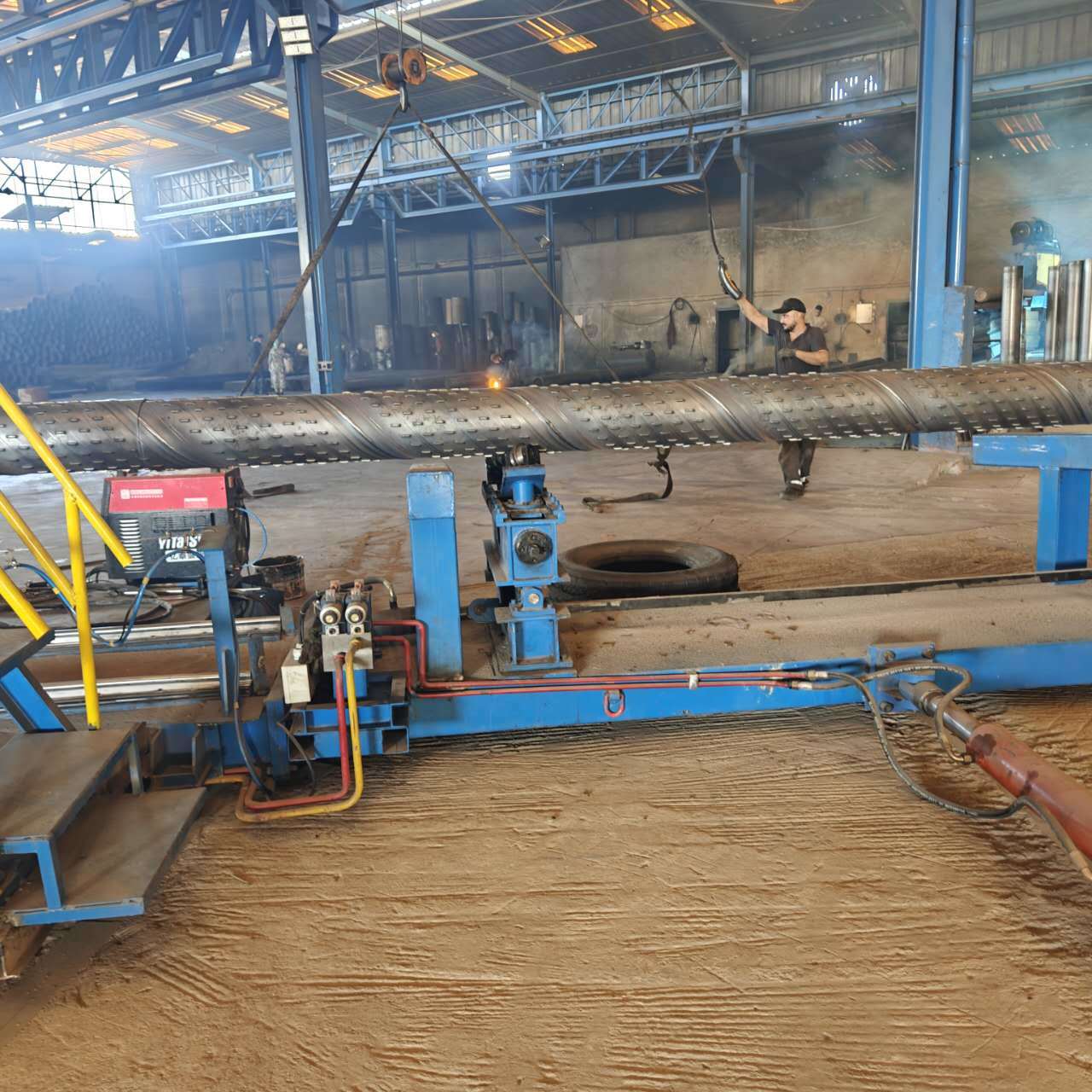
How Can Large Pipe Production Equipment Meet the Demands of Thick-Walled Steel Pipe Manufacturing?
Discover how Large Pipe Production Equipment supports thick-wall steel pipe manufacturing through precise forming, reliable welding, and efficient production.
2026-11-18


Service E-mail
Hotline:
Address
Taiyuan City, Shanxi Province
To inquire about our products, please leave your email to us and we will contact you within 24 hours.