





The Role of Spiral Welded Pipes in Next-Gen Automotive Repair Technologies
23 Nov,2024
The Role of Spiral Welded Pipes in Next-Gen Automotive Repair Technologies
Table of Contents
Introduction to Spiral Welded Pipes
What Are Spiral Welded Pipes?
Benefits of Spiral Welded Pipes in Automotive Repair
Applications of Spiral Welded Pipes in the Automotive Industry
Comparison with Other Pipe Types in Automotive Repair
Future Trends in Automotive Repair Technologie
The Role of Spiral Welded Pipes in Next-Gen Automotive Repair Technologies
Table of Contents
- Introduction to Spiral Welded Pipes
- What Are Spiral Welded Pipes?
- Benefits of Spiral Welded Pipes in Automotive Repair
- Applications of Spiral Welded Pipes in the Automotive Industry
- Comparison with Other Pipe Types in Automotive Repair
- Future Trends in Automotive Repair Technologies
- Challenges and Considerations
- Conclusion
- Frequently Asked Questions
Introduction to Spiral Welded Pipes
In recent years, the automotive repair landscape has witnessed substantial advancements, primarily driven by innovative materials and technologies. Among these, **spiral welded pipes** have emerged as a vital component in next-generation automotive repair technologies. These pipes blend advanced engineering with robust construction, making them an ideal choice for various automotive applications.
Spiral welded pipes are characterized by their unique manufacturing process, where strips of steel are spirally wound and welded together, creating a strong and durable product. This article delves into the intricacies of spiral welded pipes, exploring their benefits, applications, and future potential in the ever-evolving automotive repair industry.
What Are Spiral Welded Pipes?
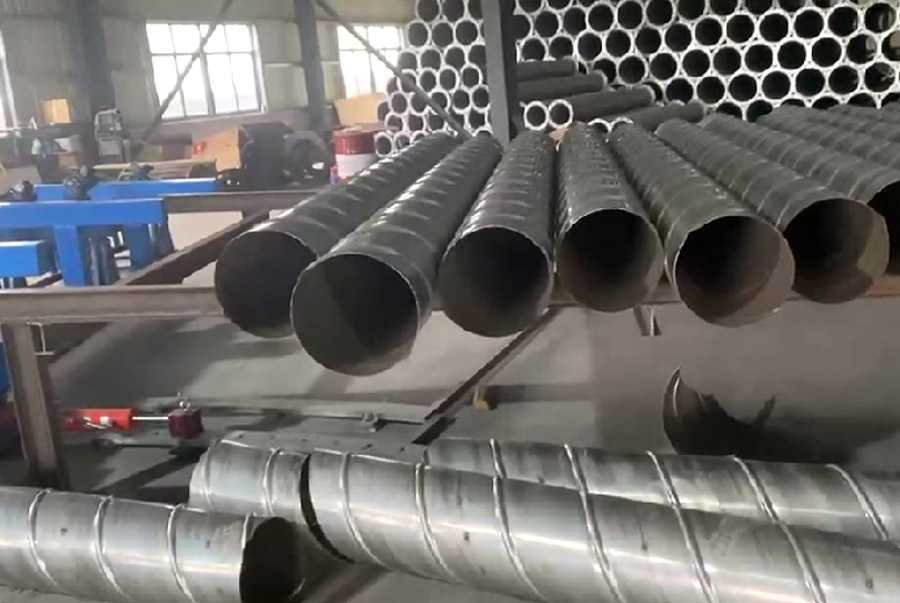
Spiral welded pipes are cylindrical tubes formed by winding steel strips in a spiral manner. This method of production allows for longer lengths of pipes without the need for additional joints, significantly enhancing structural integrity. The welding technique used in the production process not only provides strength but also enables manufacturers to customize the diameter and thickness of the pipes according to specific needs.
The versatility of spiral welded pipes extends beyond automotive applications; they are also used in various industries, including construction, oil and gas, and water supply systems. However, their unique properties and advantages have made them particularly suitable for the automotive repair sector.
Benefits of Spiral Welded Pipes in Automotive Repair
The adoption of spiral welded pipes in automotive repair technologies offers a myriad of benefits, including:
1. Enhanced Strength and Durability
Spiral welded pipes exhibit superior strength due to their manufacturing process. The helical weld creates a robust structure that withstands high pressure and stress, making them ideal for critical automotive applications.
2. Cost-Effectiveness
The production of spiral welded pipes typically requires less material compared to traditional pipe manufacturing methods. This reduction in material use translates to lower costs without compromising on quality, making spiral welded pipes a cost-effective solution for automotive repair shops.
3. Lightweight Design
Another significant advantage of spiral welded pipes is their lightweight nature. This characteristic is essential for automotive applications, as reducing weight can lead to improved fuel efficiency and performance.
4. Flexibility and Customization
Manufacturers can easily customize the dimensions of spiral welded pipes to meet the specific requirements of automotive repair tasks. This flexibility allows for greater innovation in design and application.
5. Resistance to Corrosion
Spiral welded pipes are often treated with protective coatings, making them resistant to corrosion and extending their lifespan. This feature is particularly important in automotive environments, where exposure to moisture and chemicals is common.
Applications of Spiral Welded Pipes in the Automotive Industry
The versatility of spiral welded pipes lends itself to a wide range of applications within the automotive sector. Below are some notable uses:
1. Exhaust Systems
Spiral welded pipes are widely used in the construction of exhaust systems due to their ability to withstand high temperatures and corrosive exhaust gases. Their durability ensures that automotive exhaust systems remain efficient and reliable over time.
2. Fuel Lines
The lightweight and robust nature of spiral welded pipes makes them ideal for fuel line applications. They can handle the pressure and chemical properties of fuel, ensuring safe and efficient fuel delivery in vehicles.
3. Structural Components
In modern automotive design, structural components must meet rigorous safety standards. Spiral welded pipes provide the necessary strength and integrity for various structural applications, contributing to overall vehicle safety.
4. Cooling Systems
Effective cooling systems are essential for maintaining optimal engine performance. Spiral welded pipes are utilized in heat exchangers and cooling systems, owing to their thermal efficiency and resistance to temperature fluctuations.
5. Repair Tools and Equipment
Beyond their use in actual vehicle components, spiral welded pipes are also employed in the manufacturing of specialized repair tools and equipment. Their strength and durability make them suitable for creating tools that can withstand heavy usage in automotive repair environments.
Comparison with Other Pipe Types in Automotive Repair
When considering materials for automotive repair, it is crucial to compare spiral welded pipes with other common pipe types, such as seamless pipes and ERW (Electric Resistance Welded) pipes.
1. Spiral Welded vs. Seamless Pipes
Seamless pipes are known for their strength, as they are formed without any welds. However, they are often more expensive and less customizable than spiral welded pipes. For many automotive applications, the cost-effectiveness and flexibility of spiral welded pipes make them a preferable choice.
2. Spiral Welded vs. ERW Pipes
ERW pipes are manufactured by welding together flat strips of steel, making them suitable for various applications. However, spiral welded pipes provide superior strength and greater resistance to certain types of stress, making them a more robust option for critical automotive applications.
Future Trends in Automotive Repair Technologies
The automotive industry is undergoing rapid transformation, with an increasing focus on sustainability and advanced technology. Spiral welded pipes are poised to play a significant role in these trends:
1. Sustainable Manufacturing Practices
As the automotive industry shifts towards greener practices, the use of materials like spiral welded pipes, which can be manufactured with minimal waste, aligns with sustainability goals.
2. Integration with Smart Technologies
The future of automotive repair will likely see greater integration of smart technologies. Spiral welded pipes can be fitted with sensors that monitor structural integrity, providing real-time data to ensure safety and performance.
3. Advancements in Material Science
Ongoing research into new materials and coatings for spiral welded pipes will enhance their properties, making them even more suitable for automotive applications. Innovations in material science could lead to lighter, stronger, and more corrosion-resistant pipes.
Challenges and Considerations
While spiral welded pipes offer numerous advantages, there are challenges to consider in their adoption:
1. Manufacturing Consistency
Ensuring consistent manufacturing quality is essential to maintain the integrity of spiral welded pipes. Variability in production could lead to weaknesses in the structure.
2. Regulatory Compliance
Automotive components must adhere to strict regulatory standards. Manufacturers of spiral welded pipes must ensure their products meet all necessary safety and quality regulations.
3. Market Competition
The automotive repair industry is highly competitive, with numerous materials available. Educating stakeholders on the benefits of spiral welded pipes is crucial for gaining market acceptance.
Conclusion
Spiral welded pipes are rapidly becoming a cornerstone of next-generation automotive repair technologies. With their exceptional strength, cost-effectiveness, and versatility, they offer a multitude of benefits that align with the industry's evolving needs. As we look toward the future, the role of spiral welded pipes in automotive repair is set to expand, driven by advancements in technology and a commitment to sustainability. Embracing these innovative materials will not only enhance repair processes but also contribute to the overall safety and efficiency of vehicles on the road.
Frequently Asked Questions
1. What are the primary advantages of using spiral welded pipes in automotive repair?
Spiral welded pipes offer enhanced strength, durability, lightweight design, cost-effectiveness, and resistance to corrosion, making them ideal for various automotive applications.
2. How do spiral welded pipes compare to seamless pipes?
While seamless pipes are strong and free from welds, they are typically more expensive and less customizable than spiral welded pipes, which provide a cost-effective and flexible alternative.
3. Can spiral welded pipes be used in high-temperature applications?
Yes, spiral welded pipes are well-suited for high-temperature applications, such as exhaust systems, due to their robust construction and resistance to heat.
4. Are spiral welded pipes environmentally friendly?
The manufacturing process of spiral welded pipes generates less waste, contributing to more sustainable practices in the automotive industry.
5. What future trends can we expect for spiral welded pipes in the automotive sector?
Future trends may include advancements in material science, integration with smart technologies, and an increased focus on sustainable manufacturing practices.
By understanding the crucial role that spiral welded pipes play in the automotive repair industry, stakeholders can leverage their benefits to enhance efficiency and safety in vehicle maintenance and repair.
Key words:
All
- All
- Product Management
- News
- Introduction
- Enterprise outlets
- FAQ
- Enterprise Video
- Enterprise Atlas
Related News
What Factors Should Be Considered in the Customized Design of a Large Pipe Machine?
Explore key factors in Large Pipe Machine customization, including pipe specifications, production processes, automation, auxiliary equipment, and manufacturer capabilities.
2026-11-19
What Key Parameters Should You Consider When Purchasing a Large Welded Pipe Production Line?
Learn the key parameters for choosing a Large Welded Pipe Production Line, including pipe specifications, welding quality, automation, auxiliary equipment, and manufacturer capabilities.
2026-11-19

How Can Large Pipe Production Equipment Meet the Demands of Thick-Walled Steel Pipe Manufacturing?
Discover how Large Pipe Production Equipment supports thick-wall steel pipe manufacturing through precise forming, reliable welding, and efficient production.
2026-11-18


Service E-mail
Hotline:
Address
Taiyuan City, Shanxi Province
To inquire about our products, please leave your email to us and we will contact you within 24 hours.