





What Preparations Should Be Made Before Purchasing an Industrial Steel Pipe Machine?
06 Nov,2026
Huaye
Learn what to consider before purchasing an Industrial Steel Pipe Machine, from equipment performance to manufacturer selection and costs.
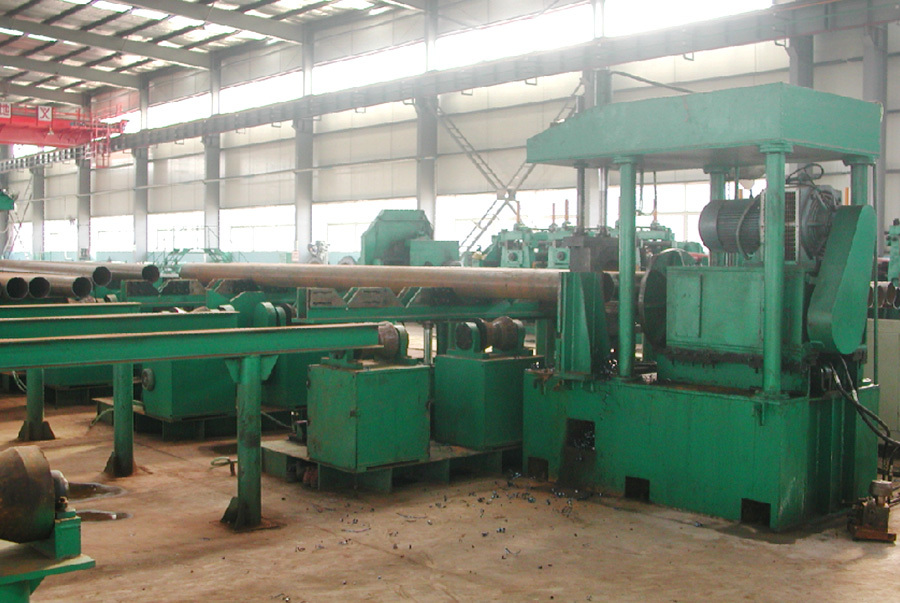
With the continuous development of the steel pipe manufacturing industry, demand for steel pipe products is increasing across oil and gas transportation, water conservancy projects, energy construction, and infrastructure development. For steel pipe manufacturers, purchasing an Industrial Steel Pipe Machine is not just an equipment investment; it also affects future production efficiency, product quality, and long-term operating costs. Without proper planning, businesses may encounter problems such as mismatched equipment specifications, insufficient production capacity, or high maintenance costs. Therefore, manufacturers should prepare in several key areas, including production requirements, equipment performance, manufacturer capabilities, and after-sales service.
Define Steel Pipe Production Requirements and Specifications
The first step in purchasing an Industrial Steel Pipe Machine is to clearly identify the company's production requirements. Different steel pipe manufacturers have different product types, size ranges, and application fields. Equipment configuration should therefore be determined according to actual orders and future business plans.
For example, manufacturers should specify the required pipe diameter, wall thickness, length, material, and product type in advance. They should also consider whether production will involve large-diameter spiral welded pipes or other special steel pipe specifications.
In addition, businesses should evaluate demand in their target markets. Companies mainly serving oil and gas transportation, water conservancy projects, or large infrastructure projects should pay particular attention to equipment processing capabilities, production stability, and product quality control.
Clearly defined production requirements help narrow down equipment options and prevent mismatches between the purchased machine and actual manufacturing needs.

Evaluate Equipment Performance and Technical Configuration
Equipment performance directly affects steel pipe production efficiency and product quality. When selecting an Industrial Steel Pipe Machine, manufacturers should look beyond basic processing capabilities and carefully evaluate its structural design, transmission system, forming technology, and automation configuration.
Important factors include the strength of the main equipment structure, machining accuracy of key components, electrical control systems, and overall operating stability.
For businesses requiring long-term continuous production, it is also important to understand how the equipment performs under different production loads and how well processes such as forming, welding, conveying, and sizing work together.
A reasonable technical configuration can reduce equipment adjustment time during production and improve overall operating efficiency. Manufacturers should also consider potential equipment upgrades and expansion options based on future production capacity requirements.
Plan the Purchasing Budget and Operating Costs
Purchasing an Industrial Steel Pipe Machine should not be based solely on its initial purchase price. Businesses also need to evaluate long-term operating costs after the equipment is put into service.
In addition to the equipment price, manufacturers should include transportation, installation, commissioning, workshop modifications, employee training, and future maintenance expenses in their overall budget.
Furthermore, electricity consumption, replacement of wearing parts, lubricating materials, and routine repairs can all affect long-term operating costs. Some machines may have a lower initial purchase price but require more frequent maintenance or deliver lower operating efficiency, resulting in higher overall expenses.
Therefore, manufacturers should conduct a comprehensive evaluation based on expected production output, operating schedules, and equipment maintenance requirements to achieve a reasonable balance between investment and production benefits.

Examine the Manufacturer's Production Capabilities
Choosing a reliable equipment manufacturer is essential for ensuring procurement quality. An Industrial Steel Pipe Machine typically involves mechanical design, machining, electrical control, and complete equipment assembly. Therefore, the manufacturer's overall production capabilities are particularly important.
Before purchasing, businesses can learn about the manufacturer's factory size, production equipment, technical team, machining workshops, and quality management procedures. If possible, they can arrange an on-site factory visit or a virtual factory inspection to understand the actual manufacturing and assembly processes.
It is also important to check whether the manufacturer has relevant equipment design experience and can provide customized solutions based on the customer's steel pipe specifications and production requirements. Manufacturers with extensive project experience are generally better equipped to understand equipment configuration requirements for different production applications.
Confirm Installation Conditions and Production Environment in Advance
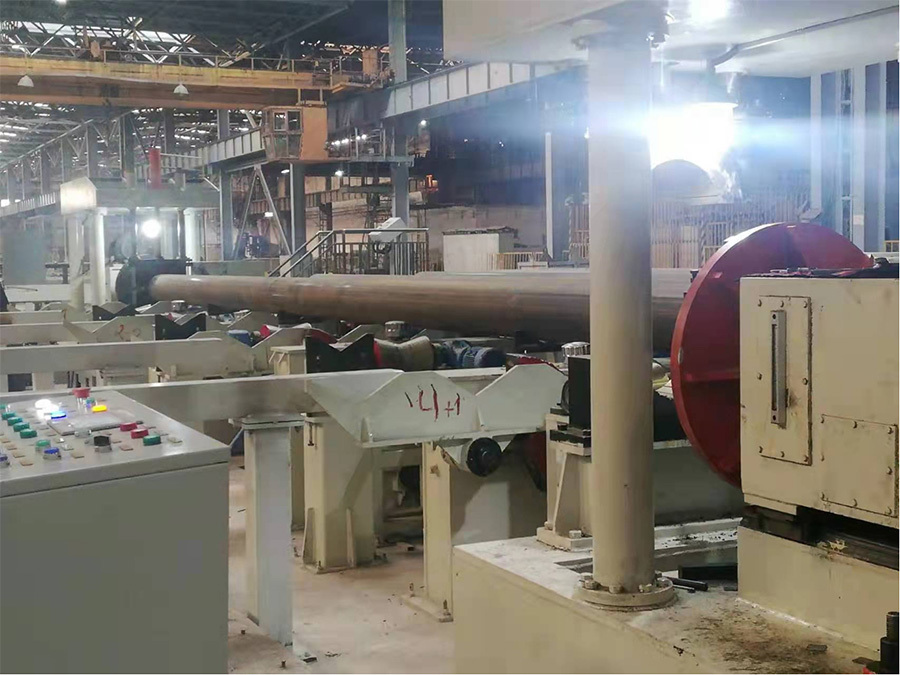
An Industrial Steel Pipe Machine generally occupies considerable space and has specific installation requirements. Therefore, manufacturers should plan their workshops and production sites before purchasing the equipment.
First, confirm whether the workshop provides sufficient installation space. The layout should also reserve appropriate areas for raw material transportation, steel pipe conveying, and finished product storage.
Second, check whether the workshop floor load capacity, power supply, lifting equipment, and auxiliary facilities meet the installation requirements.
In addition, transportation routes and on-site installation procedures should be arranged in advance. Proper preparation helps prevent commissioning and production delays caused by inadequate site conditions after the equipment arrives.
Understand After-Sales Service and Technical Support
Purchasing equipment does not mean the entire project is complete. During installation, commissioning, and subsequent operation, an Industrial Steel Pipe Machine may require technical guidance and maintenance support from the manufacturer.
Therefore, businesses should confirm whether the manufacturer provides installation and commissioning services, operator training, technical consultation, spare parts supply, and equipment troubleshooting.
It is also necessary to clarify the scope of after-sales service, response procedures, and the supply lead times for key replacement components. Reliable technical support can help reduce equipment downtime and maintain the long-term operating stability of the production line.
Frequently Asked Questions (Q&A)
Q1: What is the most important consideration when purchasing an Industrial Steel Pipe Machine?
First, manufacturers should define their steel pipe specifications and production capacity requirements. They should then evaluate equipment performance, manufacturer capabilities, and after-sales service to ensure the machine meets actual production needs.
Q2: Is it necessary to inspect the factory before purchasing equipment?
For large equipment investments, an on-site factory visit or virtual factory inspection is recommended. This allows buyers to evaluate the manufacturer's production capabilities, technical expertise, and equipment assembly processes.
Q3: How can manufacturers avoid equipment mismatches after purchasing?
Before placing an order, manufacturers should provide detailed information about pipe diameter, wall thickness, material, production speed, and target output. They should also request an equipment configuration proposal based on these specific requirements.
Key words:
All
- All
- Product Management
- News
- Introduction
- Enterprise outlets
- FAQ
- Enterprise Video
- Enterprise Atlas
Related News
What Preparations Should Be Made Before Purchasing an Industrial Steel Pipe Machine?
Learn what to consider before purchasing an Industrial Steel Pipe Machine, from equipment performance to manufacturer selection and costs.
2026-11-06
What Are the Key Factors Affecting the Service Life of a Heavy Duty Pipe Production Line?
Explore key factors affecting Heavy Duty Pipe Production Line service life, from equipment quality to daily maintenance.
2026-11-06

How to Evaluate a Manufacturer When Purchasing a Large Spiral Pipe Making Machine?
Learn how to evaluate a Large Spiral Pipe Making Machine manufacturer based on production capacity, technology, quality, and after-sales service.
2026-11-04


Service E-mail
Hotline:
Address
Taiyuan City, Shanxi Province
To inquire about our products, please leave your email to us and we will contact you within 24 hours.