





What Are the Key Factors Affecting the Service Life of a Heavy Duty Pipe Production Line?
06 Nov,2026
Huaye
Explore key factors affecting Heavy Duty Pipe Production Line service life, from equipment quality to daily maintenance.
In the large-scale steel pipe manufacturing industry, a Heavy Duty Pipe Production Line is essential equipment for the continuous production of high-strength, large-diameter steel pipes. It is widely used in oil and gas transportation, water conservancy projects, energy construction, and infrastructure development. Since production lines often operate for extended periods under heavy processing loads, their service life depends not only on manufacturing quality but also on equipment configuration, operating methods, daily maintenance, and the production environment. Understanding these factors can help manufacturers reduce equipment failures, improve production efficiency, and control long-term operating costs.
Equipment Manufacturing Quality and Structural Design
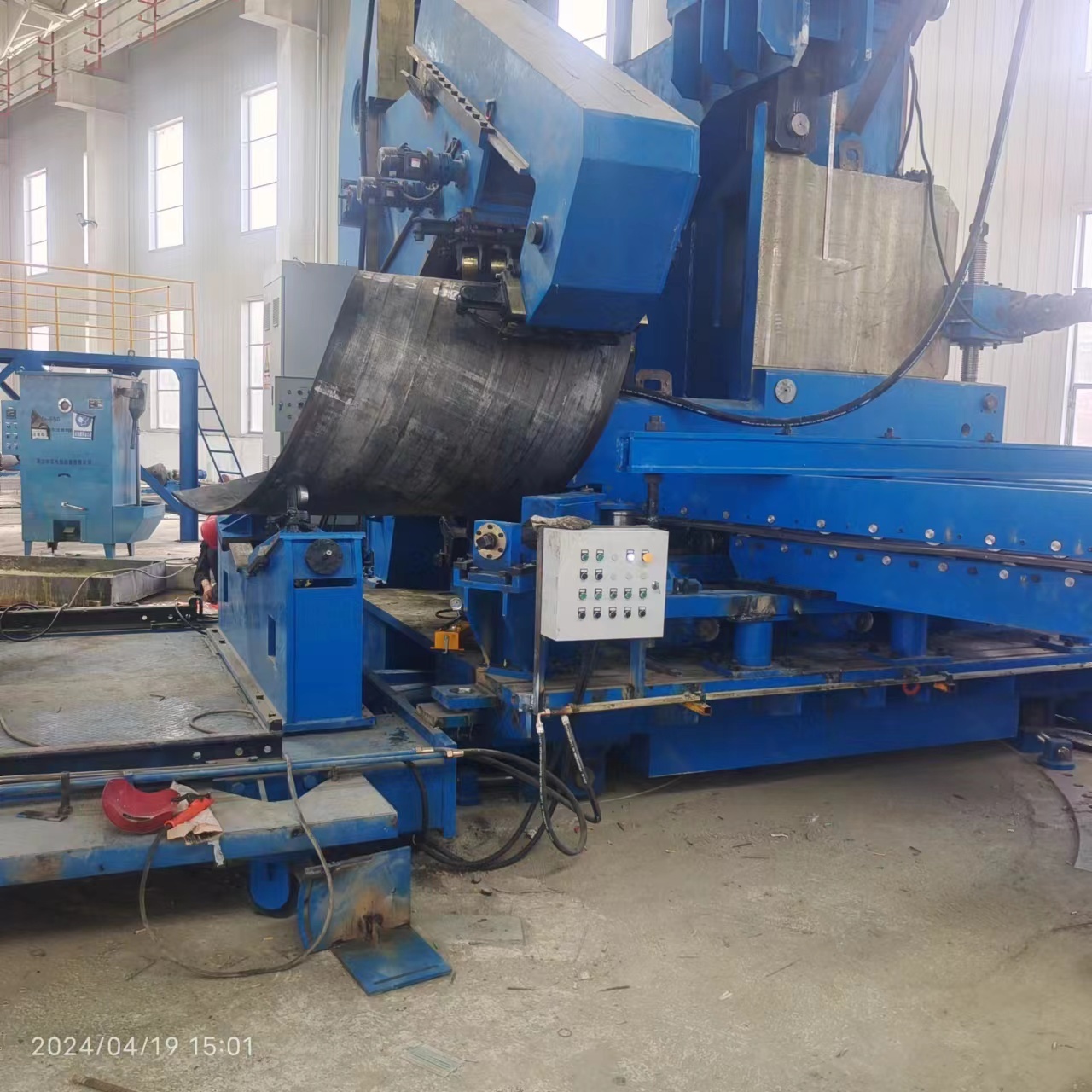
The manufacturing quality of the equipment is the foundation of its service life. During large-scale steel pipe production, forming, welding, conveying, and sizing processes all place considerable mechanical loads on the equipment. If the main structure lacks sufficient strength or the key components do not meet the required machining accuracy, problems such as structural deformation, loose connections, and component wear may occur after prolonged operation.
Therefore, manufacturers should pay close attention to the main equipment structure, key transmission components, welding quality, and assembly precision when selecting a production line. A well-designed structure can also distribute mechanical loads more effectively and reduce unnecessary vibration, allowing the production line to maintain stable performance under heavy-duty operating conditions.
Production Loads and Equipment Operating Methods
A Heavy Duty Pipe Production Line is designed for large-scale steel pipe manufacturing, but its load-bearing capacity does not mean it can operate continuously beyond its rated limits. During actual production, if pipe specifications, steel plate thickness, or production speed exceed the equipment's design range, additional pressure may be placed on motors, transmission systems, and forming mechanisms.
Frequent starts and stops, sudden shutdowns, and excessively long operating periods may also accelerate component wear.
To extend equipment service life, manufacturers should arrange production tasks according to the designed operating parameters and maintain reasonable production speeds and processing loads. Appropriate equipment settings should be selected for steel pipes with different diameters, wall thicknesses, and material types to prevent improper operation from affecting equipment performance.
Daily Maintenance and Component Management
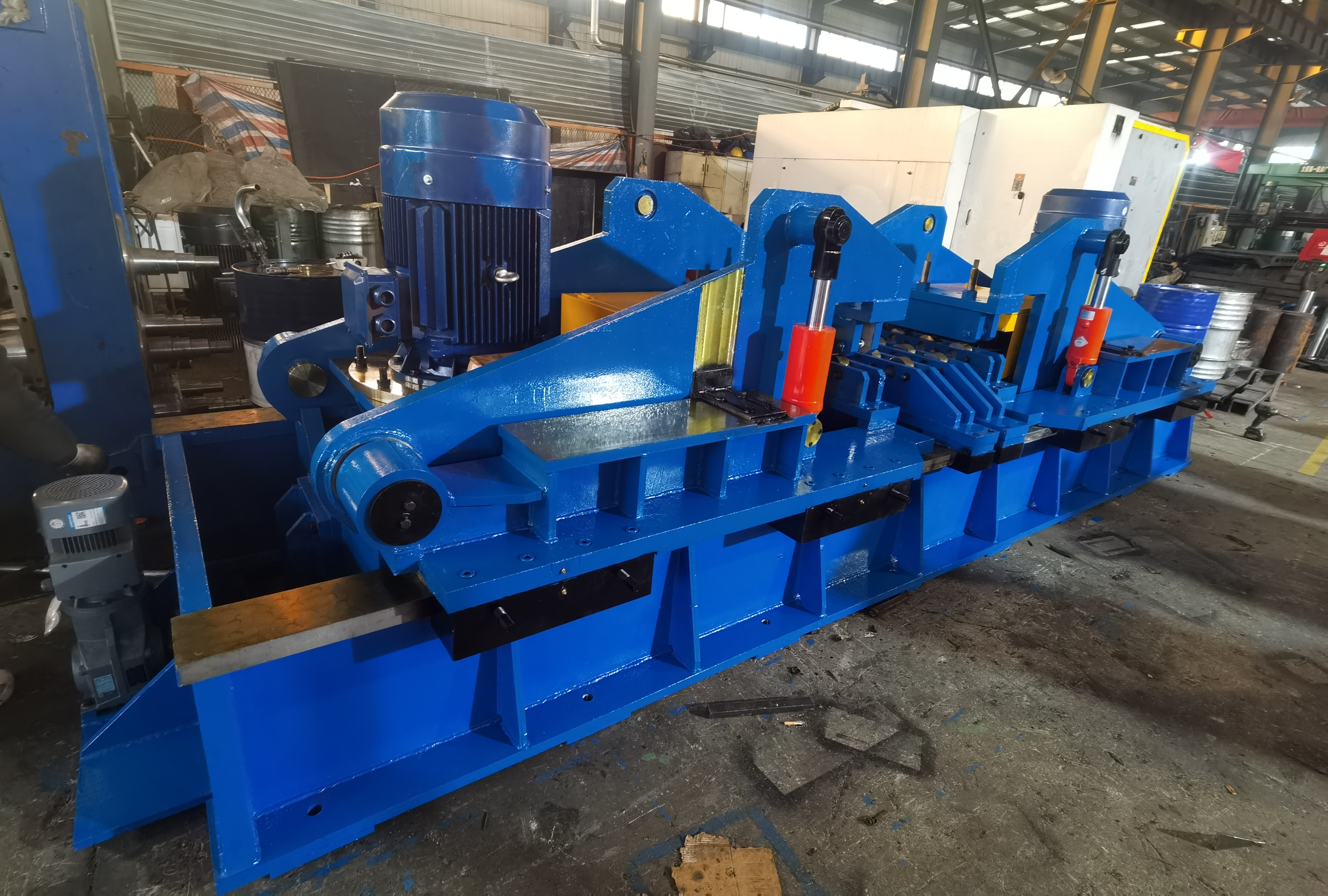
Daily maintenance is one of the most important measures for extending the service life of a Heavy Duty Pipe Production Line. A production line consists of various mechanical and electrical systems. During long-term operation, components such as bearings, gears, transmission mechanisms, and hydraulic elements may experience different degrees of wear.
Without regular inspections and maintenance, minor issues may gradually develop into more serious equipment problems.
Manufacturers should establish a standardized maintenance schedule covering lubrication systems, fastening connections, transmission components, and electrical circuits. Metal debris and dust should also be removed from equipment surfaces regularly. Components that have reached their recommended service intervals or show obvious signs of wear should be repaired or replaced promptly to minimize disruptions to the entire production line.
Professional Skills of Equipment Operators
The professional skills of equipment operators also have a direct impact on production line service life. A Heavy Duty Pipe Production Line involves multiple processing stages, and different machines must work together efficiently. If operators are unfamiliar with equipment performance, they may set incorrect operating parameters, follow improper operating procedures, or fail to respond promptly to abnormal conditions.
These problems can affect not only steel pipe quality but also increase equipment loads.
Therefore, manufacturers should provide systematic training to help operators understand equipment procedures, technical parameters, and safety requirements. It is also advisable to maintain detailed equipment operating records and monitor unusual vibration, temperature changes, noise, and fluctuations in production efficiency. This helps identify potential problems before they develop into major failures.
Production Environment and Auxiliary System Configuration
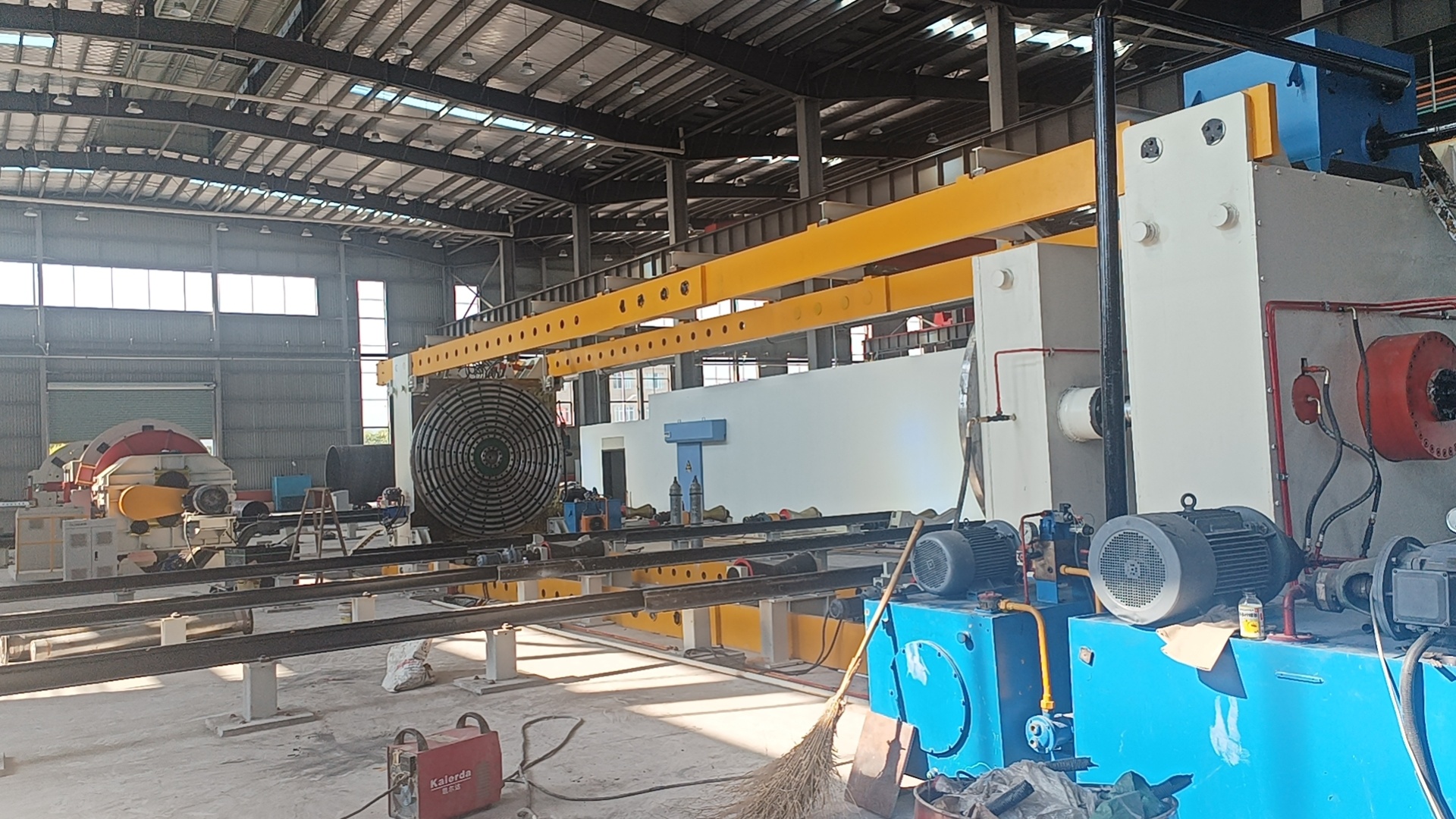
The production environment is another important factor affecting the service life of a Heavy Duty Pipe Production Line. Steel pipe manufacturing workshops often contain metal dust, welding fumes, high temperatures, and certain levels of mechanical vibration. If equipment operates for extended periods in an environment with poor cleanliness or significant temperature fluctuations, the stability of electrical components, lubrication systems, and precision parts may be affected.
In addition, auxiliary systems such as cooling systems, hydraulic systems, and electrical control systems play an important role in overall production line performance. Manufacturers should maintain proper workshop ventilation and cleanliness, ensure that auxiliary systems operate correctly, and regularly inspect relevant pipelines and connections according to equipment requirements.
Manufacturer Technical Support and After-Sales Service
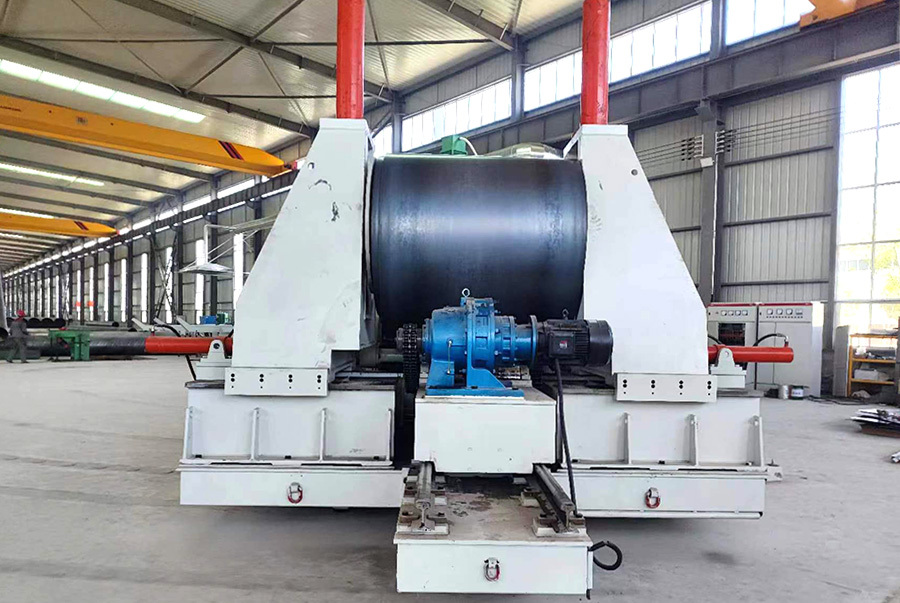
In addition to equipment quality and daily management, technical support from the manufacturer can also influence the long-term performance of a production line. Professional manufacturers can configure equipment according to customers' steel pipe specifications, production requirements, and site conditions. They can also provide installation, commissioning, operator training, and ongoing maintenance support.
For a Heavy Duty Pipe Production Line, timely technical guidance and spare parts supply can reduce equipment downtime after failures and help maintain stable production over the long term. Therefore, when purchasing equipment, manufacturers should look beyond the initial purchase price and evaluate the supplier's engineering capabilities, manufacturing experience, and after-sales service system.
Frequently Asked Questions (Q&A)
Q1: How many years can a Heavy Duty Pipe Production Line generally last?
The service life of a production line depends on manufacturing quality, production loads, maintenance frequency, and operating conditions. Different equipment configurations and working environments can result in significant differences, so the expected service life should be evaluated based on the specific equipment.
Q2: How can manufacturers effectively reduce production line failure rates?
Manufacturers should establish regular maintenance schedules, control processing loads within reasonable limits, provide professional operator training, and inspect key mechanical components and auxiliary systems regularly.
Q3: What should manufacturers consider when purchasing a production line?
In addition to processing capacity and production specifications, manufacturers should evaluate structural design, the quality of core components, automation configuration, the equipment manufacturer's experience, and after-sales service capabilities.
Key words:
All
- All
- Product Management
- News
- Introduction
- Enterprise outlets
- FAQ
- Enterprise Video
- Enterprise Atlas
Related News

What Preparations Should Be Made Before Purchasing an Industrial Steel Pipe Machine?
Learn what to consider before purchasing an Industrial Steel Pipe Machine, from equipment performance to manufacturer selection and costs.
2026-11-06
What Are the Key Factors Affecting the Service Life of a Heavy Duty Pipe Production Line?
Explore key factors affecting Heavy Duty Pipe Production Line service life, from equipment quality to daily maintenance.
2026-11-06

How to Evaluate a Manufacturer When Purchasing a Large Spiral Pipe Making Machine?
Learn how to evaluate a Large Spiral Pipe Making Machine manufacturer based on production capacity, technology, quality, and after-sales service.
2026-11-04


Service E-mail
Hotline:
Address
Taiyuan City, Shanxi Province
To inquire about our products, please leave your email to us and we will contact you within 24 hours.