




What Configuration Factors Affect the Efficiency of a Large Pipe Production Line?
16 Nov,2026
Huaye
Explore how Large Pipe Production Line configuration, automation, welding processes, and equipment maintenance affect steel pipe manufacturing efficiency.
With the development of oil and gas transportation, energy projects, urban infrastructure, and industrial pipeline construction, demand for large-diameter steel pipes continues to grow. For steel pipe manufacturers, production efficiency depends not only on equipment operating speed but also on overall equipment configuration, automation levels, coordination between production processes, and quality inspection capabilities. Properly planning a Large Pipe Production Line helps improve equipment utilization, optimize manufacturing workflows, and meet the production requirements of different pipe specifications.
Production Line Equipment Configuration and Processing Capacity
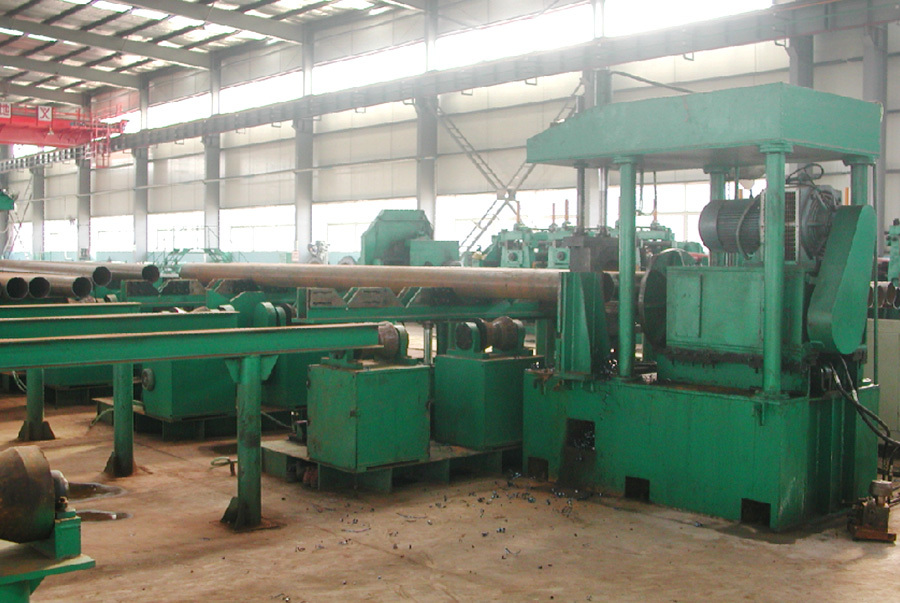
Equipment configuration is a fundamental factor affecting large steel pipe production efficiency. A complete Large Pipe Production Line generally includes an uncoiler, leveling machine, shearing and butt-welding equipment, edge milling machine, spiral forming machine, internal and external welding systems, cutting equipment, and relevant inspection machinery.
The processing capacities of different machines need to be properly matched. If upstream steel strip processing equipment operates faster than downstream forming or welding equipment, production bottlenecks may occur. Therefore, manufacturers should determine equipment specifications based on the target pipe diameter, wall thickness, raw material specifications, and planned production output. This helps ensure continuous and stable production line operation.

Level of Automation and Control
Automation directly affects production efficiency and operational stability. Modern Large Pipe Production Line systems generally use electrical control systems to coordinate key processes, including forming, welding, and cutting.
Automation can reduce the need for frequent manual adjustments, improve production parameter consistency, and minimize the impact of operational errors on product quality. For example, properly controlling steel strip feeding speed and forming parameters helps maintain stable pipe dimensions during the forming process.
For steel pipe factories that require long-term continuous production, selecting equipment with reliable control systems, user-friendly operating interfaces, and convenient maintenance features can improve overall production efficiency.
Forming and Welding Process Configuration
Forming and welding are critical stages in spiral welded pipe manufacturing. Their operating conditions directly affect production cycle times and product quality.
Forming equipment should be properly configured according to steel strip width, thickness, and target pipe diameter to ensure that the steel strip is shaped at the required angle with consistent stability. The welding system should also be selected according to material characteristics and specific production requirements.
Insufficient forming accuracy may increase subsequent adjustment work, while unstable welding parameters can cause weld quality problems and increase repair time. Therefore, when planning a Large Pipe Production Line, manufacturers should pay particular attention to the compatibility between forming equipment and welding systems.

Coordination Between Production Processes
Large steel pipe manufacturing involves multiple processing stages. Any interruption in one stage may affect the operating efficiency of the entire production line.
A well-organized equipment layout and efficient process coordination can reduce unnecessary transportation of steel strips, semi-finished products, and finished pipes between different production areas. For example, cutting equipment should maintain an appropriate production rhythm with the forming and welding processes. Downstream inspection equipment should also have sufficient processing capacity to match the actual production output.
In addition, manufacturers should properly organize raw material supply, steel coil replacement, finished pipe transportation, and equipment maintenance schedules to reduce non-production downtime.
Quality Inspection and Equipment Stability
Product quality inspection capabilities also influence production efficiency. Depending on product applications and customer requirements, large steel pipe manufacturers can configure ultrasonic testing equipment, X-ray inspection systems, dimensional measurement devices, and hydrostatic testing machines.
A comprehensive inspection system helps identify weld defects and dimensional deviations in time, reducing the possibility of defective products entering subsequent production stages.
Routine equipment maintenance is equally important. Regular inspections of mechanical transmission systems, hydraulic systems, electrical components, and welding equipment can help reduce unexpected failures and production downtime.
Choose a Professional Equipment Manufacturer Based on Production Requirements
In addition to equipment performance, the manufacturer's design capabilities, production experience, and technical support also affect the actual operating performance of a Large Pipe Production Line.
For companies planning to build or upgrade a large steel pipe production line, it is advisable to communicate with equipment manufacturers based on target pipe specifications, production capacity, and manufacturing requirements. Selecting suitable main equipment and auxiliary machinery helps improve coordination between production stages and provides support for long-term stable manufacturing operations.

Frequently Asked Questions (FAQ)
1. What are the main factors affecting the production efficiency of a Large Pipe Production Line?
The main factors include equipment processing capacity, automation level, forming and welding processes, production workflow coordination, quality inspection, and equipment maintenance.
2. Does a higher level of automation always mean better production efficiency?
Not necessarily. Automated equipment needs to match actual production requirements. Manufacturers should also consider system stability, ease of operation, and long-term maintenance costs.
3. How can manufacturers reduce downtime on a large pipe production line?
Manufacturers can reduce unplanned downtime by arranging production schedules properly, optimizing process coordination, performing regular equipment maintenance, and preparing spare parts and wearing components in advance.
Key words:
All
- All
- Product Management
- News
- Introduction
- Enterprise outlets
- FAQ
- Enterprise Video
- Enterprise Atlas
Related News
What Configuration Factors Affect the Efficiency of a Large Pipe Production Line?
Explore how Large Pipe Production Line configuration, automation, welding processes, and equipment maintenance affect steel pipe manufacturing efficiency.
2026-11-16

How to Plan an Industrial Spiral Pipe Production Line for a New Steel Pipe Factory?
Learn how to plan an Industrial Spiral Pipe Production Line, covering equipment selection, factory layout, automation, investment, and future expansion.
2026-11-16

What Are the Key Criteria for Choosing a 1420mm Spiral Pipe Mill Manufacturer?
Learn how to choose a 1420mm Spiral Pipe Mill manufacturer by evaluating equipment quality, technical expertise, production capacity, and after-sales support.
2026-11-11


Service E-mail
Hotline:
Address
Taiyuan City, Shanxi Province
To inquire about our products, please leave your email to us and we will contact you within 24 hours.