





How to Plan an Industrial Spiral Pipe Production Line for a New Steel Pipe Factory?
16 Nov,2026
Huaye
Learn how to plan an Industrial Spiral Pipe Production Line, covering equipment selection, factory layout, automation, investment, and future expansion.
With the growing demand for oil and gas transportation, urban infrastructure, and industrial pipeline projects, the market for spiral welded pipes continues to expand. For businesses planning to establish a new steel pipe factory, properly planning an Industrial Spiral Pipe Production Line is an important part of project development. Equipment configuration, factory layout, production capacity, and room for future expansion all influence manufacturing efficiency and long-term operating costs.
Define Steel Pipe Products and Production Requirements
Before planning the production line, manufacturers should identify their target products and primary markets. Different applications have different requirements for pipe diameter, wall thickness, length, and welding quality. For example, pipelines used in oil and gas transportation generally require high dimensional accuracy, reliable weld quality, and consistent product performance. Some infrastructure projects place greater emphasis on production efficiency and the ability to manufacture different pipe specifications.
Manufacturers should determine the required pipe diameter range, wall thickness range, raw material specifications, and annual production capacity based on market demand. Defining these requirements helps determine the appropriate equipment models and configuration for an Industrial Spiral Pipe Production Line, reducing the risk of selecting machinery that does not match actual production needs.
Select the Right Production Line Equipment Configuration
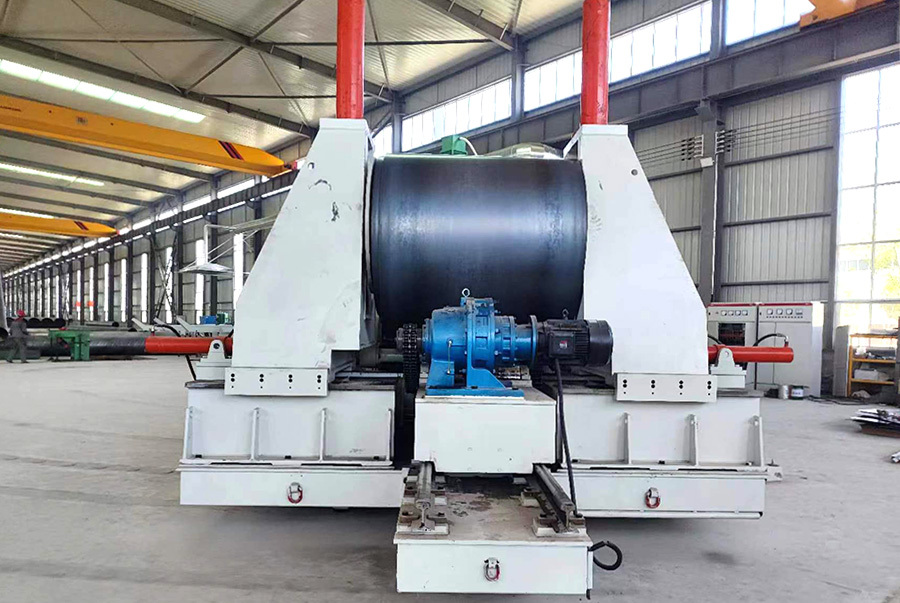
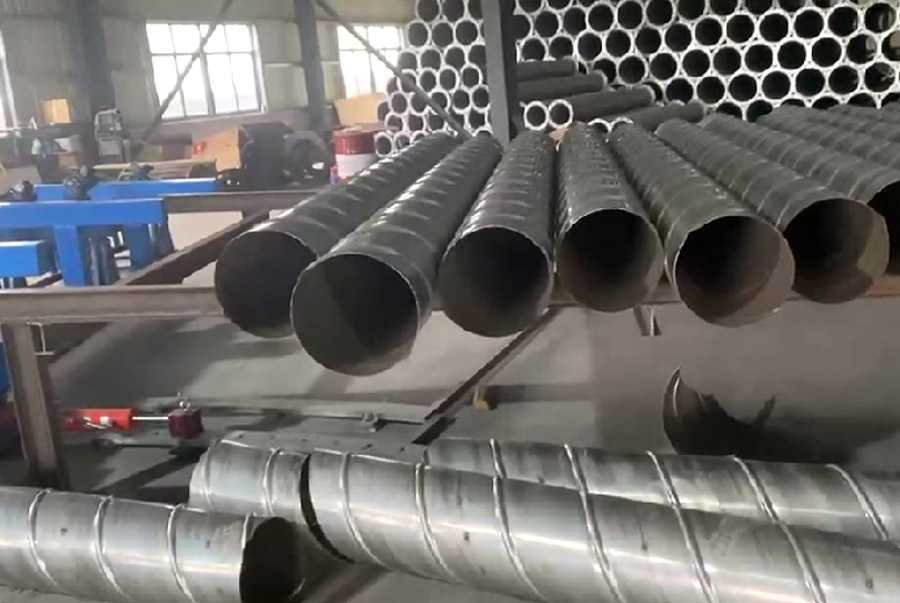
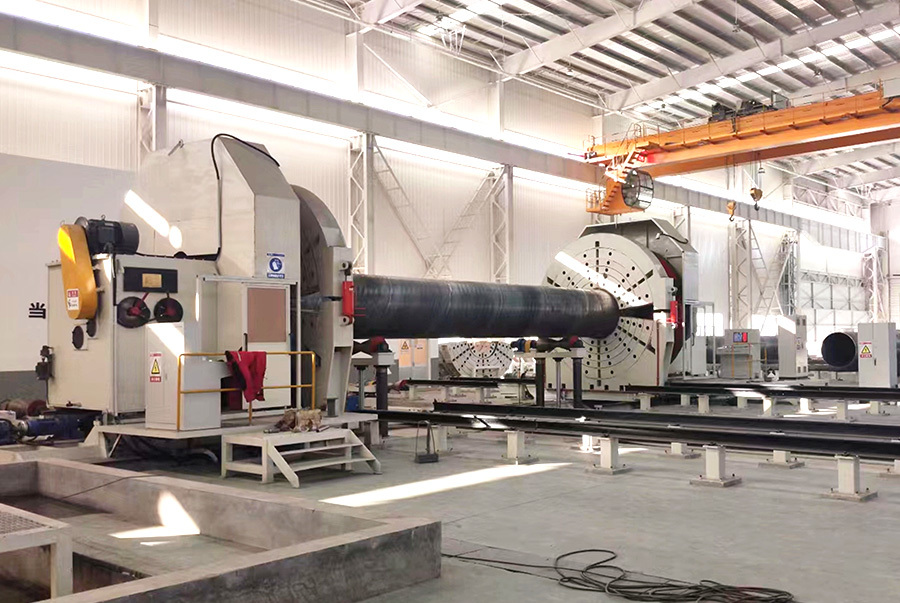
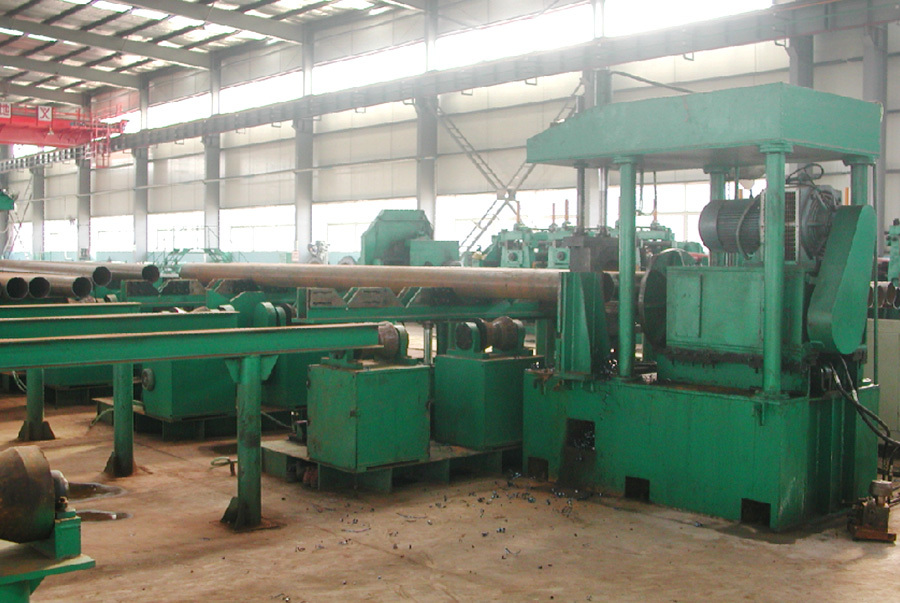
A complete Industrial Spiral Pipe Production Line generally consists of uncoiling equipment, leveling machines, shearing and butt-welding equipment, edge milling machines, forming machines, internal and external welding systems, sizing equipment, cutting machines, and inspection equipment.
Each machine performs a specific function, and all production stages need to work together efficiently. For example, the uncoiling and leveling equipment processes the steel coil, while the forming system shapes the steel strip into a spiral pipe. Internal and external welding systems complete the welding process, followed by cutting and inspection equipment for finished pipe processing and quality control.
When purchasing equipment, manufacturers should pay close attention to processing capacity, automation levels, operating stability, and the ability to switch between different pipe specifications. Future product upgrades should also be considered, allowing sufficient flexibility for subsequent production line modifications.

Plan the Factory Layout and Production Workflow
Factory layout directly affects production efficiency. When planning an Industrial Spiral Pipe Production Line, manufacturers should consider equipment dimensions, steel coil storage areas, raw material transportation routes, and finished product storage space.
Steel coils are generally heavy and bulky, so the raw material storage area must be properly arranged. Cranes and material handling equipment should also meet daily transportation requirements. Production equipment should be positioned according to the manufacturing process to minimize unnecessary movement of steel strips and semi-finished products between different production stages.
In addition, sufficient space should be reserved for equipment maintenance, electrical control systems, spare parts storage, and finished pipe inspection. A well-organized factory layout can improve production management while helping reduce equipment maintenance and material handling costs.

Focus on Automation and Product Quality Inspection
Modern Industrial Spiral Pipe Production Line systems increasingly incorporate automation technologies. With properly configured electrical control systems, production parameter monitoring, and automatic welding equipment, manufacturers can improve process stability and reduce errors caused by manual operations.
Product quality inspection is another essential consideration when establishing a steel pipe factory. Depending on the intended applications and customer requirements, manufacturers can configure ultrasonic testing, X-ray inspection, dimensional measurement, and hydrostatic testing equipment.
By inspecting pipe dimensions, weld quality, and pressure resistance, manufacturers can identify potential production problems and reduce the risk of defective products. Comprehensive quality inspection capabilities are particularly important for steel pipe manufacturers serving large-scale energy and industrial projects.
Consider Investment Budgets and Future Production Expansion
Establishing a new steel pipe factory involves more than purchasing production equipment. Manufacturers should also evaluate factory construction, infrastructure, equipment installation and commissioning, employee training, and long-term maintenance costs.
When preparing an investment budget, companies should select an equipment configuration based on their target production capacity rather than simply pursuing the largest number of machines or the highest processing capacity. Businesses with relatively limited initial orders can start with a production line that meets current requirements while reserving sufficient space and infrastructure for future equipment additions and capacity expansion.
In addition, technical support, spare parts availability, and after-sales service from equipment suppliers are important factors in purchasing decisions. Working with an Industrial Spiral Pipe Production Line manufacturer with experience in complete production line design and manufacturing can help reduce coordination costs during project implementation.

Choose an Equipment Manufacturer with Complete Production Line Capabilities
For a newly established steel pipe factory, an equipment supplier should offer more than individual machines. Ideally, the manufacturer should have the capabilities to provide overall production line planning, equipment manufacturing, installation guidance, and commissioning support.
When planning an Industrial Spiral Pipe Production Line, manufacturers can communicate with equipment suppliers based on their target pipe specifications, manufacturing processes, and factory conditions. Confirming equipment parameters and production stage coordination in advance helps establish a solid foundation for factory construction and future operations.
Frequently Asked Questions (FAQ)
1. What main equipment is required for a new steel pipe factory?
A typical production line requires an uncoiler, leveling machine, shearing and butt-welding equipment, edge milling machine, spiral forming machine, internal and external welding systems, cutting equipment, and relevant inspection machinery.
2. Can an Industrial Spiral Pipe Production Line manufacture steel pipes with different diameters?
Yes. The available pipe diameter range depends on the production line design, forming capacity, and equipment configuration. Buyers should confirm their target pipe diameter and wall thickness requirements before purchasing.
3. Why should future production expansion be considered when planning a production line?
Reserving space for additional equipment, factory infrastructure, and supporting facilities can reduce modification costs during future expansion and improve the factory's long-term operational flexibility.
Key words:
All
- All
- Product Management
- News
- Introduction
- Enterprise outlets
- FAQ
- Enterprise Video
- Enterprise Atlas
Related News

What Configuration Factors Affect the Efficiency of a Large Pipe Production Line?
Explore how Large Pipe Production Line configuration, automation, welding processes, and equipment maintenance affect steel pipe manufacturing efficiency.
2026-11-16
How to Plan an Industrial Spiral Pipe Production Line for a New Steel Pipe Factory?
Learn how to plan an Industrial Spiral Pipe Production Line, covering equipment selection, factory layout, automation, investment, and future expansion.
2026-11-16

What Are the Key Criteria for Choosing a 1420mm Spiral Pipe Mill Manufacturer?
Learn how to choose a 1420mm Spiral Pipe Mill manufacturer by evaluating equipment quality, technical expertise, production capacity, and after-sales support.
2026-11-11


Service E-mail
Hotline:
Address
Taiyuan City, Shanxi Province
To inquire about our products, please leave your email to us and we will contact you within 24 hours.