





How 1020mm spiral welded pipe production line Reduces Material Waste During Production
22 Oct,2026
Huaye
Learn how a 1020mm spiral welded pipe production line reduces material waste through optimized forming, welding, cutting, and quality control.
In spiral welded pipe manufacturing, raw material utilization directly affects production costs, product quality, and overall manufacturing management. For steel pipe manufacturers using a 1020mm spiral welded pipe production line, material waste can occur at multiple stages, including steel strip uncoiling, edge preparation, spiral forming, welding, cutting to length, and the handling of defective products. Without effective process control, these issues can increase steel consumption, rework, downtime, and reduce production efficiency. Therefore, manufacturers need to optimize equipment configuration, process parameters, production planning, and quality management to improve raw material utilization while maintaining product quality.
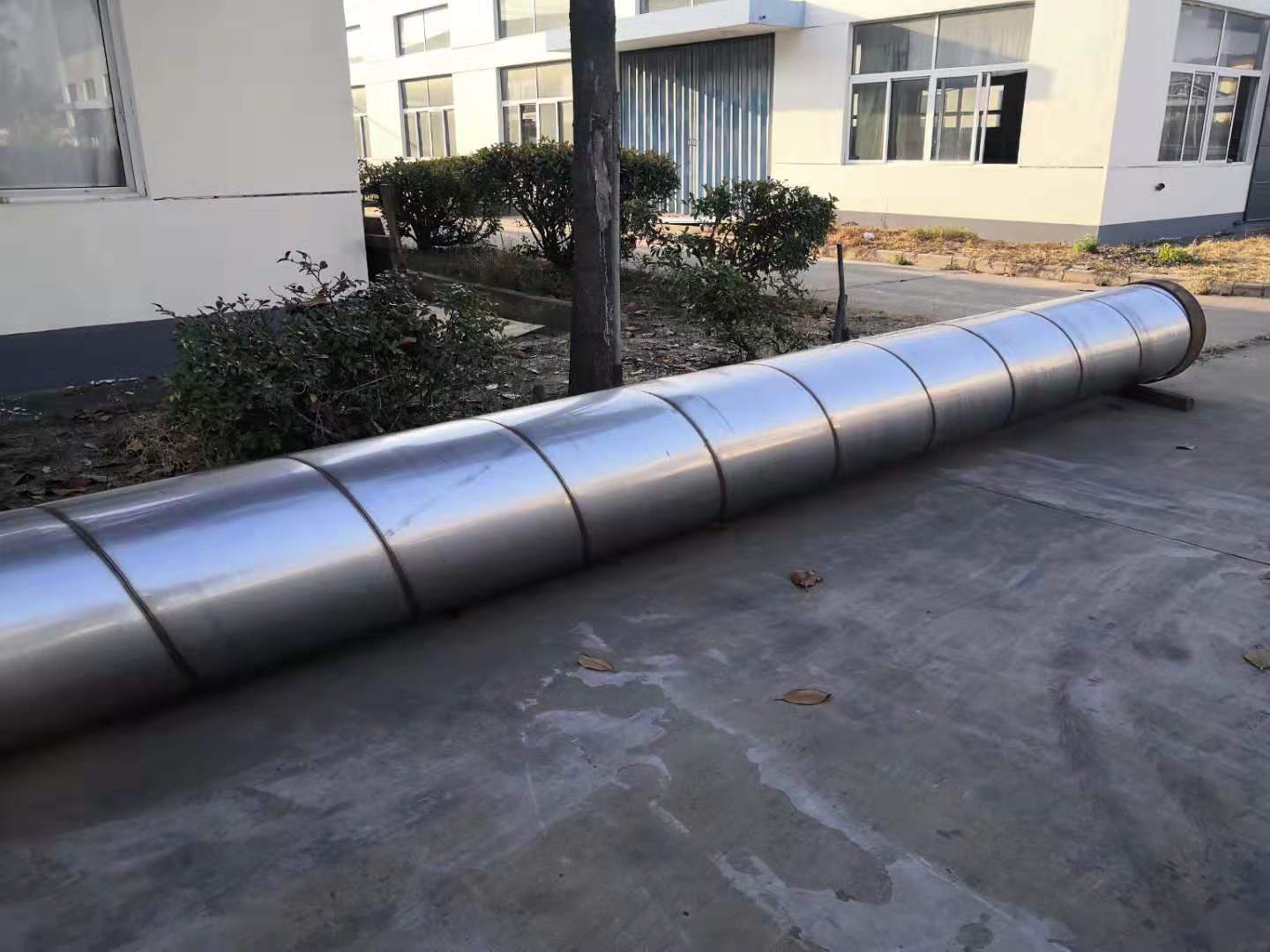
Optimize Steel Strip Preparation and Raw Material Management
Steel strip is the primary raw material used in spiral welded pipe production. Its dimensional accuracy, edge condition, and surface quality directly affect subsequent processing. When operating a **1020mm spiral welded pipe production line**, deviations in strip width, edge defects, surface damage, or local deformation may cause unstable forming, increase material trimming requirements, or even make entire sections of steel strip unsuitable for use.
To reduce such waste, manufacturers should conduct necessary quality inspections before steel strips enter the production line. Key inspection items include strip width, thickness, edge condition, and surface quality. When defects are identified, manufacturers should assess their severity and determine whether the material can still be used, preventing unsuitable raw materials from entering subsequent processes.
At the same time, manufacturers should strengthen steel coil storage and material allocation management. Steel coils should be protected against impacts, moisture, and other conditions that could damage the material during transportation and storage. During production, raw materials can be classified according to order specifications, steel grades, and strip widths. Prioritizing materials that match current production requirements helps reduce additional waste caused by specification mismatches.
Control Forming Processes and Equipment Parameters
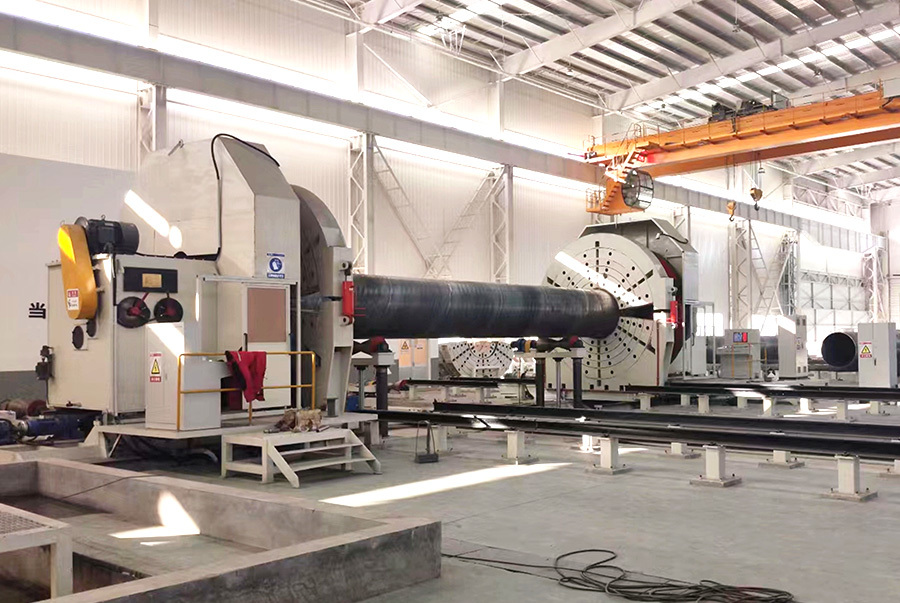
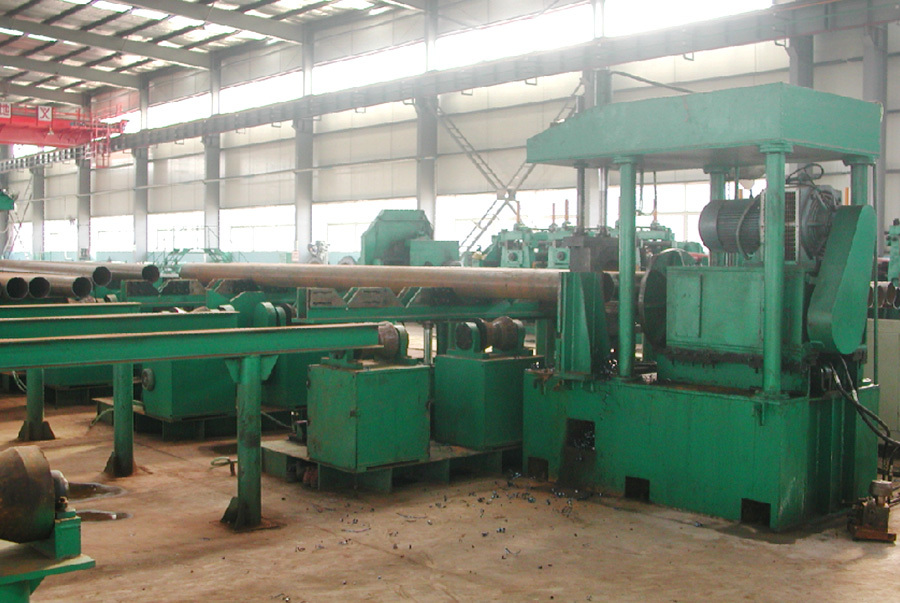
Spiral welded pipes are produced by continuously forming steel strips into a tubular shape. Forming angles, roll positions, guiding mechanisms, and equipment operating conditions all affect material utilization. Improper equipment settings may cause dimensional deviations, edge misalignment, or unstable forming, resulting in rework or material rejection.
In actual production, a 1020mm spiral welded pipe production line should be adjusted according to the target pipe specifications, steel strip width, material thickness, and process requirements. Before starting production, operators should verify the positioning of relevant mechanisms and conduct trial runs to check the strip's travel path and forming results. Continuous production should begin only after the forming condition meets the required standards.
In addition, manufacturers should avoid frequent equipment parameter adjustments without a clear technical basis. After each adjustment, operators should inspect pipe roundness, dimensional deviations, and edge alignment while recording the relevant parameters. By accumulating production data for different pipe specifications, manufacturers can establish standardized parameter settings and reduce steel strip waste during repeated commissioning.
Regular inspections of forming rolls, guiding devices, and related transmission components are equally important. Equipment wear or positioning deviations may cause persistent fluctuations in forming quality. Timely maintenance helps reduce the risk of material waste.
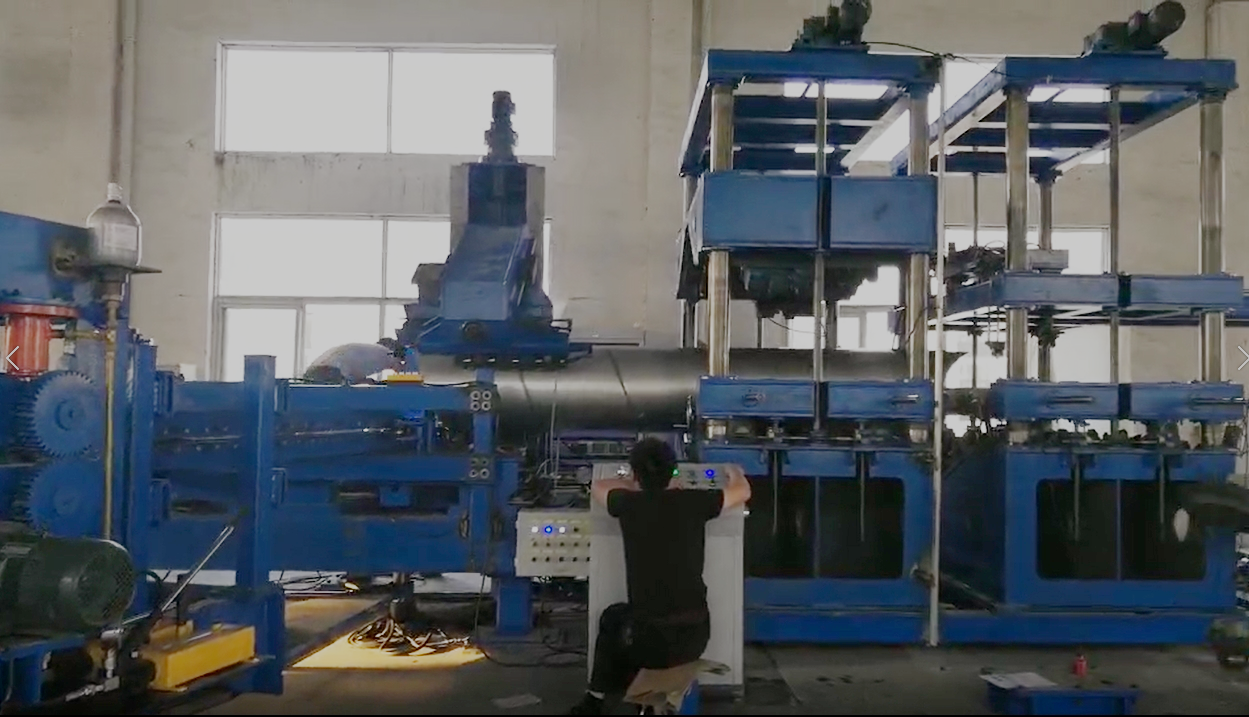
Optimize Welding and Cutting-to-Length Processes
Welding and cutting are important stages that affect material utilization. Unstable welding quality may cause weld defects and require pipe repairs. If defects cannot be corrected, entire pipe sections may need to be rejected. During cutting to length, inaccurate length control or inefficient cutting plans can also increase end remnants and unusable short sections.
To reduce material losses caused by welding, manufacturers should set welding parameters according to the steel grade, wall thickness, and welding process requirements. Welding conditions should be monitored continuously, and records should be maintained for weld formation, process stability, and relevant inspection results. Identifying parameter abnormalities promptly helps prevent defects from spreading to additional production sections.
During cutting, the 1020mm spiral welded pipe production line should use appropriate pipe length settings and cutting positions according to order requirements. This helps ensure that finished pipes meet specified dimensional requirements. When end remnants occur during continuous production, manufacturers should investigate their causes and review length control, cutting positioning, and process coordination.
Manufacturers can also optimize order scheduling to reduce commissioning losses caused by frequent changes between product specifications. Remaining steel materials that meet applicable requirements should be classified according to their dimensions and quality condition, and their potential for reuse in subsequent production should be evaluated. Scrap that cannot be reused for pipe manufacturing should be handled through the company's established recycling procedures.
Reduce Overall Material Losses Through Production Management and Quality Control
Reducing material waste requires more than equipment optimization; it also depends on effective production management. Manufacturers should record steel strip input, qualified pipe output, rework quantities, scrap weight, and equipment downtime associated with the 1020mm spiral welded pipe production line. Analyzing these data helps identify production stages with relatively high material losses.
For example, if the material utilization rate of a particular production batch is significantly lower than normal, manufacturers can investigate raw material quality, forming parameters, welding conditions, and cutting remnants to identify the actual causes rather than simply attributing the losses to equipment operation.
Production planning also affects material utilization. Manufacturers should arrange production sequences according to pipe specifications, material grades, and delivery schedules whenever possible, reducing unnecessary changeovers and trial production. For products manufactured repeatedly, historical production data can be used to optimize process plans and reduce material consumption during commissioning.
Furthermore, operator training should be strengthened to ensure that personnel understand equipment operating procedures, process parameter requirements, and abnormal condition handling. Clear responsibilities, regular inspections, and quality feedback mechanisms can reduce steel strip damage, welding defects, and cutting errors caused by improper operation.
Manufacturers should also evaluate material utilization rates and scrap generation regularly and establish improvement targets based on actual production data. By continuously optimizing equipment, processes, and management procedures, companies can gradually reduce overall material losses and achieve more stable and efficient production.

Frequently Asked Questions (FAQ)
Q1: Which stages of a 1020mm spiral welded pipe production line are most likely to generate material waste?
The main stages include steel strip preparation, spiral forming, welding, cutting to length, and defective product handling. Poor raw material quality, inappropriate equipment parameters, welding defects, and inaccurate cutting length control can all increase material losses.
Q2: How can steel strip waste during spiral forming be reduced?
Manufacturers should inspect steel strip dimensions and edge quality before production, set forming parameters according to the target pipe specifications, and check the operating condition of guiding devices and forming rolls. Trial runs, parameter records, and regular maintenance help reduce material waste caused by forming deviations.
Q3: How does welding quality affect material utilization?
Unstable welding quality can lead to pipe repairs or rejected products, increasing material consumption. Appropriate welding parameters, continuous process monitoring, and necessary quality inspections help reduce defective products and improve the output of qualified pipes.
Q4: How can manufacturers determine whether material utilization on a 1020mm spiral welded pipe production line is reasonable?
Manufacturers can analyze steel strip input, qualified pipe output, cutting remnants, scrap weight, and rework quantities. These indicators should be compared with historical production data, product specifications, and process requirements. Continuous recording and analysis help identify material loss issues more accurately.
Key words:
All
- All
- Product Management
- News
- Introduction
- Enterprise outlets
- FAQ
- Enterprise Video
- Enterprise Atlas
Related News
How 1020mm spiral welded pipe production line Reduces Material Waste During Production
Learn how a 1020mm spiral welded pipe production line reduces material waste through optimized forming, welding, cutting, and quality control.
2026-10-22

Application Advantages of 1420mm spiral welded pipe equipment in the Pipe Manufacturing Industry
Learn how 1420mm spiral welded pipe equipment improves pipe quality, production efficiency, forming accuracy, and manufacturing flexibility for large-diameter steel pipes.
2026-10-22

What Configurations Should You Focus on When Choosing a Spiral Welded Pipe Making Machine?
Explore key configurations of a Spiral Welded Pipe Making Machine, including forming systems, welding technology, automation, and quality control for efficient production.
2026-10-21


Service E-mail
Hotline:
Address
Taiyuan City, Shanxi Province
To inquire about our products, please leave your email to us and we will contact you within 24 hours.