





How to Enhance Your Skills with SSAW Pipe Machines: A Comprehensive Guide
08 Jul,2026
How to Enhance Your Skills with SSAW Pipe Machines
In the evolving landscape of the automotive and welding industry, staying ahead of the curve is crucial. By enhancing your skills with SSAW (Spiral Submerged Arc Welding) pipe machines, you can improve your productivity, quality of work, and overall expertise. In this article, we will explore various strategies and techniques to master SSAW pipe m
How to Enhance Your Skills with SSAW Pipe Machines
In the evolving landscape of the automotive and welding industry, staying ahead of the curve is crucial. By enhancing your skills with SSAW (Spiral Submerged Arc Welding) pipe machines, you can improve your productivity, quality of work, and overall expertise. In this article, we will explore various strategies and techniques to master SSAW pipe machines effectively. Let’s dive in!
Table of Contents
- 1. Understanding SSAW Pipe Machines
- 2. Key Components of SSAW Pipe Machines
- 3. Benefits of SSAW Technology in Welding
- 4. Techniques to Enhance Your Skills with SSAW Pipe Machines
- 5. Essential Safety Practices When Operating SSAW Machines
- 6. Troubleshooting Common Issues with SSAW Pipe Machines
- 7. Training Resources and Certification Programs
- 8. The Future of SSAW Pipe Technology and Skills Development
- 9. Conclusion
- 10. Frequently Asked Questions
1. Understanding SSAW Pipe Machines
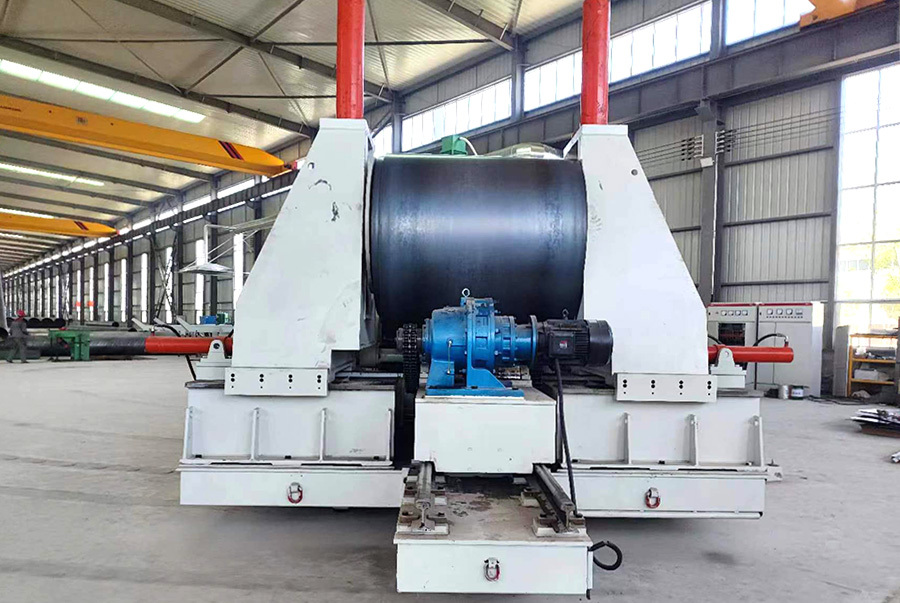
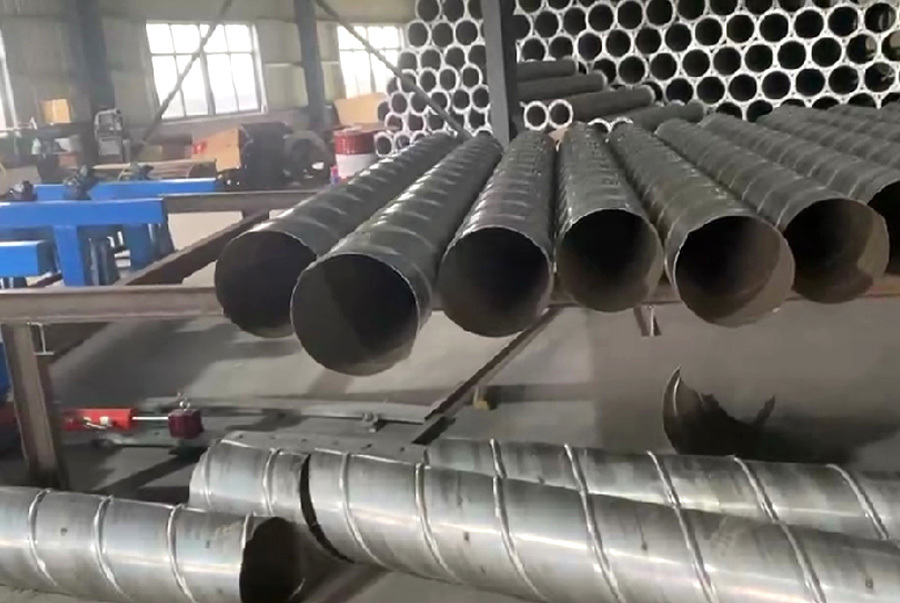
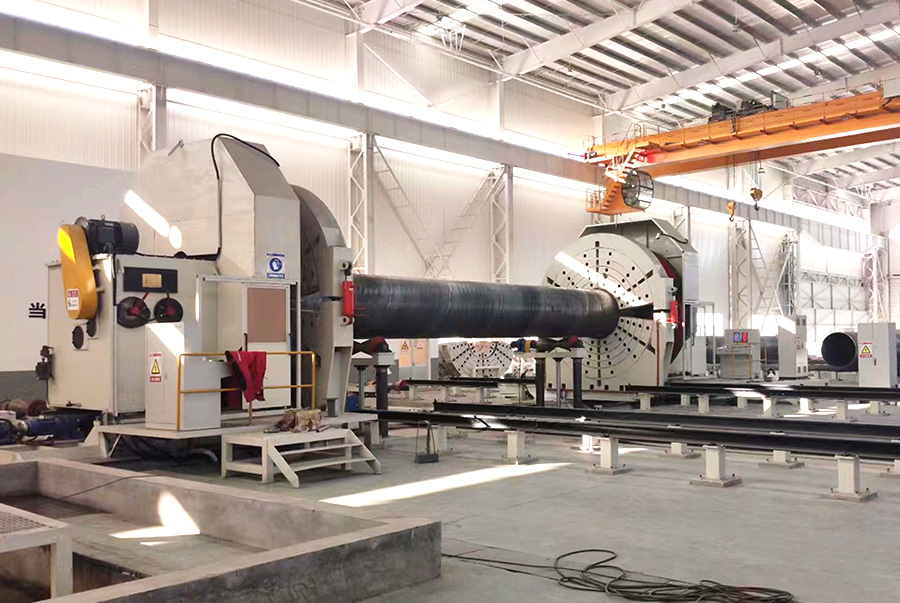
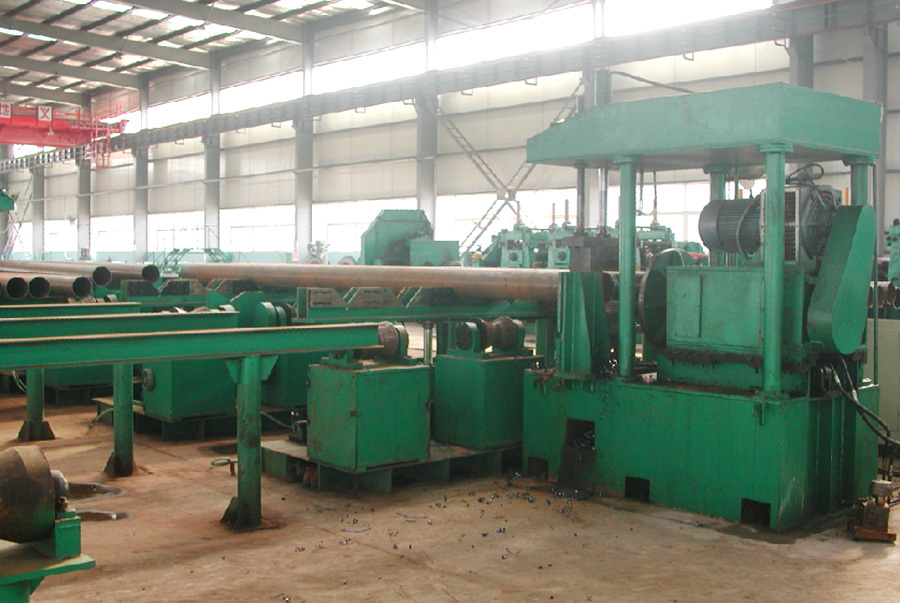
SSAW pipe machines are specialized tools designed for producing large-diameter pipes. These machines utilize the submerged arc welding technique, where the welding arc is submerged under a granular flux, providing both protection and a clean environment for welding. This method results in robust and high-quality welds suitable for various applications, including oil and gas pipelines, construction projects, and more.
1.1 The Working Principle of SSAW Pipe Machines
The SSAW process involves the spiral formation of steel strips into cylindrical shapes, which are then welded together. The machine feeds the strip material through forming rolls, where it is shaped into a pipe. The welding head then applies a molten weld bead along the seam, ensuring that the joint is secure and durable.
1.2 Applications of SSAW Pipes
SSAW pipes are widely utilized in different industries. Their strength and flexibility make them ideal for:
- Oil and gas transportation
- Water supply systems
- Structural applications in buildings and bridges
- Marine applications
2. Key Components of SSAW Pipe Machines
Understanding the components of SSAW pipe machines is vital for enhancing your skills. Familiarity with each part will enable you to troubleshoot issues effectively and optimize machine performance.
2.1 Forming Rolls
The forming rolls shape the flat steel strip into a pipe. The design of these rolls is critical, as they determine the final diameter and wall thickness of the pipe.
2.2 Welding Torch
The welding torch is responsible for melting the edges of the pipe. It is essential to maintain the correct angle and distance from the workpiece to ensure a strong weld.
2.3 Flux Delivery System
This system feeds flux into the welding area, protecting the weld pool from contamination and ensuring high-quality welds. Understanding how to adjust the flux feed is crucial for maintaining weld integrity.
3. Benefits of SSAW Technology in Welding
The advantages of using SSAW technology extend beyond just the production of pipes. Here are some key benefits:
3.1 Cost-Effectiveness
SSAW pipes are generally more cost-effective than other pipe manufacturing methods. The ability to create larger diameters with relatively low material waste translates to significant savings.
3.2 High Strength-to-Weight Ratio
SSAW pipes possess a high strength-to-weight ratio, making them suitable for challenging applications where both strength and weight are critical factors.
3.3 Improved Weld Quality
The submerged arc welding process produces cleaner and stronger welds compared to other techniques. This quality leads to enhanced longevity and reliability in various applications.
4. Techniques to Enhance Your Skills with SSAW Pipe Machines
Improving your proficiency with SSAW pipe machines requires a combination of practice, knowledge, and ongoing education. Here are some effective techniques to enhance your skills:
4.1 Hands-On Practice
Nothing beats practical experience. Spend time operating SSAW pipe machines under different conditions to familiarize yourself with their operation and response.
4.2 Continuous Learning
Stay updated with the latest advancements in SSAW technology and welding techniques. Online courses, workshops, and industry conferences are excellent resources for expanding your knowledge.
4.3 Networking with Professionals
Engaging with other professionals in the field can provide insights and tips that can enhance your skills. Join industry forums, social media groups, and local trade organizations to connect with peers.
4.4 Utilizing Simulation Software
Simulation software can help you practice and understand the welding process without the need for physical materials. This method allows for experimentation and learning without risk.
4.5 Seeking Mentorship
Finding a mentor who has extensive experience with SSAW pipe machines can accelerate your learning. A mentor can provide guidance, insights, and valuable feedback on your techniques.
5. Essential Safety Practices When Operating SSAW Machines
Safety should always be a priority when operating heavy machinery. Here are essential safety practices for SSAW pipe machines:
5.1 Personal Protective Equipment (PPE)
Always wear appropriate PPE, including helmets, gloves, protective eyewear, and flame-resistant clothing to safeguard against potential hazards.
5.2 Machine Maintenance
Regularly inspect and maintain your SSAW pipe machines to ensure they are in proper working condition. This practice helps prevent accidents and prolongs the machine's lifespan.
5.3 Training and Certification
Ensure that all operators are trained and certified to use SSAW pipe machines. Proper training reduces the risk of errors and accidents during operation.
5.4 Emergency Preparedness
Have emergency procedures in place, including knowledge of first aid and access to fire extinguishers. Being prepared can save lives and minimize damage in case of an incident.
6. Troubleshooting Common Issues with SSAW Pipe Machines
Even the most experienced operators encounter challenges. Familiarizing yourself with common issues can help you resolve them quickly:
6.1 Inconsistent Weld Quality
Inconsistent weld quality may result from improper machine settings or contaminated materials. Regularly check settings and ensure that materials are clean before use.
6.2 Machine Overheating
If your SSAW machine overheats, check for blockages in the cooling system or excessive strain on the machine. Address the issue immediately to prevent significant damage.
6.3 Material Misalignment
Material misalignment during the welding process can lead to defects. Ensure that the materials are properly aligned before commencing welding to avoid this issue.
7. Training Resources and Certification Programs
Investing in your education is vital for skill enhancement. Here are some valuable resources:
7.1 Online Courses
Several platforms offer online courses focusing on SSAW technology and pipe welding techniques. Consider enrolling to enrich your knowledge base.
7.2 Certifications
Obtaining certifications in welding and machine operation can enhance your credibility and employability. Research recognized certification programs in your area.
7.3 Workshops and Seminars
Participating in hands-on workshops and seminars can provide practical experience and exposure to advanced techniques in SSAW pipe manufacturing.
8. The Future of SSAW Pipe Technology and Skills Development
The future of SSAW pipe technology is bright, with ongoing advancements in materials and processes. As the industry evolves, continuous skills development will be crucial for staying relevant. Here are some trends to watch:
8.1 Automation and Robotics
The integration of automation and robotics in SSAW pipe manufacturing will streamline operations and enhance precision. Familiarizing yourself with these technologies will be essential.
8.2 Sustainable Practices
As sustainability becomes a priority, techniques that reduce waste and improve energy efficiency will gain traction. Staying informed about eco-friendly practices will be beneficial.
8.3 Advanced Training Programs
Future training programs will likely incorporate virtual reality and augmented reality to enhance learning experiences. Embrace these innovations to improve your skills effectively.
9. Conclusion
Enhancing your skills with SSAW pipe machines is an ongoing journey that requires dedication, practice, and a commitment to learning. By employing the techniques and insights discussed in this guide, you can elevate your expertise and excel in the automotive and welding industry. Remember, staying informed about new developments and continuously honing your skills will keep you ahead in this competitive field. Embrace the challenges, seek knowledge, and watch your capabilities with SSAW pipe machines flourish.
10. Frequently Asked Questions
10.1 What is the advantage of SSAW over other welding methods?
SSAW provides a cleaner and stronger weld, making it suitable for high-demand applications while being more cost-effective than other methods.
10.2 How can I improve my welding speed with SSAW machines?
Improving welding speed can be achieved through optimizing machine settings, ensuring proper alignment, and maintaining consistent practice.
10.3 What safety measures should I take when operating SSAW machines?
Always wear appropriate PPE, perform regular machine maintenance, and ensure proper training for all operators to ensure a safe working environment.
10.4 Are there certifications available specifically for SSAW technology?
Yes, many organizations offer certification programs focusing on welding techniques, including SSAW technology. Research relevant certifications in your area.
10.5 How can networking help enhance my skills in working with SSAW pipe machines?
Networking allows you to engage with industry professionals, share knowledge, gain insights, and discover best practices that can enhance your skills.
Key words:
All
- All
- Product Management
- News
- Introduction
- Enterprise outlets
- FAQ
- Enterprise Video
- Enterprise Atlas
Related News

How to Enhance Your Skills with SSAW Pipe Machines: A Comprehensive Guide
How to Enhance Your Skills with SSAW Pipe Machines
In the evolving landscape of the automotive and welding industry, staying ahead of the curve is crucial. By enhancing your skills with SSAW (Spiral Submerged Arc Welding) pipe machines, you can improve your productivity, quality of work, and overall expertise. In this article, we will explore various strategies and techniques to master SSAW pipe m
2026-07-08

Spiral pipe machine enables efficient manufacturing of spiral welded steel pipes with accurate forming stable welding performance and automated operation suitable for industrial pipeline production lines
2026-07-08

Advanced Spiral Pipe Mill Technology Driving Efficiency and Quality in Modern Pipeline Manufacturing
Spiral pipe mill delivers high efficiency production of spiral welded steel pipes with precise forming stable welding and automated control designed for oil gas water and structural pipeline systems
2026-07-06


Service E-mail
Service TEL
Hotline:
Address
Taiyuan City, Shanxi Province
To inquire about our products, please leave your email to us and we will contact you within 24 hours.