





Spiral Pipe Machine Demand Rises as Global Infrastructure Projects Accelerate Steel Pipe Production Capacity
08 Jul,2026
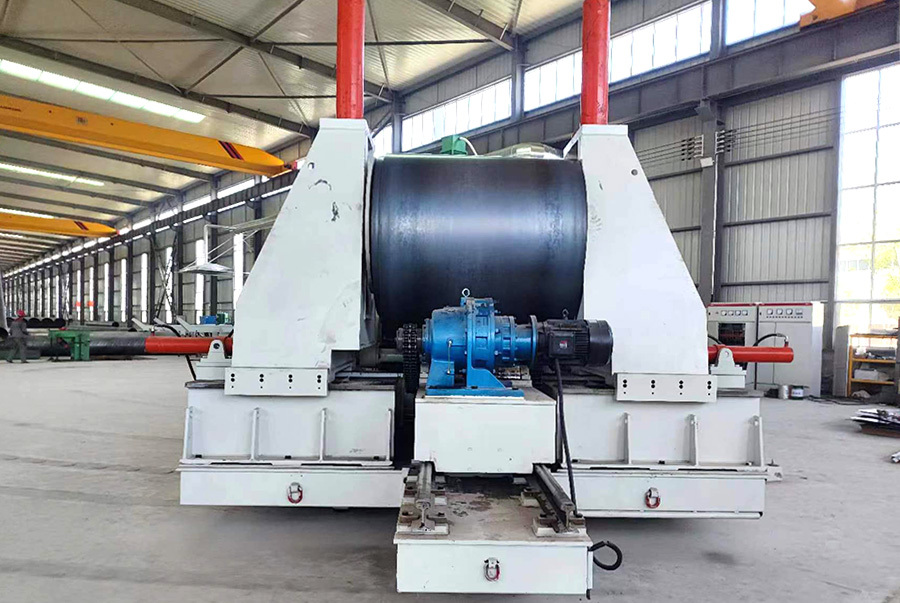
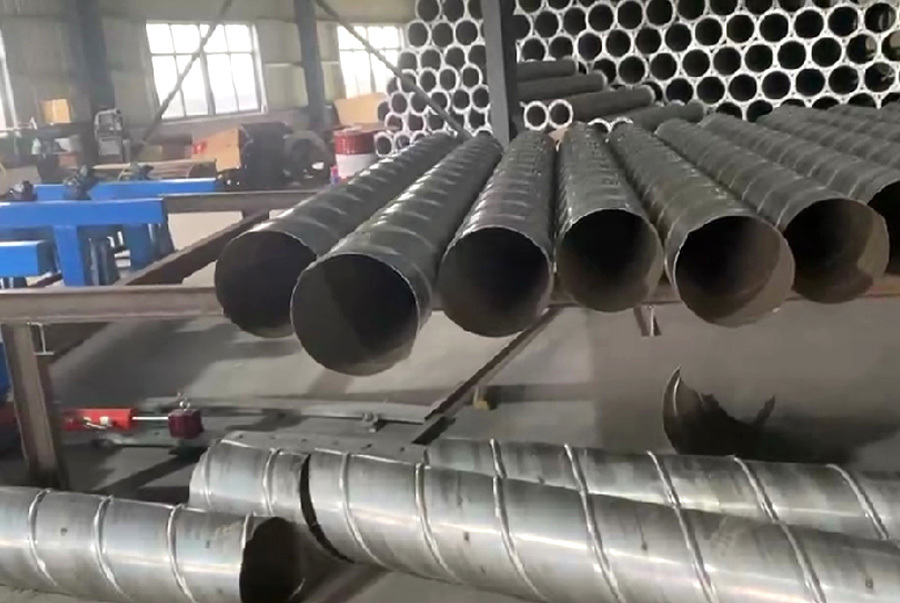
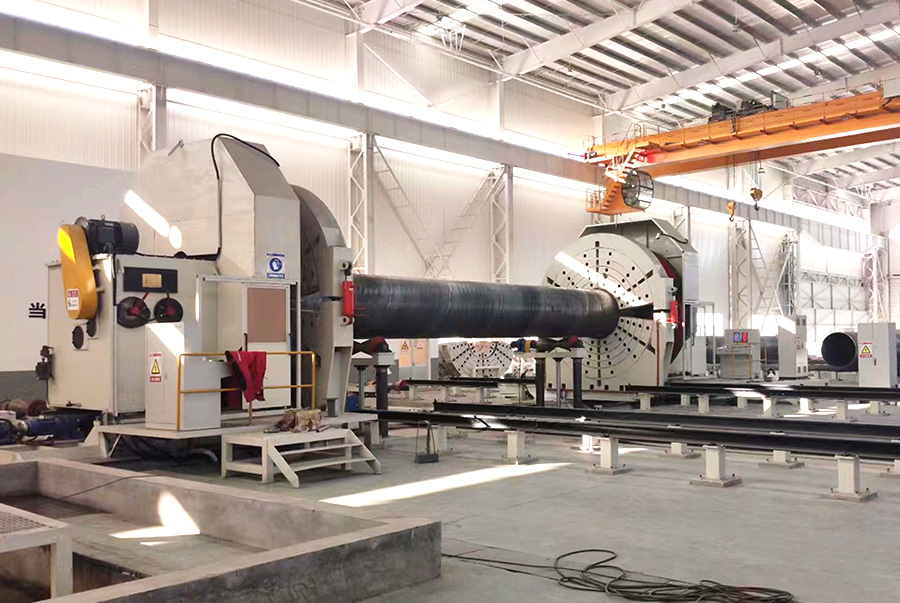
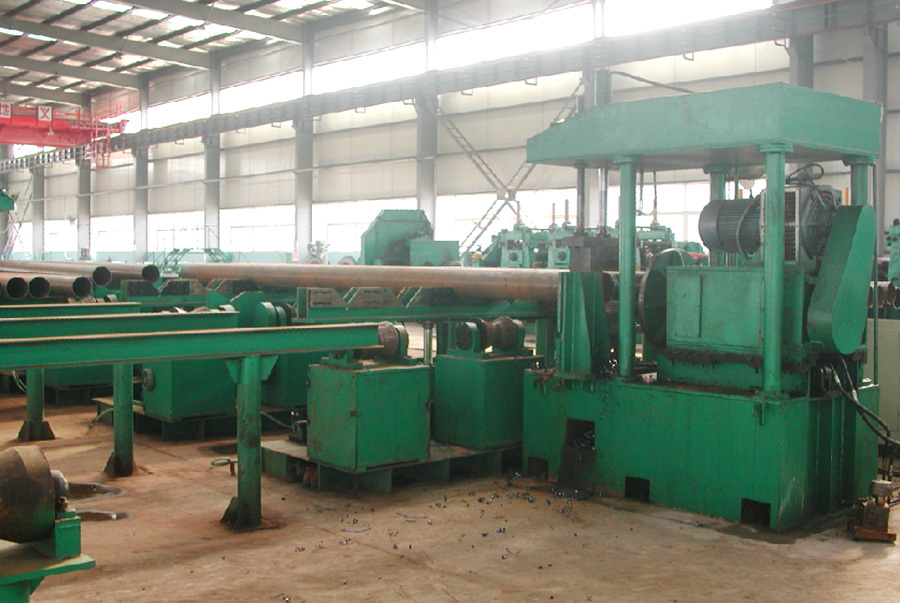
Spiral pipe machine enables efficient manufacturing of spiral welded steel pipes with accurate forming stable welding performance and automated operation suitable for industrial pipeline production lines
The global industrial equipment sector is seeing strong momentum in heavy fabrication technologies, with the Spiral pipe machine becoming a key focus in large-diameter pipeline manufacturing in 2026. Driven by expanding energy infrastructure, water transmission systems, and urban development projects, demand for high-efficiency spiral welded pipe production lines continues to grow.
Unlike conventional straight seam pipe systems, spiral pipe manufacturing uses continuous strip steel forming technology to produce large-diameter pipes with adjustable specifications. The Spiral pipe machine enables manufacturers to achieve flexible diameter ranges while maintaining structural strength and production efficiency, making it widely adopted in infrastructure-grade pipeline projects.

In major construction markets, especially in Asia and the Middle East, contractors are increasingly relying on spiral welded pipes for water supply networks, oil and gas transportation, and structural piling applications. The ability to produce long, continuous pipe sections reduces welding joints in the field, improving installation speed and system reliability.
A senior equipment engineer in the steel processing industry noted that “spiral pipe production has become a cost-efficient solution for large-scale pipeline systems, especially where diameter flexibility and output speed are both required.”
Modern Spiral pipe machine systems are integrating higher levels of automation, including CNC-controlled forming angles, automatic welding monitoring, and real-time seam tracking systems. These improvements enhance welding consistency and reduce material waste during production.
The energy sector remains one of the strongest demand drivers. Oil and gas pipelines, offshore platforms, and renewable energy infrastructure projects require high-strength welded pipes capable of withstanding pressure, corrosion, and environmental stress. Spiral pipe production technology is well-suited for these requirements due to its structural stability and cost efficiency.
Water infrastructure expansion is another key factor. Rapid urbanization and increasing demand for municipal water systems are pushing governments and contractors to invest in high-capacity pipe manufacturing lines. Spiral pipe machines allow for scalable production to meet large-volume project requirements.
In addition, construction and foundation engineering applications are expanding. Spiral welded pipes are widely used in bridge foundations, underground support structures, and piling systems, where high load-bearing performance is essential.

Technological innovation is further shaping the equipment landscape. Modern Spiral pipe machine systems now feature automated seam inspection, digital production monitoring, and integrated control systems that improve precision and reduce operator dependency.
Sustainability trends are also influencing the industry. More efficient energy usage, reduced steel waste, and improved production yield are becoming standard design goals for new-generation pipe manufacturing equipment.
Despite fluctuations in steel prices, market forecasts remain positive. Analysts expect continued growth driven by global infrastructure investment, energy transition projects, and large-scale water management systems. The Spiral pipe machine is expected to remain a core piece of equipment in industrial pipeline manufacturing worldwide.
Key words:
All
- All
- Product Management
- News
- Introduction
- Enterprise outlets
- FAQ
- Enterprise Video
- Enterprise Atlas
Related News
Spiral pipe machine enables efficient manufacturing of spiral welded steel pipes with accurate forming stable welding performance and automated operation suitable for industrial pipeline production lines
2026-07-08

Advanced Spiral Pipe Mill Technology Driving Efficiency and Quality in Modern Pipeline Manufacturing
Spiral pipe mill delivers high efficiency production of spiral welded steel pipes with precise forming stable welding and automated control designed for oil gas water and structural pipeline systems
2026-07-06

Understanding the Essentials of SSAW Pipe Mills for Automotive Welding Equipment
Spiral Submerged Arc Welding (SSAW) pipe mills are critical in the production of spiral welded pipes, which play a vital role in various industries, including automotive applications. Understanding how these mills operate and their significance in manufacturing high-quality pipes can aid automotive professionals in selecting the appropriate tools and equipment for their needs.
SSAW pipe mills util
2026-07-05


Service E-mail
Service TEL
Hotline:
Address
Taiyuan City, Shanxi Province
To inquire about our products, please leave your email to us and we will contact you within 24 hours.