





Essential Insights on Hydrostatic Testing for Spiral Welded Pipes
20 Jan,2025
Essential Insights on Hydrostatic Testing for Spiral Welded Pipes
Table of Contents
1. Introduction to Hydrostatic Testing
2. What is Hydrostatic Testing?
3. Importance of Hydrostatic Testing for Spiral Welded Pipes
4. Hydrostatic Testing Methodology
4.1 Preparation for Hydrostatic Testing
4.2 The Hydrostatic Testing Process
4.3 Post-Te
Essential Insights on Hydrostatic Testing for Spiral Welded Pipes
Table of Contents
- 1. Introduction to Hydrostatic Testing
- 2. What is Hydrostatic Testing?
- 3. Importance of Hydrostatic Testing for Spiral Welded Pipes
- 4. Hydrostatic Testing Methodology
- 4.1 Preparation for Hydrostatic Testing
- 4.2 The Hydrostatic Testing Process
- 4.3 Post-Testing Analysis and Documentation
- 5. Benefits of Hydrostatic Testing for Spiral Welded Pipes
- 6. Applications of Hydrostatic Testing
- 7. Common Challenges and Solutions in Hydrostatic Testing
- 8. Best Practices for Effective Hydrostatic Testing
- 9. Conclusion
- 10. FAQs about Hydrostatic Testing
1. Introduction to Hydrostatic Testing
Hydrostatic testing is a crucial procedure in the industrial equipment sector, especially for spiral welded pipes. This testing method utilizes water or other fluids to evaluate the integrity and performance of pipes under pressure. As industries strive for safety and reliability, hydrostatic testing has emerged as a standard practice to ensure that piping systems can withstand operational conditions without leaking or failing.
2. What is Hydrostatic Testing?
Hydrostatic testing involves filling a pipe or vessel with a liquid, usually water, and then pressurizing it to a predetermined level. The purpose of this method is to identify leaks, assess the strength of the welds, and verify that the pipe can endure the pressures it will face in service. This testing can be particularly significant for spiral welded pipes, which are predominantly used in applications requiring high strength and resistance to environmental factors.
3. Importance of Hydrostatic Testing for Spiral Welded Pipes
Hydrostatic testing serves several critical functions in the maintenance and deployment of spiral welded pipes:
- **Safety Assurance**: It ensures that the pipes can handle high-pressure situations without compromising safety.
- **Quality Control**: Regular testing helps maintain quality standards and identifies potential manufacturing defects.
- **Regulatory Compliance**: Many industries are required to adhere to specific safety and quality regulations, making hydrostatic testing a legal necessity.
- **Preventive Maintenance**: Early detection of issues can prevent catastrophic failures and expensive repairs.
4. Hydrostatic Testing Methodology
To carry out hydrostatic testing effectively, a systematic approach is required.
4.1 Preparation for Hydrostatic Testing
Before initiating hydrostatic testing, specific steps must be taken:
1. **Selection of Equipment**: Choose appropriate testing equipment based on the pipe diameter and pressure requirements.
2. **Pipe Inspection**: Conduct a thorough inspection of the pipe for any visible defects or damage.
3. **Setting Pressure Limits**: Determine the maximum pressure for testing, typically 1.5 times the operating pressure.
4. **Safety Measures**: Ensure all safety protocols are in place, including proper personal protective equipment (PPE) for personnel.
4.2 The Hydrostatic Testing Process
The actual hydrostatic testing process involves several stages:
1. **Filling the Pipe**: The pipe is filled with water or the chosen test fluid, eliminating air pockets.
2. **Pressurization**: Using pumps, the pressure is gradually increased to the designated level.
3. **Monitoring**: Continuous monitoring of the pressure gauge ensures that the pressure remains stable. Any drop might indicate a leak.
4. **Duration**: Maintain the pressure for a specific duration to ensure reliable results.
4.3 Post-Testing Analysis and Documentation
Once hydrostatic testing is complete, the next steps are:
1. **Visual Inspection**: Inspect the pipe and joints for leaks or any abnormalities.
2. **Pressure Drop Analysis**: Evaluate any pressure drops that occurred during the test.
3. **Documentation**: Record all testing parameters, conditions, and results for compliance and future reference.
5. Benefits of Hydrostatic Testing for Spiral Welded Pipes
Engaging in hydrostatic testing provides numerous advantages, including:
- **Enhanced Reliability**: Regular testing enhances the reliability of spiral welded pipes, ensuring they meet operational expectations.
- **Cost Savings**: Identifying issues early can save money on repairs and downtime.
- **Extended Lifespan**: Regular testing and maintenance increase the lifespan of piping systems.
- **Increased Customer Confidence**: Knowing that pipes have undergone rigorous testing builds confidence among clients regarding their safety and performance.
6. Applications of Hydrostatic Testing
Hydrostatic testing is utilized across various industries, including:
- **Oil and Gas**: Ensuring pipeline integrity in high-pressure environments.
- **Water Supply**: Testing municipal water pipelines for leaks and strength.
- **Chemical Processing**: Verifying the robustness of pipes used in transporting hazardous materials.
- **Construction**: Testing newly installed pipes to ensure they meet safety standards.
7. Common Challenges and Solutions in Hydrostatic Testing
While hydrostatic testing is a vital practice, it is not without challenges:
- **Leak Detection**: Accurately detecting leaks can sometimes be difficult in large systems. Employing advanced monitoring equipment can enhance detection capabilities.
- **Flushing and Cleaning**: Ensuring the pipe is free of debris before testing can be a logistical challenge. Pre-testing cleaning protocols can mitigate this issue.
- **Pressure Control**: Maintaining the required pressure can be difficult in large installations. Using automated pressure control systems can enhance accuracy.
8. Best Practices for Effective Hydrostatic Testing
To ensure successful hydrostatic testing, adhere to these best practices:
- **Regular Training**: Ensure personnel are well-trained in testing procedures and safety protocols.
- **Comprehensive Documentation**: Maintain detailed records of all tests conducted, including conditions and results.
- **Use of Modern Technology**: Invest in advanced testing equipment to improve accuracy and efficiency.
- **Schedule Regular Maintenance**: Regularly scheduled testing can prevent unexpected failures and extend the lifespan of piping systems.
9. Conclusion
Hydrostatic testing is an essential process for ensuring the safety, reliability, and performance of spiral welded pipes. By understanding its methodology, benefits, and best practices, industry professionals can enhance the integrity of their piping systems and meet regulatory requirements effectively. Investing in hydrostatic testing not only protects assets but also fosters confidence among stakeholders and clients.
10. FAQs about Hydrostatic Testing
1. What is the purpose of hydrostatic testing?
Hydrostatic testing is primarily conducted to ensure the integrity and safety of pipes by identifying leaks and verifying that they can withstand operational pressures.
2. How often should hydrostatic testing be conducted?
The frequency of hydrostatic testing depends on industry standards, regulatory requirements, and the specific application. Regular testing is recommended for high-pressure systems.
3. What materials are suitable for hydrostatic testing?
Water is the most commonly used fluid for hydrostatic testing, but other fluids may be used based on the specific requirements of the application.
4. Can hydrostatic testing be conducted on existing pipelines?
Yes, hydrostatic testing can be conducted on existing pipelines, provided they have been properly inspected and prepared for testing.
5. What should be done if a leak is detected during testing?
If a leak is detected during hydrostatic testing, the pipe should be depressurized and inspected to identify the source of the leak. Repairs should be made before retesting.
This comprehensive guide provides essential insights into hydrostatic testing for spiral welded pipes, equipping professionals with the knowledge necessary to enhance safety and reliability in their operations.
Key words:
All
- All
- Product Management
- News
- Introduction
- Enterprise outlets
- FAQ
- Enterprise Video
- Enterprise Atlas
Related News
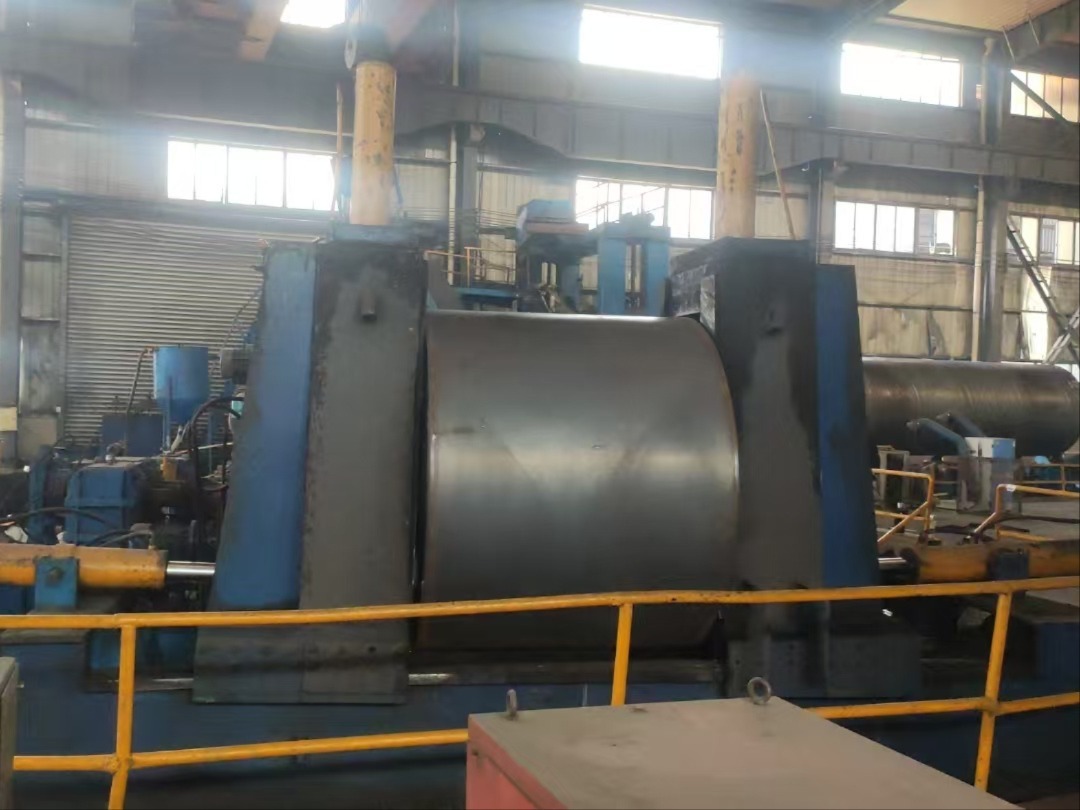
Essential Insights into Pipe Prepping Machines: A Comprehensive Guide
In the manufacturing and processing machinery sector, particularly in the realm of electric tools, the pipe prepping machine stands out as a crucial tool for ensuring high-quality pipe preparation. These machines are designed to prepare pipe edges for welding and other applications, making them a vital component in various industrial processes. Understanding the functionality and advantages of pip
2025-12-08
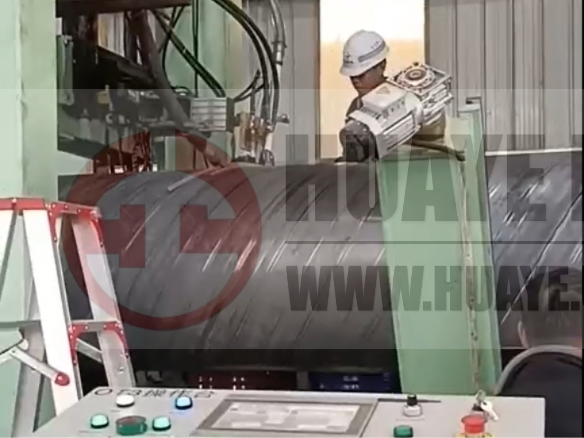
How to Ensure Your Pipe Welding Equipment Meets Industry Standards
How to Ensure Your Pipe Welding Equipment Meets Industry Standards
Table of Contents
Understanding Industry Standards for Pipe Welding Equipment
Importance of Compliance with Industry Standards
Key Components of Pipe Welding Equipment
Regulatory Bodies and Standards Governing Pipe Welding
Regular Maintenance and Inspection of Welding Equipment
Training and Certification fo
2025-12-03
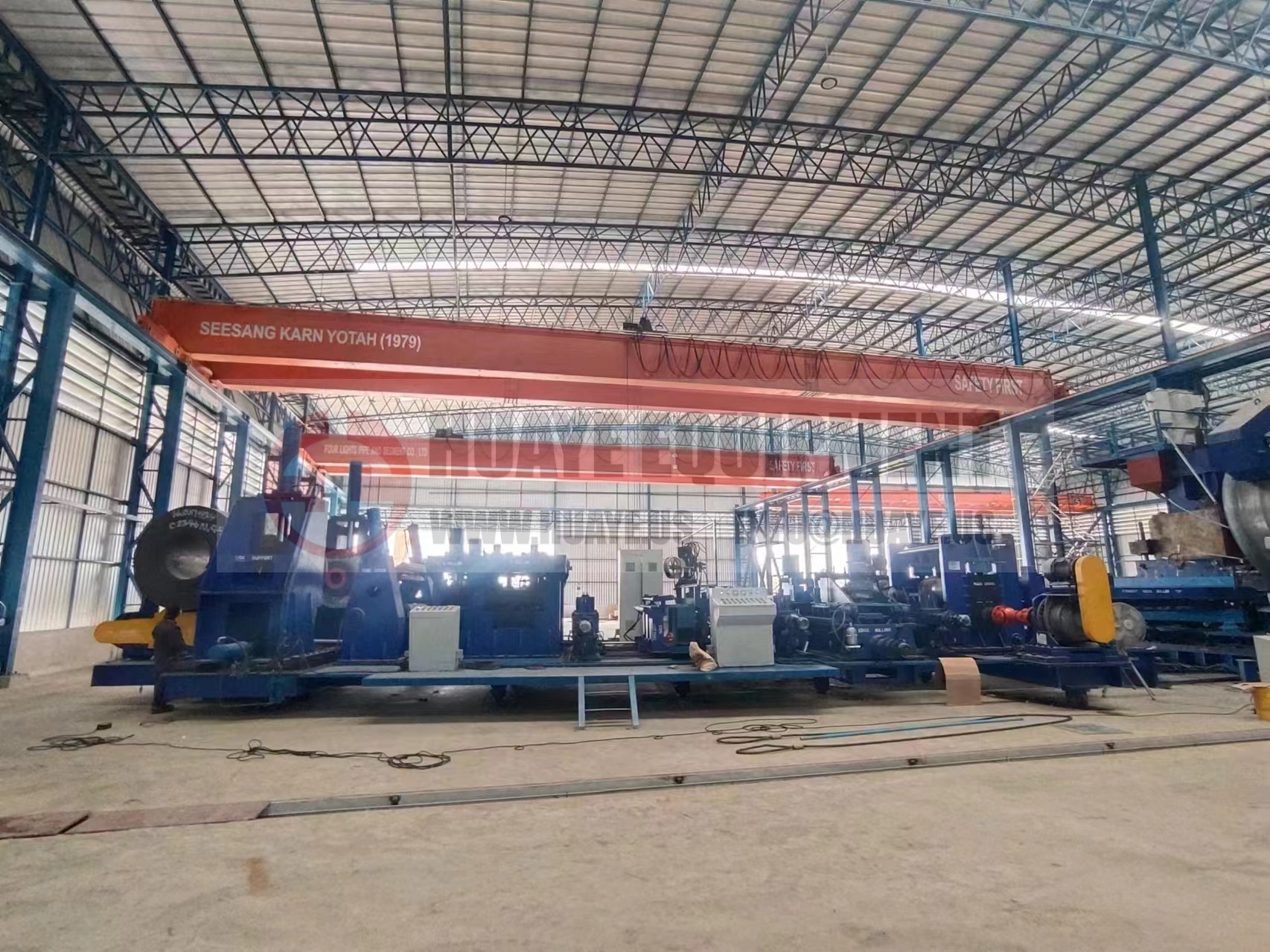
Essential Guide to Pipe Welding Equipment for Efficient Manufacturing
Pipe welding equipment plays a crucial role in various manufacturing processes, particularly in industries that involve metal fabrication and assembly. Whether you're working with steel, aluminum, or other metals, understanding the different types of equipment and their functionalities can enhance efficiency and quality.
One of the primary components of pipe welding equipment is the welding machin
2025-11-28


Service E-mail
Service TEL
Hotline:
Address
Taiyuan City, Shanxi Province
To inquire about our products, please leave your email to us and we will contact you within 24 hours.