





How to Ensure Your Pipe Welding Equipment Meets Industry Standards
03 Dec,2025
How to Ensure Your Pipe Welding Equipment Meets Industry Standards
Table of Contents
Understanding Industry Standards for Pipe Welding Equipment
Importance of Compliance with Industry Standards
Key Components of Pipe Welding Equipment
Regulatory Bodies and Standards Governing Pipe Welding
Regular Maintenance and Inspection of Welding Equipment
Training and Certification fo
How to Ensure Your Pipe Welding Equipment Meets Industry Standards
Table of Contents
- Understanding Industry Standards for Pipe Welding Equipment
- Importance of Compliance with Industry Standards
- Key Components of Pipe Welding Equipment
- Regulatory Bodies and Standards Governing Pipe Welding
- Regular Maintenance and Inspection of Welding Equipment
- Training and Certification for Operators
- Best Practices for Pipe Welding Operations
- Frequently Asked Questions
- Conclusion
Understanding Industry Standards for Pipe Welding Equipment
Ensuring that your **pipe welding equipment** meets industry standards is crucial for both safety and quality. Industry standards define the minimum acceptable criteria for equipment performance, safety, and reliability. These standards can vary by region and application, but organizations like the American National Standards Institute (ANSI) and the American Welding Society (AWS) play pivotal roles in setting these benchmarks.
Adhering to these standards not only enhances the quality of your welding projects but also protects the integrity of your operations. By understanding what these standards entail, businesses can implement effective practices to ensure compliance.
Importance of Compliance with Industry Standards
Compliance with industry standards is not merely a regulatory requirement; it has significant implications for operational success. Here are some compelling reasons why ensuring your equipment meets these standards is vital:
Enhanced Safety
The foremost priority in any welding operation is safety. Compliance with industry standards significantly reduces the risk of accidents and injuries. Properly maintained and compliant equipment minimizes hazards such as electrical shocks, fires, and harmful fumes.
Improved Quality of Work
Welding that adheres to established standards produces higher-quality results. Equipment that meets these standards ensures consistent weld quality, leading to better overall project outcomes and customer satisfaction.
Legal Protection
In the event of an incident or failure, having compliant equipment provides a safety net. It can protect your business from legal liabilities and claims, demonstrating due diligence in maintaining industry standards.
Key Components of Pipe Welding Equipment
Understanding the essential components of pipe welding equipment helps in ensuring compliance. Here are some critical elements to monitor:
Welding Machines
The heart of any welding operation lies in the welding machine. Ensure that your machines are certified and regularly inspected for electrical safety, output consistency, and operational efficiency.
Welding Accessories
From clamps to wire feeders, every accessory must be compatible and compliant with industry standards. Using subpar components can compromise the quality of your welds.
Protective Gear
Operators should always use personal protective equipment (PPE) that meets safety standards. This includes helmets, gloves, and protective clothing to prevent injuries.
Regulatory Bodies and Standards Governing Pipe Welding
Various organizations set the standards for pipe welding equipment and operations. Familiarizing yourself with these bodies can help ensure compliance:
American National Standards Institute (ANSI)
ANSI oversees the development of voluntary consensus standards for products, services, and systems in the United States. Its guidelines are essential for manufacturers and operators.
American Welding Society (AWS)
AWS provides specifications for welding equipment and materials, emphasizing quality and safety. Their standards are widely accepted across the industry.
Occupational Safety and Health Administration (OSHA)
OSHA establishes regulations to ensure safe working conditions for employees. Compliance with OSHA standards is mandatory, covering everything from equipment safety to operator training.
Regular Maintenance and Inspection of Welding Equipment
To maintain compliance with industry standards, regular maintenance and inspection of your welding equipment are paramount. Here are some critical steps to follow:
Scheduled Inspections
Implement a schedule for inspecting all welding machinery and equipment. These inspections should cover electrical systems, mechanical parts, and safety features.
Preventive Maintenance
Conduct preventive maintenance to address potential issues before they escalate. This includes cleaning, lubrication, and part replacement as necessary.
Documentation of Maintenance Activities
Keep detailed records of all maintenance and inspection activities. This documentation is crucial for compliance audits and can serve as proof of diligence in maintaining equipment.
Training and Certification for Operators
Ensuring that operators are well-trained and certified is a vital component of maintaining industry standards. Proper training:
Enhances Skill Levels
Trained operators are more likely to understand the complexities of welding equipment and techniques, leading to better quality and safety outcomes.
Promotes Safety Awareness
Certified training programs emphasize safety protocols and standards, ensuring operators are aware of potential hazards and how to mitigate them.
Ensures Compliance
Certification programs often require operators to understand and comply with relevant industry standards, aligning their practices with regulatory expectations.
Best Practices for Pipe Welding Operations
Implementing best practices in pipe welding can help ensure compliance and improve overall operational efficiency.
Establish a Safety Culture
Foster a workplace culture that prioritizes safety. Encourage employees to report unsafe conditions and participate in safety training.
Invest in Quality Equipment
Always choose high-quality, compliant equipment to minimize risks associated with substandard tools and machinery.
Stay Informed on Industry Changes
The welding industry is continually evolving, with new standards and technologies emerging. Keep abreast of changes to maintain compliance and enhance operational efficiency.
Frequently Asked Questions
What are the key industry standards for pipe welding equipment?
Key standards include guidelines from the American National Standards Institute (ANSI) and the American Welding Society (AWS), which focus on safety and quality.
How often should welding equipment be inspected?
Welding equipment should be inspected regularly based on usage and manufacturer recommendations, typically every six months to a year.
What is the significance of operator training in pipe welding?
Operator training is crucial for ensuring safety, promoting skill development, and ensuring compliance with industry standards.
How can I improve the quality of my welding projects?
Investing in quality machinery, regular maintenance, operator training, and adherence to industry standards can significantly improve weld quality.
Are there specific certifications required for welding operators?
Yes, certifications from recognized organizations such as AWS are often required, depending on the specific type of welding work being performed.
Conclusion
Ensuring that your pipe welding equipment meets industry standards is an ongoing commitment that requires diligence, training, and adherence to best practices. By understanding the importance of compliance, maintaining equipment, and investing in operator training, businesses can not only improve their operational safety and quality but also protect their legal interests. Embrace these strategies to ensure your welding operations are not just compliant but exemplary in the industry.
Key words:
All
- All
- Product Management
- News
- Introduction
- Enterprise outlets
- FAQ
- Enterprise Video
- Enterprise Atlas
Related News
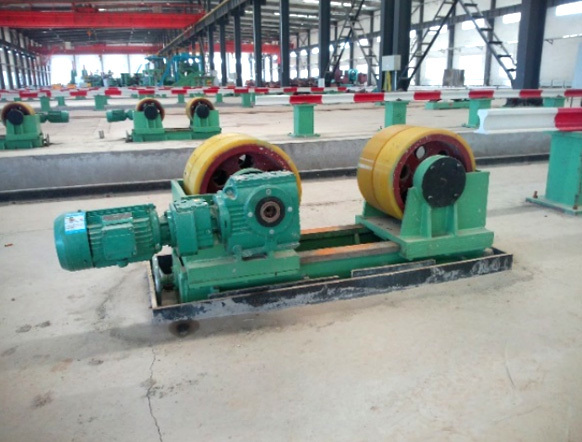
Pipe Rotator: Enhancing Efficiency and Precision in Industrial Pipe Handling
Quality pipe rotator offers stable rotation and precise control for welding, fabrication, and industrial pipe handling applications.
2026-01-14
Why Every Workshop Needs a Tube Beveling Machine: Top Reasons Explained
Why Every Workshop Needs a Tube Beveling Machine: Top Reasons Explained
Table of Contents
Introduction to Tube Beveling Machines
What is a Tube Beveling Machine?
Key Benefits of Tube Beveling Machines
Improved Welding Quality
Enhanced Production Efficiency
Versatility and Adaptability
Cost-Effectiveness
Applications of Tube Beveling Machines
2026-01-14

Spiral Pipe Machine Drives Efficiency and Quality in Modern Duct Manufacturing
The Spiral Pipe Machine has become a critical piece of equipment in the modern HVAC and industrial duct manufacturing industry, playing a key role in improving production efficiency, product consistency, and overall manufacturing quality.
2026-01-09


Service E-mail
Service TEL
Hotline:
Address
Taiyuan City, Shanxi Province
To inquire about our products, please leave your email to us and we will contact you within 24 hours.