





Pipe Rotator: Enhancing Efficiency and Precision in Industrial Pipe Handling
14 Jan,2026
Quality pipe rotator offers stable rotation and precise control for welding, fabrication, and industrial pipe handling applications.
In modern industrial manufacturing and construction, efficient and precise pipe handling has become a critical requirement. The pipe rotator plays a vital role in industries such as welding, oil and gas, shipbuilding, pressure vessel manufacturing, and heavy steel fabrication. Designed to rotate pipes smoothly and safely, the pipe rotator significantly improves productivity, reduces labor intensity, and ensures consistent welding quality.
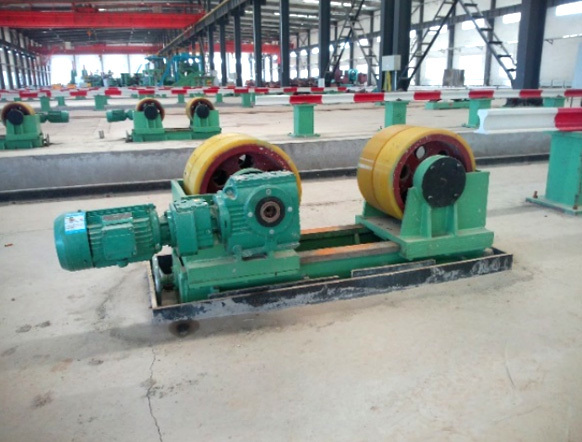
A pipe rotator is a mechanical device used to rotate cylindrical workpieces such as pipes, tanks, and vessels during welding, assembly, coating, or inspection. By enabling controlled rotation, it allows operators or automated welding systems to work on pipes from the most optimal position. This not only improves welding accuracy but also reduces defects caused by uneven heat distribution or improper angles.
One of the main advantages of using a pipe rotator is enhanced operational safety. Manual pipe handling often involves high risks, especially when dealing with large-diameter or heavy pipes. Pipe rotators eliminate the need for frequent repositioning by cranes or forklifts, reducing the chance of accidents and improving workplace safety. With stable rotation and adjustable speed control, operators can maintain full control over the process.
Modern pipe rotators are available in various configurations, including conventional rotators, self-aligning rotators, and fit-up rotators. Self-aligning pipe rotators automatically adjust to different pipe diameters, making them ideal for workshops that handle a wide range of pipe sizes. These systems are commonly equipped with polyurethane or steel rollers, offering durability and strong load-bearing capacity.
Automation is another key trend driving the demand for advanced pipe rotators. Many models can be integrated with automatic welding machines, robotic welding arms, and digital control systems. This integration enables continuous operation, higher precision, and consistent quality, which is especially important for large-scale industrial projects and mass production environments.
From an economic perspective, investing in a high-quality pipe rotator delivers long-term cost benefits. Improved efficiency shortens production cycles, while reduced labor requirements lower operational costs. Additionally, consistent welding quality minimizes rework and material waste, further enhancing overall profitability.
Industries worldwide are increasingly adopting pipe rotators to meet higher quality standards and stricter safety regulations. As industrial projects grow in scale and complexity, the demand for reliable pipe handling solutions continues to rise. Manufacturers are responding by developing pipe rotators with higher load capacities, smarter control systems, and improved durability to meet evolving market needs.
In conclusion, the pipe rotator has become an indispensable tool in modern industrial operations. By combining safety, precision, and efficiency, it supports high-quality pipe fabrication and welding processes across multiple industries. As technology continues to advance, pipe rotators will play an even more important role in driving productivity and innovation in industrial manufacturing.
Key words:
Pipe rotator
All
- All
- Product Management
- News
- Introduction
- Enterprise outlets
- FAQ
- Enterprise Video
- Enterprise Atlas
Related News
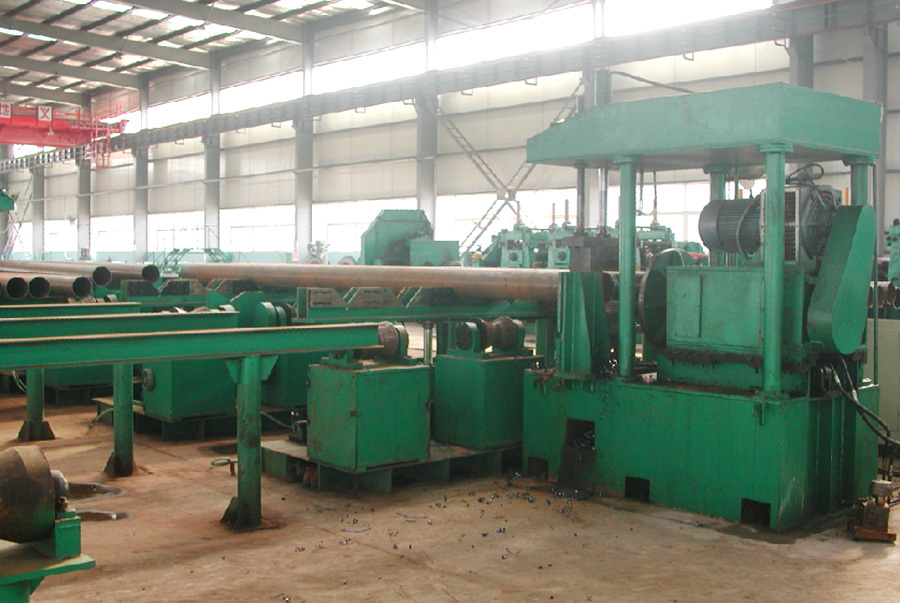
Understanding the Importance and Functionality of Steel Pipe Mills in Manufacturing
Steel pipe mills are vital components in the manufacturing sector, particularly when producing a wide range of steel pipes used in various applications, including construction, oil and gas, and infrastructure projects. A steel pipe mill operates through a series of intricate processes that involve the transformation of raw steel into finished pipes of different sizes and specifications. Understand
2026-03-01

Top Features to Look for in a Steel Beveling Machine: A Comprehensive Guide
Top Features to Look for in a Steel Beveling Machine
Introduction to Steel Beveling Machines
Steel beveling machines play a critical role in metalworking and fabrication industries. They are designed to create beveled edges on metal plates, ensuring proper joints in welding processes. As demand for high-quality fabrication increases, so does the need for advanced beveling machines that deliver pre
2026-02-24
Maximizing Efficiency with Steel Beveling Machines: A Comprehensive Guide
Steel beveling machines play a vital role in the manufacturing and metalworking industries, particularly for tasks that require precise edge preparation for welding or assembly. These machines are specifically designed to create bevels on the edges of steel plates, ensuring that they fit together seamlessly during the welding process. Whether you're working on structural steel applications or deli
2026-02-19


Service E-mail
Service TEL
Hotline:
Address
Taiyuan City, Shanxi Province
To inquire about our products, please leave your email to us and we will contact you within 24 hours.