





Understanding the Importance and Functionality of Steel Pipe Mills in Manufacturing
01 Mar,2026
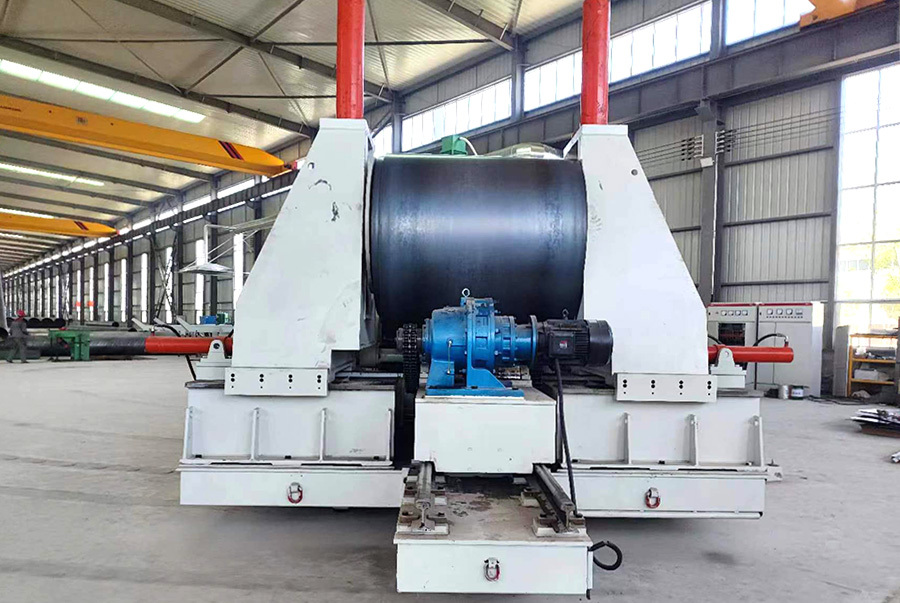
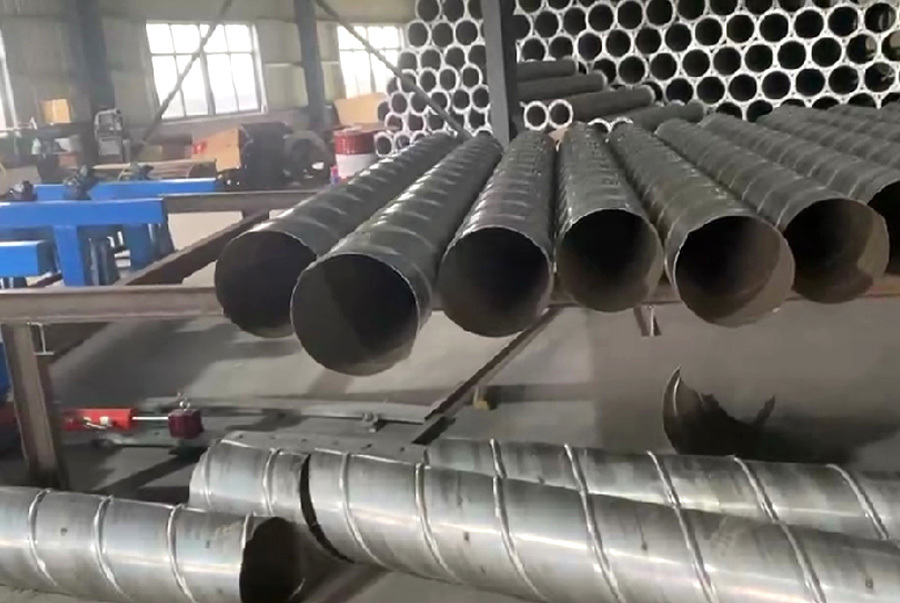
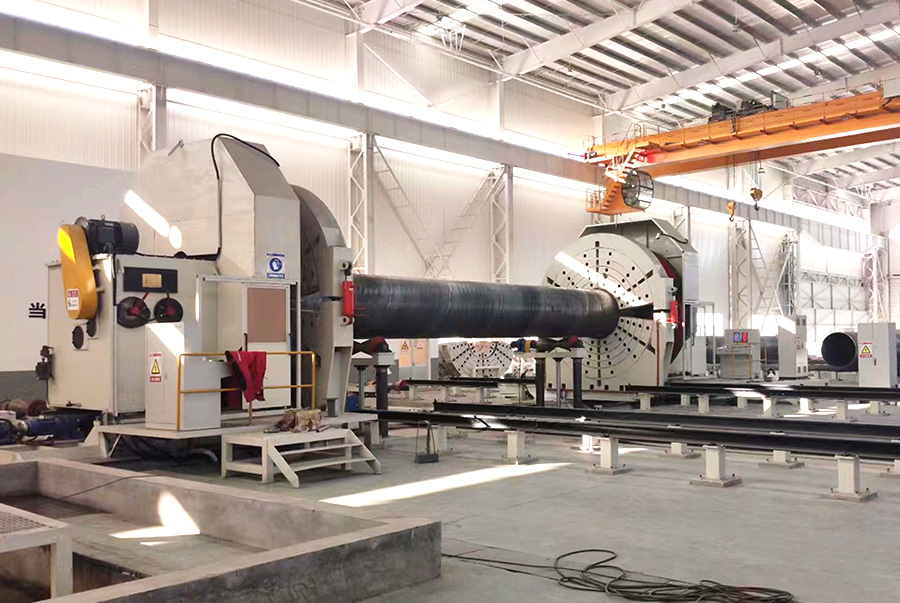
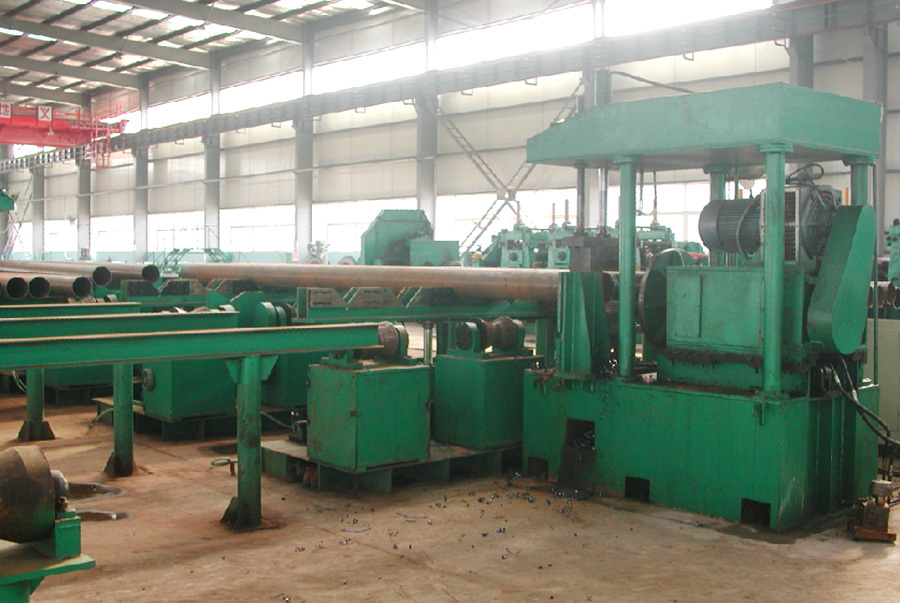
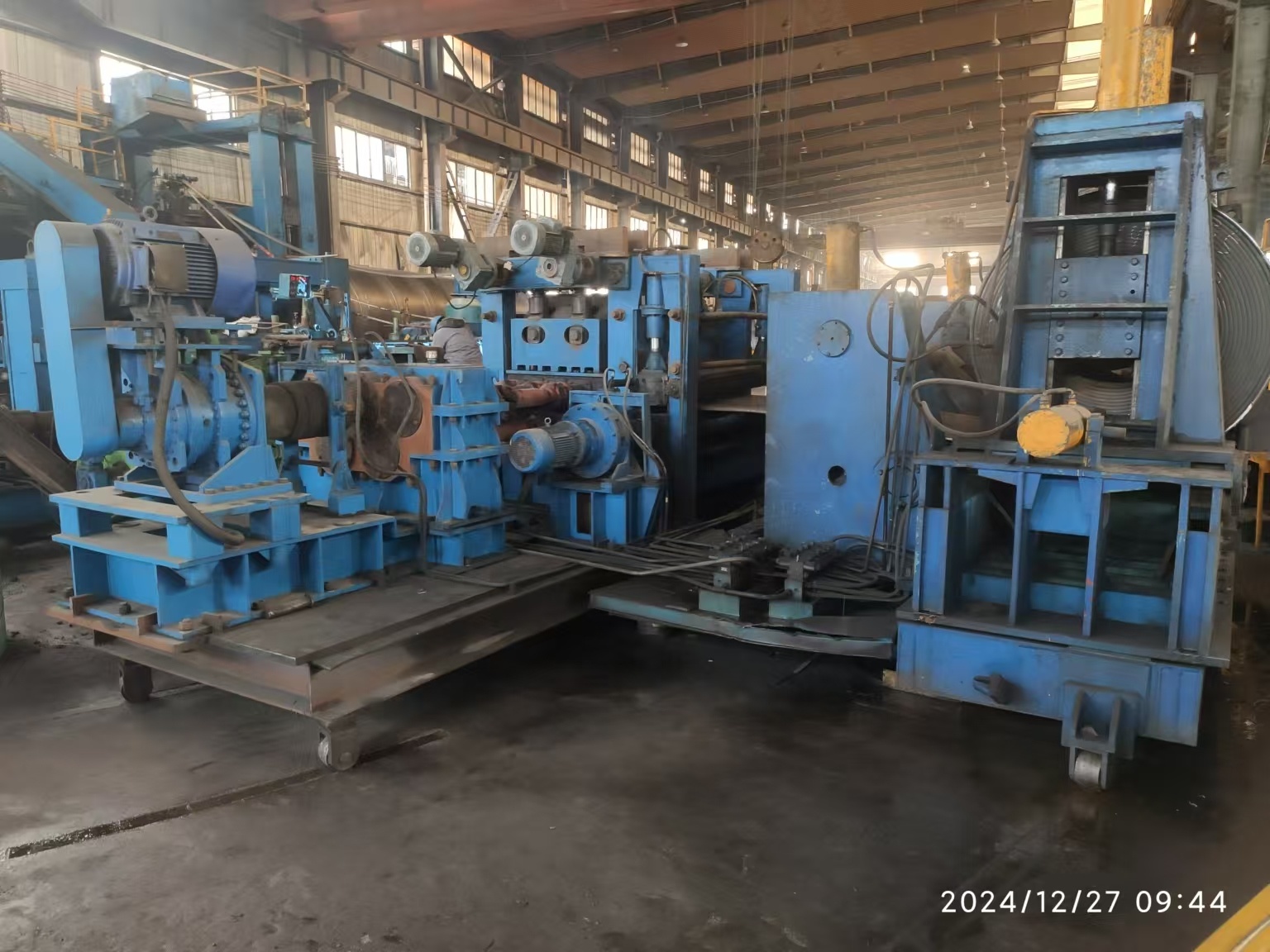
Steel pipe mills are vital components in the manufacturing sector, particularly when producing a wide range of steel pipes used in various applications, including construction, oil and gas, and infrastructure projects. A steel pipe mill operates through a series of intricate processes that involve the transformation of raw steel into finished pipes of different sizes and specifications. Understand
Steel pipe mills are vital components in the manufacturing sector, particularly when producing a wide range of steel pipes used in various applications, including construction, oil and gas, and infrastructure projects. A steel pipe mill operates through a series of intricate processes that involve the transformation of raw steel into finished pipes of different sizes and specifications. Understanding these processes is essential for professionals in industries such as electric tools and pipe beveling machines, as these products often rely on high-quality steel pipes for effective functionality.
The primary function of a steel pipe mill is to manufacture pipes through processes such as rolling, welding, and finishing. These mills utilize advanced technology to ensure that the pipes produced meet specific quality standards. The initial step typically involves taking hot-rolled or cold-rolled steel sheets, which are then shaped through a series of rolls. The shaping process is critical because it determines the dimensions and strength of the final product.
One of the most significant advantages of steel pipe mills is their ability to customize pipe specifications based on client requirements. This flexibility allows manufacturers to produce pipes for various uses—whether they need seamless pipes for high-pressure applications or welded pipes for structural purposes. The versatility in manufacturing means that industries using electric tools, like beveling machines, can source pipes that match their precise needs.
Moreover, steel pipe mills have seen substantial innovations in recent years, particularly concerning automation and efficiency. Many modern mills incorporate automated systems that enhance production speed while reducing waste. This technological advancement not only improves productivity but also strengthens the overall quality of the pipes produced. As a result, businesses that rely on these products can expect better performance and durability.
Quality control is another critical aspect of steel pipe mills. Continuous monitoring throughout the manufacturing process ensures that any defects are identified and addressed promptly. This dedication to quality is crucial for industries where the integrity of pipes is paramount, such as in oil and gas transportation, where even minor defects can lead to significant failures.
In conclusion, steel pipe mills serve a fundamental role in the manufacturing industry, particularly for companies involved in electric tools and pipe beveling machines. Understanding the operations and innovations associated with these mills can help professionals make informed decisions when sourcing materials and products. By prioritizing quality and efficiency, steel pipe mills continue to be at the forefront of manufacturing technology, driving advancements in various sectors.
The primary function of a steel pipe mill is to manufacture pipes through processes such as rolling, welding, and finishing. These mills utilize advanced technology to ensure that the pipes produced meet specific quality standards. The initial step typically involves taking hot-rolled or cold-rolled steel sheets, which are then shaped through a series of rolls. The shaping process is critical because it determines the dimensions and strength of the final product.
One of the most significant advantages of steel pipe mills is their ability to customize pipe specifications based on client requirements. This flexibility allows manufacturers to produce pipes for various uses—whether they need seamless pipes for high-pressure applications or welded pipes for structural purposes. The versatility in manufacturing means that industries using electric tools, like beveling machines, can source pipes that match their precise needs.
Moreover, steel pipe mills have seen substantial innovations in recent years, particularly concerning automation and efficiency. Many modern mills incorporate automated systems that enhance production speed while reducing waste. This technological advancement not only improves productivity but also strengthens the overall quality of the pipes produced. As a result, businesses that rely on these products can expect better performance and durability.
Quality control is another critical aspect of steel pipe mills. Continuous monitoring throughout the manufacturing process ensures that any defects are identified and addressed promptly. This dedication to quality is crucial for industries where the integrity of pipes is paramount, such as in oil and gas transportation, where even minor defects can lead to significant failures.
In conclusion, steel pipe mills serve a fundamental role in the manufacturing industry, particularly for companies involved in electric tools and pipe beveling machines. Understanding the operations and innovations associated with these mills can help professionals make informed decisions when sourcing materials and products. By prioritizing quality and efficiency, steel pipe mills continue to be at the forefront of manufacturing technology, driving advancements in various sectors.
Key words:
All
- All
- Product Management
- News
- Introduction
- Enterprise outlets
- FAQ
- Enterprise Video
- Enterprise Atlas
Related News

Transform Your Steel Processing with Innovative Bevelling Machines
Understanding Bevelling Machines in Steel Processing
Bevelling machines are specialized tools designed to create angled edges or bevels on steel and other metals. These machines are essential in the manufacturing and fabrication industry, particularly for processes that require precise edge preparation for welding or assembly. By i
2026-04-15
Maximizing Efficiency with Steel Bevelling Machines: A Comprehensive Guide
Bevelling machines for steel play a crucial role in the manufacturing and metalworking sectors. These specialized electric tools are designed to create bevels on steel edges, which is essential for various applications such as welding, assembly, and finishing. By utilizing a bevelling machine, manufacturers can significantly improve the quality and efficiency of their work processes.
One of the ke
2026-04-10
Exploring the Advantages of ERW Tube Mill Machines: A Comprehensive Guide for Manufacturers
Exploring the Advantages of ERW Tube Mill Machines: A Comprehensive Guide
Table of Contents
1. Introduction to ERW Tube Mill Machines
2. What is an ERW Tube Mill Machine?
3. Key Advantages of ERW Tube Mill Machines
3.1. High Efficiency and Speed
3.2. Cost-Effectiveness
3.3. Versatility in Production
3.4. Enhanced Product Quality
4. Technological Innovations in ERW Tube Mills
4.1. Automation and Co
2026-04-05


Service E-mail
Service TEL
Hotline:
Address
Taiyuan City, Shanxi Province
To inquire about our products, please leave your email to us and we will contact you within 24 hours.