





The Role of Steel Pipe Mills in Efficient Manufacturing Processes
06 Mar,2026
The Role of Steel Pipe Mills in Efficient Manufacturing Processes
Manufacturing processes in today’s industrial landscape are increasingly reliant on efficient systems that optimize production flow and enhance product quality. Among these, **steel pipe mills** play a pivotal role. By utilizing advanced technologies and practices, these mills contribute significantly to the overall efficiency and
The Role of Steel Pipe Mills in Efficient Manufacturing Processes
Manufacturing processes in today’s industrial landscape are increasingly reliant on efficient systems that optimize production flow and enhance product quality. Among these, **steel pipe mills** play a pivotal role. By utilizing advanced technologies and practices, these mills contribute significantly to the overall efficiency and effectiveness of manufacturing. In this article, we will explore how steel pipe mills function, their impact on manufacturing processes, and the innovations that make them indispensable.
Understanding Steel Pipe Mills
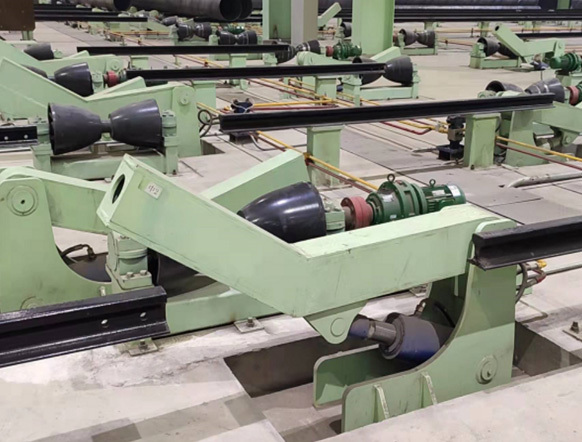
Steel pipe mills are specialized facilities that produce steel pipes for various applications, including construction, oil and gas, automotive, and more. These mills employ advanced techniques to ensure the pipes are manufactured to precise specifications. The production process involves several stages, from raw material selection to the final quality checks of the finished product.
The Production Process of Steel Pipes
The production process at steel pipe mills can be broken down into several key stages:
1. Raw Material Selection
The journey begins with the careful selection of raw materials. High-quality steel scrap and billets are often the primary inputs. These materials undergo rigorous quality testing to ensure they meet industry standards.
2. Heating and Forming
Once the raw materials are prepared, they are heated to high temperatures. The heating process allows for the steel to be easily shaped. Next, the heated steel is formed into a cylindrical shape using various methods like **seamless or welded techniques**.
3. Welding and Seam Formation
For welded pipes, the edges of the formed steel are brought together and welded. This process may involve several types of welding technologies, such as **electric resistance welding (ERW)** or submerged arc welding (SAW). The choice of welding technique can significantly affect the pipe's strength and durability.
4. Sizing and Cutting
After welding, pipes are sized according to specifications. This stage involves cutting the pipes to the desired lengths, ensuring they meet the requirements for various applications.
5. Heat Treatment and Finishing
Heat treatment processes enhance the mechanical properties of the steel. Following this, finishing processes such as surface treatment and coating are applied to protect against corrosion and wear, further enhancing the pipes' longevity.
The Importance of Steel Pipe Mills in Manufacturing Efficiency
Steel pipe mills are crucial for several reasons:
1. Streamlining the Supply Chain
Steel pipe mills help reduce **lead times** in the manufacturing process. By producing high volumes of pipes quickly, they minimize the waiting time for parts, which is essential in just-in-time (JIT) manufacturing environments.
2. Cost Reduction
By producing steel pipes in bulk, mills can take advantage of economies of scale, significantly reducing costs. Lower production costs ultimately translate to cost savings for manufacturers, which can be passed down to end consumers.
3. Enhanced Product Quality
Modern steel pipe mills employ advanced technologies that ensure high-quality output. Automated systems and stringent quality control measures lead to fewer defects and a more reliable supply of materials.
4. Innovative Technologies
Innovations in technology, such as **Industry 4.0** implementations, are increasingly being adopted in steel pipe mills. Automation, data analytics, and IoT devices help monitor production in real-time, allowing for quick adjustments to improve efficiency and reduce waste.
Innovations Impacting Steel Pipe Mills
Technological advancements are transforming the landscape of steel pipe manufacturing. Here are some key innovations:
1. Advanced Automation
Automation is at the forefront of modern steel pipe mills. Robotic systems handle repetitive tasks, increasing precision and reducing human error. This shift not only speeds up production but also ensures a safer working environment.
2. Energy Efficiency Practices
Steel production is notoriously energy-intensive. Many mills are adopting energy-efficient practices, such as recycling waste heat and optimizing power consumption, contributing to sustainability goals while lowering operational costs.
3. Digital Monitoring Systems
With the help of IoT and AI, mills can now monitor their equipment performance and production processes in real-time. This capability allows for predictive maintenance, minimizing downtime and maximizing throughput.
4. Advanced Materials Science
Research in materials science is leading to the development of high-strength steel grades that can be produced with less material while maintaining performance. These innovations support manufacturers in meeting stringent regulatory standards.
Challenges Faced by Steel Pipe Mills
While steel pipe mills play a critical role in efficient manufacturing, they face several challenges:
1. Global Competition
The steel industry is highly competitive, with numerous players vying for market share. Mills must continuously innovate to maintain their competitive edge.
2. Regulatory Compliance
Manufacturers must adhere to strict environmental regulations, which can impact operational costs. Steel pipe mills are tasked with finding ways to comply while remaining profitable.
3. Supply Chain Disruptions
Global events, such as pandemics or geopolitical tensions, can disrupt supply chains, affecting the availability of raw materials and increasing costs.
Future Trends in Steel Pipe Manufacturing
The future of steel pipe mills is promising, with several trends expected to shape the industry:
1. Sustainability Initiatives
As industries push for greener manufacturing processes, steel pipe mills are expected to adopt more sustainable practices. This includes utilizing renewable energy sources and improving recycling processes.
2. Customization and Flexibility
The demand for customized products is rising. Mills that can offer flexibility in production while maintaining efficiency will likely gain a competitive advantage.
3. Integration of Artificial Intelligence
AI will continue to play a crucial role in optimizing production processes, enhancing product quality, and forecasting market demands.
FAQs about Steel Pipe Mills
1. What types of steel pipes are produced in steel pipe mills?
Steel pipe mills produce various types of pipes, including seamless pipes, welded pipes, and specialty pipes designed for specific applications.
2. How do steel pipe mills ensure product quality?
Quality control measures, including automated inspections, testing of raw materials, and adherence to industry standards, ensure the final products meet required specifications.
3. What role does automation play in steel pipe production?
Automation increases production speed, reduces human error, and enhances safety, leading to more efficient manufacturing processes in steel pipe mills.
4. Are steel pipe mills environmentally friendly?
Many modern mills are adopting sustainable practices, such as recycling and energy-efficient technologies, to reduce their environmental impact.
5. How do steel pipe mills adapt to market changes?
Steel pipe mills utilize data analytics and market forecasting to adjust their production strategies and stay competitive in a rapidly changing market.
Conclusion
Steel pipe mills are integral to the manufacturing landscape, providing essential products that support various industries. Their role in enhancing production efficiency, reducing costs, and improving product quality cannot be overstated. As technology continues to evolve, these mills are expected to adopt even more innovative practices, ensuring they remain at the forefront of the manufacturing sector. By understanding the vital functions of steel pipe mills and their impact on manufacturing processes, businesses can better appreciate their value and strive for improved collaboration in the supply chain.
Key words:
All
- All
- Product Management
- News
- Introduction
- Enterprise outlets
- FAQ
- Enterprise Video
- Enterprise Atlas
Related News
Essential Insights into Bevelling Machines for Steel: A Comprehensive Guide
In the manufacturing sector, especially when working with steel, the importance of precision cannot be overstated. Bevelling machines for steel are essential tools that enable manufacturers to create accurate and clean bevels on the edges of steel plates and components. These machines are designed to facilitate the preparation of materials for welding, assembly, or other mechanical processes, ensu
2026-04-20

Transform Your Steel Processing with Innovative Bevelling Machines
Understanding Bevelling Machines in Steel Processing
Bevelling machines are specialized tools designed to create angled edges or bevels on steel and other metals. These machines are essential in the manufacturing and fabrication industry, particularly for processes that require precise edge preparation for welding or assembly. By i
2026-04-15
Maximizing Efficiency with Steel Bevelling Machines: A Comprehensive Guide
Bevelling machines for steel play a crucial role in the manufacturing and metalworking sectors. These specialized electric tools are designed to create bevels on steel edges, which is essential for various applications such as welding, assembly, and finishing. By utilizing a bevelling machine, manufacturers can significantly improve the quality and efficiency of their work processes.
One of the ke
2026-04-10


Service E-mail
Service TEL
Hotline:
Address
Taiyuan City, Shanxi Province
To inquire about our products, please leave your email to us and we will contact you within 24 hours.