





Understanding Spiral Welded Pipe Machines: Innovations in Industrial Welding Technology
18 Jan,2025
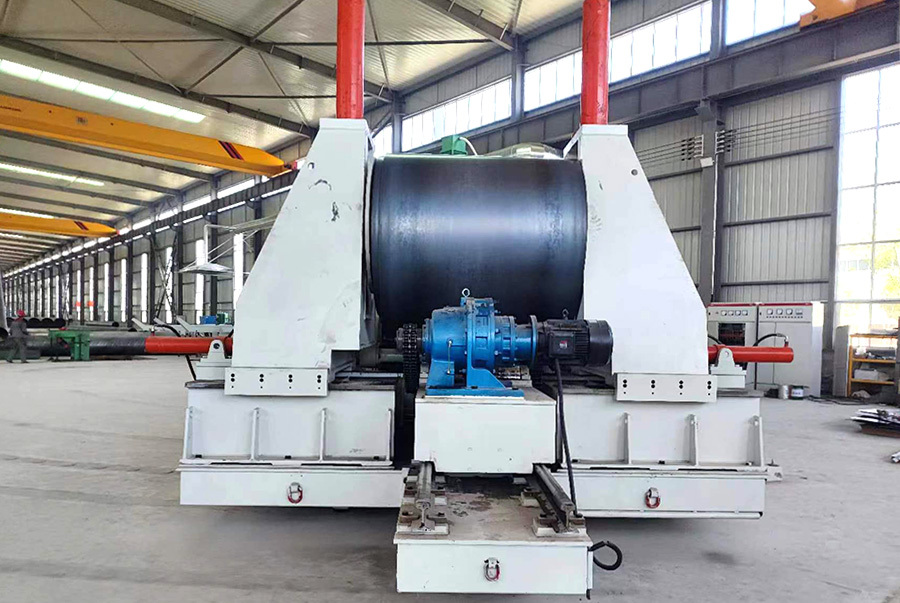
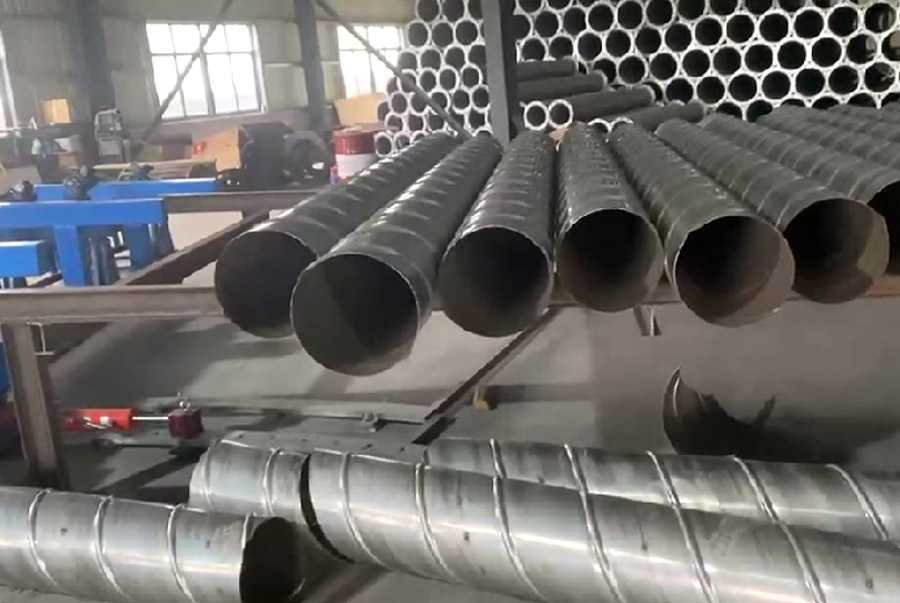
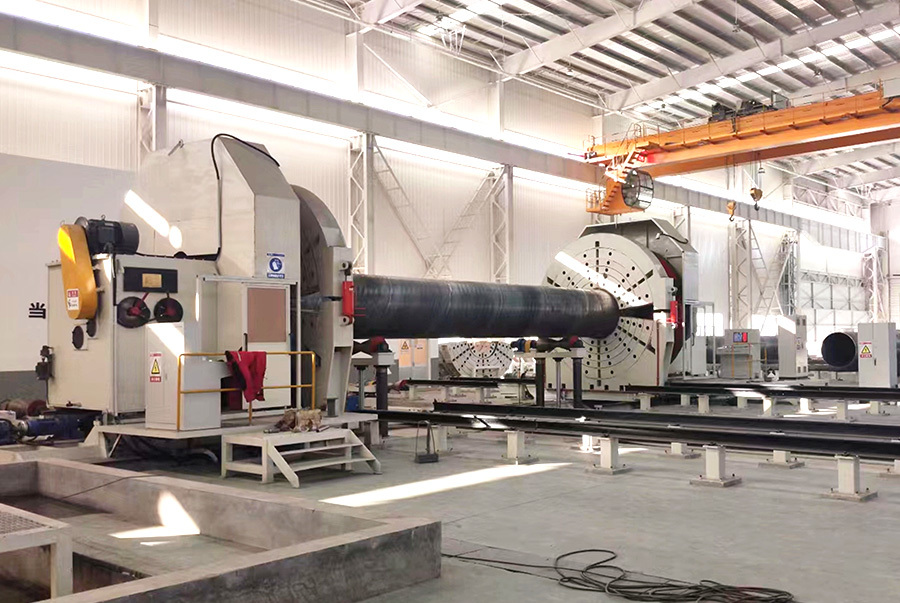
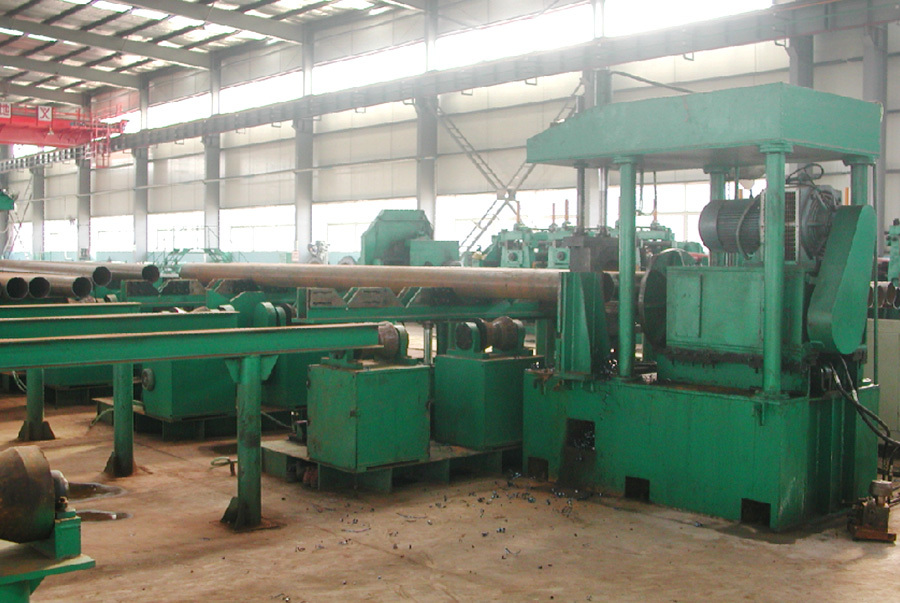
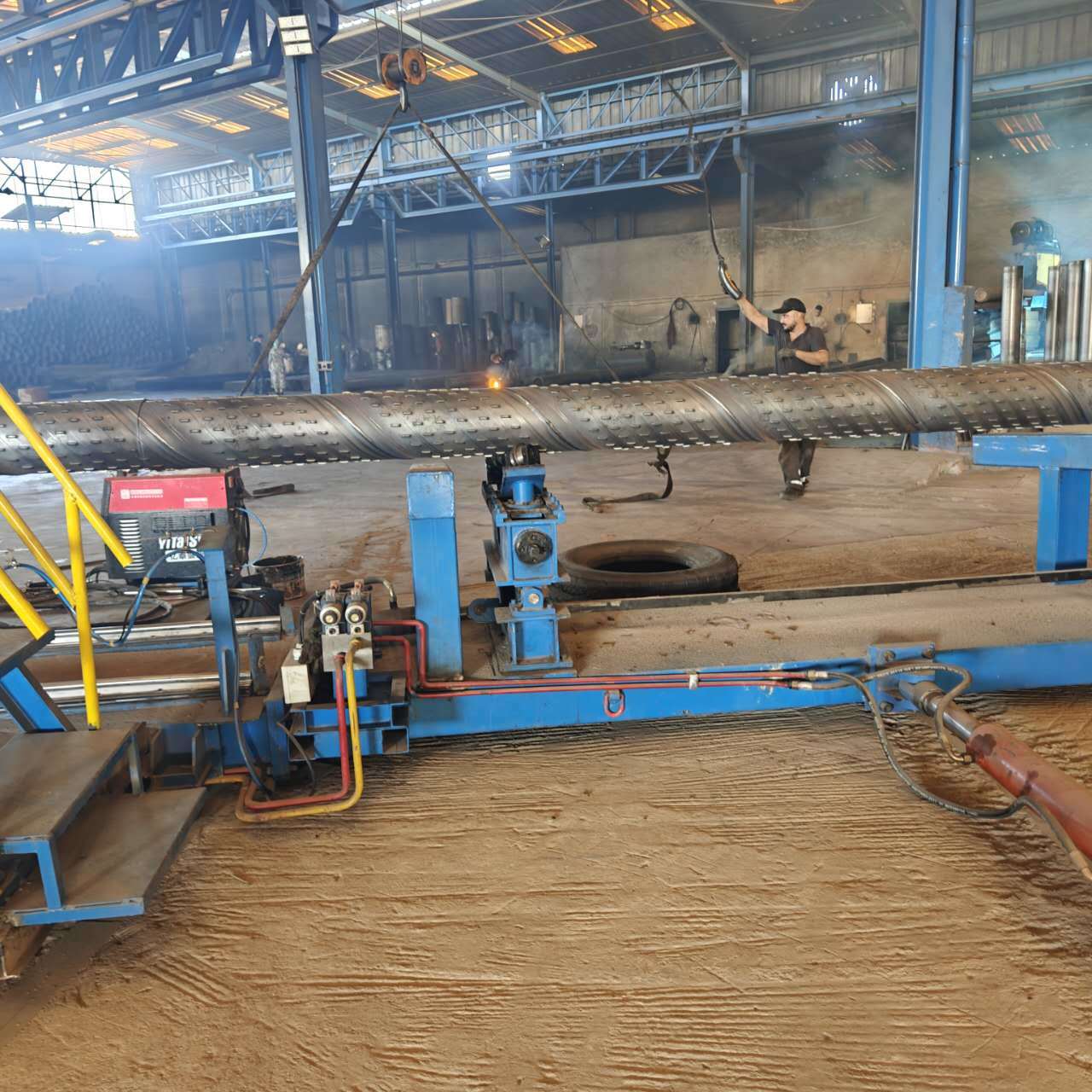
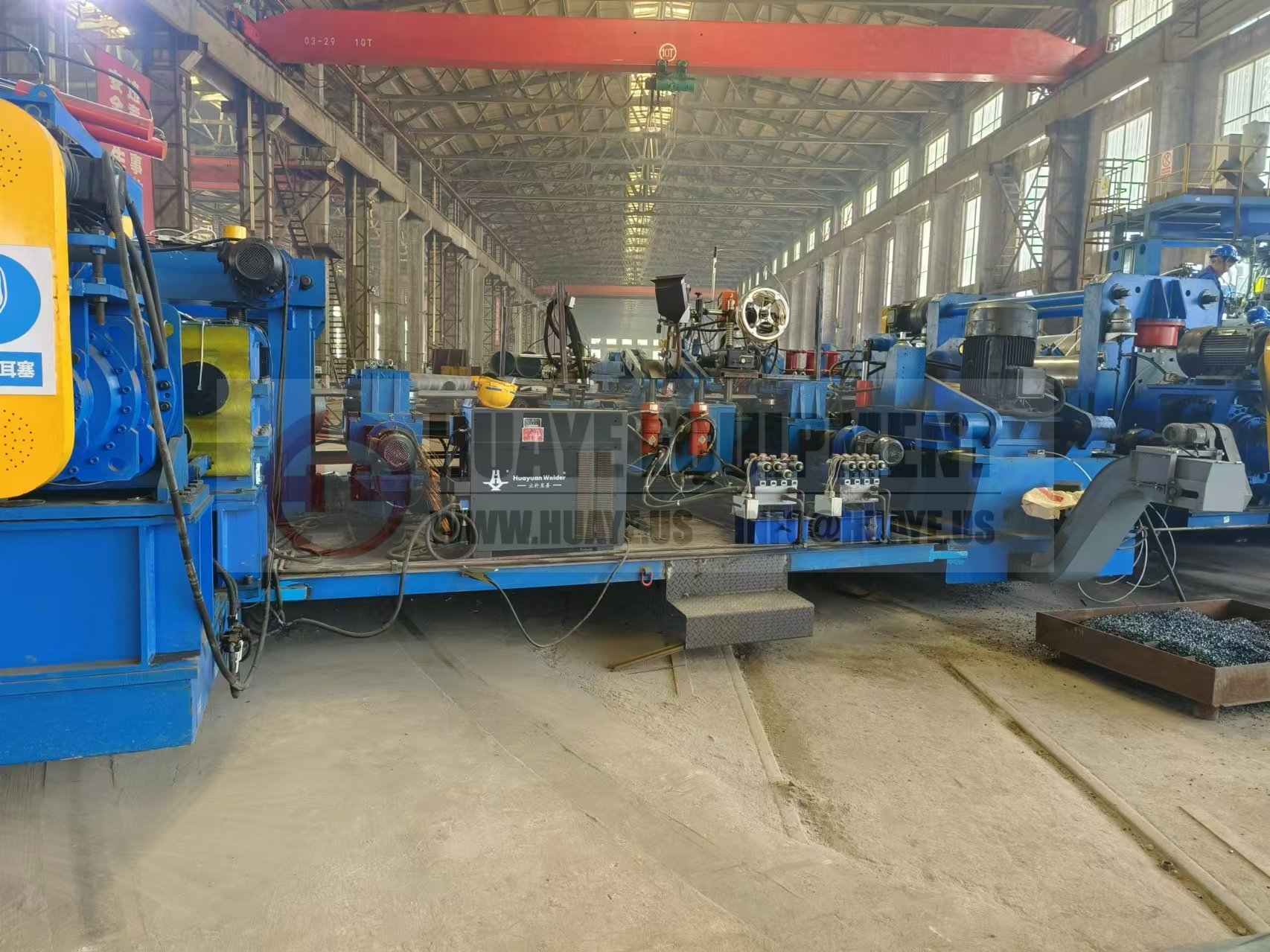
Spiral welded pipe machines are specialized industrial equipment designed for the production of spiral welded pipes, which are widely used in various sectors, including construction, oil and gas, and water supply systems. The process involves spirally welding strips of metal into a pipe shape, offering several advantages over traditional pipe manufacturing methods.
One of the key benefits of spira
Spiral welded pipe machines are specialized industrial equipment designed for the production of spiral welded pipes, which are widely used in various sectors, including construction, oil and gas, and water supply systems. The process involves spirally welding strips of metal into a pipe shape, offering several advantages over traditional pipe manufacturing methods.
One of the key benefits of spiral welded pipe machines is their efficiency. The spiral welding process allows for the continuous feeding of metal strips, significantly speeding up production rates compared to other welding techniques. This efficiency is vital in meeting the growing demand for pipes in industries such as construction and infrastructure, where timely delivery of materials is crucial.
Another important aspect of spiral welded pipe machines is their ability to produce pipes of varying diameters and wall thicknesses. This versatility makes them suitable for an extensive range of applications, from large-diameter pipes used in oil and gas pipelines to smaller ones utilized in residential plumbing systems. The ability to customize pipe dimensions helps manufacturers cater to specific project requirements, enhancing their competitiveness in the market.
Moreover, advancements in technology have led to the development of more sophisticated spiral welded pipe machines. Modern units often feature automated controls, allowing for precise adjustments during the welding process. This automation not only improves weld quality but also reduces the likelihood of human error, ultimately resulting in stronger and more reliable pipes. Additionally, with integrated monitoring systems, manufacturers can track production parameters in real-time, enabling immediate adjustments and quality control.
Safety is another critical factor in the operation of spiral welded pipe machines. The design of these machines incorporates various safety features, such as emergency stop buttons and protective barriers, to ensure the well-being of operators. Moreover, advancements in technology have led to the development of equipment that minimizes hazards associated with welding, such as fumes and heat exposure.
In conclusion, spiral welded pipe machines play a pivotal role in the industrial equipment landscape, particularly in welding and cutting sectors. Their efficiency, versatility, and the technological advancements they embody make them indispensable for manufacturers aiming to meet the increasing demands of various industries. By understanding the mechanisms and benefits of these machines, companies can better appreciate their impact on production processes and overall operational success. Whether you’re involved in the manufacturing of pipes or simply interested in the welding technology, the significance of spiral welded pipe machines in modern industry cannot be overstated.
Key words:
All
- All
- Product Management
- News
- Introduction
- Enterprise outlets
- FAQ
- Enterprise Video
- Enterprise Atlas
Related News
What Factors Should Be Considered in the Customized Design of a Large Pipe Machine?
Explore key factors in Large Pipe Machine customization, including pipe specifications, production processes, automation, auxiliary equipment, and manufacturer capabilities.
2026-11-19
What Key Parameters Should You Consider When Purchasing a Large Welded Pipe Production Line?
Learn the key parameters for choosing a Large Welded Pipe Production Line, including pipe specifications, welding quality, automation, auxiliary equipment, and manufacturer capabilities.
2026-11-19

How Can Large Pipe Production Equipment Meet the Demands of Thick-Walled Steel Pipe Manufacturing?
Discover how Large Pipe Production Equipment supports thick-wall steel pipe manufacturing through precise forming, reliable welding, and efficient production.
2026-11-18


Service E-mail
Hotline:
Address
Taiyuan City, Shanxi Province
To inquire about our products, please leave your email to us and we will contact you within 24 hours.