





How Longitudinal Welded Pipe Hydraulic Presses Boost Manufacturing Efficiency and Productivity
09 Dec,2024
How Longitudinal Welded Pipe Hydraulic Presses Boost Manufacturing Efficiency and Productivity
Table of Contents
1. Introduction to Longitudinal Welded Pipe Hydraulic Presses
2. The Mechanics of Hydraulic Presses
3. Applications in the Manufacturing Sector
4. Advantages of Longitudinal Welded Pipe Hydraulic Presses
5. Enhancing Production Efficiency through Technology
6. M
How Longitudinal Welded Pipe Hydraulic Presses Boost Manufacturing Efficiency and Productivity
Table of Contents
- 1. Introduction to Longitudinal Welded Pipe Hydraulic Presses
- 2. The Mechanics of Hydraulic Presses
- 3. Applications in the Manufacturing Sector
- 4. Advantages of Longitudinal Welded Pipe Hydraulic Presses
- 5. Enhancing Production Efficiency through Technology
- 6. Maintenance and Safety Considerations
- 7. Case Studies: Real-World Applications
- 8. Future Trends in Hydraulic Press Technology
- 9. Frequently Asked Questions
- 10. Conclusion
1. Introduction to Longitudinal Welded Pipe Hydraulic Presses
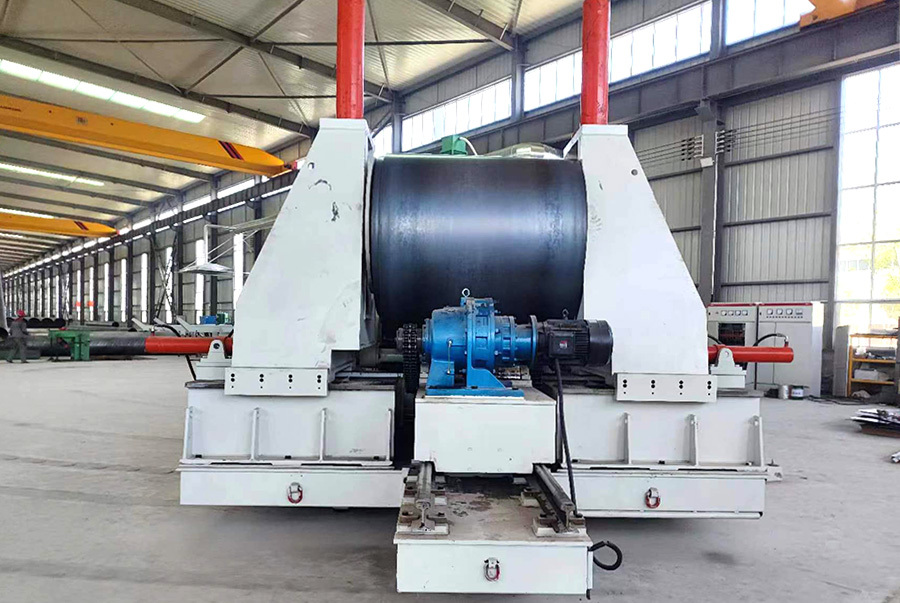
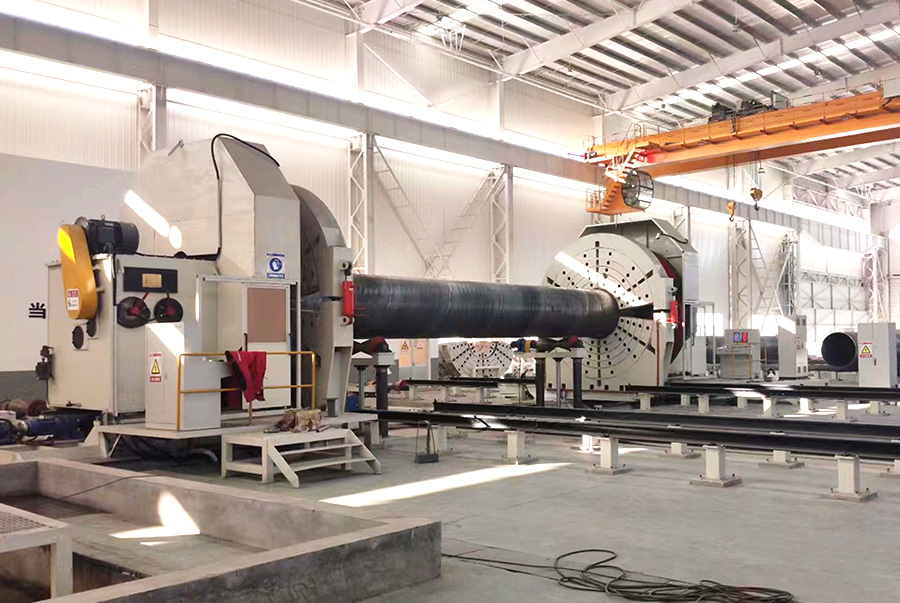
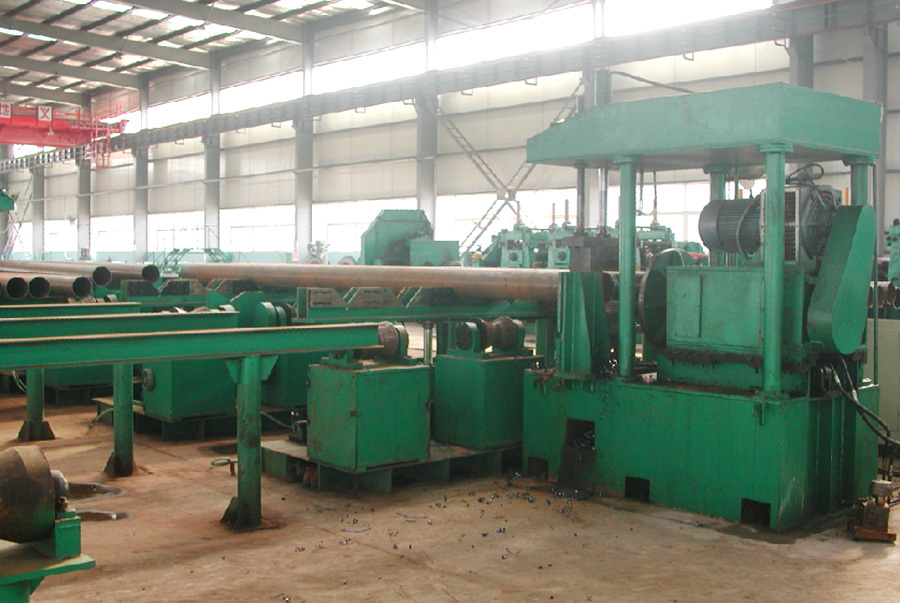
In the ever-evolving manufacturing landscape, efficiency is paramount. **Longitudinal welded pipe hydraulic presses** have emerged as a game-changer in the industry, streamlining processes and enhancing productivity. These machines are designed to apply pressure to materials, facilitating the creation of **seamless and robust welded pipes** that meet high standards of quality. Understanding how these presses work and their benefits can help manufacturers optimize their operations.
2. The Mechanics of Hydraulic Presses
Hydraulic presses operate on the basic principle of Pascal's law, which states that pressure applied to a confined fluid is transmitted undiminished throughout the fluid. The key components of a hydraulic press include the hydraulic cylinder, pump, and control system. When the pump activates, it generates hydraulic fluid that moves the piston within the cylinder, exerting force on the material being processed.
2.1 Key Components Explained
- **Hydraulic Cylinder:** The powerhouse of the press, where the actual work happens.
- **Pump:** Responsible for generating hydraulic fluid flow.
- **Control System:** Ensures precision in the application of pressure, allowing for adjustments based on material specifications.
3. Applications in the Manufacturing Sector
Longitudinal welded pipe hydraulic presses find a wide range of applications across various sectors. From automotive to construction, these machines are integral in producing components that require high strength and durability. They are primarily used for:
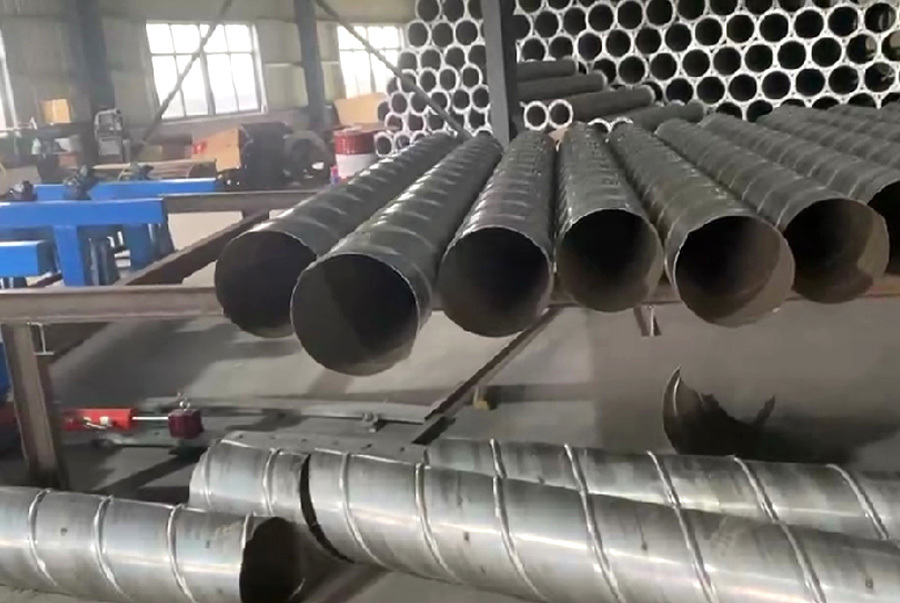
- **Pipe Manufacturing:** Creating pipes for oil, gas, and water transportation.
- **Structural Components:** Fabricating parts for buildings and infrastructure.
- **Automotive Parts:** Producing essential components for vehicles.
3.1 Sector-Specific Uses
Each industry leverages hydraulic presses to meet its unique manufacturing requirements. For example, in the **construction industry**, hydraulic presses ensure that piping systems can withstand extreme pressures and environmental conditions.
4. Advantages of Longitudinal Welded Pipe Hydraulic Presses
The benefits of utilizing longitudinal welded pipe hydraulic presses are multifaceted. Here are some of the most notable advantages:
- **Increased Efficiency:** The speed and power of hydraulic presses significantly reduce processing times.
- **Cost-Effectiveness:** Lower operational costs through reduced material waste and energy consumption.
- **Superior Product Quality:** Consistent pressure application leads to high-quality finished products with minimal defects.
4.1 Enhanced Precision and Control
The control systems integrated into modern hydraulic presses allow for precise adjustments, ensuring that products meet exact specifications. This precision is vital for industries where safety and reliability are critical.
5. Enhancing Production Efficiency through Technology
The integration of advanced technologies in hydraulic presses has led to substantial improvements in manufacturing efficiency. Features such as **computer numerical control (CNC)** and **automation** have transformed traditional presses into smart machines that can operate autonomously.
5.1 Automation in Hydraulic Presses
Automating processes with hydraulic presses can lead to increased throughput and decreased labor costs. Automated systems can quickly adapt to various production requirements, allowing manufacturers to respond swiftly to market demands.
6. Maintenance and Safety Considerations
While longitudinal welded pipe hydraulic presses offer numerous benefits, proper maintenance and safety protocols are essential to ensure their longevity and safe operation. Regular maintenance checks can prevent breakdowns and enhance performance.
6.1 Safety Protocols for Operators
Operators must be trained in safety procedures to minimize risks. This includes understanding emergency shut-off mechanisms and wearing appropriate personal protective equipment (PPE).
7. Case Studies: Real-World Applications
Examining real-world applications can provide insight into how longitudinal welded pipe hydraulic presses have transformed operations for various manufacturers.
7.1 Successful Implementation in Pipe Manufacturing
A notable case involved a pipe manufacturing facility that integrated hydraulic presses into its production line. By doing so, they reduced production time by 30% and improved product quality, resulting in greater customer satisfaction.
8. Future Trends in Hydraulic Press Technology
As technology continues to evolve, so does the potential for hydraulic presses. Emerging trends include the incorporation of **IoT (Internet of Things)** for real-time monitoring and predictive maintenance, increasing operational efficiency and reducing downtime.
8.1 Sustainable Manufacturing Practices
The push towards sustainability in manufacturing is leading to innovations in hydraulic press technology that promote **energy efficiency** and **reduced environmental impact**.
9. Frequently Asked Questions
9.1 What is a longitudinal welded pipe hydraulic press?
A longitudinal welded pipe hydraulic press is a machine used to create welded pipes by applying high pressure to the material, ensuring strong and durable seams.
9.2 How does hydraulic pressure enhance manufacturing?
Hydraulic pressure allows for consistent and controlled application of force, leading to improved efficiency and product quality in manufacturing processes.
9.3 What industries benefit from hydraulic presses?
Industries such as automotive, construction, and oil and gas significantly benefit from the use of hydraulic presses in their manufacturing processes.
9.4 How can I ensure the longevity of my hydraulic press?
Regular maintenance checks, operator training, and following safety protocols are key to ensuring the longevity and safe operation of hydraulic presses.
9.5 What are the future advancements in hydraulic press technology?
Future advancements may include IoT integration for monitoring, predictive maintenance features, and innovations focused on sustainability.
10. Conclusion
Longitudinal welded pipe hydraulic presses represent a significant advancement in the manufacturing sector. Their ability to enhance productivity, reduce costs, and improve product quality makes them invaluable to various industries. As technology continues to advance, these presses will evolve, further solidifying their role as essential tools in modern manufacturing. By embracing these innovations, manufacturers can stay ahead of the competition and achieve operational excellence.
Key words:
All
- All
- Product Management
- News
- Introduction
- Enterprise outlets
- FAQ
- Enterprise Video
- Enterprise Atlas
Related News
Essential Insights into Pipe Prepping Machines: A Comprehensive Guide
In the manufacturing and processing machinery sector, particularly in the realm of electric tools, the pipe prepping machine stands out as a crucial tool for ensuring high-quality pipe preparation. These machines are designed to prepare pipe edges for welding and other applications, making them a vital component in various industrial processes. Understanding the functionality and advantages of pip
2025-12-08
How to Ensure Your Pipe Welding Equipment Meets Industry Standards
How to Ensure Your Pipe Welding Equipment Meets Industry Standards
Table of Contents
Understanding Industry Standards for Pipe Welding Equipment
Importance of Compliance with Industry Standards
Key Components of Pipe Welding Equipment
Regulatory Bodies and Standards Governing Pipe Welding
Regular Maintenance and Inspection of Welding Equipment
Training and Certification fo
2025-12-03
Essential Guide to Pipe Welding Equipment for Efficient Manufacturing
Pipe welding equipment plays a crucial role in various manufacturing processes, particularly in industries that involve metal fabrication and assembly. Whether you're working with steel, aluminum, or other metals, understanding the different types of equipment and their functionalities can enhance efficiency and quality.
One of the primary components of pipe welding equipment is the welding machin
2025-11-28


Service E-mail
Service TEL
Hotline:
Address
Taiyuan City, Shanxi Province
To inquire about our products, please leave your email to us and we will contact you within 24 hours.