





How to Choose the Right industrial spiral pipe machine Based on Steel Pipe Specifications
28 Oct,2026
Huaye
Learn how to choose an industrial spiral pipe machine based on pipe specifications, production needs, and equipment performance.
In spiral welded pipe production, steel pipe specifications are an important basis for equipment selection. Different projects have different requirements for pipe diameter, wall thickness, length, and production accuracy. If the equipment does not match actual production needs, it may affect forming quality, welding stability, and production efficiency. Therefore, when purchasing an industrial spiral pipe machine, manufacturers should comprehensively evaluate target product specifications, raw material conditions, and production plans to ensure that the equipment meets long-term manufacturing requirements.

Determine the Processing Range Based on Pipe Diameter and Wall Thickness
Pipe diameter and wall thickness are two of the most important parameters when selecting an industrial spiral pipe machine. Spiral welded pipes are generally manufactured through continuous steel strip forming and welding. The forming structure, roller configuration, and welding system must match the specifications of the target pipes.
For manufacturers producing large-diameter steel pipes, it is important to consider the maximum forming diameter, steel strip width range, and adjustability of the forming angle. If production involves multiple pipe diameters, buyers should also confirm whether the equipment can switch flexibly between different specifications and whether adjustments are convenient to perform. A suitable processing range helps manufacturers respond to orders from different customers.
Wall thickness also plays an important role in equipment selection. Steel strips of different thicknesses have different deformation resistance during forming, placing different demands on equipment structural strength, driving capacity, and forming accuracy. Manufacturers should confirm that the equipment can process their commonly used wall thicknesses rather than focusing solely on the maximum pipe diameter.
In addition, pipe length, material type, and steel strip width should be included in the evaluation. For production lines handling a wide range of specifications, manufacturers should provide equipment suppliers with typical product parameters in advance and clarify the specifications that the machine can process reliably. This helps prevent situations in which certain products cannot be manufactured properly after installation.

Evaluate Production Processes and Supporting Equipment for the Entire Line
When selecting an industrial spiral pipe machine, manufacturers should consider not only the main machine's specifications but also the coordination of processes throughout the spiral welded pipe production line. Steel pipe manufacturing typically involves steel strip uncoiling, leveling, strip end joining, forming, welding, cut-to-length operations, and pipe end processing. These processes must maintain a reasonable production rhythm.
For manufacturers mainly producing standard pipe specifications, operational stability, ease of specification adjustment, and continuous production capacity are important considerations. For production lines specializing in large-diameter or thick-wall steel pipes, buyers should further verify whether the main machine structure, drive system, welding equipment, and cutting devices meet the relevant process requirements.
Supporting equipment also affects the actual production capacity of the entire line. For example, if the forming speed is high but the welding, cutting, or subsequent pipe end processing capacity is insufficient, production bottlenecks may occur. This prevents the main machine from achieving its full potential. Therefore, equipment procurement should involve evaluating the compatibility of all production stages rather than comparing the technical specifications of individual machines alone.
The level of automation is another factor to consider. A well-designed control system can help operators monitor forming parameters, adjust production speeds, and record key production data. For manufacturers that frequently switch between pipe specifications, the clarity of the operating interface, the convenience of parameter adjustments, and the availability of essential safety protection features should all be carefully evaluated before purchase.
Before finalizing an equipment solution, manufacturers should prepare a list of commonly produced pipe specifications, estimated output requirements, raw material parameters, and quality standards. They should then ask equipment suppliers to recommend suitable configurations and provide a technical proposal based on actual production needs.

Consider Production Requirements, Maintenance, and Long-Term Costs
The most suitable industrial spiral pipe machine is not necessarily the one with the widest processing range or the highest level of automation. Instead, it should match the manufacturer's actual production plans. Equipment with excessive capacity may increase initial investment and maintenance costs, while equipment with a limited processing range may restrict future business expansion.
Manufacturers can evaluate equipment suitability based on their order structure. If production mainly involves a small number of fixed specifications, they should focus on operational stability, production efficiency, and forming accuracy under those specific conditions. If the product range is broader, specification changeover capability, adjustment time, and quality consistency across different pipe sizes become more important.
Maintenance costs should not be overlooked. Key components, the availability of wear parts, lubrication requirements, maintenance access, and after-sales technical support all affect long-term operating performance. Before purchasing an industrial spiral pipe machine, manufacturers should understand the maintenance intervals of major components, common troubleshooting procedures, and spare parts availability. This helps reduce the impact of maintenance work on production schedules.
In addition, manufacturers are advised to verify equipment performance through sample processing, trial production, or technical acceptance testing. Key checks should include pipe diameter, roundness, compatibility with the required wall thickness range, weld quality, and cutting dimensions. The machine's stability during continuous operation should also be evaluated. Actual processing results provide a more reliable basis for decision-making than equipment specifications or promotional materials alone.
In summary, selecting an industrial spiral pipe machine based on steel pipe specifications requires a comprehensive assessment of product parameters, production processes, line configuration, quality requirements, and long-term operating costs. A clear understanding of manufacturing needs enables companies to develop a more practical and cost-effective equipment procurement plan.
Frequently Asked Questions (Q&A)
Q1: What are the most important steel pipe parameters when selecting an industrial spiral pipe machine?
A: Pipe diameter and wall thickness are the primary parameters. Manufacturers should also consider pipe length, material type, steel strip width, and product quality requirements. Together, these factors determine the machine's processing range and configuration needs.
Q2: Can one industrial spiral pipe machine produce steel pipes in multiple specifications?
A: This depends on the machine's design range, forming structure, and adjustment capabilities. Before purchasing, manufacturers should confirm the minimum and maximum pipe diameters, supported wall thickness range, and operating requirements for switching between specifications.
Q3: Should supporting equipment also be considered when purchasing an industrial spiral pipe machine?
A: Yes. Equipment for uncoiling, leveling, welding, cutting, and pipe end processing should be compatible with the main machine's capacity. Proper coordination helps reduce production bottlenecks and improves the operating efficiency of the entire production line.
Key words:
All
- All
- Product Management
- News
- Introduction
- Enterprise outlets
- FAQ
- Enterprise Video
- Enterprise Atlas
Related News
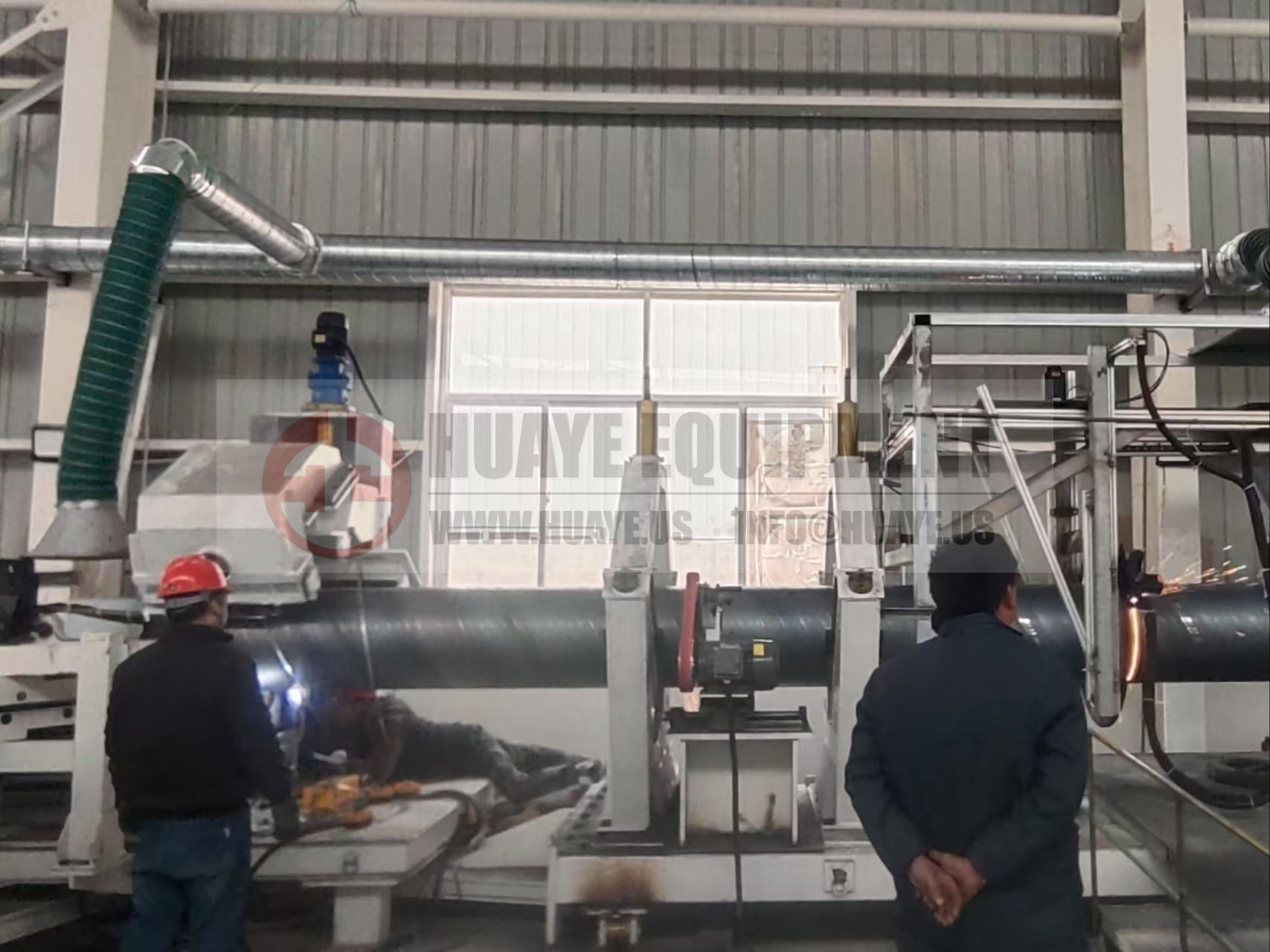
What Are the Key Criteria for Choosing a 1420mm Spiral Pipe Mill Manufacturer?
Learn how to choose a 1420mm Spiral Pipe Mill manufacturer by evaluating equipment quality, technical expertise, production capacity, and after-sales support.
2026-11-11
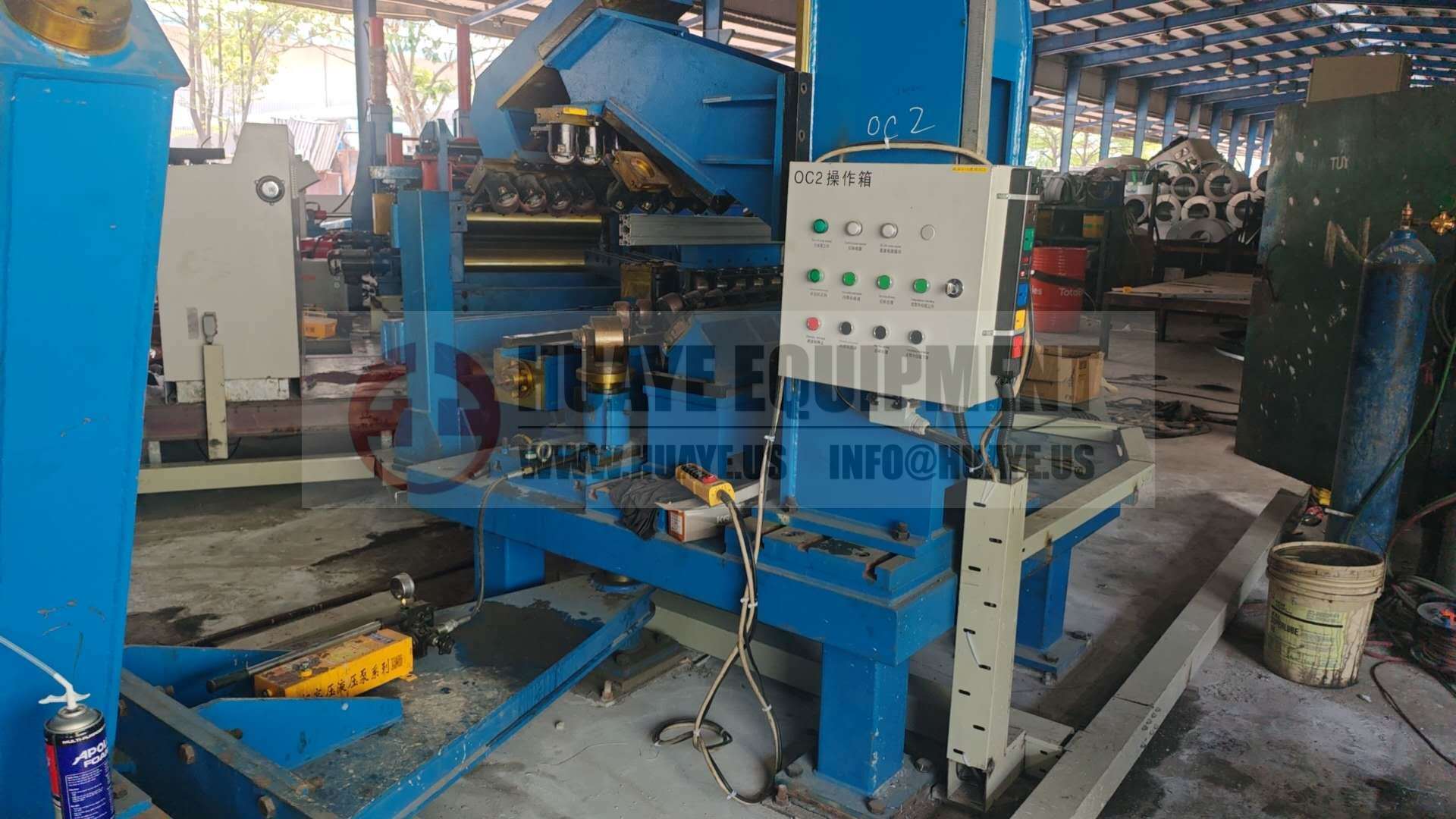
Discover how an Industrial Steel Pipe Mill improves dimensional accuracy, welding quality, automation, and production efficiency through precise process control.
2026-11-11
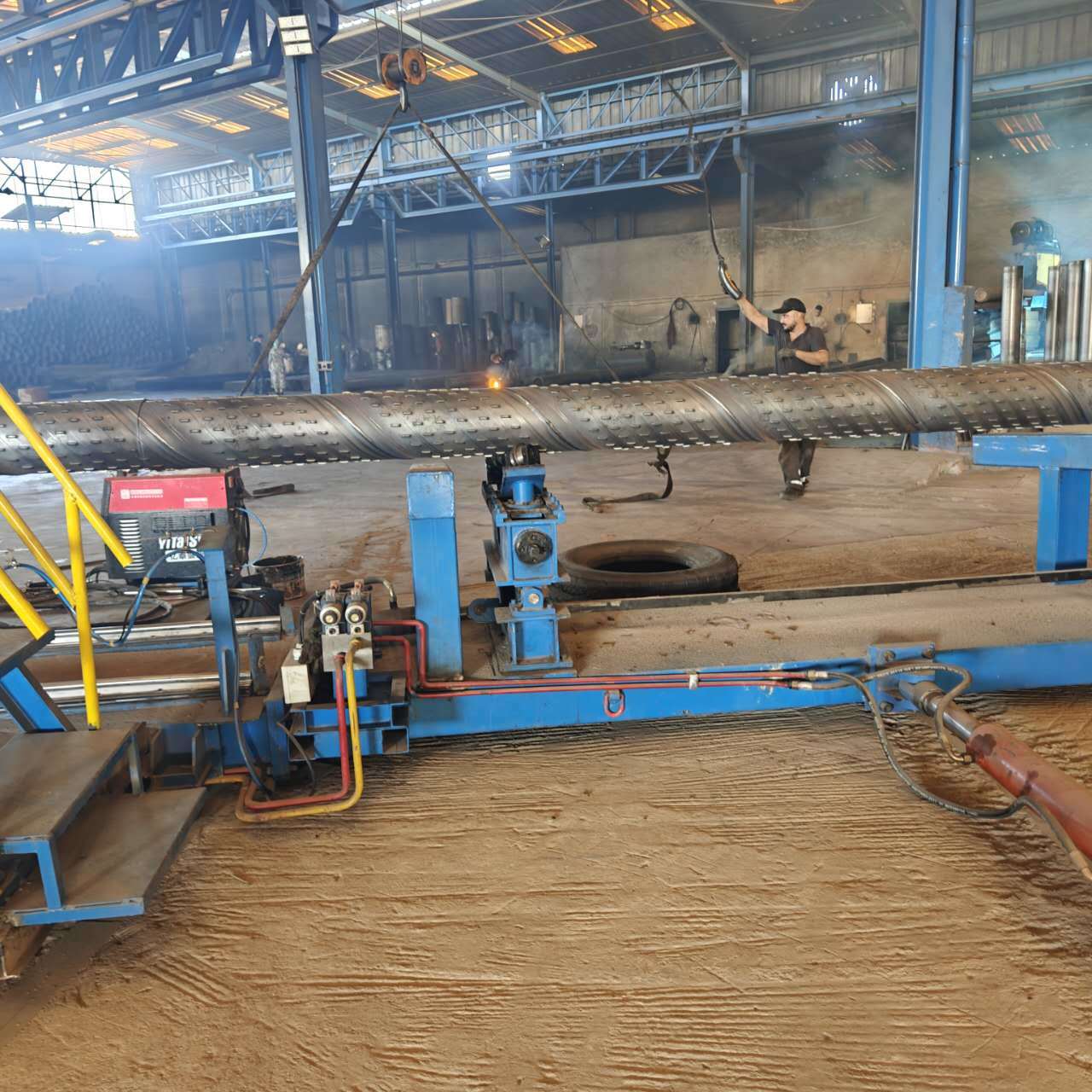
Automation Development Trends and Application Value of Heavy Duty Steel Pipe Manufacturing Equipment
Explore the automation trends and applications of heavy duty steel pipe manufacturing equipment, from welding and pipe-end processing to intelligent production control.
2026-11-10


Service E-mail
Hotline:
Address
Taiyuan City, Shanxi Province
To inquire about our products, please leave your email to us and we will contact you within 24 hours.