




How Does an Industrial Steel Pipe Mill Achieve Precise Control Throughout the Steel Pipe Production Process?
11 Nov,2026
Huaye
Discover how an Industrial Steel Pipe Mill improves dimensional accuracy, welding quality, automation, and production efficiency through precise process control.
With the development of oil and gas transportation, energy engineering, infrastructure construction, and industrial manufacturing, the market has placed higher demands on steel pipe dimensional accuracy, welding quality, and production stability. For steel pipe manufacturers, even minor deviations during production can affect the quality and performance of finished products. Therefore, achieving precise control through an Industrial Steel Pipe Mill has become an important factor in improving production efficiency and product competitiveness.
Precise Control Starts with Raw Materials and Processing Parameters
Steel pipe quality control begins with raw material inspection. Differences in steel thickness, width, strength, and surface condition can directly affect subsequent forming and welding processes.
During the operation of an Industrial Steel Pipe Mill, processing parameters should be properly adjusted according to steel specifications and industrial steel pipe millproduct requirements to ensure stable material feeding. At the same time, inspecting steel strip dimensions, surface quality, and material conditions helps reduce the impact of raw material variations on subsequent production stages.
For manufacturers producing steel pipes with different diameters and wall thicknesses, establishing standardized raw material inspection procedures helps improve production consistency.
Controlling Steel Pipe Dimensional Accuracy Through Forming Equipment
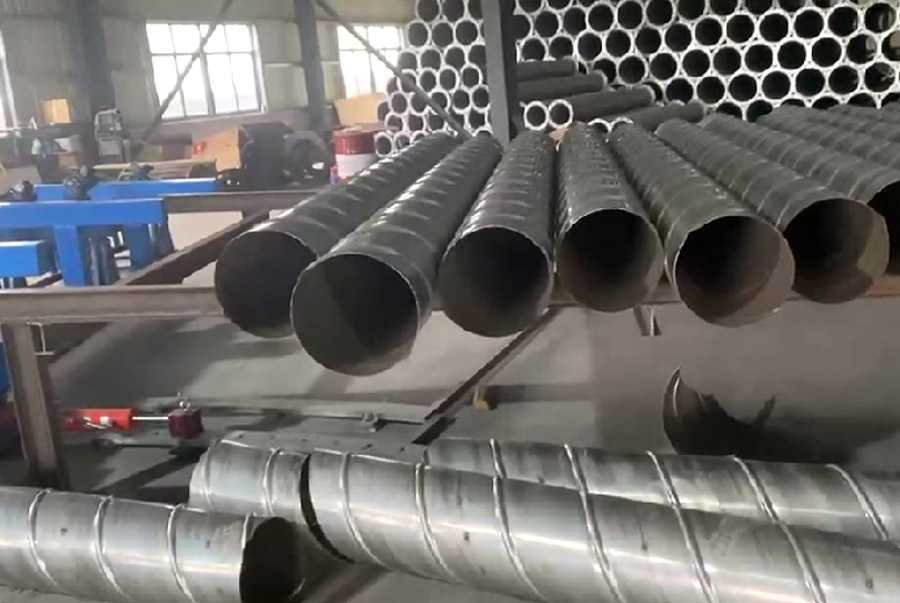
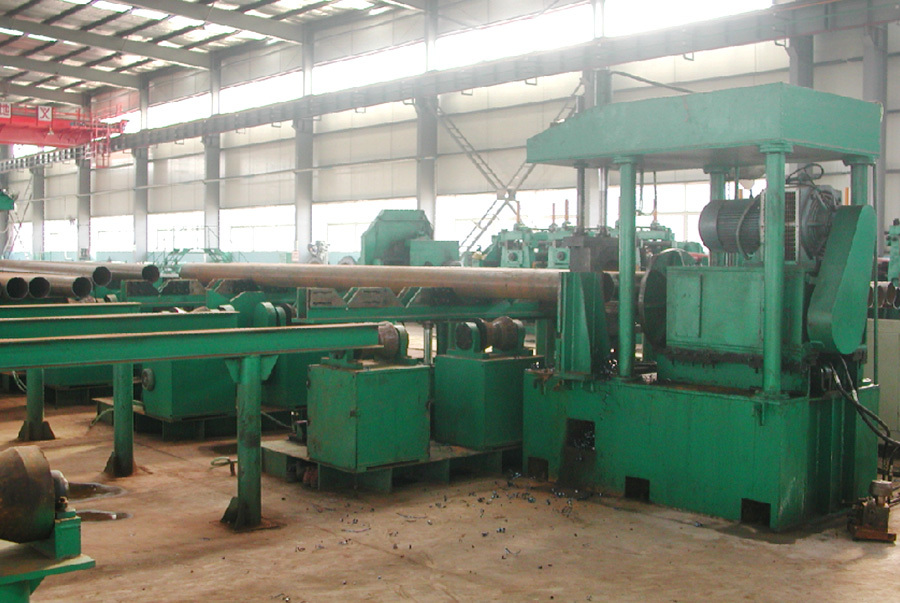
Pipe forming is a critical stage that affects product dimensional accuracy. In particular, during spiral welded pipe and longitudinal welded pipe production, steel strip feeding, bending angles, forming pressure, and equipment operating speed can all influence the final pipe geometry.
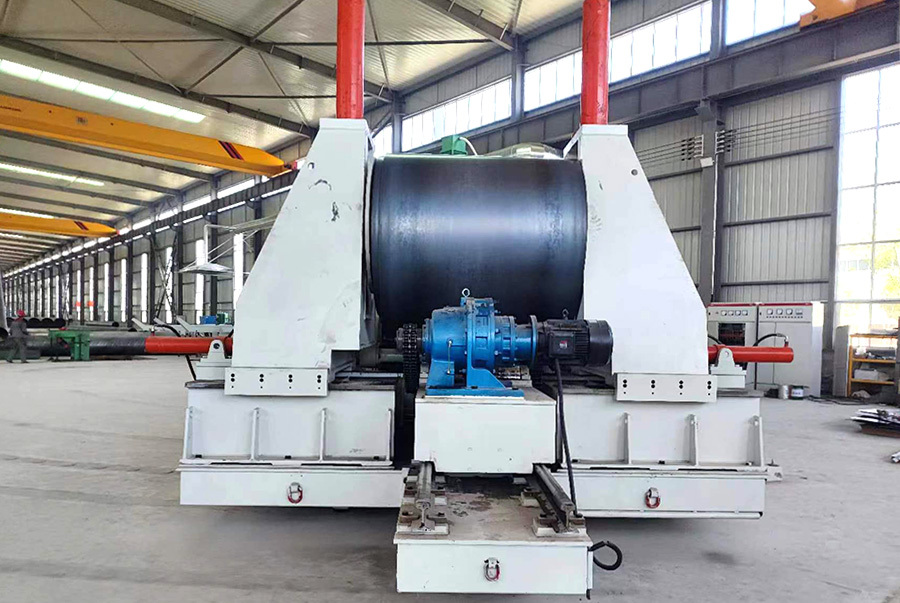
A high-performance Industrial Steel Pipe Mill relies on a well-designed equipment structure and stable transmission system to control the position and force applied to the steel strip during forming. Production parameters also need to be adjusted according to pipe diameter, wall thickness, and material characteristics to prevent uneven forming, dimensional deviations, and pipe deformation.
For large-diameter steel pipe production lines, forming equipment stability is particularly important. Proper equipment configuration helps manufacturers improve production flexibility when handling different pipe specifications.

Maintaining Stability During the Welding Process
Welding quality directly affects the structural integrity and service safety of steel pipes. During manufacturing, factors such as welding speed, current, voltage, weld position, and welding gap all require effective control.
An Industrial Steel Pipe Mill can reduce quality fluctuations through stable welding equipment and properly configured process parameters. For production lines using the submerged arc welding process, manufacturers also need to pay attention to flux management, welding position, and weld formation.
In addition, combining non-destructive testing with visual weld inspections helps identify potential defects in time and prevents nonconforming products from entering subsequent production stages.
Improving Production Control Through Automation Systems
Modern steel pipe production lines are increasingly moving toward automation and digitalization. By integrating PLC control systems, sensors, and inspection devices, manufacturers can monitor equipment operating conditions and production parameters more efficiently.
For example, automated control systems can help manage steel strip feeding speed, forming equipment operation, and key welding parameters. When equipment abnormalities occur, the system can generate corresponding alarm signals, allowing operators to respond promptly.
Furthermore, recording and analyzing production data helps manufacturers identify quality differences between production batches and provides a reference for subsequent process adjustments.

Improving Product Consistency Through Comprehensive Inspection Procedures
Precise control is not limited to the production process. It must also be verified through comprehensive inspection procedures. After forming and welding, steel pipes generally undergo dimensional inspection, visual examination, weld inspection, and other necessary performance tests.
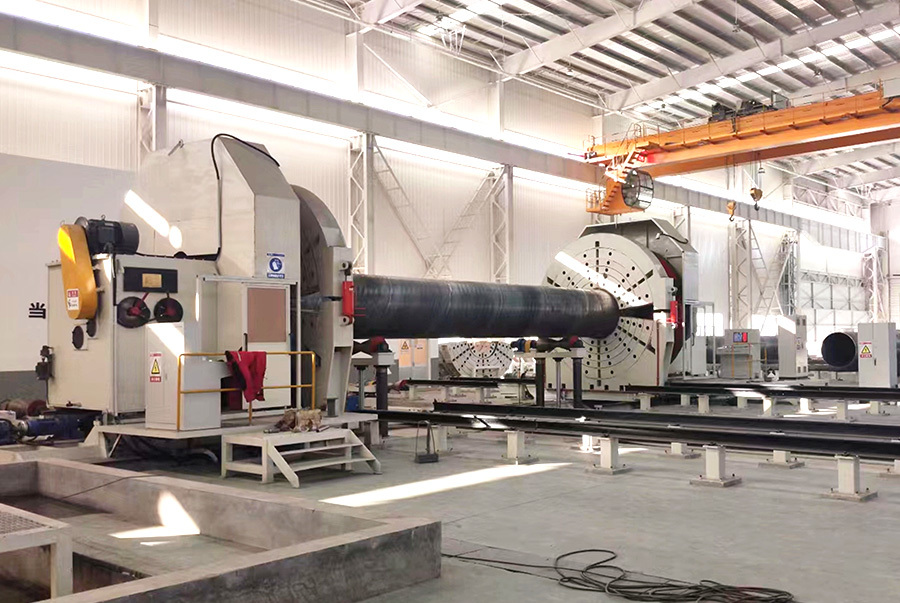
Depending on product applications and relevant standards, manufacturers can equip their production lines with hydrostatic testing machines, pipe end beveling machines, and other finishing and inspection equipment to establish a more complete steel pipe production process.
Hydrostatic testing helps evaluate the pressure resistance of steel pipes, while pipe end processing equipment helps ensure accurate pipe end dimensions and machining quality. Proper coordination between different machines reduces potential gaps in production quality control.

Choosing the Right Industrial Steel Pipe Mill Manufacturer
Precise control throughout steel pipe production depends on equipment design, manufacturing quality, and system integration capabilities. When purchasing an Industrial Steel Pipe Mill, manufacturers should consider more than just production speed. Forming accuracy, welding configurations, automation levels, production flexibility, and after-sales maintenance services should also be evaluated.
Taiyuan Huaye Heavy Industry Co., Ltd. specializes in the design and manufacturing of spiral welded pipe mills and supporting steel pipe processing equipment. Its product range includes spiral welded pipe mills, pipe end beveling machines, hydrostatic testing machines, and pipe end expanding machines, providing equipment support for different stages of steel pipe manufacturing.
For manufacturers planning to establish new production lines or upgrade existing facilities, equipment configurations should be selected according to target pipe diameters, wall thicknesses, production standards, and capacity requirements. Through proper production line planning and stable equipment operation, manufacturers can further improve steel pipe quality control and overall production efficiency.
Key words:
All
- All
- Product Management
- News
- Introduction
- Enterprise outlets
- FAQ
- Enterprise Video
- Enterprise Atlas
Related News

What Are the Key Criteria for Choosing a 1420mm Spiral Pipe Mill Manufacturer?
Learn how to choose a 1420mm Spiral Pipe Mill manufacturer by evaluating equipment quality, technical expertise, production capacity, and after-sales support.
2026-11-11

Discover how an Industrial Steel Pipe Mill improves dimensional accuracy, welding quality, automation, and production efficiency through precise process control.
2026-11-11
Automation Development Trends and Application Value of Heavy Duty Steel Pipe Manufacturing Equipment
Explore the automation trends and applications of heavy duty steel pipe manufacturing equipment, from welding and pipe-end processing to intelligent production control.
2026-11-10


Service E-mail
Hotline:
Address
Taiyuan City, Shanxi Province
To inquire about our products, please leave your email to us and we will contact you within 24 hours.