





Automatic pipe welding machine: how it works and key buying factors
12 Oct,2026
Huaye
Learn about the working principles, application scenarios, and key purchasing factors of automatic pipe welding machines to help enterprises improve welding efficiency and product quality.
As industrial manufacturing places increasingly high demands on steel pipe weld quality, production efficiency, and product consistency, automatic pipe welding equipment has become essential machinery for pipe processing enterprises. Compared to traditional manual welding, automated equipment performs welding operations based on preset parameters, minimizing the impact of human factors on weld quality and enhancing continuous production capabilities. For companies producing water pipelines, oil and gas transmission lines, piling pipes, and structural steel pipes, understanding the working principles, scope of application, and key selection criteria for automatic pipe welding machines helps in choosing the right equipment to establish stable, efficient welding production workflows.
What are the working principles of an automatic pipe welding machine?
An automatic pipe welding machine is a piece of equipment that achieves the automated welding of pipes or steel tubes through the coordinated operation of mechanical controls, electrical systems, and welding processes. Depending on the production line configuration and welding requirements, the equipment can employ various welding methods and integrate functions such as material feeding, positioning, clamping, and weld tracking to complete the process.
In actual production, the equipment typically begins by loading and positioning the steel plate or pipe to ensure the area to be welded meets process specifications. Subsequently, clamping mechanisms or guide devices secure the workpiece in place, and the control system initiates the welding process based on preset parameters. The welding torch or mechanism moves along a prescribed speed and trajectory while maintaining specific current, voltage, and welding speed settings, allowing the weld seam to form progressively.
For continuous steel pipe manufacturing lines, the automatic welding system must also operate in coordination with forming, conveying, and other auxiliary equipment. By controlling welding speed, wire feed speed, and relevant process parameters, the equipment helps maintain the stability of the welding process. Once welding is complete, the workpiece proceeds to subsequent inspection or processing stages.
It is important to note that automation does not eliminate the need for human involvement entirely. Operators remain responsible for equipment commissioning, setting process parameters, routine maintenance, and inspecting weld quality.
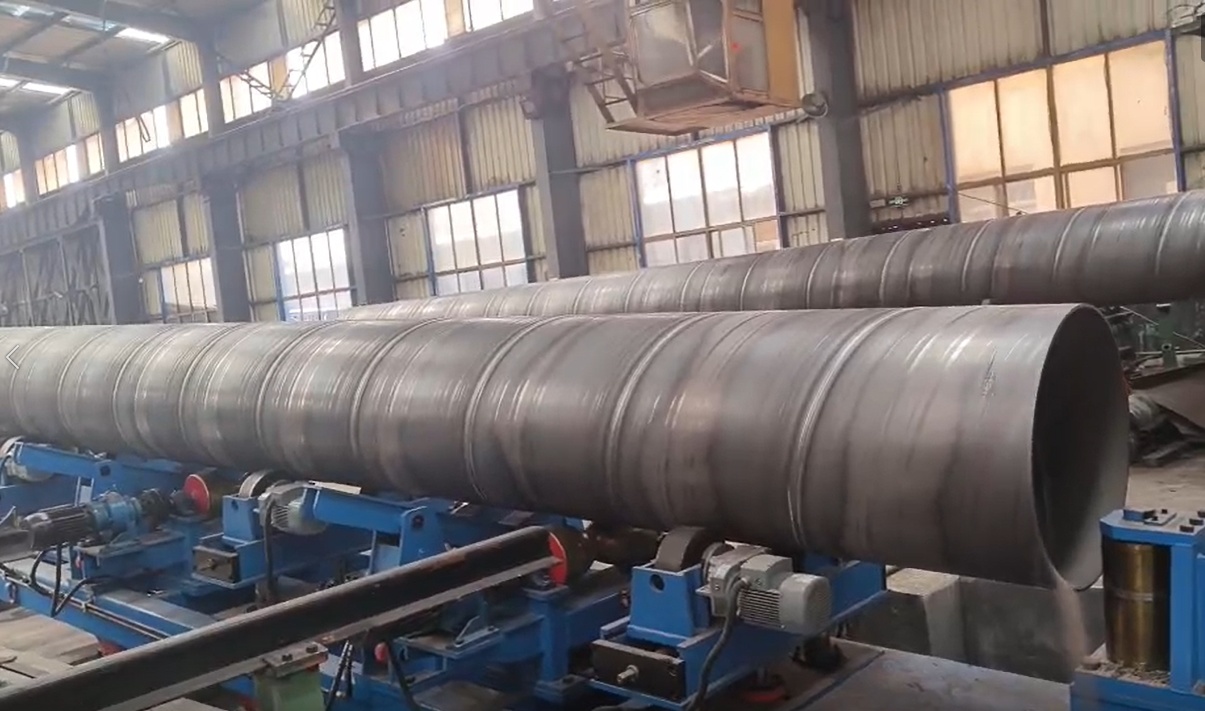
Main components and application scenarios of automatic pipe welding equipment
A complete automatic pipe welding system typically comprises a welding power source, a welding execution mechanism, a mechanical positioning system, a motion control system, cooling or shielding systems, and safety protection devices. The specific configuration of the equipment depends on the welding process, pipe specifications, and production line requirements.
The welding power source supplies stable welding energy; the execution mechanism controls the position and movement of the welding torch; positioning and clamping devices minimize workpiece misalignment; and the control system coordinates the operation of various components while allowing operators to adjust critical process parameters. Some equipment may also feature seam tracking, process monitoring, and automatic alarm functions to detect anomalies promptly.
In terms of application, automatic pipe welding machines are suitable for various steel pipe manufacturing and processing scenarios:
- Water Pipeline Production: Suitable for manufacturing processes requiring weld continuity and structural reliability.
- Oil and Gas Pipeline Manufacturing: Can be used for welding production based on specific pipe dimensions and welding standards.
- Pipe Pile Processing: Suitable for manufacturing steel pipe piles and related tubular products used in construction foundation engineering.
- Structural Steel Pipe Production: Can be used for processing pipes required for building structures, industrial facilities, and other steel structure projects.
Suitability must be determined based on the specific design capabilities of the equipment. Equipment designed for circumferential pipe welding may not necessarily be suitable for the continuous production of spiral-welded or longitudinal-welded pipes. Before purchasing, it is essential to clarify the product structure and weld type, rather than judging suitability solely by the equipment's name.
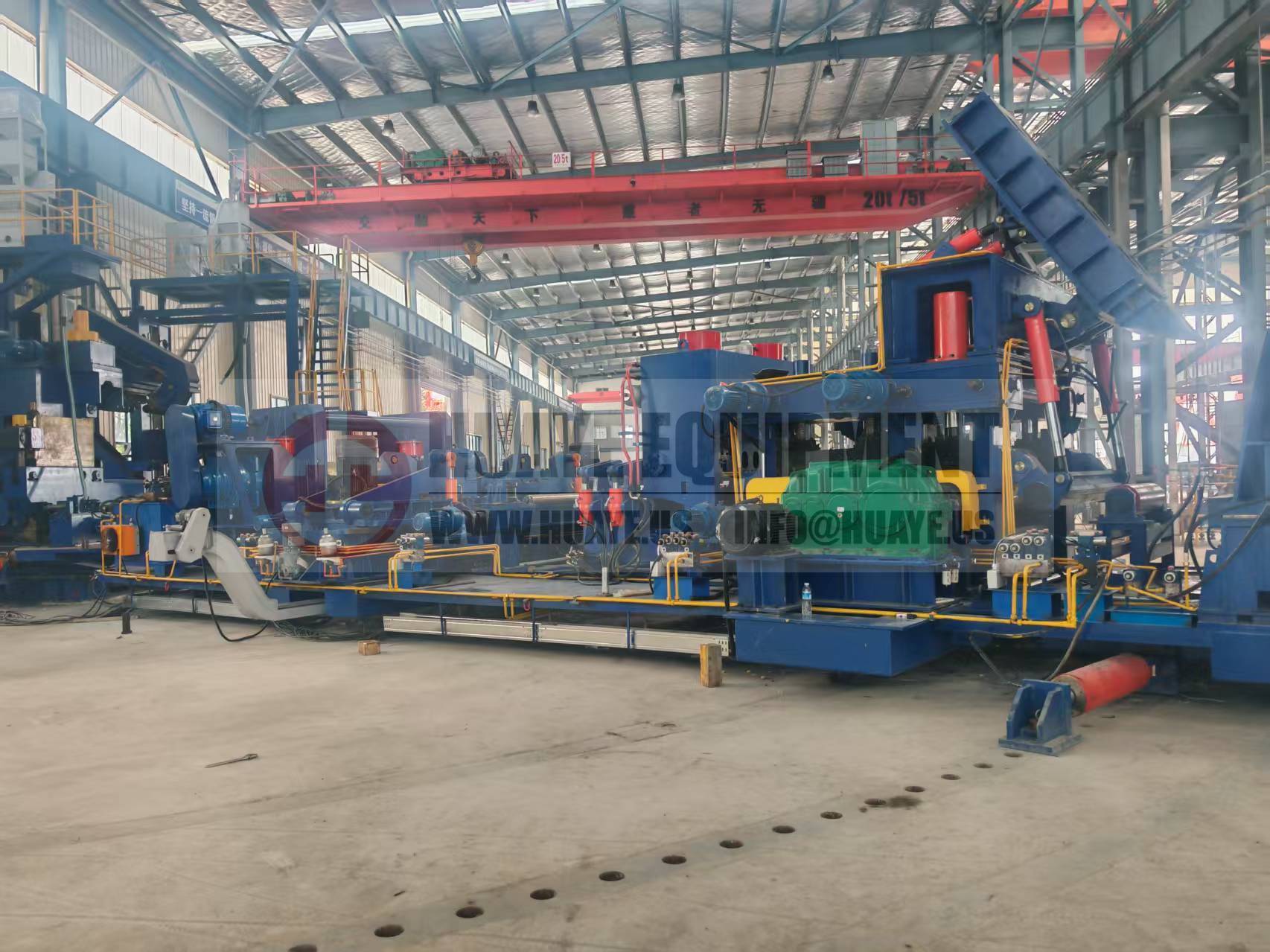
What factors should be considered before purchasing an automatic pipe welding machine?
When selecting automatic pipe welding equipment, one should not focus solely on the level of automation; instead, a comprehensive evaluation should be conducted, taking into account product specifications, production cycle times, welding quality requirements, and existing factory conditions.
1. Pipe Specifications and Welding Type
First, clarify the diameter range, wall thickness, material type, and length of the steel pipes to be processed. Also, confirm whether the welding involves longitudinal seams, circumferential seams, or other configurations. Different weld structures impose varying requirements on equipment movement, positioning mechanisms, and welding processes.
2. Welding Process and Quality Standards
The equipment must be compatible with the target materials and product standards. During procurement, it is important to understand the supported welding methods, parameter adjustment ranges, and process stability, as well as to confirm the ability to meet relevant weld inspection requirements. For products with stringent quality requirements—such as pressure piping—attention must also be paid to process qualification, non-destructive testing (NDT), and relevant compliance standards.
3. Production Efficiency and Automation Level
When evaluating equipment, consider factors such as the cycle time per unit, changeover time, loading/unloading methods, and continuous operation capabilities. For multi-specification, small-batch production, focus on parameter recall and rapid adjustment functions; for mass production, prioritize the equipment's ability to integrate seamlessly with the entire production line.
4. Control Systems and Ease of Operation
An intuitive user interface, a stable control system, and comprehensive fault diagnostic features help simplify operation. Support for storing and recalling process parameters also helps minimize setup variations between product batches.
5. Maintenance and Technical Support
Long-term operational performance is closely linked to ease of maintenance. Key considerations include the replacement process for wear parts, spare parts availability, routine maintenance requirements, and the supplier's installation, commissioning, and technical training services. Robust after-sales support helps enterprises minimize downtime caused by equipment failures.
How to Evaluate Equipment Performance and Prepare for Production?
Before finalizing a procurement plan, enterprises should—whenever possible—arrange technical consultations, prototype testing, or on-site acceptance checks, rather than relying solely on equipment specifications to judge actual performance.
First, prepare representative pipe samples and test welding results under actual production conditions. Focus on weld bead formation, continuity, dimensional consistency, and the presence of any obvious welding defects. For products subject to specific technical standards, conduct the corresponding inspections as required.
Second, verify the equipment's adaptability across different product specifications. If the factory frequently switches between pipe diameters or wall thicknesses, confirm the time required to change tooling, adjust positioning devices, and modify welding parameters to ensure the equipment meets actual production scheduling needs.
At the same time, check interface compatibility with the existing production line, including power supply configuration, installation space, material handling methods, and control system compatibility. For enterprises planning continuous production, matching cycle times between different pieces of equipment is crucial. A high welding speed for a single machine does not necessarily translate to a corresponding increase in the production line's overall capacity. Before full-scale production begins, operator training, safety inspections, and the formulation of maintenance plans should be completed. Enterprises can also establish systems for recording welding parameters, conducting quality inspections, and performing routine equipment checks to facilitate the tracking of production anomalies and continuous process optimization.
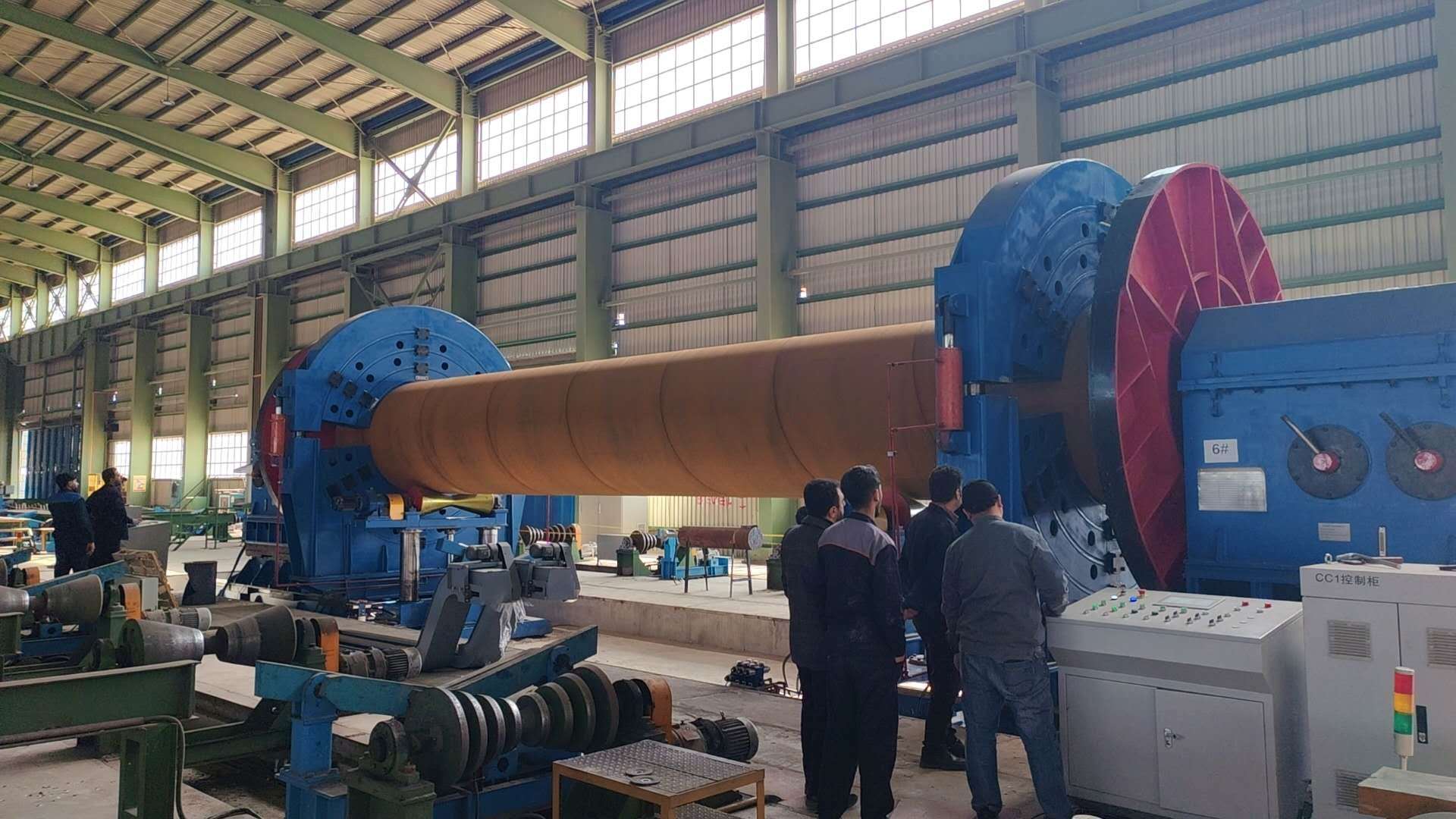
FAQs: Automatic Pipe Welding Machines
Q1: Which types of enterprises are automatic pipe welding machines suitable for?
This type of equipment is suitable for steel pipe manufacturers, pipeline fabrication companies, and related industrial production units with steady pipe welding needs. Automated welding equipment offers significant value to enterprises handling large production volumes, requiring consistent weld quality, or seeking to reduce manual labor.
Q2: Can automatic pipe welding machines process steel pipes of different diameters?
Some machines support processing across a range of specifications, but specific capabilities depend on the equipment structure, clamping mechanism, welding execution system, and tooling configuration. Before purchasing, you should provide details regarding common pipe diameters, maximum and minimum specifications, and wall thickness ranges so the supplier can confirm suitability.
Q3: Can automated welding equipment completely eliminate welding defects?
No. While automation improves process repeatability, welding defects can still arise from factors such as material condition, joint preparation, fit-up gaps, parameter settings, or improper equipment maintenance. Therefore, sound process design, operator training, and quality inspection remain essential.
Q4: What are the most important criteria when purchasing the equipment?
The core consideration is whether the equipment can meet actual product processing requirements and operate stably under target production conditions. Enterprises should first confirm pipe specifications, weld joint types, quality standards, and production cycle times, and then evaluate automation features, ease of maintenance, and technical support capabilities.
Q5: Does automatic pipe welding equipment require regular maintenance?
Yes. Routine maintenance typically includes inspecting the welding torch and wire-feeding mechanism, cleaning critical components, checking electrical connections, verifying the status of positioning devices, and maintaining moving parts and cooling systems according to the equipment manual. Regular servicing helps maintain welding stability and reduces the risk of unplanned downtime.
Key words:
All
- All
- Product Management
- News
- Introduction
- Enterprise outlets
- FAQ
- Enterprise Video
- Enterprise Atlas
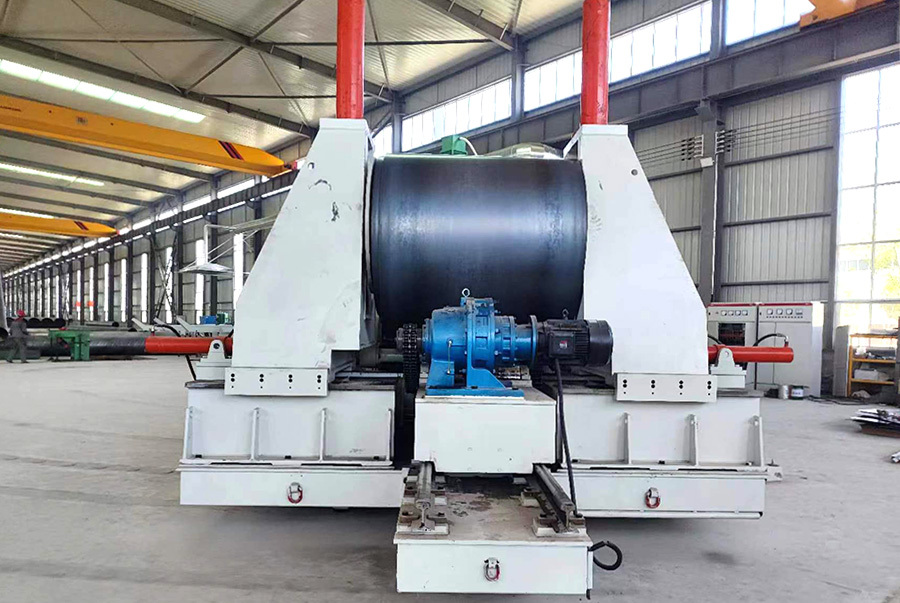
Related News
What Are the Key Criteria for Choosing a 1420mm Spiral Pipe Mill Manufacturer?
Learn how to choose a 1420mm Spiral Pipe Mill manufacturer by evaluating equipment quality, technical expertise, production capacity, and after-sales support.
2026-11-11
Discover how an Industrial Steel Pipe Mill improves dimensional accuracy, welding quality, automation, and production efficiency through precise process control.
2026-11-11
Automation Development Trends and Application Value of Heavy Duty Steel Pipe Manufacturing Equipment
Explore the automation trends and applications of heavy duty steel pipe manufacturing equipment, from welding and pipe-end processing to intelligent production control.
2026-11-10


Service E-mail
Hotline:
Address
Taiyuan City, Shanxi Province
To inquire about our products, please leave your email to us and we will contact you within 24 hours.