





Spiral Pipe Mill Technology Advances to Meet Modern Industrial Demands
04 Jun,2026
Spiral pipe mill enables efficient production of high-strength spiral welded pipes with precision forming and stable performance
The global spiral pipe mill industry is growing steadily as the demand for large-diameter and high-strength steel pipes increases across energy, construction, and infrastructure projects. Spiral pipe mills are essential for producing spiral-welded pipes used in oil and gas pipelines, water transport systems, structural applications, and industrial projects worldwide.
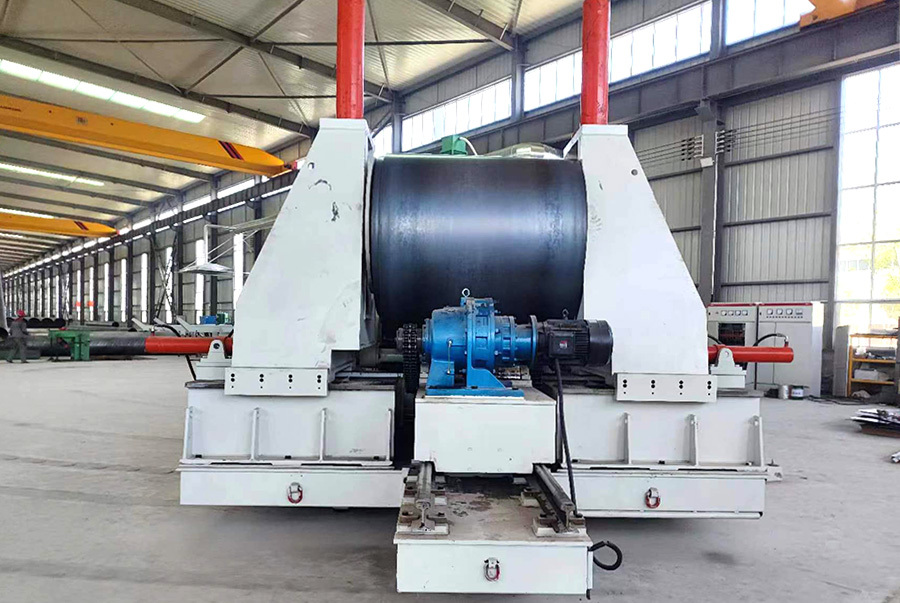
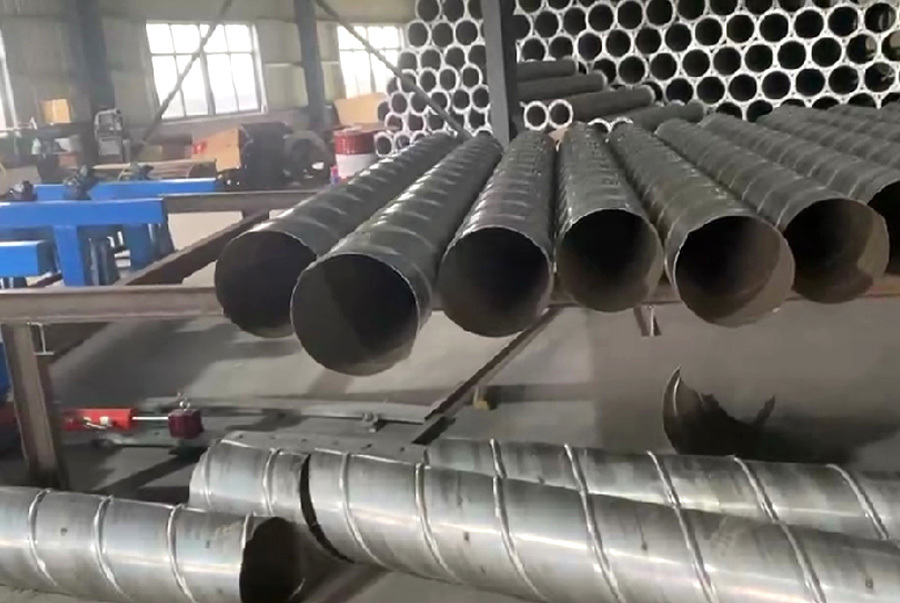
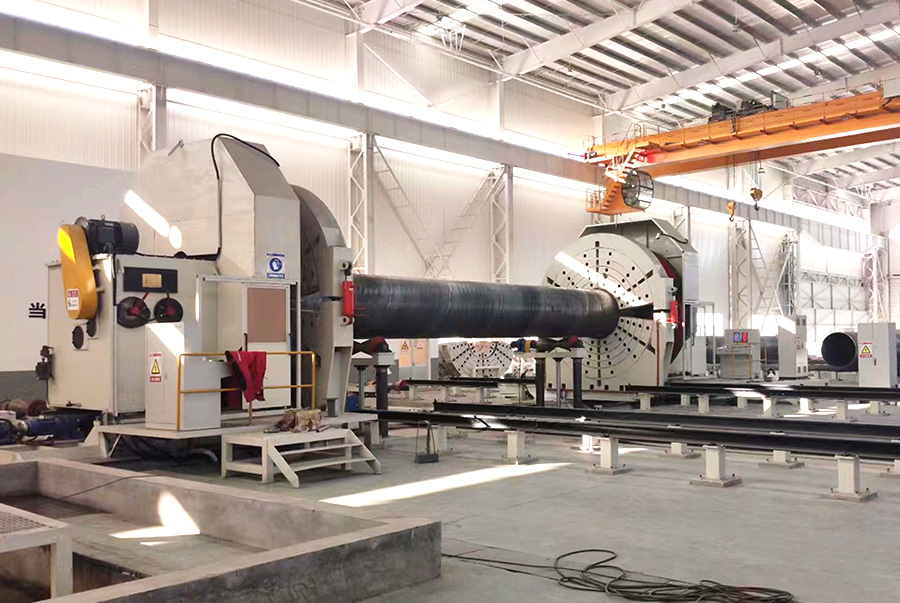
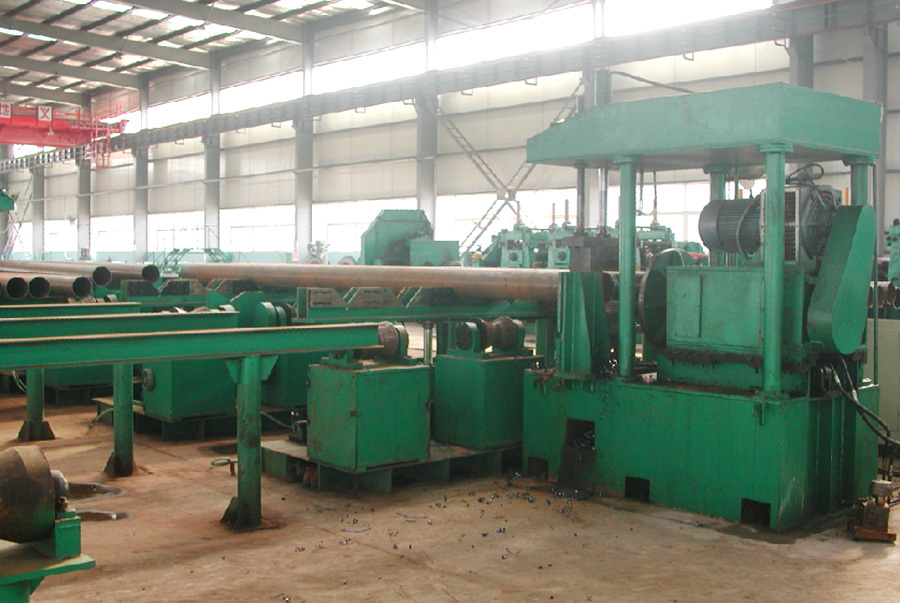
A spiral pipe mill is a specialized manufacturing line that forms steel plates into a spiral shape and welds them longitudinally to produce pipes of varying diameters and thicknesses. This technology allows manufacturers to create large-diameter pipes efficiently and cost-effectively while maintaining high structural integrity.
Industry analysts report that increasing energy infrastructure development, including oil and gas pipelines, and urban water supply projects, is driving demand for spiral-welded steel pipes. The flexibility, durability, and high pressure resistance of spiral pipes make them ideal for transportation of fluids and structural applications in challenging environments.
One of the key advantages of a spiral pipe mill is its ability to produce large-diameter pipes continuously and economically. The spiral welding process reduces material waste, enhances production speed, and allows for precise control of pipe dimensions, wall thickness, and mechanical properties.
Technological advancements continue to enhance spiral pipe mill performance. Modern mills incorporate automated plate feeding, CNC welding systems, advanced edge preparation, and integrated quality control mechanisms. These innovations improve welding quality, reduce defects, and ensure consistent pipe performance across batches.
Energy and oil & gas industries are major consumers of spiral-welded pipes. High-pressure pipelines transporting crude oil, natural gas, and refined products require pipes with excellent mechanical properties, corrosion resistance, and reliability under extreme conditions. Spiral pipe mills provide manufacturers with the capability to meet these stringent requirements.
Construction and infrastructure sectors also rely on spiral-welded pipes for water supply, drainage, and structural support. Bridges, tunnels, and large-scale building projects often require pipes with specific diameters, wall thickness, and high load-bearing capacity, which spiral pipe mills can produce efficiently.
Manufacturers are increasingly focusing on energy-efficient operations, high automation levels, and advanced welding technologies. Optimized mill designs and automation reduce labor costs, enhance production efficiency, and ensure consistent quality in every pipe produced.
Market analysts forecast continued growth for the spiral pipe mill industry due to expanding infrastructure projects, rising demand for oil and gas transportation pipelines, and increasing urbanization worldwide. The ability to produce high-quality spiral-welded steel pipes efficiently ensures that spiral pipe mills remain a critical asset for modern industrial manufacturing.
In conclusion, the spiral pipe mill is a key technology for producing durable, large-diameter, and high-performance steel pipes for diverse applications, supporting the growth of energy, construction, and industrial infrastructure projects globally.
Key words:
All
- All
- Product Management
- News
- Introduction
- Enterprise outlets
- FAQ
- Enterprise Video
- Enterprise Atlas
Related News

Understanding the Spiral Pipe Mill: Innovations in Welding Equipment for the Automotive Industry
---
The spiral pipe mill is a specialized manufacturing process that plays a crucial role in the production of pipes used in various applications, including the automotive sector. This technology focuses on the continuous production of spiral welded pipes, which are essential for various automotive components and systems. Understanding the workings of a spiral pipe mill can provide significant ins
2026-08-16

How Spiral Pipe Production Lines are Shaping the Future of Automotive Welding
How Spiral Pipe Production Lines are Shaping the Future of Automotive Welding
Table of Contents
Introduction to Spiral Pipe Production Lines
The Role of Spiral Pipe Production in Automotive Welding
Benefits of Using Spiral Pipe Production Lines
Key Technologies in Spiral Pipe Production
Applications of Spiral Pipe in the Automotive Industry
Challenges in Spiral Pipe Production and Wel
2026-08-13

The Evolution of SSAW Pipe Machines in the Automotive Industry
The Evolution of SSAW Pipe Machines in the Automotive Industry
Introduction to SSAW Pipe Machines
The automotive industry has undergone significant transformations over the decades, greatly influenced by advancements in technology and machinery. One of the pivotal advancements is the SSAW (Spiral Submerged Arc Welded) pipe machine. These machines are integral to manufacturing processes, partic
2026-08-07


Service E-mail
Hotline:
Address
Taiyuan City, Shanxi Province
To inquire about our products, please leave your email to us and we will contact you within 24 hours.