





How Spiral Pipe Production Lines are Shaping the Future of Automotive Welding
13 Aug,2026
How Spiral Pipe Production Lines are Shaping the Future of Automotive Welding
Table of Contents
Introduction to Spiral Pipe Production Lines
The Role of Spiral Pipe Production in Automotive Welding
Benefits of Using Spiral Pipe Production Lines
Key Technologies in Spiral Pipe Production
Applications of Spiral Pipe in the Automotive Industry
Challenges in Spiral Pipe Production and Wel
How Spiral Pipe Production Lines are Shaping the Future of Automotive Welding
Table of Contents
- Introduction to Spiral Pipe Production Lines
- The Role of Spiral Pipe Production in Automotive Welding
- Benefits of Using Spiral Pipe Production Lines
- Key Technologies in Spiral Pipe Production
- Applications of Spiral Pipe in the Automotive Industry
- Challenges in Spiral Pipe Production and Welding
- Future Trends in Spiral Pipe Production
- FAQs on Spiral Pipe Production and Automotive Welding
- Conclusion
Introduction to Spiral Pipe Production Lines
The automotive industry is undergoing rapid transformations, primarily driven by technological advancements and increasing demands for efficiency and quality. Among these innovations, **spiral pipe production lines** have emerged as a pivotal force in the realm of automotive welding. These specialized systems are engineered to produce high-quality spiral pipes that are crucial for various applications within the automotive sector. As we delve deeper into this topic, we will explore how these production lines are enhancing the **automotive welding process**.
The Role of Spiral Pipe Production in Automotive Welding
Spiral pipes are extensively used in the automotive industry, particularly in vehicle exhaust systems, fuel lines, and various structural components. The **production lines** for these pipes employ sophisticated methods that ensure precision and durability. By creating pipes with larger diameters and complex geometries, these systems enable manufacturers to optimize their **welding processes**, leading to improved product quality and reduced assembly times.
The unique construction of spiral pipes allows for better fluid dynamics, which is essential in applications such as exhaust systems where efficiency plays a critical role. Moreover, the manufacturing process itself is designed to minimize waste and enhance sustainability, aligning with modern trends towards greener production methods.
Benefits of Using Spiral Pipe Production Lines
The adoption of spiral pipe production lines in automotive welding offers numerous benefits:
Enhanced Efficiency
One of the primary advantages of spiral pipe production lines is their ability to operate at high speeds without sacrificing quality. Advanced automation technologies streamline the production process, reducing the time required to manufacture pipes and thus accelerating the overall production timeline.
Improved Quality Control
With the integration of sophisticated monitoring systems, manufacturers can maintain stringent quality control throughout the production process. Real-time data analysis allows for immediate adjustments, ensuring that every pipe meets the required specifications and standards.
Cost-Effectiveness
By optimizing the manufacturing process, companies can significantly reduce production costs. The efficient use of raw materials and minimized waste contribute to overall savings, making spiral pipe production lines a financially viable solution for automotive manufacturers.
Sustainability
As the automotive industry faces increasing pressure to adopt sustainable practices, spiral pipe production lines offer an eco-friendly alternative. The reduction of waste, coupled with enhanced recycling capabilities, positions these systems as a green choice within automotive manufacturing.
Versatility
Spiral pipe production lines are highly adaptable, enabling manufacturers to produce a variety of pipe sizes and shapes. This flexibility is vital in responding to the diverse needs of automotive applications, ensuring that manufacturers can meet changing market demands.
Key Technologies in Spiral Pipe Production
The effectiveness of spiral pipe production lines is rooted in several key technologies that enhance their capabilities:
Advanced Welding Techniques
Modern spiral pipe production lines utilize advanced welding techniques, such as laser and TIG welding, which provide superior strength and precision. These methods reduce the likelihood of defects and ensure that the final product meets rigorous safety standards.
Computer Numerical Control (CNC)
The implementation of CNC technology allows for accurate control over the manufacturing process. This precision ensures that each spiral pipe is crafted to exact specifications, reducing the risk of variability in quality.
Robotics and Automation
Robotic systems play a crucial role in enhancing the efficiency of spiral pipe production lines. By automating repetitive tasks, manufacturers can allocate human resources to more complex activities, increasing overall productivity and safety.
Real-Time Data Monitoring
The integration of IoT (Internet of Things) technologies enables real-time monitoring of the production process. This data-driven approach allows for immediate identification of issues, facilitating quick resolutions and maintaining consistent quality.
Applications of Spiral Pipe in the Automotive Industry
Spiral pipes are utilized in various key applications within the automotive sector:
Exhaust Systems
Spiral pipes are critical components of exhaust systems, where their design allows for efficient gas flow and reduced backpressure. This enhances overall engine performance while adhering to stringent emissions regulations.
Fuel Lines
In fuel delivery systems, spiral pipes provide a robust solution that minimizes the risk of leaks and ensures a steady flow of fuel to the engine. Their durability and resistance to corrosion make them ideal for this application.
Structural Components
Spiral pipes are also used in the manufacturing of structural components, where their strength and lightweight properties contribute to vehicle safety and performance. This application is particularly relevant in the production of chassis and support structures.
Challenges in Spiral Pipe Production and Welding
Despite their advantages, the production of spiral pipes is not without challenges:
Material Selection
Choosing the appropriate materials for spiral pipe production is crucial. Manufacturers must consider factors such as strength, weight, and corrosion resistance to ensure that the final product meets performance requirements.
Quality Consistency
Maintaining consistent quality throughout the production process can be challenging, particularly as production speeds increase. Manufacturers must implement rigorous quality control measures to mitigate discrepancies.
Regulatory Compliance
As environmental regulations become more stringent, manufacturers face the challenge of adapting their processes to comply with these standards. This often requires significant investment in technology and training.
Future Trends in Spiral Pipe Production
The future of spiral pipe production lines in automotive welding is poised for exciting developments:
Smart Manufacturing
The trend towards smart manufacturing will see increased integration of AI and machine learning technologies. These advancements will enhance predictive maintenance capabilities and improve overall operational efficiency.
Increased Customization
As consumer preferences evolve, the demand for customized automotive solutions will rise. Spiral pipe production lines will need to adapt to these requirements, offering flexibility in design and output.
Sustainable Practices
The focus on sustainability will continue to drive innovations in spiral pipe production. Manufacturers will increasingly seek eco-friendly materials and processes to align with global environmental goals.
FAQs on Spiral Pipe Production and Automotive Welding
What are spiral pipes used for in the automotive industry?
Spiral pipes are primarily used in exhaust systems, fuel lines, and structural components due to their strength, flexibility, and efficient fluid dynamics.
How do spiral pipe production lines improve welding quality?
These production lines utilize advanced welding techniques and real-time monitoring, which enhance precision and reduce the likelihood of defects.
What are the benefits of using automated systems in spiral pipe production?
Automated systems increase efficiency, reduce labor costs, and maintain consistent quality throughout the production process.
Are spiral pipes environmentally friendly?
Yes, spiral pipes can be produced using sustainable practices that minimize waste and promote recycling, aligning with modern environmental standards.
What challenges do manufacturers face in spiral pipe production?
Manufacturers face challenges such as material selection, quality consistency, and compliance with regulatory standards.
Conclusion
In conclusion, **spiral pipe production lines** are significantly shaping the future of automotive welding through enhanced efficiency, improved quality, and sustainable practices. As the automotive industry continues to evolve, the adoption of these innovative production lines will play a critical role in meeting the demands of modern manufacturing. By leveraging advanced technologies and embracing trends toward sustainability and customization, the automotive sector can ensure that it remains at the forefront of innovation, paving the way for a new era in vehicle production.
Key words:
All
- All
- Product Management
- News
- Introduction
- Enterprise outlets
- FAQ
- Enterprise Video
- Enterprise Atlas
Related News
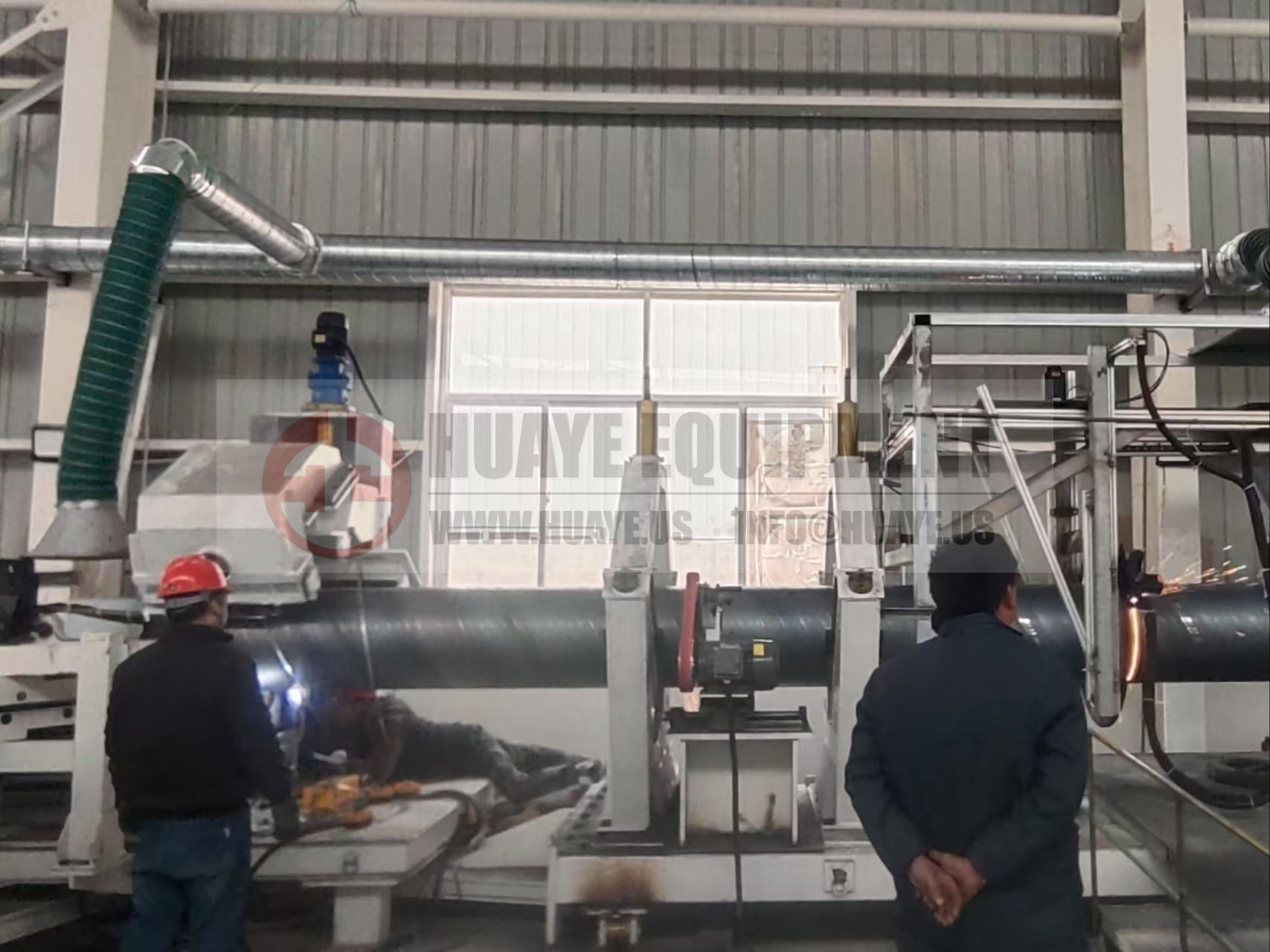
What Are the Key Criteria for Choosing a 1420mm Spiral Pipe Mill Manufacturer?
Learn how to choose a 1420mm Spiral Pipe Mill manufacturer by evaluating equipment quality, technical expertise, production capacity, and after-sales support.
2026-11-11
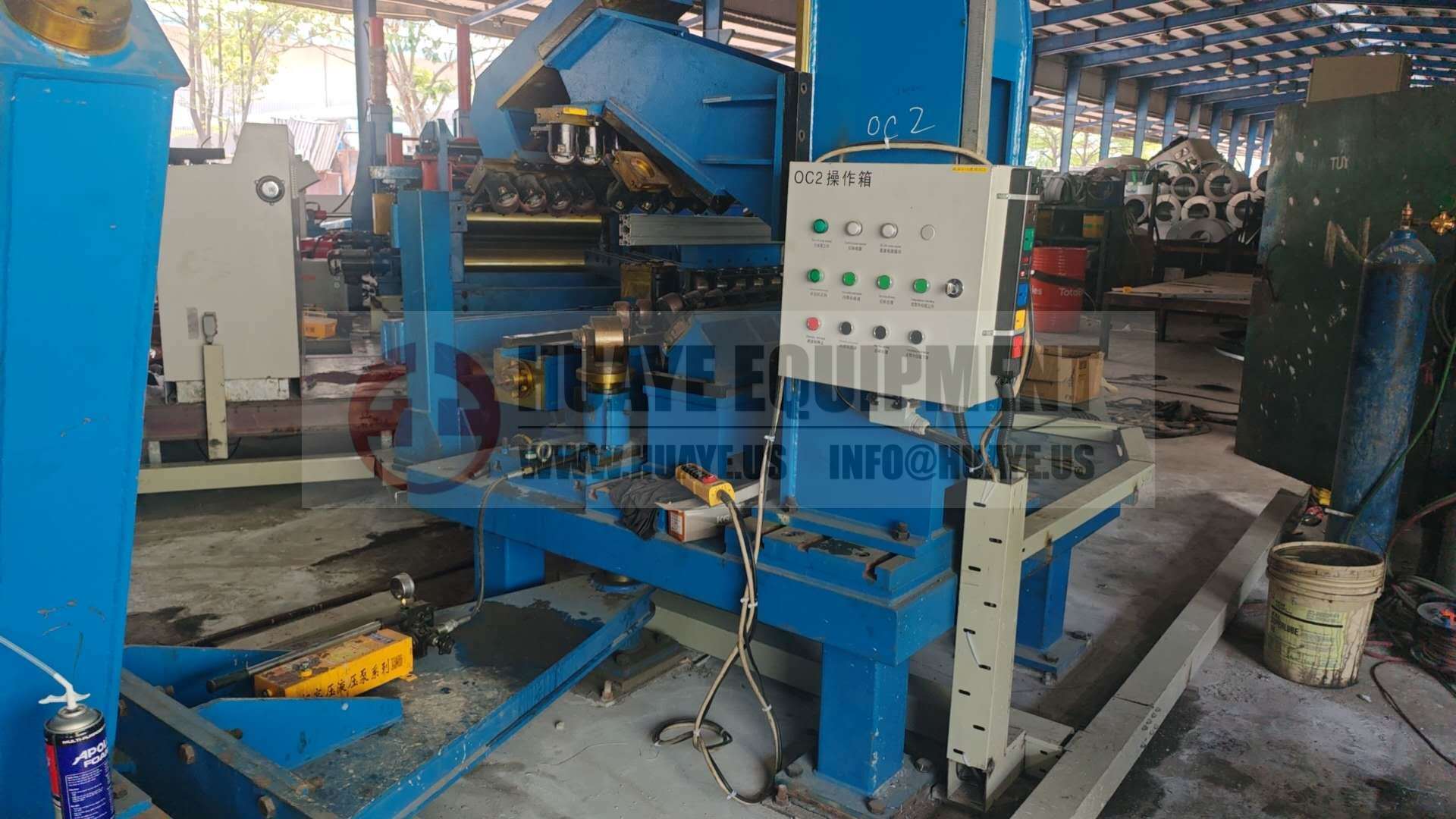
Discover how an Industrial Steel Pipe Mill improves dimensional accuracy, welding quality, automation, and production efficiency through precise process control.
2026-11-11
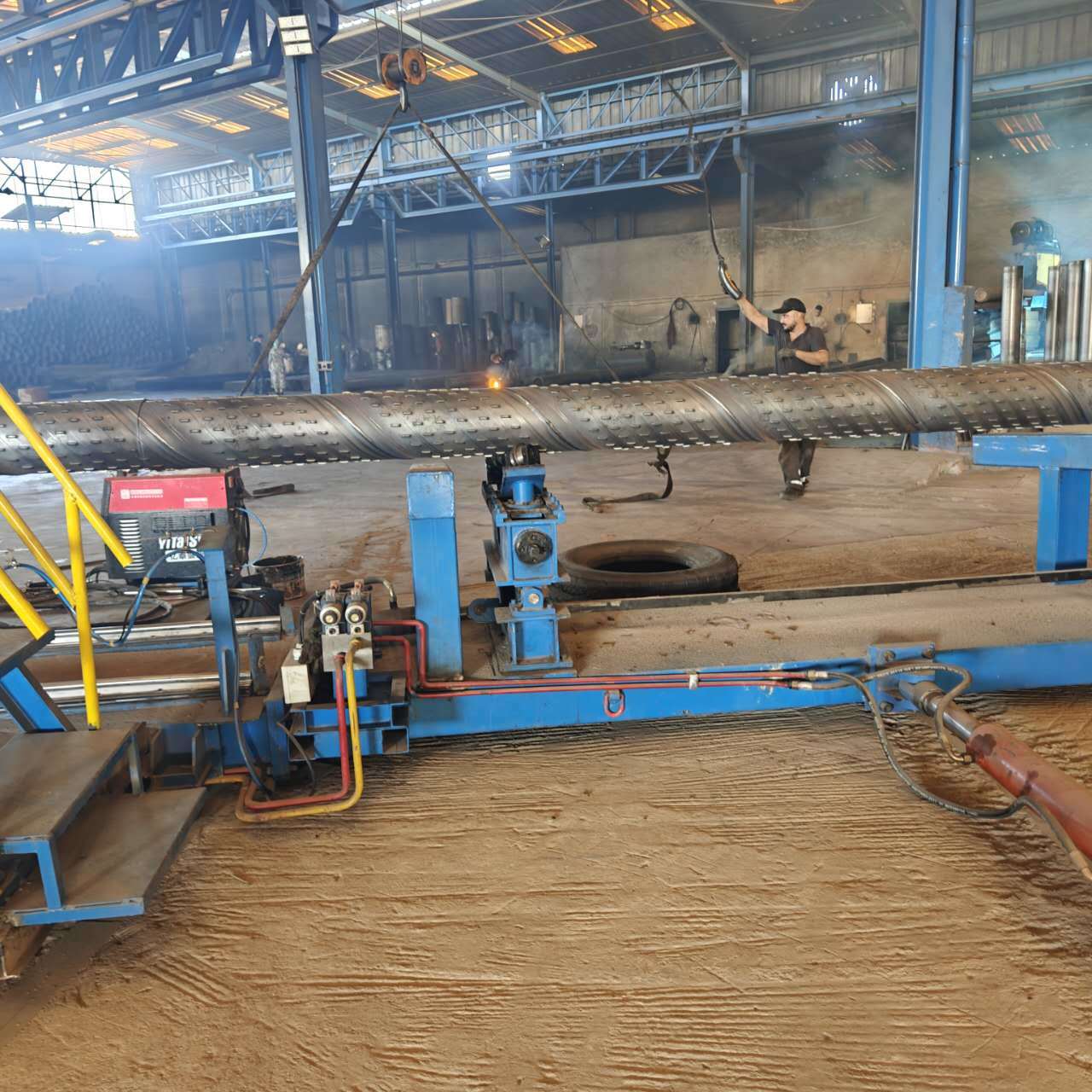
Automation Development Trends and Application Value of Heavy Duty Steel Pipe Manufacturing Equipment
Explore the automation trends and applications of heavy duty steel pipe manufacturing equipment, from welding and pipe-end processing to intelligent production control.
2026-11-10


Service E-mail
Hotline:
Address
Taiyuan City, Shanxi Province
To inquire about our products, please leave your email to us and we will contact you within 24 hours.