





How Long Can Spiral Welded Pipes Be Made?
01 Nov,2025
How Long Can Spiral Welded Pipes Be Made?
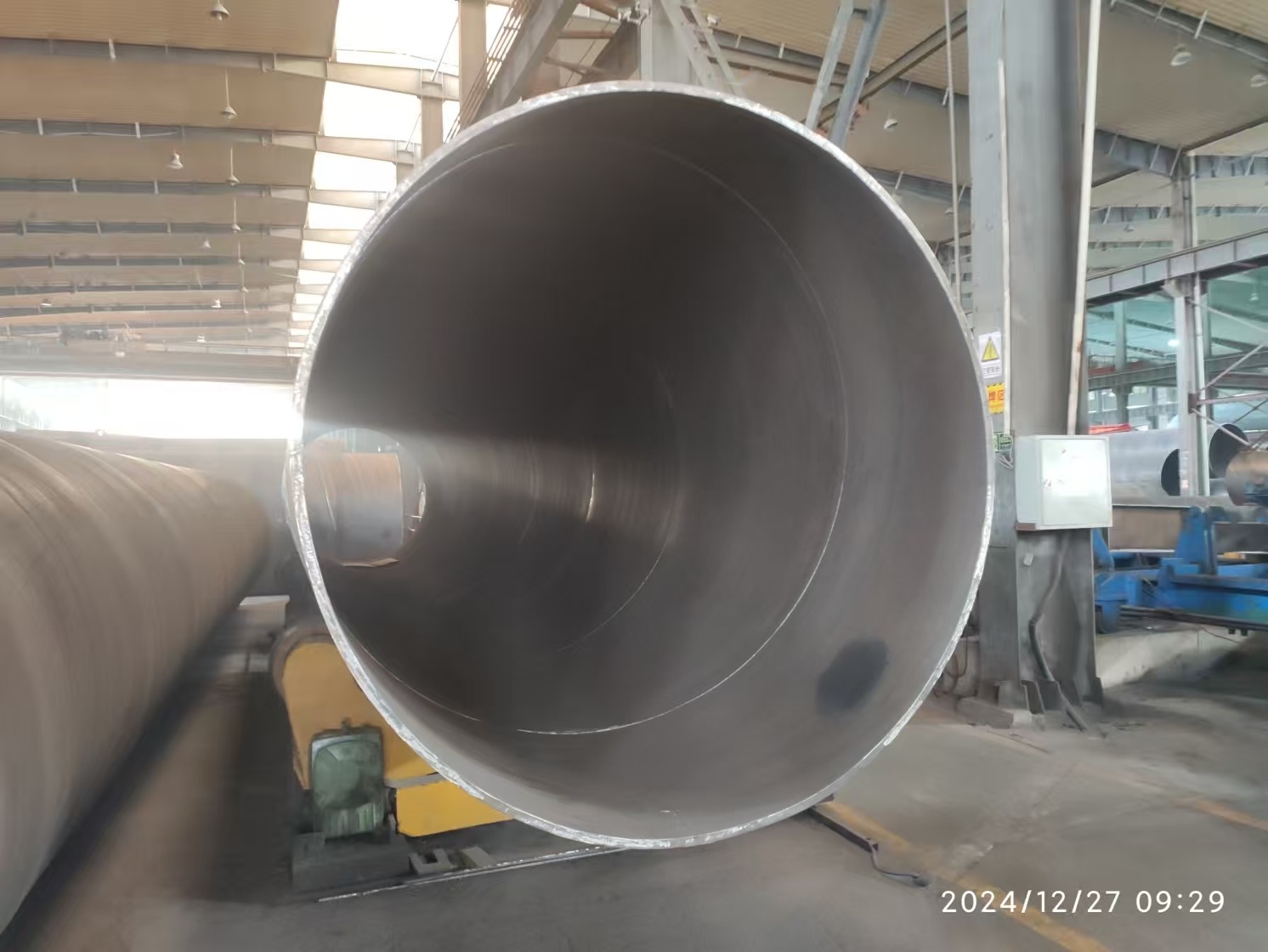
In conclusion, there are almost no limitations in terms of the manufacturing process. The production of spiral welded pipes involves coiling steel strips into a helical shape and then welding them using submerged arc welding. In theory, the process can continue indefinitely. The longest spiral welded pipe produced on our equipment has reached 80 meters, which is primarily used in applications like dock installations and other projects requiring extra-long components. Steel pipe plants are often located within ports, and specialized cranes or custom-built trolleys are used to directly transport freshly produced pipes onto ships for delivery to construction sites.
However, when it comes to regular delivery lengths, this is more constrained by standards and logistics. The conventional practice, based on API, national, and industrial standards, is to supply pipes in lengths ranging from 6 to 12 meters. Non-standard lengths can be customized upon request.
Why are the most common lengths 6 to 12 meters? The key reason lies in transportation and unloading. For example, in China, the typical highway transport limit for a standard tractor-trailer combination is around 17.1 meters. After accounting for the corners, bundling, and safety margins, a pipe length of about 12 meters is the most economical and stable choice. For longer lengths, special transportation methods like rail or water transport, or on-site direct connections, are usually required.
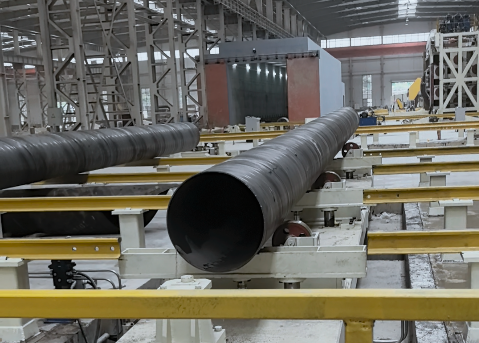
Therefore, the length of spiral welded pipes can be understood in three categories:
Process Limits – Pipes can be produced at lengths of tens of meters, which is typically for specialized projects.
Engineering Customization – These lengths, such as 18 meters or 24 meters, require an assessment of capabilities like pressure testing, flaw detection lines, and factory internal logistics to ensure compatibility.
Standard Batch Production – The most common and cost-effective lengths are in the range of 6 to 12 meters.
When choosing the length of a steel pipe, factors such as the number of weld joints, transportation costs, and on-site lifting conditions should all be considered together. Often, opting for longer lengths may not be the most cost-effective or practical solution. The best approach is to balance all these factors for a more efficient and economical outcome.
Key words:
All
- All
- Product Management
- News
- Introduction
- Enterprise outlets
- FAQ
- Enterprise Video
- Enterprise Atlas
Related News
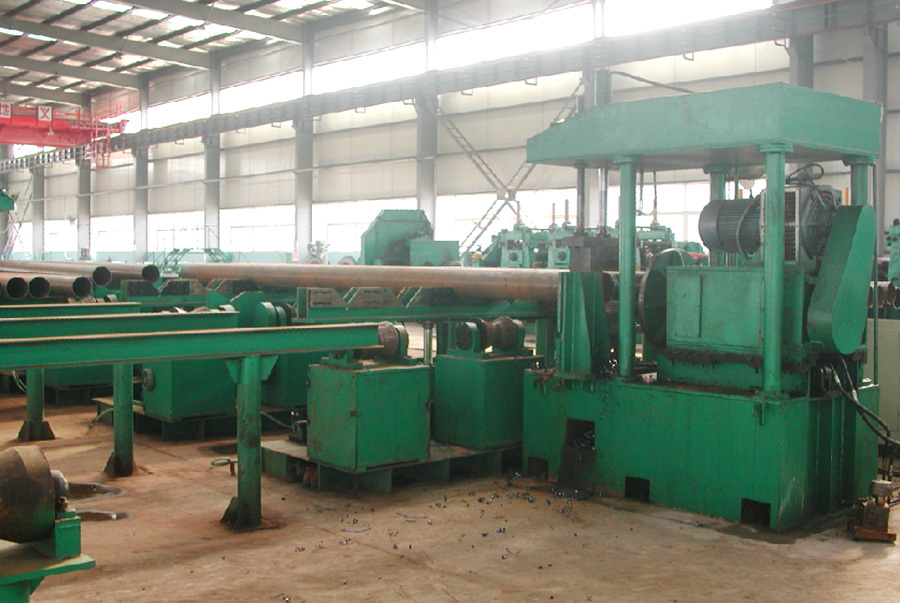
From Raw to Ready: How Pipe Prepping Machines Transform Your Workflow
From Raw to Ready: How Pipe Prepping Machines Transform Your Workflow
In the ever-evolving world of manufacturing and machining, efficiency and precision are essential for maintaining a competitive edge. One of the most significant advancements in this field is the development of **pipe prepping machines**. This article delves into the transformative role these machines play in enhancing workflows
2025-12-13
Essential Insights into Pipe Prepping Machines: A Comprehensive Guide
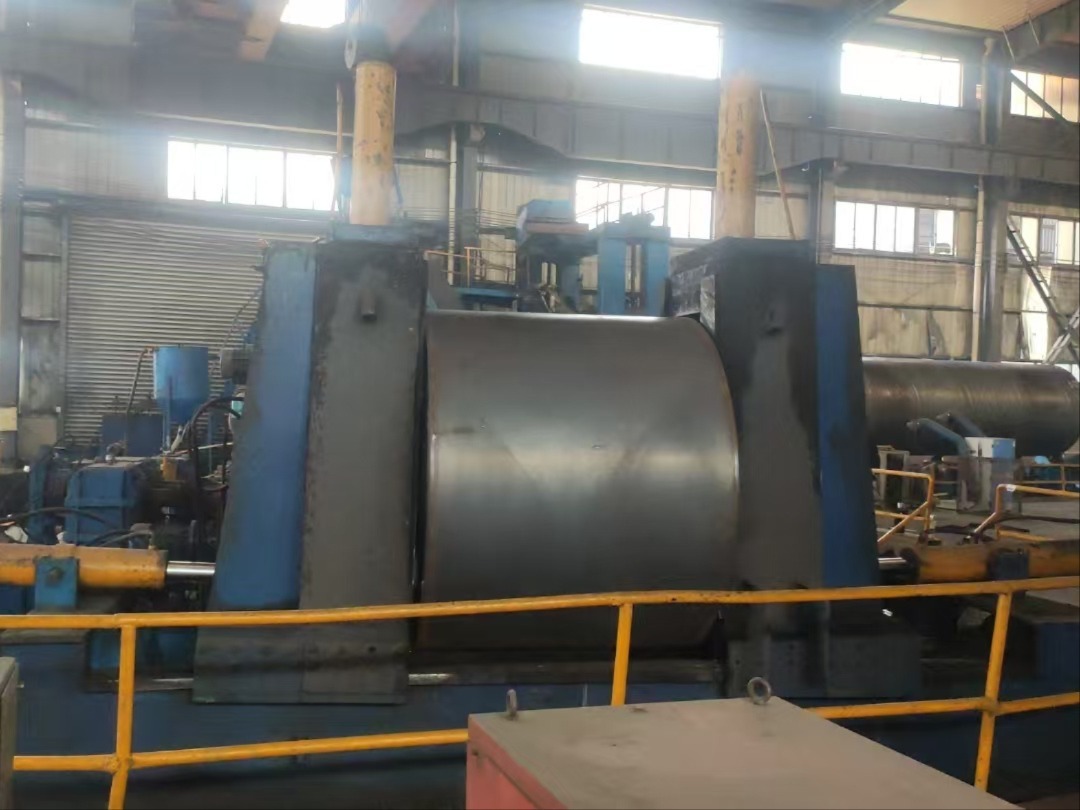
In the manufacturing and processing machinery sector, particularly in the realm of electric tools, the pipe prepping machine stands out as a crucial tool for ensuring high-quality pipe preparation. These machines are designed to prepare pipe edges for welding and other applications, making them a vital component in various industrial processes. Understanding the functionality and advantages of pip
2025-12-08
How to Ensure Your Pipe Welding Equipment Meets Industry Standards
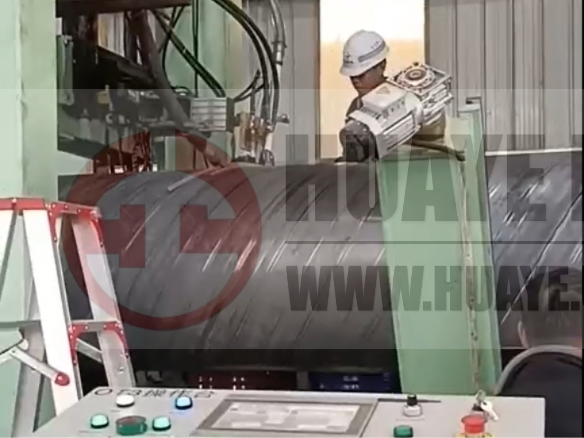
How to Ensure Your Pipe Welding Equipment Meets Industry Standards
Table of Contents
Understanding Industry Standards for Pipe Welding Equipment
Importance of Compliance with Industry Standards
Key Components of Pipe Welding Equipment
Regulatory Bodies and Standards Governing Pipe Welding
Regular Maintenance and Inspection of Welding Equipment
Training and Certification fo
2025-12-03


Service E-mail
Service TEL
Hotline:
Address
Taiyuan City, Shanxi Province
To inquire about our products, please leave your email to us and we will contact you within 24 hours.