




Exploring the Benefits of Staggered Design End Facing and Beveling Machines in Manufacturing
23 Feb,2025
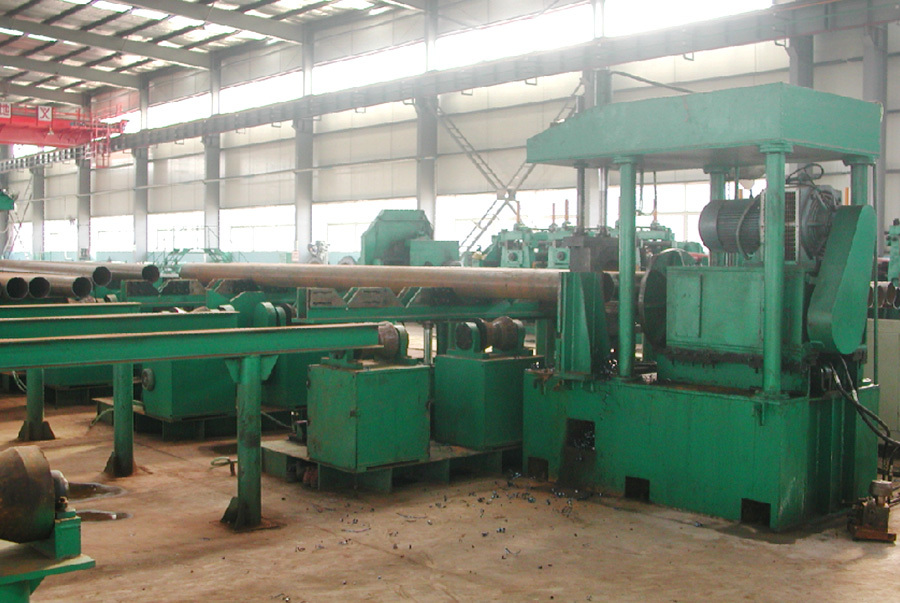
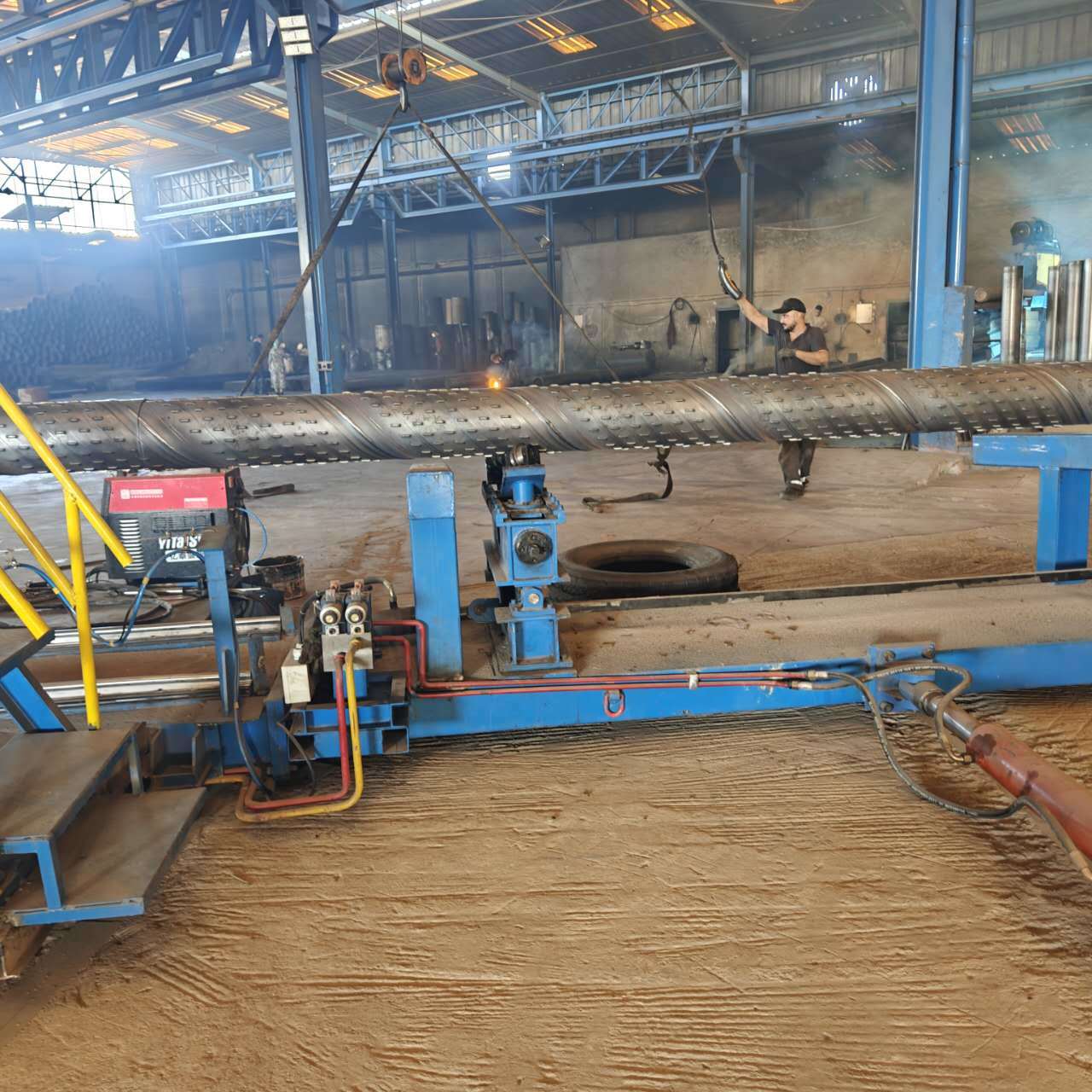
In the competitive landscape of manufacturing, efficiency and precision are paramount. The staggered design end facing and beveling machine represents a significant advancement in manufacturing technology, especially for those focusing on electric tools such as beveling machines. This type of machine is specifically engineered to handle various materials and geometries, making it versatile for dif
In the competitive landscape of manufacturing, efficiency and precision are paramount. The staggered design end facing and beveling machine represents a significant advancement in manufacturing technology, especially for those focusing on electric tools such as beveling machines. This type of machine is specifically engineered to handle various materials and geometries, making it versatile for different applications.
The staggered design refers to the unique arrangement of cutting tools, which allows for more effective material removal. This design enhances the machining process by providing better access to the workpiece, reducing the likelihood of tool interference. As a result, operators can achieve higher precision and clean finishes on their workpieces, which is a critical requirement in industries such as shipbuilding, automotive, and construction.
One of the primary advantages of using a staggered design end facing and beveling machine is its ability to improve operational efficiency. With its advanced cutting capabilities, the machine can perform multiple functions simultaneously. This means that manufacturers can complete tasks more quickly, reducing cycle times and increasing overall productivity. In an industry where time is money, such efficiency translates into significant cost savings and improved profit margins.
Moreover, this type of machine offers enhanced safety features. The staggered design minimizes the risk of tool breakage and reduces the exposure of operators to hazardous conditions. By automating certain processes, it also lowers the reliance on manual labor, thereby decreasing the potential for human error and injury. Manufacturers can ensure a safer work environment, which is an essential component of modern industrial practices.
Another key aspect to consider is the adaptability of staggered design machines. These machines can be tailored to meet specific project requirements, accommodating various sizes and shapes of workpieces. This adaptability makes them an invaluable asset for manufacturers that deal with a diverse range of products. Whether it's for small components or larger assemblies, these machines can be configured to optimize performance and output.
Additionally, the technological integration of modern staggered design end facing and beveling machines allows for precise control over the machining process. With the use of CNC (Computer Numerical Control) systems, operators can program intricate designs and specifications, ensuring consistent quality across production runs. This level of precision is crucial for maintaining industry standards and meeting customer expectations.
In conclusion, the staggered design end facing and beveling machine is a powerful tool in the manufacturing arsenal. Its ability to enhance efficiency, precision, and safety makes it an attractive choice for companies looking to optimize their production processes. As the manufacturing landscape continues to evolve, investing in advanced machinery like this will be crucial for staying competitive in an ever-changing market.
Key words:
All
- All
- Product Management
- News
- Introduction
- Enterprise outlets
- FAQ
- Enterprise Video
- Enterprise Atlas
Related News
What Factors Should Be Considered in the Customized Design of a Large Pipe Machine?
Explore key factors in Large Pipe Machine customization, including pipe specifications, production processes, automation, auxiliary equipment, and manufacturer capabilities.
2026-11-19
What Key Parameters Should You Consider When Purchasing a Large Welded Pipe Production Line?
Learn the key parameters for choosing a Large Welded Pipe Production Line, including pipe specifications, welding quality, automation, auxiliary equipment, and manufacturer capabilities.
2026-11-19

How Can Large Pipe Production Equipment Meet the Demands of Thick-Walled Steel Pipe Manufacturing?
Discover how Large Pipe Production Equipment supports thick-wall steel pipe manufacturing through precise forming, reliable welding, and efficient production.
2026-11-18


Service E-mail
Hotline:
Address
Taiyuan City, Shanxi Province
To inquire about our products, please leave your email to us and we will contact you within 24 hours.