





Understanding Steel Pipe End Forming Machines: Key Insights and Applications
12 Jan,2025
Steel pipe end forming machines are essential tools in the manufacturing and processing industry, particularly in engineering and construction sectors. These machines are designed to modify the ends of steel pipes to achieve specific shapes and configurations, enabling them to fit together securely during assembly. By providing precise end formations, these machines contribute to the overall struc
Steel pipe end forming machines are essential tools in the manufacturing and processing industry, particularly in engineering and construction sectors. These machines are designed to modify the ends of steel pipes to achieve specific shapes and configurations, enabling them to fit together securely during assembly. By providing precise end formations, these machines contribute to the overall structural integrity of various applications, including pipelines, HVAC installations, and automotive components.
One of the main functions of a steel pipe end forming machine is to create various end shapes such as flares, bevels, and swages. Each of these formations serves a unique purpose. For instance, flared ends are commonly used in plumbing, where a secure connection between pipes is crucial to prevent leaks. Beveled edges, on the other hand, facilitate welding processes, ensuring that the joints are both strong and reliable. Swaged ends allow for the connection of different pipe sizes, which is particularly useful in versatile construction projects.
In addition to different shapes, steel pipe end forming machines can accommodate a range of pipe diameters and wall thicknesses. This versatility makes them invaluable in settings where various piping specifications are required. The ability to adjust parameters for different materials and dimensions means that manufacturers can produce components that meet diverse industry standards, ultimately leading to enhanced operational efficiency.
The efficiency of steel pipe end forming machines is another significant advantage. Traditionally, end forming processes were labor-intensive and time-consuming. However, modern machines utilize advanced technology and automation, significantly reducing production times and labor costs. Operators can program the machines to perform multiple tasks in a single cycle, ensuring consistency and accuracy while minimizing the risk of human error.
Moreover, the integration of digital monitoring and control systems in these machines allows for real-time adjustments and quality checks, further enhancing productivity. This technology not only streamlines operations but also aids in maintaining high standards of quality control, which is paramount in the manufacturing sector.
In summary, steel pipe end forming machines play a critical role in the engineering and construction industries by enabling efficient, precise, and versatile modifications of steel pipes. Their ability to produce a wide range of end shapes tailored to specific applications, combined with advancements in automation and technology, positions them as indispensable assets in modern manufacturing processes. Understanding their functionality and benefits can help businesses optimize their operations and enhance the overall quality of their products.
One of the main functions of a steel pipe end forming machine is to create various end shapes such as flares, bevels, and swages. Each of these formations serves a unique purpose. For instance, flared ends are commonly used in plumbing, where a secure connection between pipes is crucial to prevent leaks. Beveled edges, on the other hand, facilitate welding processes, ensuring that the joints are both strong and reliable. Swaged ends allow for the connection of different pipe sizes, which is particularly useful in versatile construction projects.
In addition to different shapes, steel pipe end forming machines can accommodate a range of pipe diameters and wall thicknesses. This versatility makes them invaluable in settings where various piping specifications are required. The ability to adjust parameters for different materials and dimensions means that manufacturers can produce components that meet diverse industry standards, ultimately leading to enhanced operational efficiency.
The efficiency of steel pipe end forming machines is another significant advantage. Traditionally, end forming processes were labor-intensive and time-consuming. However, modern machines utilize advanced technology and automation, significantly reducing production times and labor costs. Operators can program the machines to perform multiple tasks in a single cycle, ensuring consistency and accuracy while minimizing the risk of human error.
Moreover, the integration of digital monitoring and control systems in these machines allows for real-time adjustments and quality checks, further enhancing productivity. This technology not only streamlines operations but also aids in maintaining high standards of quality control, which is paramount in the manufacturing sector.
In summary, steel pipe end forming machines play a critical role in the engineering and construction industries by enabling efficient, precise, and versatile modifications of steel pipes. Their ability to produce a wide range of end shapes tailored to specific applications, combined with advancements in automation and technology, positions them as indispensable assets in modern manufacturing processes. Understanding their functionality and benefits can help businesses optimize their operations and enhance the overall quality of their products.
Key words:
customized Steel pipe end forming machine China
All
- All
- Product Management
- News
- Introduction
- Enterprise outlets
- FAQ
- Enterprise Video
- Enterprise Atlas
Related News
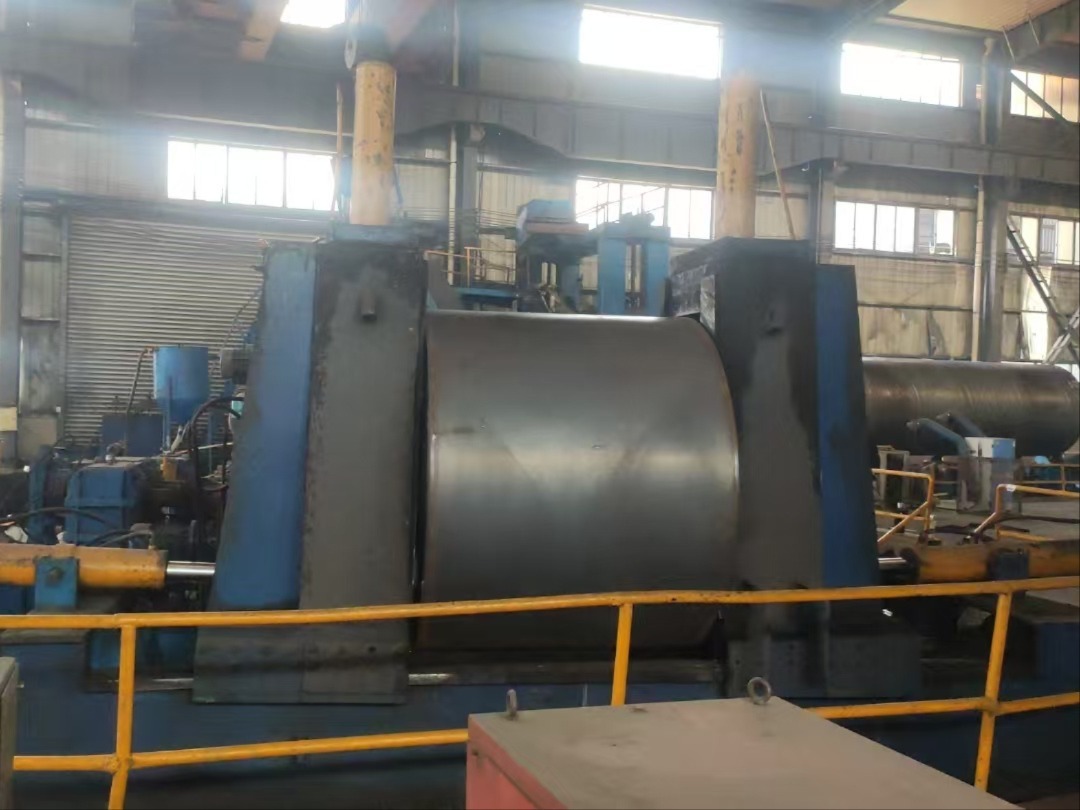
Essential Insights into Pipe Prepping Machines: A Comprehensive Guide
In the manufacturing and processing machinery sector, particularly in the realm of electric tools, the pipe prepping machine stands out as a crucial tool for ensuring high-quality pipe preparation. These machines are designed to prepare pipe edges for welding and other applications, making them a vital component in various industrial processes. Understanding the functionality and advantages of pip
2025-12-08
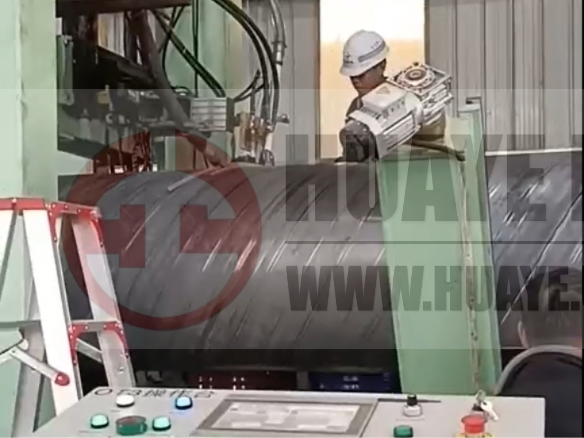
How to Ensure Your Pipe Welding Equipment Meets Industry Standards
How to Ensure Your Pipe Welding Equipment Meets Industry Standards
Table of Contents
Understanding Industry Standards for Pipe Welding Equipment
Importance of Compliance with Industry Standards
Key Components of Pipe Welding Equipment
Regulatory Bodies and Standards Governing Pipe Welding
Regular Maintenance and Inspection of Welding Equipment
Training and Certification fo
2025-12-03
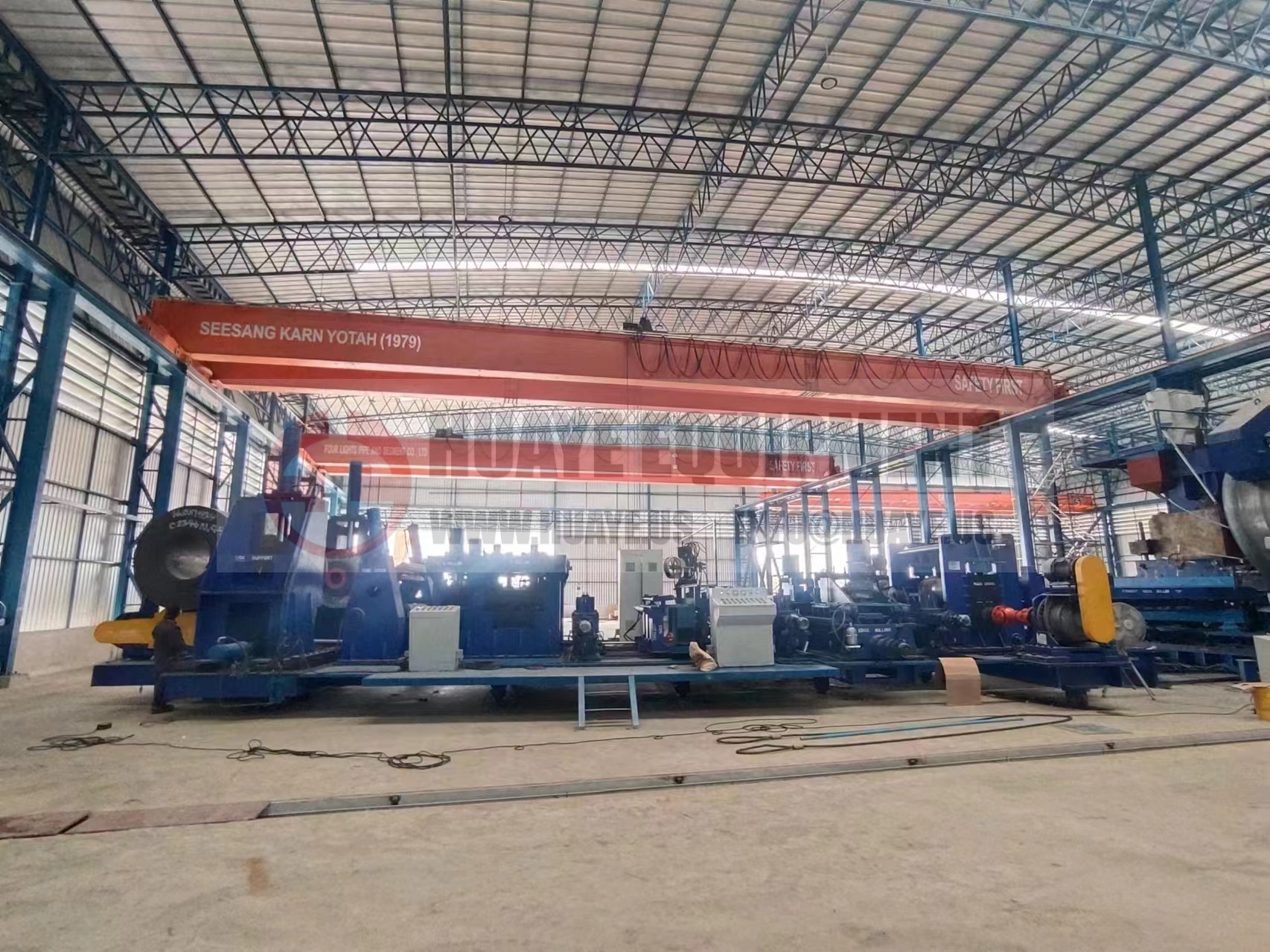
Essential Guide to Pipe Welding Equipment for Efficient Manufacturing
Pipe welding equipment plays a crucial role in various manufacturing processes, particularly in industries that involve metal fabrication and assembly. Whether you're working with steel, aluminum, or other metals, understanding the different types of equipment and their functionalities can enhance efficiency and quality.
One of the primary components of pipe welding equipment is the welding machin
2025-11-28


Service E-mail
Service TEL
Hotline:
Address
Taiyuan City, Shanxi Province
To inquire about our products, please leave your email to us and we will contact you within 24 hours.