





The Science Behind Steel Drum Spiral Welded Pipe Manufacturing: A Comprehensive Guide
30 Dec,2024
The Science Behind Steel Drum Spiral Welded Pipe Manufacturing
Table of Contents
Introduction to Spiral Welded Pipes
The Importance of Spiral Welded Pipe Manufacturing
Engineering Principles of Spiral Welding
Materials Used in Spiral Welded Pipe Production
The Manufacturing Process of Spiral Welded Pipes
Quality Control in Spiral Welded Pipe Manufacturing
Applications
The Science Behind Steel Drum Spiral Welded Pipe Manufacturing
Table of Contents
- Introduction to Spiral Welded Pipes
- The Importance of Spiral Welded Pipe Manufacturing
- Engineering Principles of Spiral Welding
- Materials Used in Spiral Welded Pipe Production
- The Manufacturing Process of Spiral Welded Pipes
- Quality Control in Spiral Welded Pipe Manufacturing
- Applications of Spiral Welded Pipes
- Future Trends in Spiral Welded Pipe Manufacturing
- Frequently Asked Questions
- Conclusion
Introduction to Spiral Welded Pipes
The manufacturing of spiral welded pipes is a sophisticated process that plays a vital role in various industries, including construction, oil and gas, and infrastructure development. Unlike traditional straight-seam pipes, spiral welded pipes are produced by forming a flat steel strip into a cylindrical shape. The edges of the strip are then welded together in a spiral manner. This manufacturing technique offers numerous advantages, such as improved strength, flexibility in diameter, and cost-effectiveness.
The Importance of Spiral Welded Pipe Manufacturing
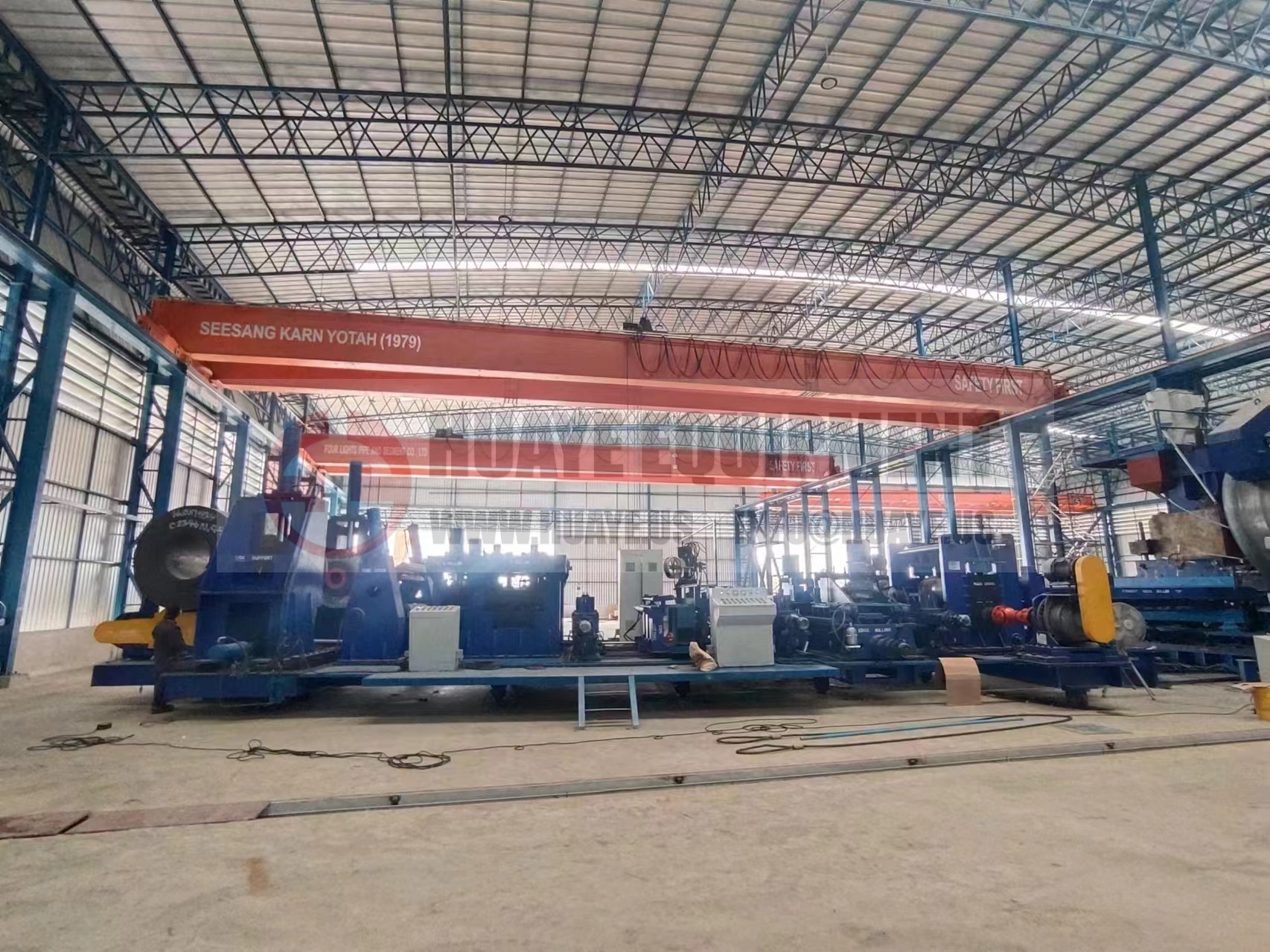
Spiral welded pipes are essential in numerous applications due to their durability and reliability. They are widely used for transporting fluids and gases, structural applications, and as casing for various types of construction projects. Their unique manufacturing process allows for a continuous production line, significantly reducing manufacturing time while maintaining high-quality standards. The ability to produce large diameter pipes with varying wall thicknesses makes spiral welded pipes highly versatile for multiple applications.
Engineering Principles of Spiral Welding
The engineering behind spiral welding focuses on several critical factors:
Welding Techniques
Different welding techniques, such as submerged arc welding (SAW) and gas metal arc welding (GMAW), are employed. Each method has its advantages in terms of speed, cost, and strength of the weld.
Pipe Design
The design of the pipe plays a crucial role in the overall strength and performance. Engineers must consider factors such as the pipe's intended use, environmental conditions, and the types of materials being transported.
Stress and Strain Analysis
Understanding how stress and strain affect the integrity of the weld is essential. Advanced simulations and modeling techniques are often used to predict the behavior of the welded sections under different loads.
Materials Used in Spiral Welded Pipe Production
The choice of materials is pivotal in the production of high-quality spiral welded pipes. Common materials include:
Steel Grades
Various grades of steel are used, including carbon steel and alloy steel, depending on the requirements for strength and corrosion resistance.
Coatings and Treatments
To enhance durability, pipes may undergo various coatings and treatments. For instance, epoxy coatings provide excellent corrosion resistance, which is critical for pipes used in harsh environments.
The Manufacturing Process of Spiral Welded Pipes
The manufacturing process of spiral welded pipes consists of several key steps:
1. Material Preparation
The process begins with the preparation of the steel strip. The strip is cleaned and cut to the desired width and length, ensuring it meets the specifications for the final product.
2. Forming
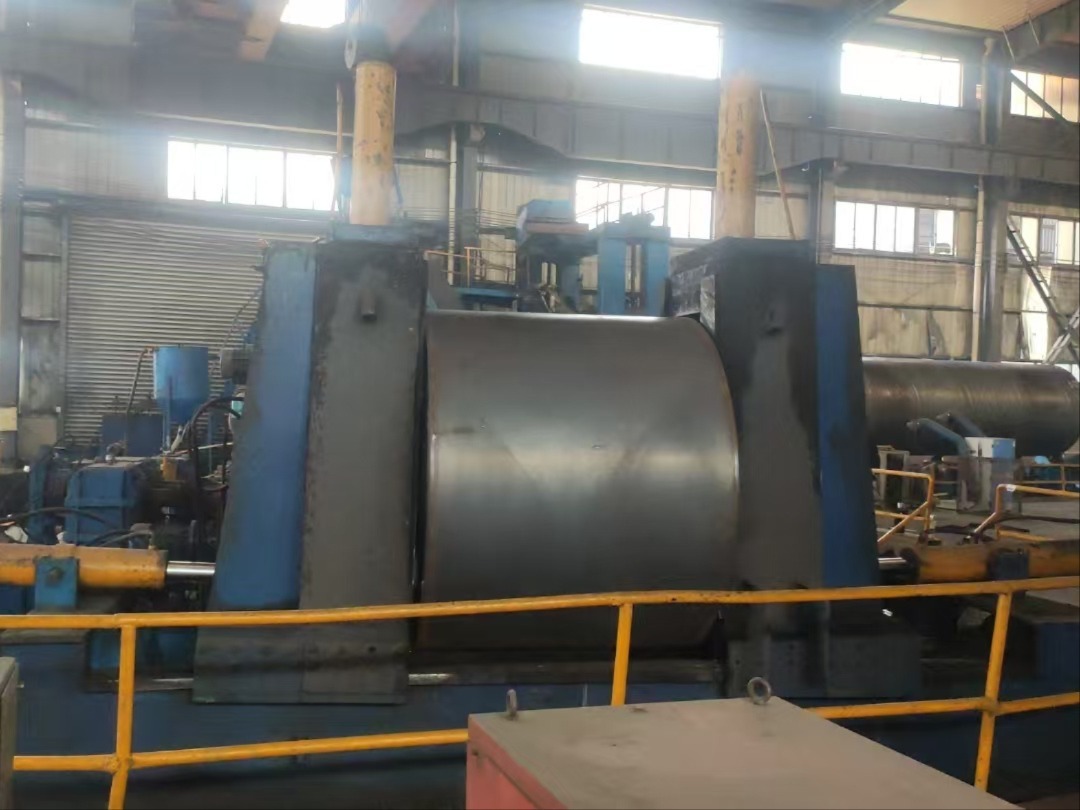
The cleaned steel strip is fed into a forming machine, which shapes it into a cylindrical form. This step may include rolling the strip at specific angles to achieve the desired spiral configuration.
3. Welding
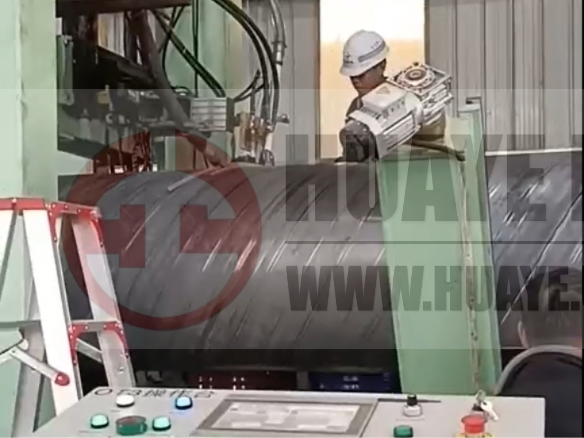
Once the strip is formed, the edges are welded together. The welding process is typically automated, utilizing high-speed welding machines to ensure a consistent and strong weld.
4. Cooling and Inspection
After welding, the pipes are cooled and subjected to rigorous inspections. This includes non-destructive testing methods, such as ultrasonic testing, to identify any defects in the weld.
5. Finishing
The final step involves finishing processes, which may include cutting the pipes to specific lengths, applying protective coatings, and preparing them for shipment.
Quality Control in Spiral Welded Pipe Manufacturing
Quality control is paramount in the manufacturing of spiral welded pipes. Manufacturers implement various systems and standards to ensure that each pipe meets the necessary specifications:
Quality Assurance Standards
Adherence to international standards, such as ASTM and ISO, ensures that the pipes produced are of the highest quality and fit for purpose.
Testing Procedures
Comprehensive testing procedures, including hydrostatic tests, X-ray inspections, and pressure tests, are employed to verify the integrity of the welds and the overall strength of the pipes.
Continuous Improvement Practices
Manufacturers often engage in continuous improvement practices, analyzing production processes and outcomes to enhance quality and efficiency.
Applications of Spiral Welded Pipes
Spiral welded pipes are used in diverse applications, showcasing their versatility:
1. Oil and Gas Industry
Spiral welded pipes are extensively used for the transportation of oil and gas. Their ability to withstand high pressures makes them ideal for these applications.
2. Water Supply Systems
These pipes are also used in municipal water supply systems, ensuring the safe and efficient transportation of potable water.
3. Structural Applications
In construction, spiral welded pipes are utilized as structural components, providing support and stability in various types of buildings and infrastructures.
Future Trends in Spiral Welded Pipe Manufacturing
The landscape of spiral welded pipe manufacturing is evolving, driven by technological advancements and changing market demands:
Automation and Industry 4.0
The adoption of automation and smart manufacturing technologies is set to revolutionize production processes. Increased use of robotics and data analytics can optimize efficiency and reduce human error.
Eco-Friendly Practices
With growing environmental concerns, the industry is shifting towards more sustainable practices. This includes the use of recycled materials and energy-efficient manufacturing processes.
Innovative Materials
Research is underway to develop new materials that offer enhanced performance, such as lighter alloys and composites that can withstand extreme conditions.
Frequently Asked Questions
1. What are the advantages of spiral welded pipes over traditional pipes?
Spiral welded pipes offer enhanced strength, flexibility in diameter, and a more efficient manufacturing process, making them a cost-effective choice for various applications.
2. How are the welds tested for quality in spiral welded pipes?
Welds are tested using non-destructive testing methods like ultrasonic testing and X-ray inspections to ensure they meet safety and quality standards.
3. What industries commonly use spiral welded pipes?
Spiral welded pipes are used in many industries, including oil and gas, water supply, construction, and infrastructure development.
4. What materials are typically used in the production of spiral welded pipes?
Common materials include various grades of steel, such as carbon steel and alloy steel, with coatings applied for corrosion resistance.
5. What is the future of spiral welded pipe manufacturing?
The future trends include increased automation, eco-friendly practices, and the development of innovative materials to meet changing industry demands.
Conclusion
Understanding the science behind steel drum spiral welded pipe manufacturing reveals a complex interplay of engineering principles, advanced materials, and innovative manufacturing techniques. As industries evolve and demand for efficient, reliable piping solutions increases, the significance of spiral welded pipes will only grow. Continuous advancements in technology and a commitment to quality will ensure that spiral welded pipes remain at the forefront of industrial manufacturing, meeting the challenges of the future head-on.
Key words:
All
- All
- Product Management
- News
- Introduction
- Enterprise outlets
- FAQ
- Enterprise Video
- Enterprise Atlas
Related News
Essential Insights into Pipe Prepping Machines: A Comprehensive Guide
In the manufacturing and processing machinery sector, particularly in the realm of electric tools, the pipe prepping machine stands out as a crucial tool for ensuring high-quality pipe preparation. These machines are designed to prepare pipe edges for welding and other applications, making them a vital component in various industrial processes. Understanding the functionality and advantages of pip
2025-12-08
How to Ensure Your Pipe Welding Equipment Meets Industry Standards
How to Ensure Your Pipe Welding Equipment Meets Industry Standards
Table of Contents
Understanding Industry Standards for Pipe Welding Equipment
Importance of Compliance with Industry Standards
Key Components of Pipe Welding Equipment
Regulatory Bodies and Standards Governing Pipe Welding
Regular Maintenance and Inspection of Welding Equipment
Training and Certification fo
2025-12-03
Essential Guide to Pipe Welding Equipment for Efficient Manufacturing
Pipe welding equipment plays a crucial role in various manufacturing processes, particularly in industries that involve metal fabrication and assembly. Whether you're working with steel, aluminum, or other metals, understanding the different types of equipment and their functionalities can enhance efficiency and quality.
One of the primary components of pipe welding equipment is the welding machin
2025-11-28


Service E-mail
Service TEL
Hotline:
Address
Taiyuan City, Shanxi Province
To inquire about our products, please leave your email to us and we will contact you within 24 hours.