





Understanding the Steel Pipe Convey System in Welded Pipe Production
16 Dec,2024
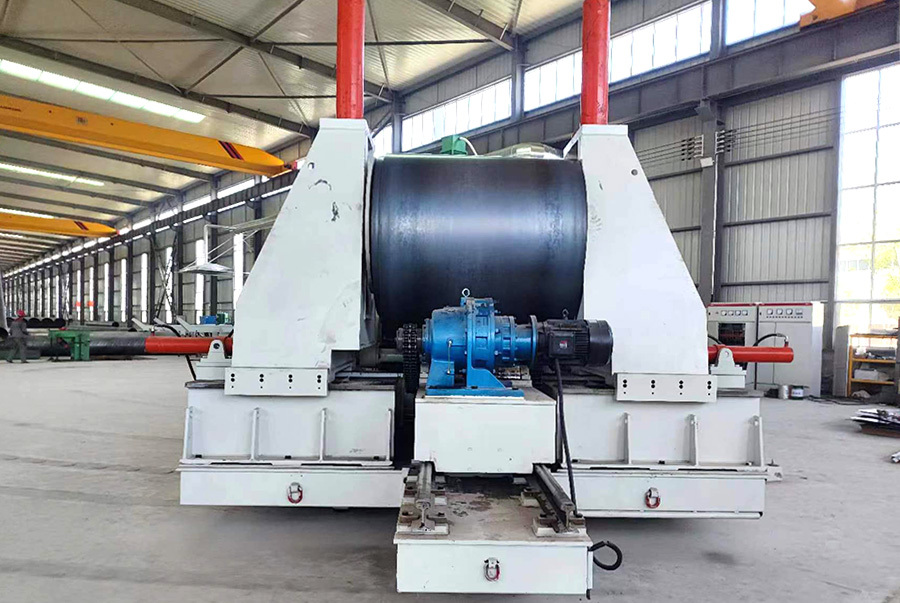
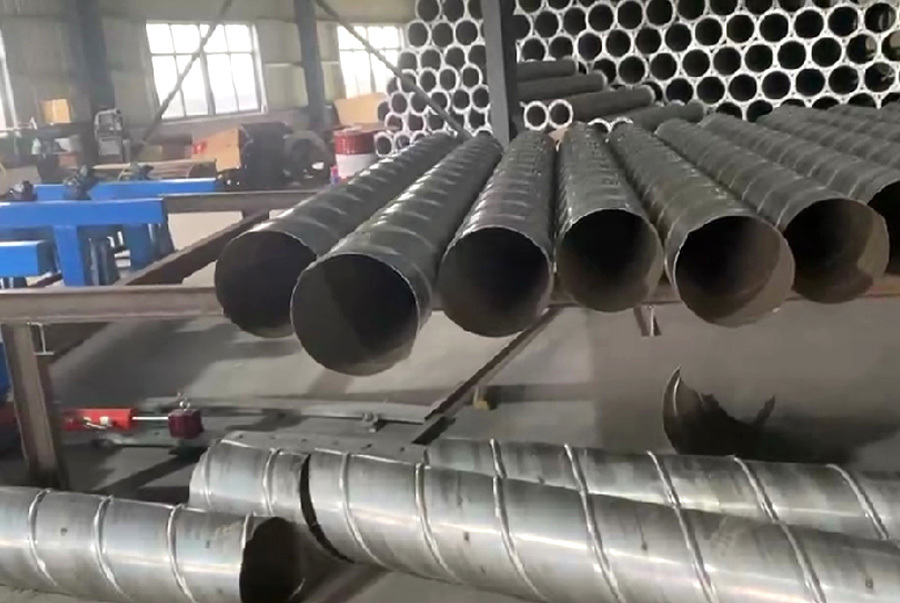
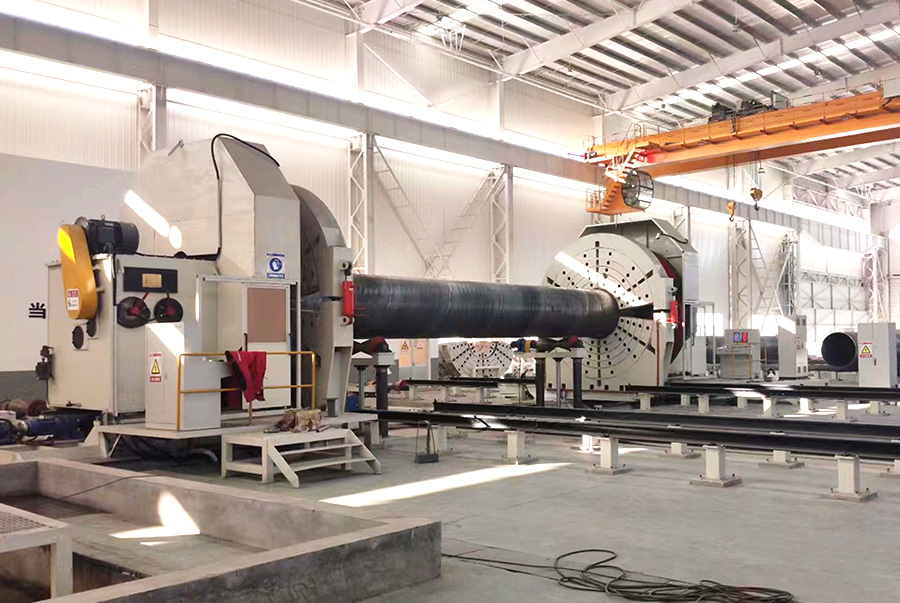
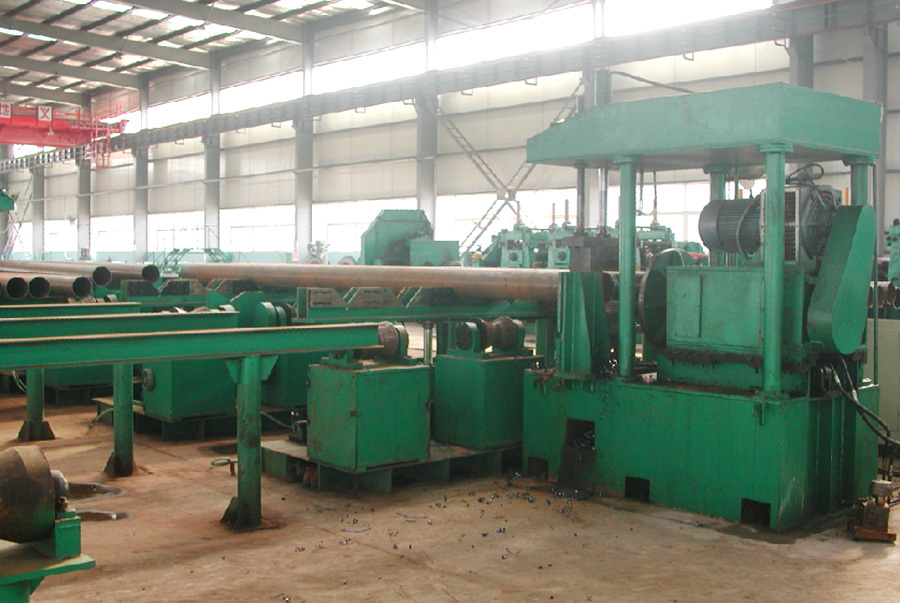
In the construction and decoration materials industry, the steel pipe convey system plays a crucial role in the production of welded pipes. This system is designed to facilitate the movement of steel pipes throughout the manufacturing process, ensuring that materials flow smoothly from one stage to the next. Understanding the components and functionality of this system can enhance the efficiency o
In the construction and decoration materials industry, the steel pipe convey system plays a crucial role in the production of welded pipes. This system is designed to facilitate the movement of steel pipes throughout the manufacturing process, ensuring that materials flow smoothly from one stage to the next. Understanding the components and functionality of this system can enhance the efficiency of welded pipe production, ultimately benefiting stakeholders in the construction sector.
A steel pipe convey system typically comprises several key components, including conveyors, transfer mechanisms, and control systems. Conveyors, often made of durable materials to withstand heavy loads, are installed at various points in the production line. They are responsible for transporting pipes efficiently between stages such as cutting, welding, and inspection. By minimizing manual handling, conveyors significantly reduce the risk of damage and enhance worker safety.
Transfer mechanisms are another integral aspect of the steel pipe convey system. These mechanisms seamlessly transition pipes from one conveyor to another, ensuring that the flow of production is uninterrupted. This is particularly important in a welded pipe production environment, where timing and coordination are vital for maintaining quality and productivity. Automation of these transfer processes can further streamline operations, reducing the chances of human error.
The control system of the convey system is essential for monitoring and managing the entire process. Advanced technologies such as sensors and automated controls help operators track the movement of pipes in real-time. This not only allows for better inventory management but also aids in identifying bottlenecks or delays in production, enabling swift corrective actions.
One of the primary advantages of an efficient steel pipe convey system is the improvement in overall production speed. By reducing the time pipes spend in transit between stages, manufacturers can increase output and meet growing market demands. Additionally, a well-designed convey system contributes to maintaining the quality of welded pipes. By minimizing physical handling and exposure to environmental factors, the risk of defects is significantly lowered.
In conclusion, the steel pipe convey system of welded pipe production is a vital component that enhances operational efficiency and product quality. Understanding its components and functionality allows industry professionals to appreciate the importance of this system in the broader context of construction and decoration materials. As the demand for welded pipes continues to grow, optimizing the convey system will remain a key focus for manufacturers striving for excellence in production processes.
A steel pipe convey system typically comprises several key components, including conveyors, transfer mechanisms, and control systems. Conveyors, often made of durable materials to withstand heavy loads, are installed at various points in the production line. They are responsible for transporting pipes efficiently between stages such as cutting, welding, and inspection. By minimizing manual handling, conveyors significantly reduce the risk of damage and enhance worker safety.
Transfer mechanisms are another integral aspect of the steel pipe convey system. These mechanisms seamlessly transition pipes from one conveyor to another, ensuring that the flow of production is uninterrupted. This is particularly important in a welded pipe production environment, where timing and coordination are vital for maintaining quality and productivity. Automation of these transfer processes can further streamline operations, reducing the chances of human error.
The control system of the convey system is essential for monitoring and managing the entire process. Advanced technologies such as sensors and automated controls help operators track the movement of pipes in real-time. This not only allows for better inventory management but also aids in identifying bottlenecks or delays in production, enabling swift corrective actions.
One of the primary advantages of an efficient steel pipe convey system is the improvement in overall production speed. By reducing the time pipes spend in transit between stages, manufacturers can increase output and meet growing market demands. Additionally, a well-designed convey system contributes to maintaining the quality of welded pipes. By minimizing physical handling and exposure to environmental factors, the risk of defects is significantly lowered.
In conclusion, the steel pipe convey system of welded pipe production is a vital component that enhances operational efficiency and product quality. Understanding its components and functionality allows industry professionals to appreciate the importance of this system in the broader context of construction and decoration materials. As the demand for welded pipes continues to grow, optimizing the convey system will remain a key focus for manufacturers striving for excellence in production processes.
Key words:
All
- All
- Product Management
- News
- Introduction
- Enterprise outlets
- FAQ
- Enterprise Video
- Enterprise Atlas
Related News
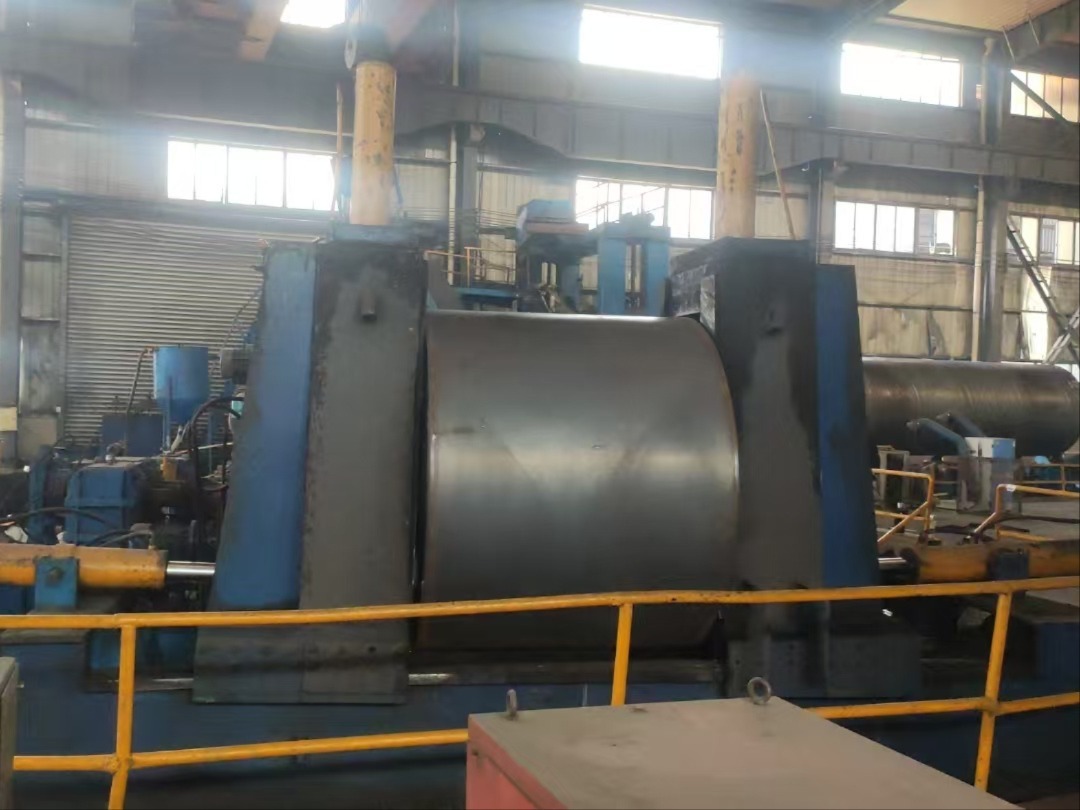
Essential Insights into Pipe Prepping Machines: A Comprehensive Guide
In the manufacturing and processing machinery sector, particularly in the realm of electric tools, the pipe prepping machine stands out as a crucial tool for ensuring high-quality pipe preparation. These machines are designed to prepare pipe edges for welding and other applications, making them a vital component in various industrial processes. Understanding the functionality and advantages of pip
2025-12-08
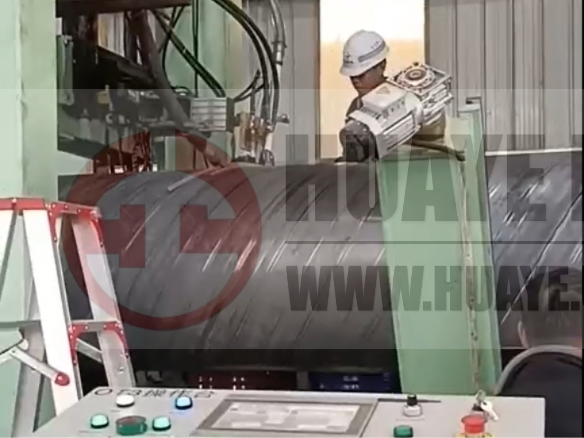
How to Ensure Your Pipe Welding Equipment Meets Industry Standards
How to Ensure Your Pipe Welding Equipment Meets Industry Standards
Table of Contents
Understanding Industry Standards for Pipe Welding Equipment
Importance of Compliance with Industry Standards
Key Components of Pipe Welding Equipment
Regulatory Bodies and Standards Governing Pipe Welding
Regular Maintenance and Inspection of Welding Equipment
Training and Certification fo
2025-12-03
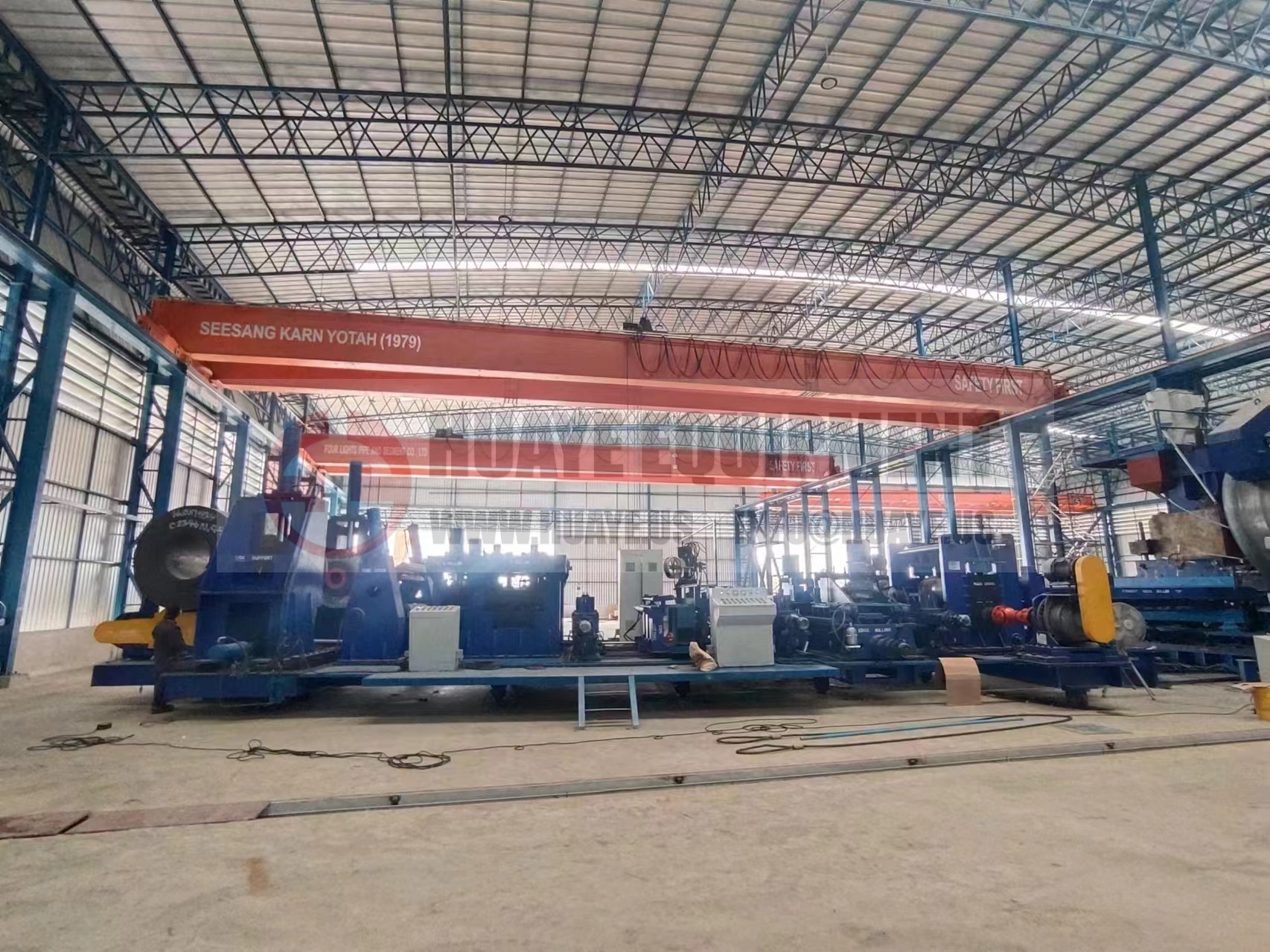
Essential Guide to Pipe Welding Equipment for Efficient Manufacturing
Pipe welding equipment plays a crucial role in various manufacturing processes, particularly in industries that involve metal fabrication and assembly. Whether you're working with steel, aluminum, or other metals, understanding the different types of equipment and their functionalities can enhance efficiency and quality.
One of the primary components of pipe welding equipment is the welding machin
2025-11-28


Service E-mail
Service TEL
Hotline:
Address
Taiyuan City, Shanxi Province
To inquire about our products, please leave your email to us and we will contact you within 24 hours.