





Understanding ERW Tube Making Machines: A Key Component in the Building and Construction Industry
28 Nov,2024
In the construction and decorative materials industry, the demand for high-quality welded tubes has led to the increasing reliance on Electric Resistance Welded (ERW) tube making machines. These machines are pivotal in producing welded tubes that serve various applications, ranging from structural support to decorative elements. The ERW process is characterized by its efficiency, precision, and ve
In the construction and decorative materials industry, the demand for high-quality welded tubes has led to the increasing reliance on Electric Resistance Welded (ERW) tube making machines. These machines are pivotal in producing welded tubes that serve various applications, ranging from structural support to decorative elements. The ERW process is characterized by its efficiency, precision, and versatility, making it a popular choice among manufacturers.
The core principle of an ERW tube making machine lies in its ability to weld steel strips or plates into cylindrical shapes using high-frequency electric resistance. This process begins with the feeding of flat steel coils into the machine, where they are continuously formed and shaped into tubes. The edges of the strips are then heated to a molten state using electric resistance, and they are pressed together under high pressure to form a strong, seamless bond. This method of tube formation is not only efficient but also results in minimal material waste, contributing to cost-effectiveness.
One of the significant advantages of using ERW tube making machines is their ability to produce tubes of various diameters and wall thicknesses. This flexibility allows manufacturers to cater to diverse customer needs, ranging from lightweight applications to heavy-duty structural components. Additionally, the ERW process is known for its high-speed production capabilities, which can significantly reduce lead times and increase overall productivity.
Quality control is a critical aspect of the manufacturing process. ERW tube making machines are equipped with advanced monitoring systems that ensure the integrity and consistency of the final product. This includes non-destructive testing methods to detect any weld defects and ensure that each tube meets the required specifications. As a result, manufacturers can guarantee the reliability and safety of their welded tubes in construction applications.
Moreover, the environmental impact of ERW tube making machines can also be considered relatively low. The efficient use of raw materials and the reduction of waste during the manufacturing process align with sustainable practices in the industry. As the construction sector increasingly emphasizes sustainability, the adoption of ERW technology can contribute to a greener future.
In conclusion, ERW tube making machines play a crucial role in the building and construction materials industry. Their ability to produce high-quality, reliable, and cost-effective welded tubes makes them a preferred choice among manufacturers. As the industry continues to evolve, the advancements in ERW technology will further enhance the capabilities and efficiency of tube production, ensuring that it meets the growing demands of modern construction projects. Understanding the significance of these machines can provide valuable insights for professionals in the field, highlighting their impact on the overall quality and sustainability of building materials.
Key words:
All
- All
- Product Management
- News
- Introduction
- Enterprise outlets
- FAQ
- Enterprise Video
- Enterprise Atlas
Related News
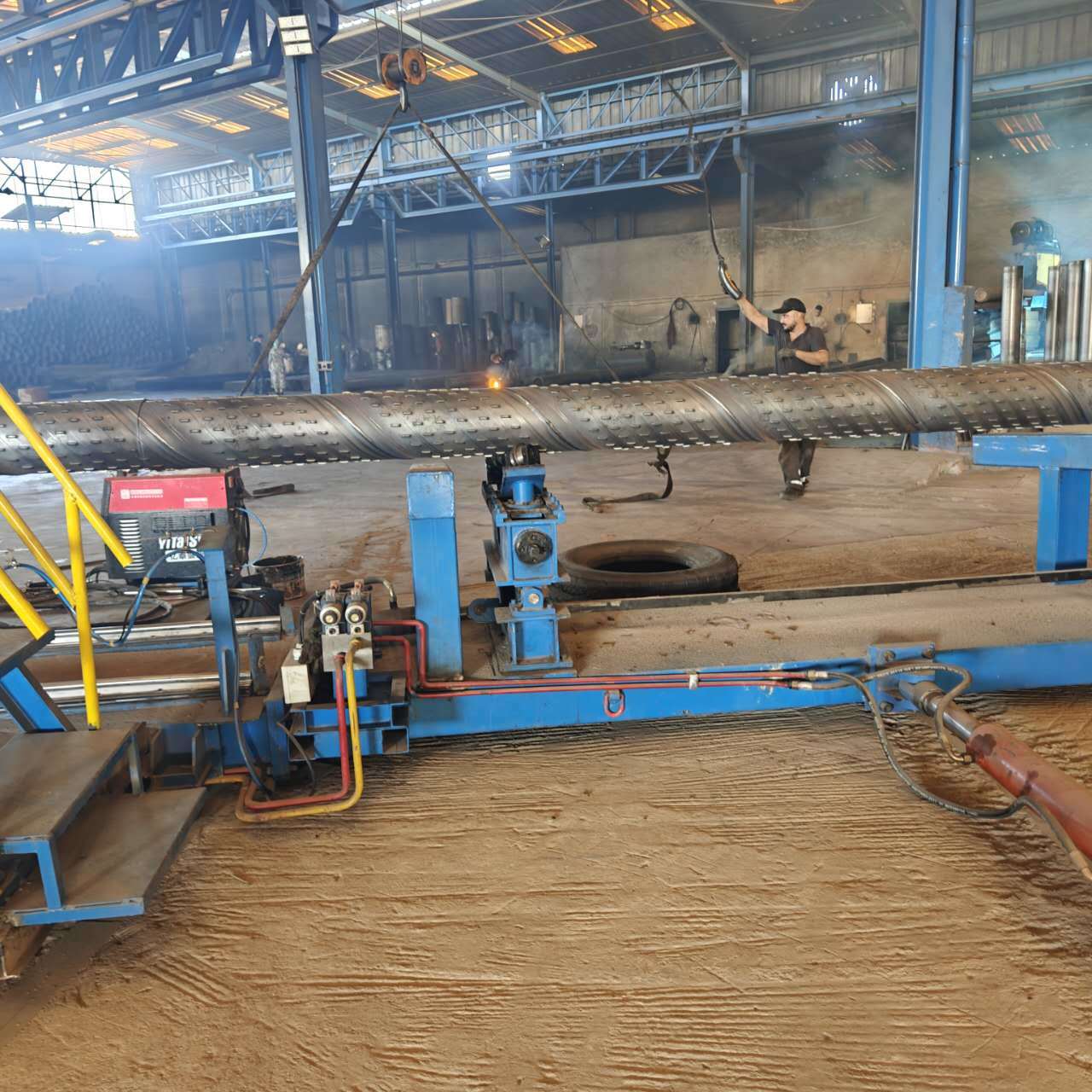
What Factors Should Be Considered in the Customized Design of a Large Pipe Machine?
Explore key factors in Large Pipe Machine customization, including pipe specifications, production processes, automation, auxiliary equipment, and manufacturer capabilities.
2026-11-19
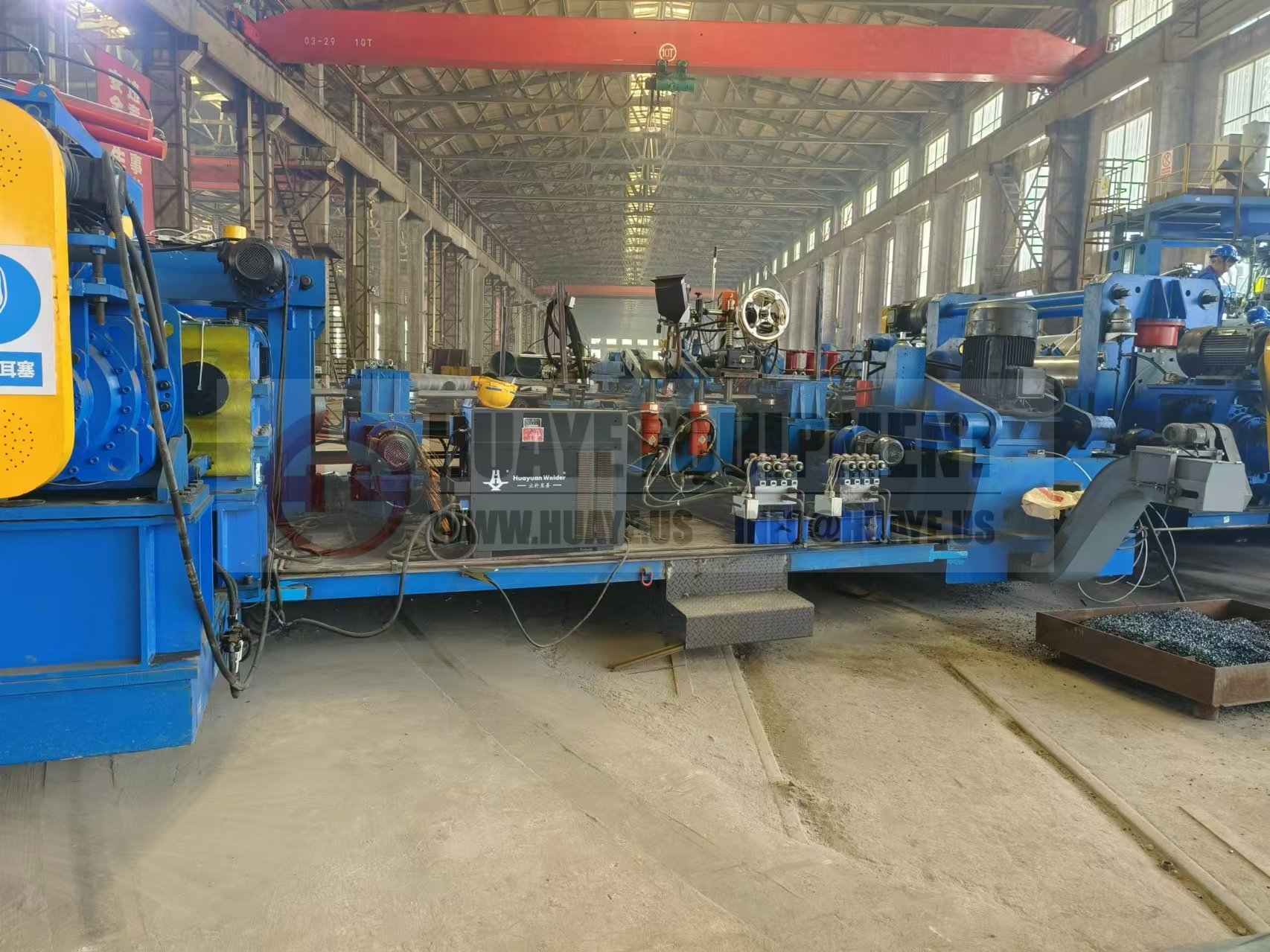
What Key Parameters Should You Consider When Purchasing a Large Welded Pipe Production Line?
Learn the key parameters for choosing a Large Welded Pipe Production Line, including pipe specifications, welding quality, automation, auxiliary equipment, and manufacturer capabilities.
2026-11-19
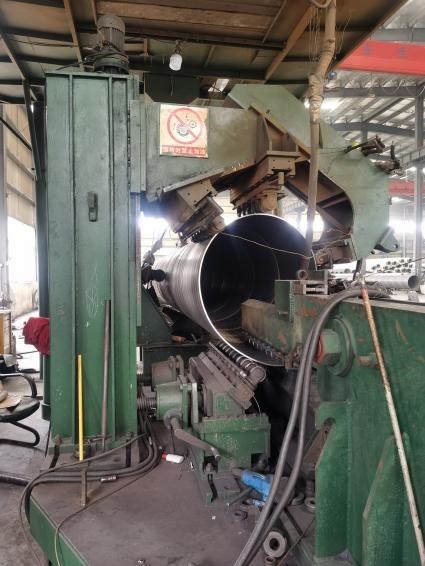
How Can Large Pipe Production Equipment Meet the Demands of Thick-Walled Steel Pipe Manufacturing?
Discover how Large Pipe Production Equipment supports thick-wall steel pipe manufacturing through precise forming, reliable welding, and efficient production.
2026-11-18


Service E-mail
Hotline:
Address
Taiyuan City, Shanxi Province
To inquire about our products, please leave your email to us and we will contact you within 24 hours.