





Automotive Innovations: The Rising Importance of End Facing and Beveling Technology
13 Nov,2024
Automotive Innovations: The Rising Importance of End Facing and Beveling Technology
Table of Contents
Introduction to End Facing and Beveling Technology
What is End Facing and Beveling?
Why End Facing and Beveling Matter in Automotive Manufacturing
Applications of End Facing and Beveling in Automotive Repairs
Technological Advancements in End Facing and Beveling Tools
Key Benefits of Using End Fa
Automotive Innovations: The Rising Importance of End Facing and Beveling Technology
Table of Contents
- Introduction to End Facing and Beveling Technology
- What is End Facing and Beveling?
- Why End Facing and Beveling Matter in Automotive Manufacturing
- Applications of End Facing and Beveling in Automotive Repairs
- Technological Advancements in End Facing and Beveling Tools
- Key Benefits of Using End Facing and Beveling Technology
- Future Trends in End Facing and Beveling Technology
- Conclusion
- FAQs about End Facing and Beveling Technology
Introduction to End Facing and Beveling Technology
In the rapidly evolving world of automotive manufacturing and repair, innovations in technology play a vital role in enhancing efficiency and precision. One such innovation that has gained significant importance is **end facing and beveling technology**. This article delves into the intricacies of these processes, their applications, benefits, and future trends.
What is End Facing and Beveling?
End facing and beveling refer to machining processes that involve shaping the edges of components to prepare them for assembly or to enhance their performance. **End facing** specifically involves cutting the ends of a workpiece to create a flat surface, while **beveling** entails cutting the edges at an angle to create a sloped surface. This dual functionality is crucial in ensuring that automotive parts fit together seamlessly, thereby minimizing wear and tear and enhancing operational efficiency.
Understanding the Processes
End facing typically employs tools such as lathes and milling machines to achieve the desired flatness, while beveling can involve various types of cutters designed to create precise angled edges. The accuracy of these processes can significantly impact the overall performance of automotive components.
Why End Facing and Beveling Matter in Automotive Manufacturing
The automotive industry is characterized by the need for high precision and reliability. As vehicles become more advanced, the tolerance levels for manufacturing parts have decreased, making processes like end facing and beveling essential.
Precision Engineering
Precision in machining is paramount. End facing and beveling ensure that components fit perfectly, reducing the risk of mechanical failures. This precision not only enhances the reliability of the vehicle but also contributes to safety, as improperly fitted parts can lead to dangerous situations on the road.
Increased Efficiency
Innovations in end facing and beveling processes improve the efficiency of production cycles. By investing in advanced technologies, manufacturers can reduce waste and production time, ultimately lowering costs. This efficiency is particularly vital as the automotive industry faces increasing demands for faster turnaround times without compromising quality.
Applications of End Facing and Beveling in Automotive Repairs
End facing and beveling technologies find extensive applications in automotive repairs, particularly in the maintenance of engines and other critical systems.
Engine Component Manufacturing
In engine manufacturing, components such as valves and cylinder heads require precise end facing and beveling to ensure proper sealing and functionality. For instance, a well-beveled valve seat allows for optimal sealing against the valve, thereby improving engine performance.
Fabrication of Exhaust Systems
Exhaust systems must also adhere to strict precision requirements. Beveling the edges of exhaust pipes facilitates better joints during assembly, enhancing durability and performance while reducing emissions.
Technological Advancements in End Facing and Beveling Tools
As technology evolves, so too do the tools and machinery used in end facing and beveling. The introduction of **CNC (Computer Numerical Control)** machines has revolutionized these processes.
Enhanced Accuracy with CNC Technology
CNC machines provide unparalleled precision in machining. They can execute intricate designs and maintain consistency across large production runs. This accuracy is critical in the automotive sector, where minor deviations can lead to significant issues.
Automation and Smart Manufacturing
Automation in end facing and beveling processes promotes efficiency and reduces the potential for human error. Smart manufacturing technologies allow for real-time monitoring and adjustments, ensuring that the manufacturing process remains within the required specifications.
Key Benefits of Using End Facing and Beveling Technology
The adoption of end facing and beveling technology in the automotive industry provides numerous benefits.
Improved Product Quality
By ensuring that components are manufactured to precise specifications, end facing and beveling lead to higher overall product quality. This quality translates to better vehicle performance and longevity.
Cost Savings
Investing in advanced end facing and beveling technology can result in significant cost savings. Improved efficiency reduces waste and production time, and the reduction of defects leads to fewer recalls and warranty claims.
Enhanced Safety
Automobile safety is paramount. Properly machined components that fit together seamlessly reduce the risk of mechanical failures, thereby enhancing the safety of vehicles on the road.
Future Trends in End Facing and Beveling Technology
As we look towards the future, several trends are likely to shape the landscape of end facing and beveling technology.
Integration of Artificial Intelligence
The integration of **Artificial Intelligence (AI)** in manufacturing processes promises to enhance precision and efficiency further. AI can analyze production data in real-time, allowing for predictive maintenance and optimization of machining processes.
Sustainability Practices
Sustainability is becoming increasingly important in manufacturing. Future advancements in end facing and beveling may focus on reducing energy consumption and minimizing waste, aligning with global sustainability goals.
Customization through Advanced Machining
As consumer preferences shift towards personalized vehicles, the demand for customized automotive parts will grow. Advanced end facing and beveling techniques will be essential in meeting these demands, allowing for tailored solutions that cater to individual customer requirements.
Conclusion
In conclusion, end facing and beveling technology is integral to the automotive industry, significantly impacting manufacturing and repair processes. As vehicles become more sophisticated, the need for precision and efficiency underscores the importance of these technologies. By embracing advancements in machining, the automotive sector can ensure enhanced performance, safety, and sustainability. As we move forward, staying abreast of innovations in end facing and beveling will be crucial for manufacturers aiming to thrive in an increasingly competitive marketplace.
FAQs about End Facing and Beveling Technology
1. What is the difference between end facing and beveling?
End facing refers to smoothing the ends of a component to create a flat surface, while beveling involves cutting the edges at an angle to create a sloped surface.
2. How does precision in end facing affect vehicle performance?
Precision in end facing ensures that components fit together correctly, reducing wear and tear and enhancing overall vehicle reliability and performance.
3. What tools are commonly used for end facing and beveling?
Common tools include lathes, CNC machines, and specialized beveling cutters that ensure accuracy and efficiency in machining processes.
4. Are there any safety risks associated with improper end facing and beveling?
Yes, improper machining can lead to mechanical failure, posing safety risks to drivers and passengers. It is crucial to adhere to precise specifications.
5. What future trends should we expect in end facing and beveling technology?
Future trends may include the integration of AI for enhanced precision, a focus on sustainability practices, and customization options to meet evolving consumer demands.
Key words:
All
- All
- Product Management
- News
- Introduction
- Enterprise outlets
- FAQ
- Enterprise Video
- Enterprise Atlas
Related News
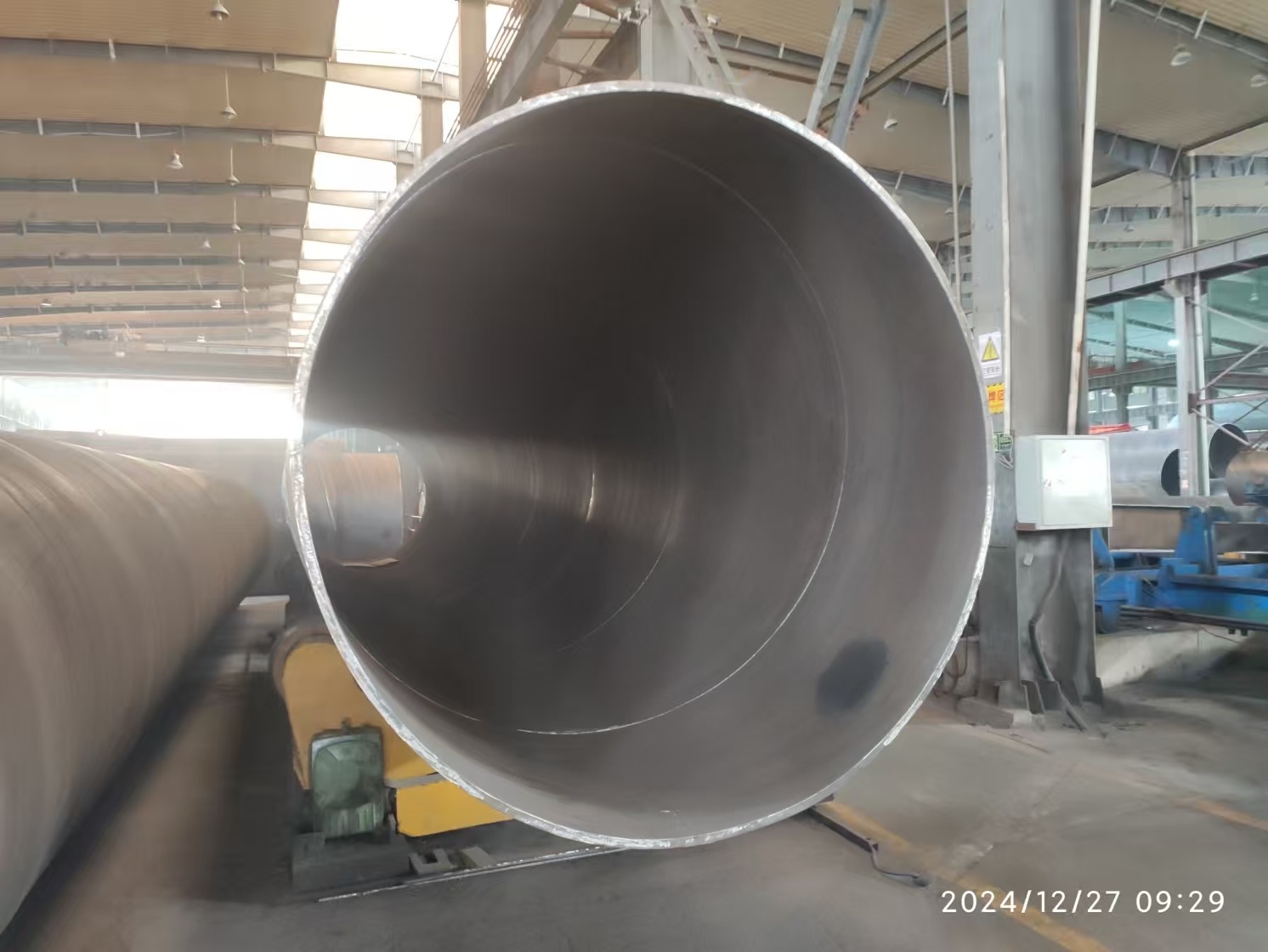
From Raw to Ready: How Pipe Prepping Machines Transform Your Workflow
From Raw to Ready: How Pipe Prepping Machines Transform Your Workflow
In the ever-evolving world of manufacturing and machining, efficiency and precision are essential for maintaining a competitive edge. One of the most significant advancements in this field is the development of **pipe prepping machines**. This article delves into the transformative role these machines play in enhancing workflows
2025-12-13
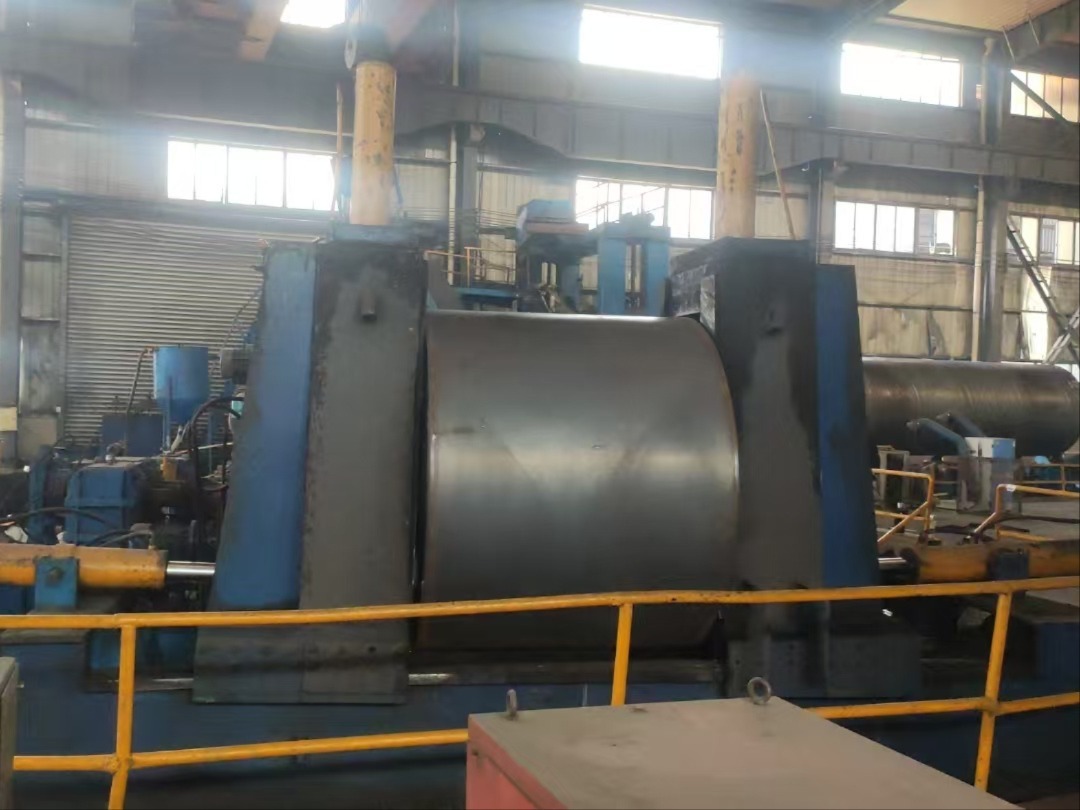
Essential Insights into Pipe Prepping Machines: A Comprehensive Guide
In the manufacturing and processing machinery sector, particularly in the realm of electric tools, the pipe prepping machine stands out as a crucial tool for ensuring high-quality pipe preparation. These machines are designed to prepare pipe edges for welding and other applications, making them a vital component in various industrial processes. Understanding the functionality and advantages of pip
2025-12-08
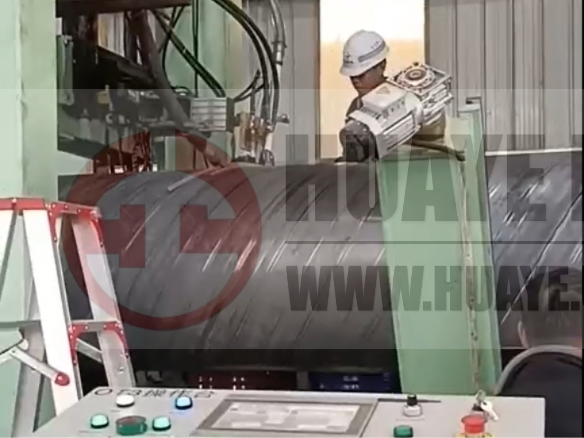
How to Ensure Your Pipe Welding Equipment Meets Industry Standards
How to Ensure Your Pipe Welding Equipment Meets Industry Standards
Table of Contents
Understanding Industry Standards for Pipe Welding Equipment
Importance of Compliance with Industry Standards
Key Components of Pipe Welding Equipment
Regulatory Bodies and Standards Governing Pipe Welding
Regular Maintenance and Inspection of Welding Equipment
Training and Certification fo
2025-12-03


Service E-mail
Service TEL
Hotline:
Address
Taiyuan City, Shanxi Province
To inquire about our products, please leave your email to us and we will contact you within 24 hours.