





How Pipe Lifting Rotators Enhance Efficiency in Construction Projects
01 Feb,2025
How Pipe Lifting Rotators Enhance Efficiency in Construction Projects
Table of Contents
1. Introduction to Pipe Lifting Rotators
2. Understanding Pipe Lifting Rotators
3. Benefits of Using Pipe Lifting Rotators
4. Enhanced Efficiency in Construction
5. Safety Improvements with Pipe Lifting Rotators
6. Installation and Usage Best Practices
7. Case Studies: Success Stori
How Pipe Lifting Rotators Enhance Efficiency in Construction Projects
Table of Contents
- 1. Introduction to Pipe Lifting Rotators
- 2. Understanding Pipe Lifting Rotators
- 3. Benefits of Using Pipe Lifting Rotators
- 4. Enhanced Efficiency in Construction
- 5. Safety Improvements with Pipe Lifting Rotators
- 6. Installation and Usage Best Practices
- 7. Case Studies: Success Stories
- 8. Future Trends in Pipe Lifting Technologies
- 9. FAQs About Pipe Lifting Rotators
- 10. Conclusion
1. Introduction to Pipe Lifting Rotators
In the realm of construction, efficiency is a vital factor that can make or break a project. This is where **pipe lifting rotators** come into play, serving as essential tools that streamline operations. These devices not only facilitate the lifting and maneuvering of heavy pipes but also optimize workflows, paving the way for a safer and more productive work environment.
2. Understanding Pipe Lifting Rotators
Pipe lifting rotators are specialized equipment designed to handle the heavy lifting of pipes and similar materials during construction. They utilize a combination of hydraulic systems and mechanical arms to grip, lift, and rotate pipes into position. Understanding their functionality is critical for construction teams looking to improve their efficiency.
The Mechanics Behind Pipe Lifting Rotators
The primary components of a pipe lifting rotator include:
- **Hydraulic Cylinders**: These provide the necessary force to lift heavy loads with ease.
- **Rotational Mechanism**: This allows for smooth and controlled rotation of the pipes.
- **Gripping Arms**: These are crucial for securely holding the pipes in place during lifting and placement.
With these components working in tandem, pipe lifting rotators can significantly reduce the physical strain on workers and enhance overall operational efficiency.
3. Benefits of Using Pipe Lifting Rotators
The adoption of pipe lifting rotators in construction projects presents numerous advantages, including:
- **Increased Productivity**: By eliminating manual labor for lifting and positioning, projects can progress faster.
- **Reduced Labor Costs**: With fewer personnel needed on-site for heavy lifting, labor costs can be significantly reduced.
- **Minimized Material Damage**: Their precise handling capabilities help prevent damage to pipes, leading to cost savings on materials.
4. Enhanced Efficiency in Construction
Efficiency is paramount in construction, and pipe lifting rotators contribute substantially to this aspect. Here’s how they enhance efficiency:
Streamlining Workflow
By automating the lifting and positioning of pipes, these rotators streamline the overall workflow. Workers can focus on other critical aspects of the project, leading to faster completion times and better resource allocation.
Flexibility and Adaptability
Pipe lifting rotators are designed to handle various pipe sizes and types, making them versatile tools for different projects. This adaptability ensures that construction teams can respond to changing project needs without significant delays.
5. Safety Improvements with Pipe Lifting Rotators
Safety is a top priority on any construction site. Pipe lifting rotators enhance safety in several ways:
Reduction of Workplace Injuries
By mechanizing the lifting process, the risk of injuries associated with manual lifting and awkward positions is significantly reduced. This is particularly important in projects where heavy pipes are involved.
Improved Stability and Control
Pipe lifting rotators provide better stability and control when handling heavy loads, minimizing the risk of accidents during transportation and installation.
6. Installation and Usage Best Practices
To maximize the benefits of pipe lifting rotators, following best practices for installation and usage is essential:
Proper Training for Operators
Operators should be adequately trained to understand the functionalities of the rotators and the safety protocols involved in their use. This training ensures that the equipment is used correctly, minimizing risks.
Regular Maintenance Checks
Regular maintenance is crucial for ensuring the optimal performance of pipe lifting rotators. Scheduled inspections can prevent equipment failures that might otherwise lead to costly downtime.
7. Case Studies: Success Stories
Several construction projects have successfully integrated pipe lifting rotators into their operations, showcasing their effectiveness:
Case Study 1: Urban Development Project
In a recent urban development project, the use of pipe lifting rotators reduced the installation time of underground utilities by 30%. The project manager noted significant improvements in productivity and reduced labor costs.
Case Study 2: Industrial Facility Expansion
During an industrial facility expansion, pipe lifting rotators allowed for the safe and efficient installation of large diameter pipes. The project was completed ahead of schedule, with fewer safety incidents reported.
8. Future Trends in Pipe Lifting Technologies
As technology continues to evolve, so do pipe lifting tools. Future trends in pipe lifting technologies may include:
Integration of Smart Technology
The integration of IoT (Internet of Things) technology may enhance the functionality of pipe lifting rotators, allowing for remote monitoring and operation, leading to further efficiency gains.
Improved Materials and Design Innovations
Future designs may focus on lighter and more durable materials, making rotators even easier to handle while maintaining their strength and reliability.
9. FAQs About Pipe Lifting Rotators
**Q1: What types of pipes can be lifted with pipe lifting rotators?**
A1: Pipe lifting rotators are versatile and can lift various types of pipes, including PVC, steel, and concrete, across multiple diameters.
**Q2: Are pipe lifting rotators suitable for outdoor use?**
A2: Yes, most pipe lifting rotators are designed for both indoor and outdoor use, provided they are maintained properly to withstand weather conditions.
**Q3: How much weight can a pipe lifting rotator handle?**
A3: The weight capacity varies by model, but many rotators can lift several tons of weight, making them suitable for heavy-duty construction tasks.
**Q4: Do pipe lifting rotators require special training?**
A4: Yes, operators should undergo training to ensure they understand how to use the equipment safely and effectively.
**Q5: What maintenance is required for pipe lifting rotators?**
A5: Regular checks on hydraulic systems, cleaning, and lubrication of moving parts are essential to ensure optimal performance and longevity.
10. Conclusion
Pipe lifting rotators are transforming the construction industry by enhancing efficiency, improving safety, and reducing labor costs. As construction projects grow in complexity, the importance of innovative tools like these cannot be overstated. By adopting pipe lifting rotators, construction teams can streamline their operations, leading to successful project completions and a safer work environment. Embracing these technologies not only drives productivity but also positions companies for sustained success in a competitive industry.
Key words:
All
- All
- Product Management
- News
- Introduction
- Enterprise outlets
- FAQ
- Enterprise Video
- Enterprise Atlas
Related News
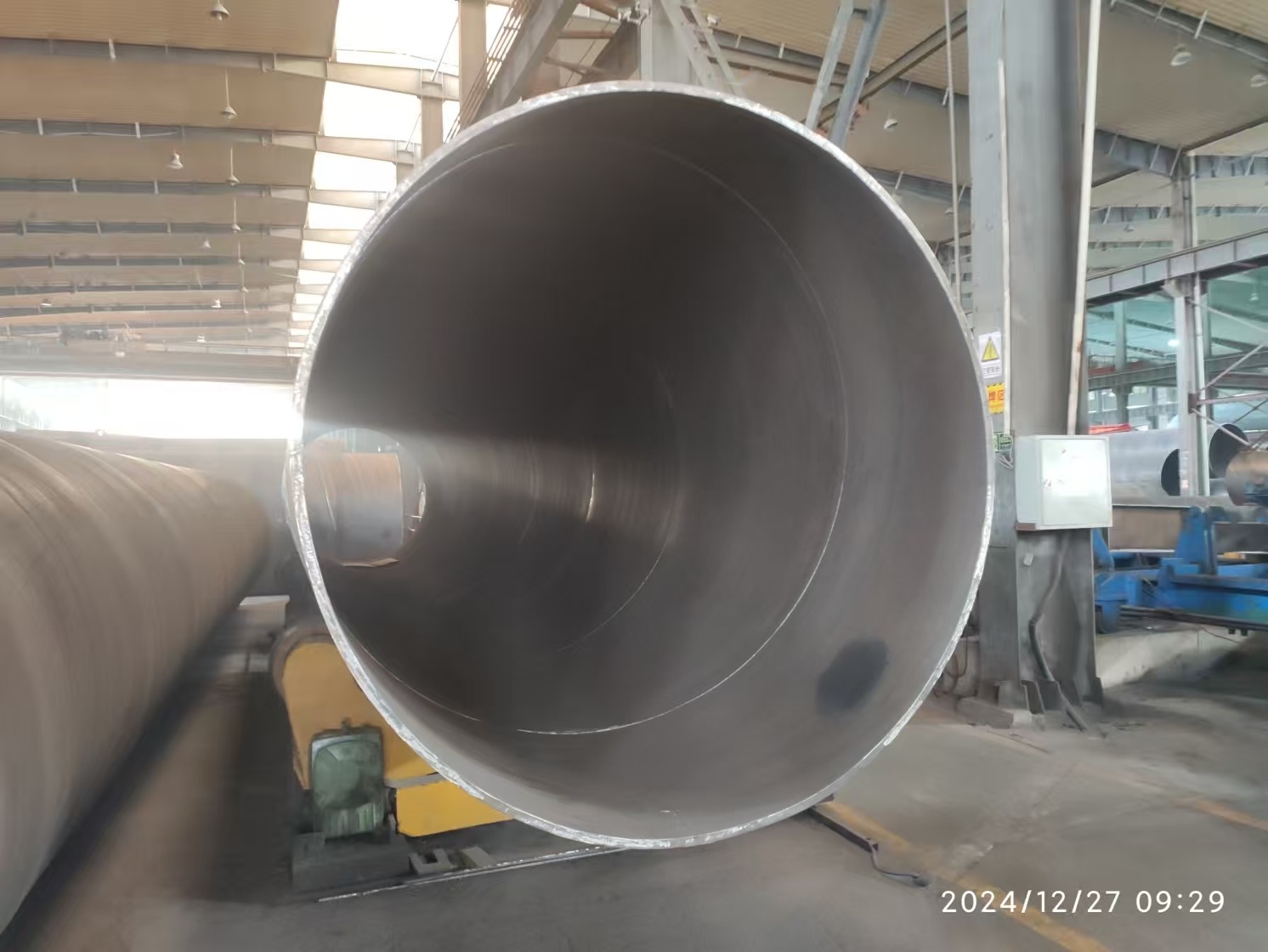
From Raw to Ready: How Pipe Prepping Machines Transform Your Workflow
From Raw to Ready: How Pipe Prepping Machines Transform Your Workflow
In the ever-evolving world of manufacturing and machining, efficiency and precision are essential for maintaining a competitive edge. One of the most significant advancements in this field is the development of **pipe prepping machines**. This article delves into the transformative role these machines play in enhancing workflows
2025-12-13
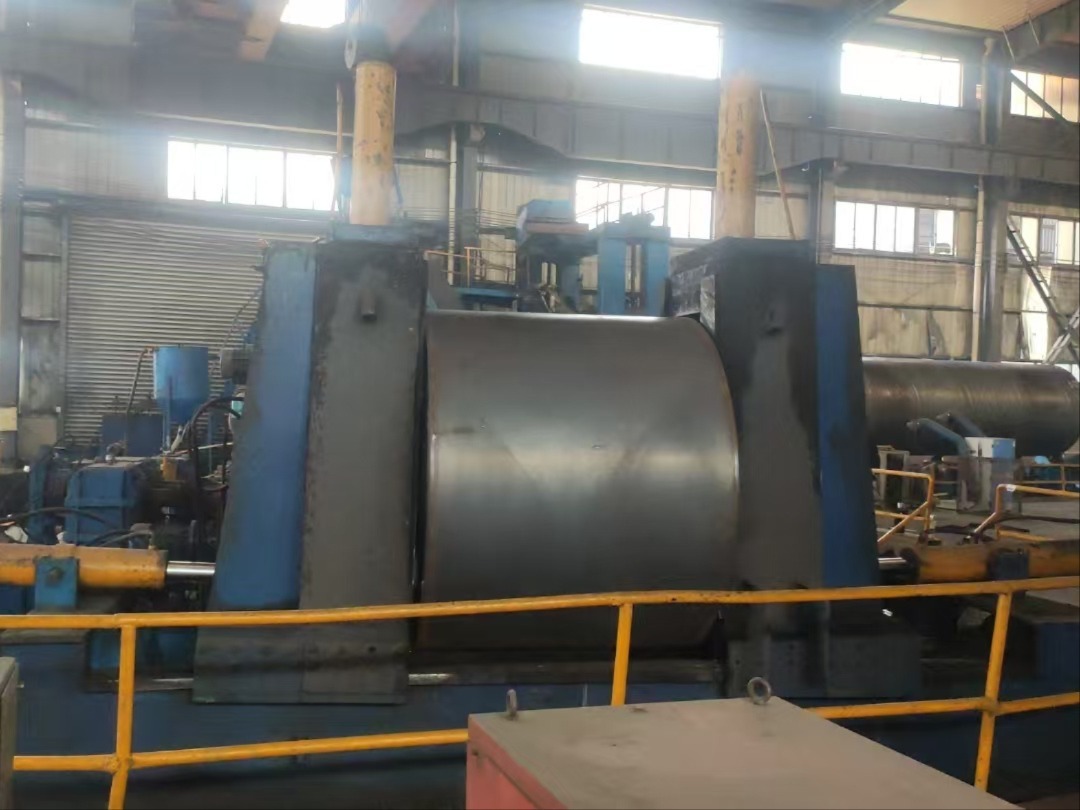
Essential Insights into Pipe Prepping Machines: A Comprehensive Guide
In the manufacturing and processing machinery sector, particularly in the realm of electric tools, the pipe prepping machine stands out as a crucial tool for ensuring high-quality pipe preparation. These machines are designed to prepare pipe edges for welding and other applications, making them a vital component in various industrial processes. Understanding the functionality and advantages of pip
2025-12-08
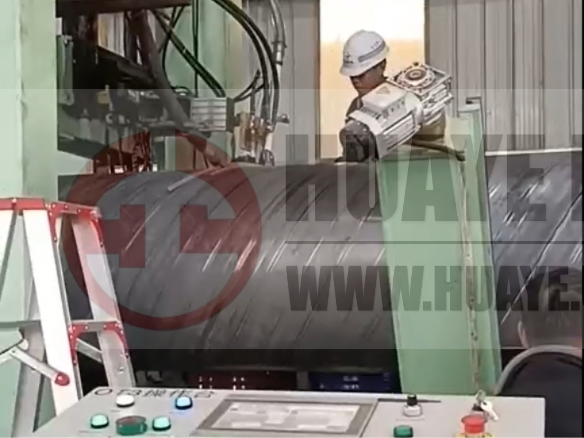
How to Ensure Your Pipe Welding Equipment Meets Industry Standards
How to Ensure Your Pipe Welding Equipment Meets Industry Standards
Table of Contents
Understanding Industry Standards for Pipe Welding Equipment
Importance of Compliance with Industry Standards
Key Components of Pipe Welding Equipment
Regulatory Bodies and Standards Governing Pipe Welding
Regular Maintenance and Inspection of Welding Equipment
Training and Certification fo
2025-12-03


Service E-mail
Service TEL
Hotline:
Address
Taiyuan City, Shanxi Province
To inquire about our products, please leave your email to us and we will contact you within 24 hours.