





Mastering Precision: How Double Head Single Base End Facing and Beveling Machines Enhance Manufacturing Efficiency
01 Jan,2025
Mastering Precision: How Double Head Single Base End Facing and Beveling Machines Enhance Manufacturing Efficiency
Table of Contents
1. Introduction to Double Head Single Base End Facing and Beveling Machines
2. Understanding the Mechanism of Operation
3. Key Features of Double Head Machines
3.1 Enhanced Precision and Accuracy
3.2 Increased Productivity and Efficiency
4. Benefits of Using Double H
Mastering Precision: How Double Head Single Base End Facing and Beveling Machines Enhance Manufacturing Efficiency
Table of Contents
1. Introduction to Double Head Single Base End Facing and Beveling Machines
2. Understanding the Mechanism of Operation
3. Key Features of Double Head Machines
3.1 Enhanced Precision and Accuracy
3.2 Increased Productivity and Efficiency
4. Benefits of Using Double Head Single Base Machines in Manufacturing
4.1 Cost-Effectiveness
4.2 Versatility in Applications
5. Selecting the Right Machine for Your Manufacturing Needs
6. Best Practices for Operating Double Head Machines
7. Common Challenges and Solutions in Machine Operation
8. Future Trends in End Facing and Beveling Technology
9. Frequently Asked Questions (FAQs)
10. Conclusion
1. Introduction to Double Head Single Base End Facing and Beveling Machines
In the modern manufacturing landscape, precision machinery plays a vital role in ensuring both quality and efficiency. Among the essential tools in this domain are **double head single base end facing and beveling machines**. These machines are designed to improve the accuracy of machining processes, particularly in metalworking and fabrication industries. Their unique design allows for simultaneous operations, which significantly reduces cycle time while enhancing precision.
2. Understanding the Mechanism of Operation
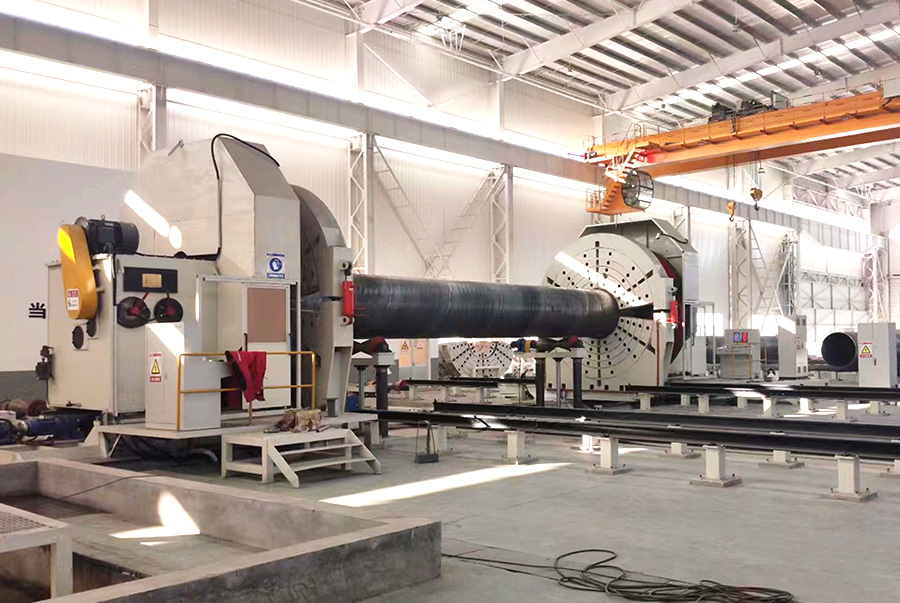
Double head single base machines operate using a straightforward yet effective mechanism. They employ two cutting heads mounted on a single base, allowing both heads to work concurrently on a workpiece. This dual-head configuration is particularly beneficial for end facing and beveling tasks, as it enables machinists to achieve consistent results in less time compared to traditional single-head machines.
When a workpiece is positioned on the machine, the operator can set precise adjustments for the cutting depth and angle. This adaptability allows for a wide range of applications, from simple end facing to complex beveling tasks that require intricate angles.
3. Key Features of Double Head Machines
Double head single base machines are equipped with several features that set them apart in the manufacturing process.
3.1 Enhanced Precision and Accuracy
One of the standout features of these machines is their ability to maintain high levels of precision. With accurate positioning systems and finely tuned cutting tools, manufacturers can achieve tolerances that are critical in industries such as aerospace, automotive, and construction.
3.2 Increased Productivity and Efficiency
The simultaneous operation of dual heads means that jobs can be completed faster. As a result, manufacturers see a significant boost in productivity, allowing for more output within the same timeframe. This efficiency not only maximizes machine utilization but also enhances overall production schedules.
4. Benefits of Using Double Head Single Base Machines in Manufacturing
Investing in double head machines can yield substantial benefits for manufacturers:
4.1 Cost-Effectiveness
While the initial investment in double head machines might be higher compared to single-head options, the long-term cost savings are notable. Reduced cycle times lead to lower labor costs and increased throughput, ultimately resulting in a favorable return on investment.
4.2 Versatility in Applications
These machines are incredibly versatile, capable of handling various materials and different shapes. Whether processing tubes, plates, or irregular forms, double head machines can adapt to meet diverse manufacturing requirements.
5. Selecting the Right Machine for Your Manufacturing Needs
Choosing the appropriate double head single base machine involves considering several factors:
- **Material Type**: Different machines are better suited for specific materials like aluminum, steel, or composites.
- **Size and Capacity**: Assessing the size of the workpieces and the machine's capacity is essential to ensure compatibility.
- **Desired Features**: Features such as programmable controls, safety mechanisms, and support for multiple tool types should be evaluated based on operational needs.
6. Best Practices for Operating Double Head Machines
To achieve optimal results with double head machines, operators should adhere to best practices:
- **Regular Maintenance**: Routine checks and maintenance are crucial for performance longevity. This includes cleaning, lubricating, and inspecting for wear.
- **Proper Training**: Operators must receive comprehensive training on machine functions and safety protocols to minimize risks and enhance productivity.
- **Quality Control Checks**: Implementing quality control measures during production can help catch issues early, ensuring that the final output meets specifications.
7. Common Challenges and Solutions in Machine Operation
Despite their advantages, double head machines can present challenges:
- **Setup Complexity**: Initial setups can be intricate. Utilizing user-friendly software for setup can simplify the process.
- **Tool Wear**: Frequent tool changes can lead to operational delays. Investing in high-quality cutting tools and maintaining them can mitigate this issue.
8. Future Trends in End Facing and Beveling Technology
The evolution of double head machines continues, driven by technological advancements. **Automation** and **smart manufacturing** are on the rise, with machines increasingly integrated with IoT capabilities for real-time monitoring and optimization. Additionally, advancements in cutting tool materials and designs are expected to enhance efficiency and longevity.
9. Frequently Asked Questions (FAQs)
**Q1: What materials can be processed using double head machines?**
A1: Double head machines can work with various materials, including metals such as steel and aluminum, as well as certain composites.
**Q2: How do I know if a double head machine is right for my manufacturing process?**
A2: Assess your production volume, material types, and specific machining needs to determine if a double head machine aligns with your requirements.
**Q3: Are double head machines difficult to operate?**
A3: While they may have a learning curve, proper training and practice can enable operators to use them effectively.
**Q4: What maintenance is required for double head machines?**
A4: Regular maintenance includes cleaning, lubricating moving parts, and checking for wear on tools and components to ensure optimal performance.
**Q5: Can double head machines be integrated into automated manufacturing processes?**
A5: Yes, many modern double head machines are compatible with automation technologies, allowing for improved efficiency and data-driven production.
10. Conclusion
Double head single base end facing and beveling machines represent a significant advancement in the manufacturing sector. By enhancing precision, increasing productivity, and offering versatility, these machines empower manufacturers to excel in a competitive landscape. Embracing the benefits of this technology not only streamlines operations but also contributes to higher quality outputs and greater cost-effectiveness. As we look to the future, innovations in this field will undoubtedly continue to shape manufacturing practices, making these machines indispensable tools in the quest for excellence.
Key words:
quality Double Head Single Base End Facing and Beveling Machine
All
- All
- Product Management
- News
- Introduction
- Enterprise outlets
- FAQ
- Enterprise Video
- Enterprise Atlas
Related News
Essential Insights into Pipe Prepping Machines: A Comprehensive Guide
In the manufacturing and processing machinery sector, particularly in the realm of electric tools, the pipe prepping machine stands out as a crucial tool for ensuring high-quality pipe preparation. These machines are designed to prepare pipe edges for welding and other applications, making them a vital component in various industrial processes. Understanding the functionality and advantages of pip
2025-12-08
How to Ensure Your Pipe Welding Equipment Meets Industry Standards
How to Ensure Your Pipe Welding Equipment Meets Industry Standards
Table of Contents
Understanding Industry Standards for Pipe Welding Equipment
Importance of Compliance with Industry Standards
Key Components of Pipe Welding Equipment
Regulatory Bodies and Standards Governing Pipe Welding
Regular Maintenance and Inspection of Welding Equipment
Training and Certification fo
2025-12-03
Essential Guide to Pipe Welding Equipment for Efficient Manufacturing
Pipe welding equipment plays a crucial role in various manufacturing processes, particularly in industries that involve metal fabrication and assembly. Whether you're working with steel, aluminum, or other metals, understanding the different types of equipment and their functionalities can enhance efficiency and quality.
One of the primary components of pipe welding equipment is the welding machin
2025-11-28


Service E-mail
Service TEL
Hotline:
Address
Taiyuan City, Shanxi Province
To inquire about our products, please leave your email to us and we will contact you within 24 hours.