





Mastering Efficiency: The Role of Beveling and Deburring Machines in Modern Manufacturing
05 Dec,2024
Mastering Efficiency: The Role of Beveling and Deburring Machines in Modern Manufacturing
Table of Contents
1. Introduction to Beveling and Deburring Machines
2. Importance of Efficiency in Manufacturing
3. How Beveling and Deburring Machines Work
3.1 Key Components of Beveling Machines
3.2 Key Components of Deburring Machines
4. Benefits of Using Beveling and Deburring Machines
4.1 Enhanced Preci
Mastering Efficiency: The Role of Beveling and Deburring Machines in Modern Manufacturing
Table of Contents
1. Introduction to Beveling and Deburring Machines
2. Importance of Efficiency in Manufacturing
3. How Beveling and Deburring Machines Work
3.1 Key Components of Beveling Machines
3.2 Key Components of Deburring Machines
4. Benefits of Using Beveling and Deburring Machines
4.1 Enhanced Precision and Accuracy
4.2 Time and Cost Efficiency
5. Applications of Beveling and Deburring Machines in Various Industries
5.1 Automotive Industry
5.2 Aerospace Industry
5.3 Metal Fabrication
6. Choosing the Right Beveling and Deburring Machine
6.1 Considerations for Selection
6.2 Comparing Different Machine Models
7. Maintenance and Best Practices for Optimal Performance
7.1 Regular Maintenance Tips
7.2 Troubleshooting Common Issues
8. Future Trends in Beveling and Deburring Technology
9. Frequently Asked Questions (FAQs)
10. Conclusion
1. Introduction to Beveling and Deburring Machines
In the fast-paced world of modern manufacturing, efficiency is paramount. Beveling and deburring machines play a crucial role in achieving this efficiency by ensuring that finished products meet high-quality standards. These specialized machines are designed to remove sharp edges, burrs, and unwanted materials from metal parts, which not only improves the aesthetic appeal but also enhances the safety and functionality of the final product.
2. Importance of Efficiency in Manufacturing
Efficiency in manufacturing translates to reduced production time, lower costs, and higher quality products. As competition rises, manufacturers must adopt solutions that streamline processes and minimize waste. Beveling and deburring machines contribute to this by simplifying the finishing process, allowing manufacturers to focus on producing high-quality components.
3. How Beveling and Deburring Machines Work
Understanding the mechanics behind beveling and deburring machines is essential for leveraging their potential in manufacturing.
3.1 Key Components of Beveling Machines
Beveling machines typically consist of several key components:
- **Cutting Tools**: These tools are designed to make precise cuts at specific angles.
- **Feed Mechanism**: This component controls the speed and direction of the material being processed.
- **Base and Frame**: The sturdy construction supports the machine and ensures stability during operation.
- **Control Systems**: Modern machines often feature digital controls for enhanced accuracy.
3.2 Key Components of Deburring Machines
Deburring machines share some similarities with beveling machines but focus on edge finishing:
- **Grinding Wheels**: These are specifically designed to remove burrs and sharp edges.
- **Conveyor Systems**: These systems transport parts through the machine for efficient processing.
- **Dust Collection Units**: They help maintain a clean workspace by removing debris generated during the operation.
4. Benefits of Using Beveling and Deburring Machines
The integration of beveling and deburring machines into manufacturing processes offers numerous advantages.
4.1 Enhanced Precision and Accuracy
With advanced technology, beveling and deburring machines provide high levels of precision. This accuracy reduces the likelihood of defects, ensuring that components fit together seamlessly in assembly.
4.2 Time and Cost Efficiency
Automating the beveling and deburring processes significantly decreases production time. This improvement translates into cost savings, allowing manufacturers to increase output without compromising quality.
5. Applications of Beveling and Deburring Machines in Various Industries
Beveling and deburring machines find applications across various sectors, showcasing their versatility.
5.1 Automotive Industry
In the automotive sector, these machines ensure that components such as brackets, frames, and panels are precisely finished, improving assembly processes and overall vehicle performance.
5.2 Aerospace Industry
The aerospace industry demands high-precision components to ensure safety and efficiency. Beveling and deburring machines help meet these stringent requirements by producing parts with flawless edges.
5.3 Metal Fabrication
Metal fabricators utilize these machines to enhance the quality of their products, whether it's structural beams, custom parts, or intricate designs.
6. Choosing the Right Beveling and Deburring Machine
Selecting the appropriate machine for specific manufacturing needs can be challenging.
6.1 Considerations for Selection
When choosing a beveling or deburring machine, consider:
- **Material Type**: Different machines are better suited for various materials, such as aluminum, steel, or composites.
- **Production Volume**: High-volume production may require more robust machines with faster processing times.
- **Machine Size**: Ensure the machine fits within your facility's space and operational requirements.
6.2 Comparing Different Machine Models
Research various models and their specifications to find the best match for your manufacturing needs. Read reviews, consult industry experts, and request demonstrations whenever possible.
7. Maintenance and Best Practices for Optimal Performance
To ensure that beveling and deburring machines operate at peak efficiency, proper maintenance is essential.
7.1 Regular Maintenance Tips
- **Routine Inspections**: Regularly check all components for wear and tear.
- **Cleaning**: Keep machines clean to prevent debris from affecting performance.
7.2 Troubleshooting Common Issues
Address common issues such as misalignment or inconsistent cutting speed promptly to avoid costly downtime.
8. Future Trends in Beveling and Deburring Technology
As technology advances, the future of beveling and deburring machines looks promising. Innovations such as automation, AI integration, and advanced material handling are set to enhance efficiency and precision further. Manufacturers can expect machines equipped with smart features to optimize operations and reduce human error.
9. Frequently Asked Questions (FAQs)
1. What is the primary function of beveling and deburring machines?
Beveling and deburring machines are designed to remove sharp edges, burrs, and unwanted material from metal parts, enhancing their quality and safety.
2. Can beveling and deburring machines be used on all materials?
While many machines can handle various materials, it's essential to choose a machine designed for the specific material type for optimal results.
3. How do I maintain my beveling and deburring machine?
Regular inspections, cleaning, and timely repairs are crucial for maintaining machine performance.
4. What industries benefit from beveling and deburring machines?
These machines are widely used in the automotive, aerospace, and metal fabrication industries, among others.
5. What factors should I consider when choosing a beveling or deburring machine?
Considerations include material type, production volume, and the specific requirements of your manufacturing processes.
10. Conclusion
Beveling and deburring machines are indispensable tools in modern manufacturing. By mastering efficiency through these machines, manufacturers can enhance precision, reduce costs, and improve productivity. As technology continues to evolve, staying informed about the latest advancements will empower businesses to remain competitive in an ever-changing landscape. By investing in the right machines and maintenance practices, manufacturers can ensure that they are well-equipped to meet the demands of the industry and deliver high-quality products to their customers.
Key words:
All
- All
- Product Management
- News
- Introduction
- Enterprise outlets
- FAQ
- Enterprise Video
- Enterprise Atlas
Related News
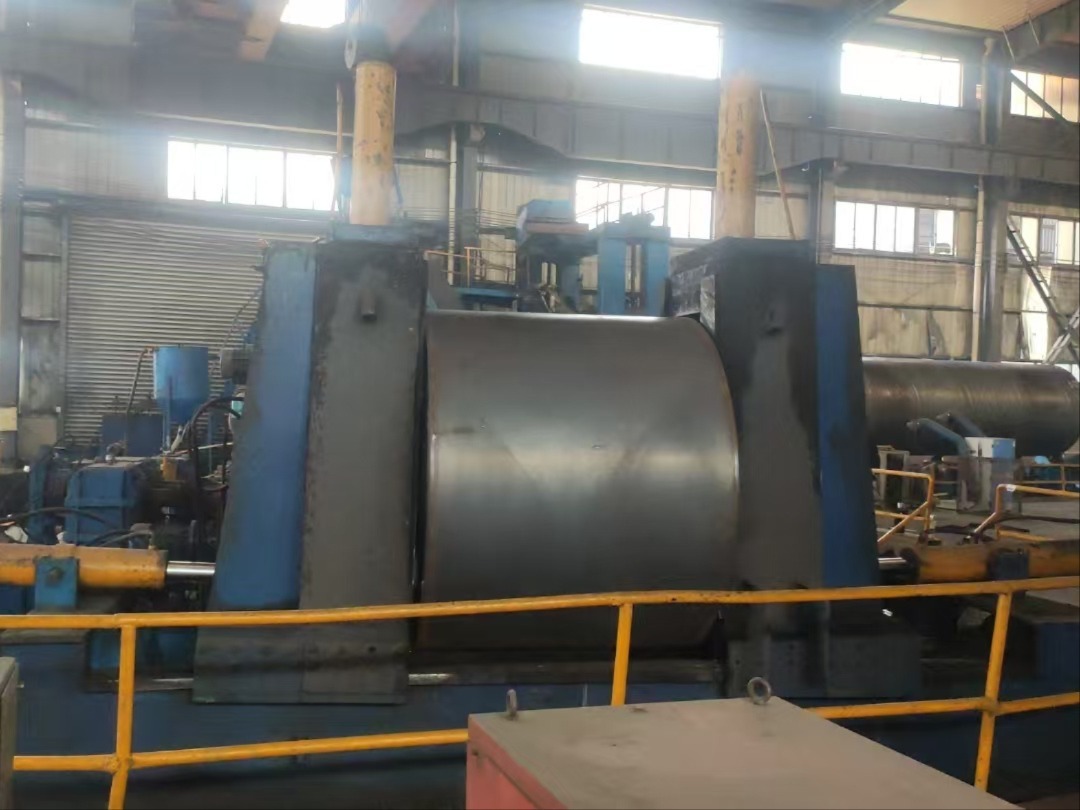
Essential Insights into Pipe Prepping Machines: A Comprehensive Guide
In the manufacturing and processing machinery sector, particularly in the realm of electric tools, the pipe prepping machine stands out as a crucial tool for ensuring high-quality pipe preparation. These machines are designed to prepare pipe edges for welding and other applications, making them a vital component in various industrial processes. Understanding the functionality and advantages of pip
2025-12-08
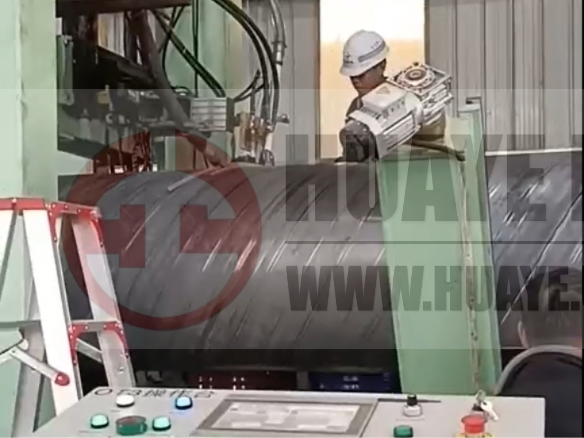
How to Ensure Your Pipe Welding Equipment Meets Industry Standards
How to Ensure Your Pipe Welding Equipment Meets Industry Standards
Table of Contents
Understanding Industry Standards for Pipe Welding Equipment
Importance of Compliance with Industry Standards
Key Components of Pipe Welding Equipment
Regulatory Bodies and Standards Governing Pipe Welding
Regular Maintenance and Inspection of Welding Equipment
Training and Certification fo
2025-12-03
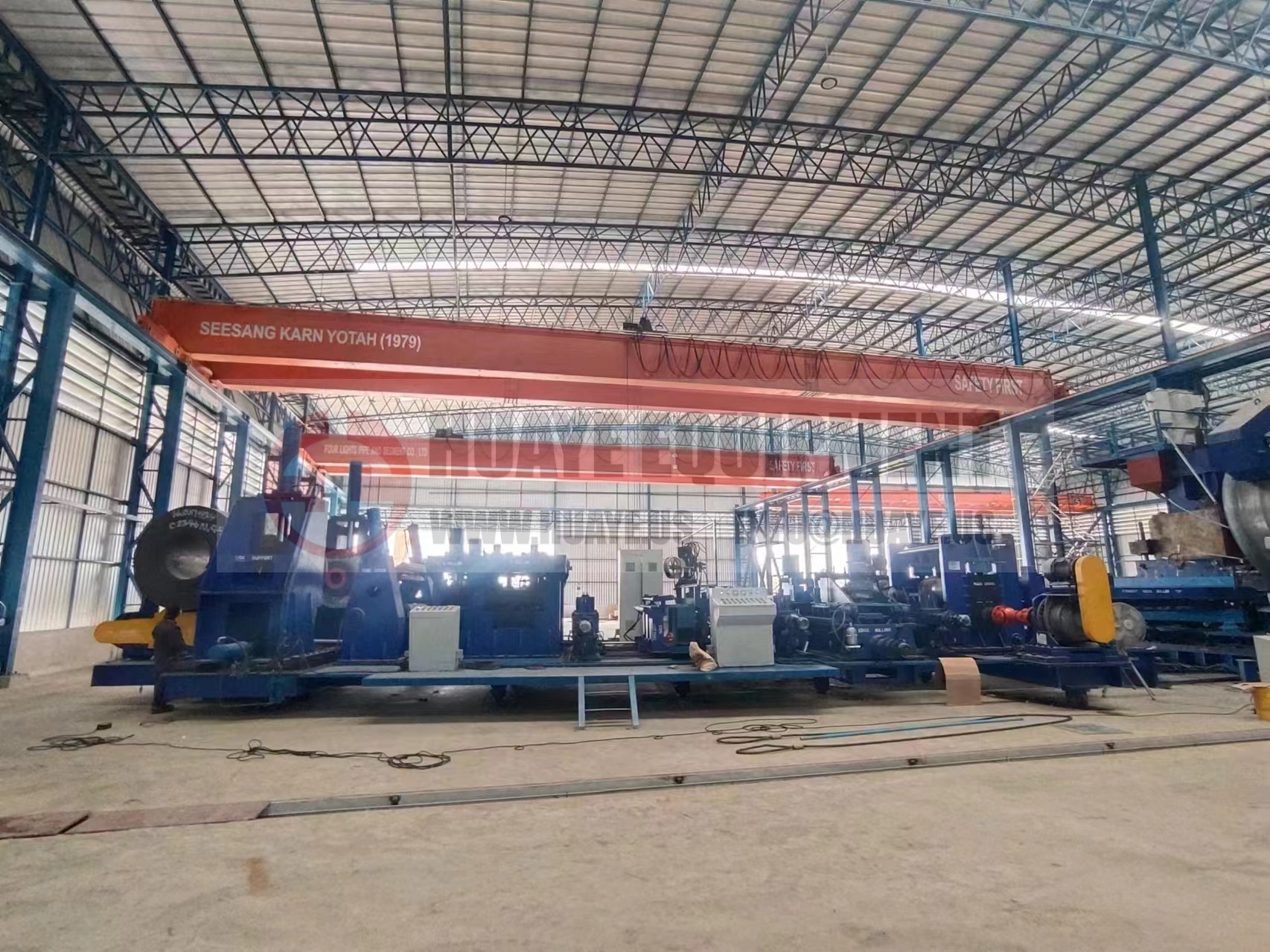
Essential Guide to Pipe Welding Equipment for Efficient Manufacturing
Pipe welding equipment plays a crucial role in various manufacturing processes, particularly in industries that involve metal fabrication and assembly. Whether you're working with steel, aluminum, or other metals, understanding the different types of equipment and their functionalities can enhance efficiency and quality.
One of the primary components of pipe welding equipment is the welding machin
2025-11-28


Service E-mail
Service TEL
Hotline:
Address
Taiyuan City, Shanxi Province
To inquire about our products, please leave your email to us and we will contact you within 24 hours.