





Enhancing Precision: Why You Need Beveling and Deburring Machines for Your Workshop
07 Dec,2024
Enhancing Precision: Why You Need Beveling and Deburring Machines for Your Workshop
Table of Contents
1. Introduction to Beveling and Deburring Machines
2. Understanding Beveling and Deburring
3. The Importance of Beveling and Deburring in Manufacturing
4. Types of Beveling and Deburring Machines
5. How Beveling and Deburring Machines Work
6. Benefits of Investing in Bevel
Enhancing Precision: Why You Need Beveling and Deburring Machines for Your Workshop
Table of Contents
- 1. Introduction to Beveling and Deburring Machines
- 2. Understanding Beveling and Deburring
- 3. The Importance of Beveling and Deburring in Manufacturing
- 4. Types of Beveling and Deburring Machines
- 5. How Beveling and Deburring Machines Work
- 6. Benefits of Investing in Beveling and Deburring Machines
- 7. Choosing the Right Machine for Your Workshop
- 8. Maintenance and Care for Optimal Performance
- 9. Conclusion
- 10. FAQs
1. Introduction to Beveling and Deburring Machines
In the realm of manufacturing, precision is paramount. Whether you are working with metals, plastics, or other materials, the edges of your products can significantly influence their quality and functionality. **Beveling and deburring machines** play a crucial role in achieving high standards of precision and edge finishing. These machines not only enhance the aesthetic appeal of your products but also eliminate potential hazards associated with sharp edges. This comprehensive guide delves into the significance of these machines and why your workshop needs them.
2. Understanding Beveling and Deburring
Before we explore the machines themselves, it is essential to understand what beveling and deburring entail.
What is Beveling?
**Beveling** refers to the process of creating a sloped edge on a workpiece. This is particularly important in applications where the joint between two materials needs to be precise and secure. Beveling improves the fit of components during assembly and enhances the surface area for welding.
What is Deburring?
On the other hand, **deburring** is the process of removing sharp edges, burrs, and irregularities that are often left behind after cutting, drilling, or machining. These imperfections can cause operational issues, compromise safety, and detract from the visual quality of the finished part.
3. The Importance of Beveling and Deburring in Manufacturing
The manufacturing landscape is increasingly competitive, necessitating the need for superior quality and efficiency. Implementing **beveling and deburring processes** enhances not only the quality of the finished product but also contributes to the overall efficiency of operations.
Quality Assurance
Beveling and deburring machines ensure that the edges of your products meet industry standards. This is especially critical in sectors such as aerospace, automotive, and electronics, where precision is non-negotiable.
Operational Efficiency
By automating the beveling and deburring processes, manufacturers can significantly reduce the time required for finishing tasks. This allows your workforce to focus on more critical aspects of production, maximizing productivity.
4. Types of Beveling and Deburring Machines
There are various types of beveling and deburring machines, each designed to cater to specific requirements and materials.
Manual vs. Automated Machines
**Manual machines** offer operators a hands-on approach to beveling and deburring, providing flexibility for custom jobs. However, they can be time-consuming. Conversely, **automated machines** streamline the process, ensuring consistency and efficiency, making them ideal for high-volume production.
Portable vs. Stationary Machines
**Portable machines** are perfect for on-site applications or locations where space is limited. In contrast, **stationary machines** are typically used in workshops, offering more power and advanced capabilities for large-scale operations.
5. How Beveling and Deburring Machines Work
Understanding how these machines operate can help you appreciate their value in your workshop.
The Mechanism of Action
Beveling and deburring machines utilize various mechanisms depending on their design. Most machines employ **abrasive pads, blades, or grinding wheels** that engage with the edge of the workpiece. The operation involves moving the workpiece against these tools to achieve the desired angle and finish.
Digital Controls and Automation
Modern machines often feature **digital controls** that allow for precise adjustments, ensuring that the bevel angle and depth are consistent across batches. Automation features can further enhance efficiency, reducing the potential for human error.
6. Benefits of Investing in Beveling and Deburring Machines
Investing in beveling and deburring machines yields numerous advantages that can significantly enhance your workshop operations.
Enhanced Precision
The primary benefit of these machines is the **increased precision** they offer. Consistent beveling and deburring ensure that all parts fit together seamlessly, leading to improved product quality.
Improved Safety
Sharp edges pose a significant risk in manufacturing environments. By effectively removing these hazards through deburring, the risk of injury is greatly reduced, fostering a safer workplace.
Cost-Effectiveness
While the initial investment in beveling and deburring machines may seem substantial, the long-term savings in labor and material costs can be significant. Efficient edge finishing reduces waste and rework, ultimately improving your bottom line.
7. Choosing the Right Machine for Your Workshop
Selecting the appropriate beveling and deburring machine requires careful consideration of several factors.
Material Type
Different materials may require specific machines. For instance, metal may necessitate robust grinding machines, while softer materials might only require light-duty tools.
Production Volume
Consider your production volume when choosing a machine. High-volume operations may benefit from automated machines, while smaller workshops might find manual machines more suitable.
Budget
Evaluate your budget and weigh it against the long-term benefits. Investing in high-quality machines may incur higher upfront costs but can lead to better efficiency and savings in the long run.
8. Maintenance and Care for Optimal Performance
To ensure your beveling and deburring machines operate efficiently, regular maintenance is essential.
Routine Checks
Conduct routine checks to inspect the condition of blades and abrasive pads. Replacing worn-out parts promptly can prevent delays in production and ensure consistent quality.
Cleaning and Lubrication
Regular cleaning and lubrication of moving parts are crucial for maintaining optimal performance. Ensure that you follow the manufacturer's guidelines for maintenance to prolong the lifespan of your machines.
9. Conclusion
In conclusion, beveling and deburring machines are indispensable tools for any workshop focused on precision and quality. By investing in these machines, you enhance your production capabilities, improve safety, and ensure that your products meet the highest standards. Whether you are a small workshop or a large manufacturing facility, the benefits of integrating beveling and deburring processes cannot be overstated.
10. FAQs
What materials can beveling and deburring machines work with?
Beveling and deburring machines can work with a variety of materials, including metals (steel, aluminum), plastics, and composites.
How do I determine the right bevel angle for my project?
The right bevel angle often depends on the specific assembly requirements and the type of joint being created. Consult with project specifications or industry standards to determine the appropriate angle.
Are manual machines less effective than automated machines?
While manual machines provide flexibility and are cost-effective for small projects, automated machines enhance efficiency and are better suited for high-volume production.
What maintenance do beveling and deburring machines require?
Routine maintenance includes checking blades, cleaning the machine, lubricating moving parts, and replacing worn components to ensure optimal performance.
Can beveling and deburring machines improve production time?
Yes, by automating the beveling and deburring processes, these machines can significantly reduce production time, allowing for quicker turnaround and increased output.
Investing in beveling and deburring machines is not just a step towards enhanced precision; it is a commitment to quality and efficiency that sets your workshop apart in a competitive industry.
Key words:
All
- All
- Product Management
- News
- Introduction
- Enterprise outlets
- FAQ
- Enterprise Video
- Enterprise Atlas
Related News
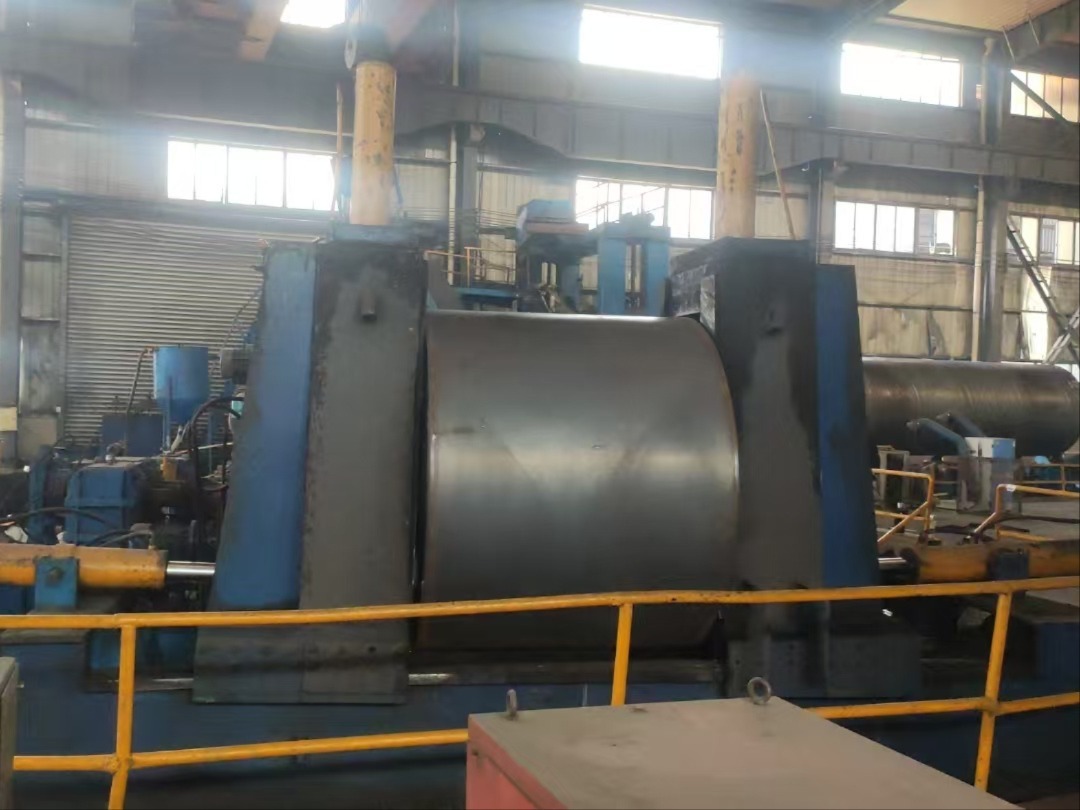
Essential Insights into Pipe Prepping Machines: A Comprehensive Guide
In the manufacturing and processing machinery sector, particularly in the realm of electric tools, the pipe prepping machine stands out as a crucial tool for ensuring high-quality pipe preparation. These machines are designed to prepare pipe edges for welding and other applications, making them a vital component in various industrial processes. Understanding the functionality and advantages of pip
2025-12-08
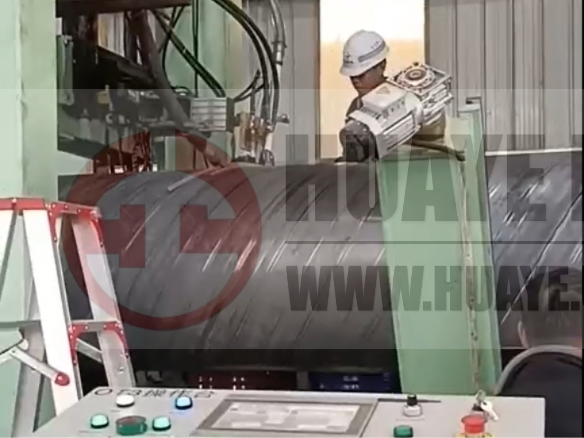
How to Ensure Your Pipe Welding Equipment Meets Industry Standards
How to Ensure Your Pipe Welding Equipment Meets Industry Standards
Table of Contents
Understanding Industry Standards for Pipe Welding Equipment
Importance of Compliance with Industry Standards
Key Components of Pipe Welding Equipment
Regulatory Bodies and Standards Governing Pipe Welding
Regular Maintenance and Inspection of Welding Equipment
Training and Certification fo
2025-12-03
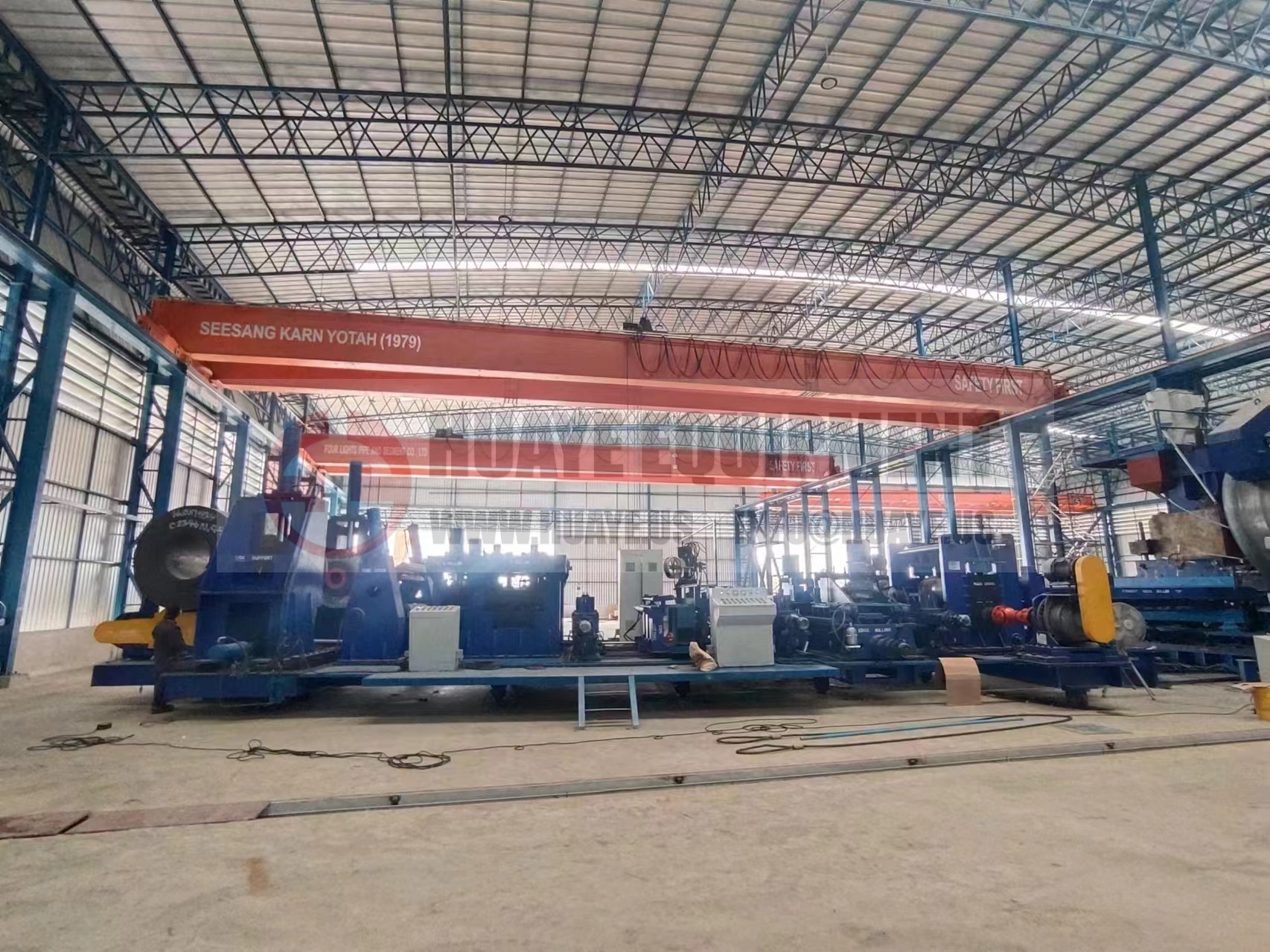
Essential Guide to Pipe Welding Equipment for Efficient Manufacturing
Pipe welding equipment plays a crucial role in various manufacturing processes, particularly in industries that involve metal fabrication and assembly. Whether you're working with steel, aluminum, or other metals, understanding the different types of equipment and their functionalities can enhance efficiency and quality.
One of the primary components of pipe welding equipment is the welding machin
2025-11-28


Service E-mail
Service TEL
Hotline:
Address
Taiyuan City, Shanxi Province
To inquire about our products, please leave your email to us and we will contact you within 24 hours.