




How to Reduce the Operating and Maintenance Costs of a 1020mm Spiral Pipe Machine?
03 Nov,2026
Huaye
Learn how to reduce 1020mm Spiral Pipe Machine costs through proper operation, maintenance, and production optimization.
In spiral steel pipe manufacturing, equipment operating and maintenance costs directly affect production efficiency and business profitability. For steel pipe manufacturers, a 1020mm Spiral Pipe Machine must not only meet the production requirements of different pipe specifications but also maintain stable processing accuracy and production efficiency over long-term operation. Delayed maintenance, improper operation, or excessive component wear can all increase operating expenses. Therefore, manufacturers need to take practical measures in equipment operation, routine maintenance, spare parts management, and production process optimization to reduce long-term equipment costs.

Standardize Equipment Operation to Reduce Unnecessary Wear
Standardized operating procedures are fundamental to reducing the operating costs of a 1020mm Spiral Pipe Machine. During actual production, operators who are unfamiliar with equipment performance or adjust processing parameters without proper guidance may increase machine loads, reduce pipe forming quality, and cause premature wear of certain components.
Before putting the equipment into operation, manufacturers should provide operators with appropriate training to help them understand the machine structure, operating procedures, and safety requirements. During production, forming and welding parameters should be adjusted according to steel strip width, thickness, and pipe specifications to prevent the equipment from operating under unsuitable conditions for extended periods.
In addition, all major working components should be inspected before starting the machine. If abnormal vibration, unusual noise, or unstable operation is detected, the equipment should be stopped for inspection. Addressing minor problems promptly can prevent them from developing into more serious equipment failures.
Perform Routine Maintenance to Extend the Service Life of Key Components
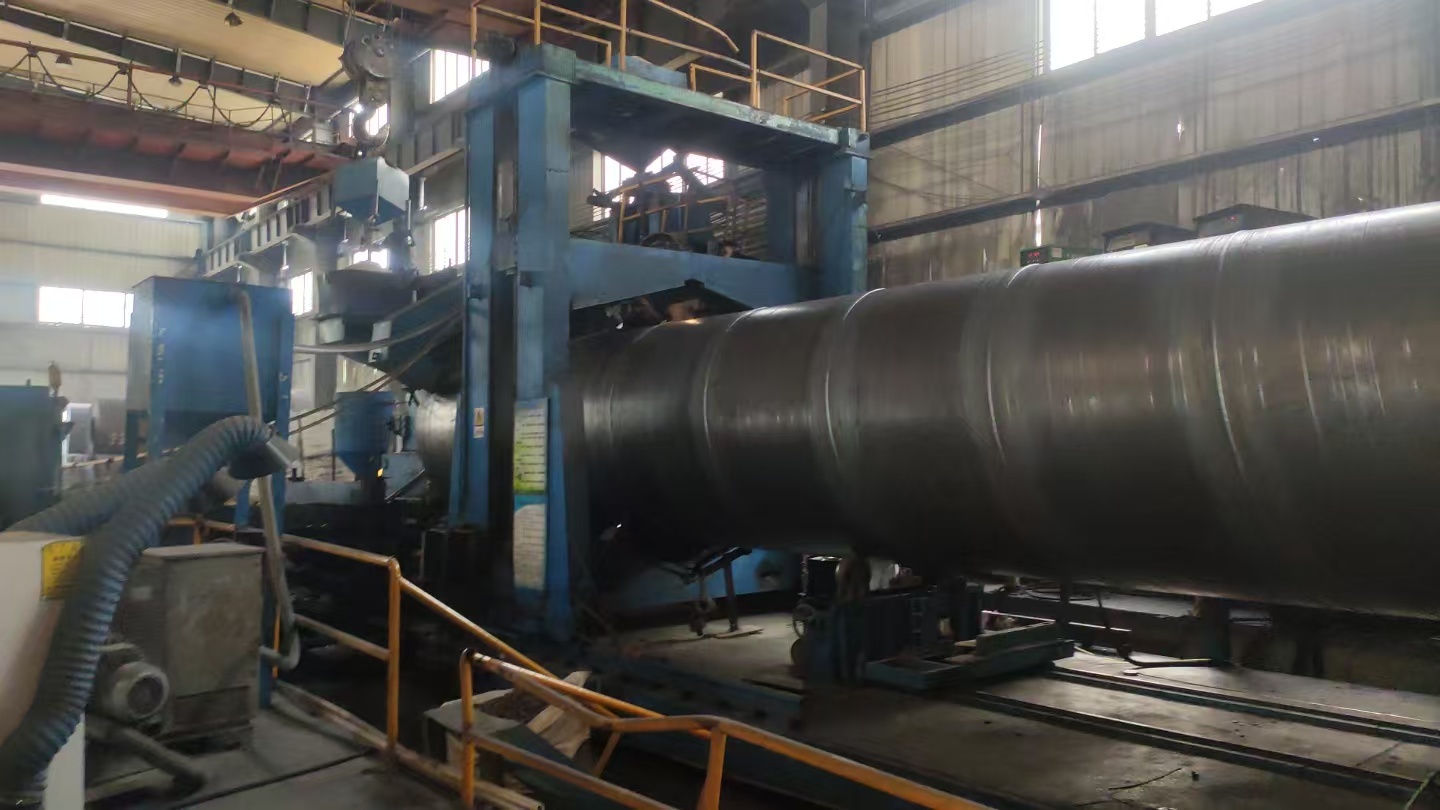
Routine maintenance helps reduce the likelihood of equipment failures and is an important way to control long-term maintenance costs. A 1020mm Spiral Pipe Machine generally consists of several systems, including the forming system, transmission system, welding system, and electrical control system. Different components require different maintenance procedures.
Manufacturers can establish a regular inspection schedule focusing on the following areas:
- Forming Rollers and Processing Components: Regularly inspect surface wear and remove accumulated metal debris to prevent any impact on pipe forming accuracy.
- Transmission System: Check the operating condition of gears, bearings, and transmission components, and perform lubrication according to equipment requirements.
- Welding System: Inspect welding equipment, connection points, and related consumables to ensure stable welding performance.
- Electrical System: Check wiring, sensors, and control components, and promptly address loose connections or abnormal signals.
By establishing appropriate maintenance intervals, manufacturers can identify potential problems early and reduce production losses caused by unexpected downtime.
Manage Wear Parts and Spare Components Properly
Component replacement is an important part of equipment maintenance costs. Without a proper spare parts management plan, manufacturers may find themselves unable to replace damaged components promptly, which can interrupt production schedules and increase emergency purchasing expenses.
For a 1020mm Spiral Pipe Machine, manufacturers should establish a list of commonly used spare parts based on the machine structure and actual operating conditions. For frequently used or easily worn components, such as bearings, seals, transmission parts, and welding consumables, appropriate inventory levels can be determined according to historical usage records.
When purchasing spare parts, manufacturers should consider more than just the purchase price. Component quality, specification compatibility, and service life are also important factors. Choosing parts that meet the equipment's technical requirements can help reduce repeated replacements and repair frequency.
In addition, manufacturers should maintain detailed equipment repair records and track the replacement intervals of different components. This information can provide a useful reference for future purchasing and maintenance plans.
Optimize Production Processes to Improve Equipment Utilization
Equipment operating costs are not only related to maintenance but are also influenced by production organization. Poor production planning, frequent changes in steel strip specifications, repeated parameter adjustments, and unnecessary shutdowns can all reduce equipment utilization.
Manufacturers can arrange production tasks according to order requirements and prioritize the production of steel pipes with identical or similar specifications. This approach helps reduce the time required for frequent equipment adjustments and improves overall production efficiency.
During production, attention should also be paid to the quality and consistency of raw materials. Steel strips with unsuitable widths, thicknesses, or surface conditions may increase equipment adjustment difficulties, affect forming quality, and even cause additional material waste.
For a 1020mm Spiral Pipe Machine used over an extended period, manufacturers can also regularly analyze equipment operating data, including production hours, downtime, processing quantities, and equipment failure records. By identifying the main factors affecting production efficiency and continuously improving production arrangements, companies can reduce equipment operating costs per unit of steel pipe.
Frequently Asked Questions (FAQ)
Q1: How often should a 1020mm Spiral Pipe Machine be maintained?
The maintenance frequency depends on equipment usage, production load, and working environment. Generally, manufacturers should follow the maintenance manual provided by the equipment supplier for routine inspections, regular lubrication, and key component servicing. For production lines operating continuously, inspection frequency may need to be increased accordingly.
Q2: What factors are likely to increase equipment maintenance costs?
Improper operation, insufficient lubrication, long-term overloading of components, inconsistent raw material quality, and a lack of regular inspections can all increase equipment failure rates and maintenance expenses.
Q3: How can manufacturers determine whether wear parts need replacement?
If forming rollers show obvious signs of wear, transmission components produce unusual noise, welding consumables experience reduced performance, or equipment processing accuracy changes, an inspection should be carried out promptly. Replacement decisions should be based on actual wear conditions.
Q4: How can manufacturers reduce future maintenance costs when purchasing equipment?
Before purchasing, manufacturers should evaluate the equipment structure, quality of key components, maintenance convenience, and after-sales service capabilities. Choosing an experienced equipment manufacturer that offers reliable spare parts supply and professional technical support can help reduce future maintenance difficulties.
Key words:
All
- All
- Product Management
- News
- Introduction
- Enterprise outlets
- FAQ
- Enterprise Video
- Enterprise Atlas
Related News
What Are the Key Criteria for Choosing a 1420mm Spiral Pipe Mill Manufacturer?
Learn how to choose a 1420mm Spiral Pipe Mill manufacturer by evaluating equipment quality, technical expertise, production capacity, and after-sales support.
2026-11-11
Discover how an Industrial Steel Pipe Mill improves dimensional accuracy, welding quality, automation, and production efficiency through precise process control.
2026-11-11
Automation Development Trends and Application Value of Heavy Duty Steel Pipe Manufacturing Equipment
Explore the automation trends and applications of heavy duty steel pipe manufacturing equipment, from welding and pipe-end processing to intelligent production control.
2026-11-10


Service E-mail
Hotline:
Address
Taiyuan City, Shanxi Province
To inquire about our products, please leave your email to us and we will contact you within 24 hours.