




Daily Maintenance and Care Guide for Heavy Duty Welded Pipe Mill
04 Nov,2026
Huaye
Learn how to maintain Heavy Duty Welded Pipe Mill equipment, reduce wear, and extend service life.
In large-scale steel pipe production, Heavy Duty Welded Pipe Mill equipment often operates continuously for extended periods and performs multiple processing tasks, including steel strip forming, welding, sizing, and pipe transportation. Due to its complex structure and demanding workload, routine maintenance affects not only pipe processing accuracy but also production efficiency, equipment service life, and overall operating costs. Therefore, establishing a standardized maintenance system is essential for ensuring the stable operation of heavy-duty welded pipe production lines.
Regularly Inspect Core Equipment Components to Reduce Operational Failures
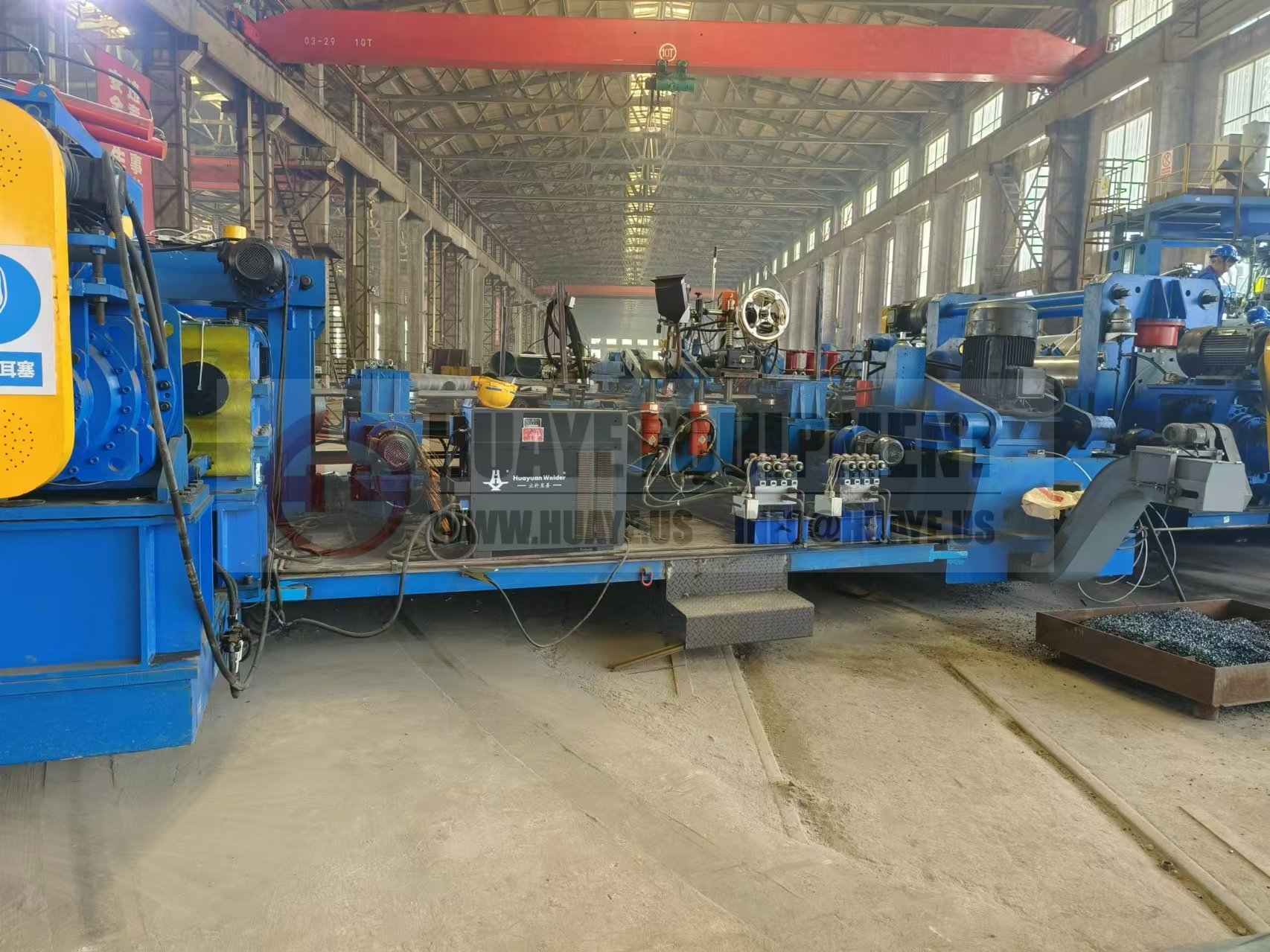
Heavy Duty Welded Pipe Mill consists of multiple mechanical and electrical systems, with different components performing specific functions during production. For equipment operating under high loads over extended periods, particular attention should be paid to the forming units, welding systems, transmission mechanisms, and sizing units.
During daily inspections, operators should check whether the forming rollers show signs of excessive wear, deformation, or surface damage. Transmission shafts, gears, and connecting parts should also be examined to ensure that all components are securely fastened. In addition, the operating condition of the welding equipment should be monitored to confirm that electrical connections are normal and operating parameters remain stable.
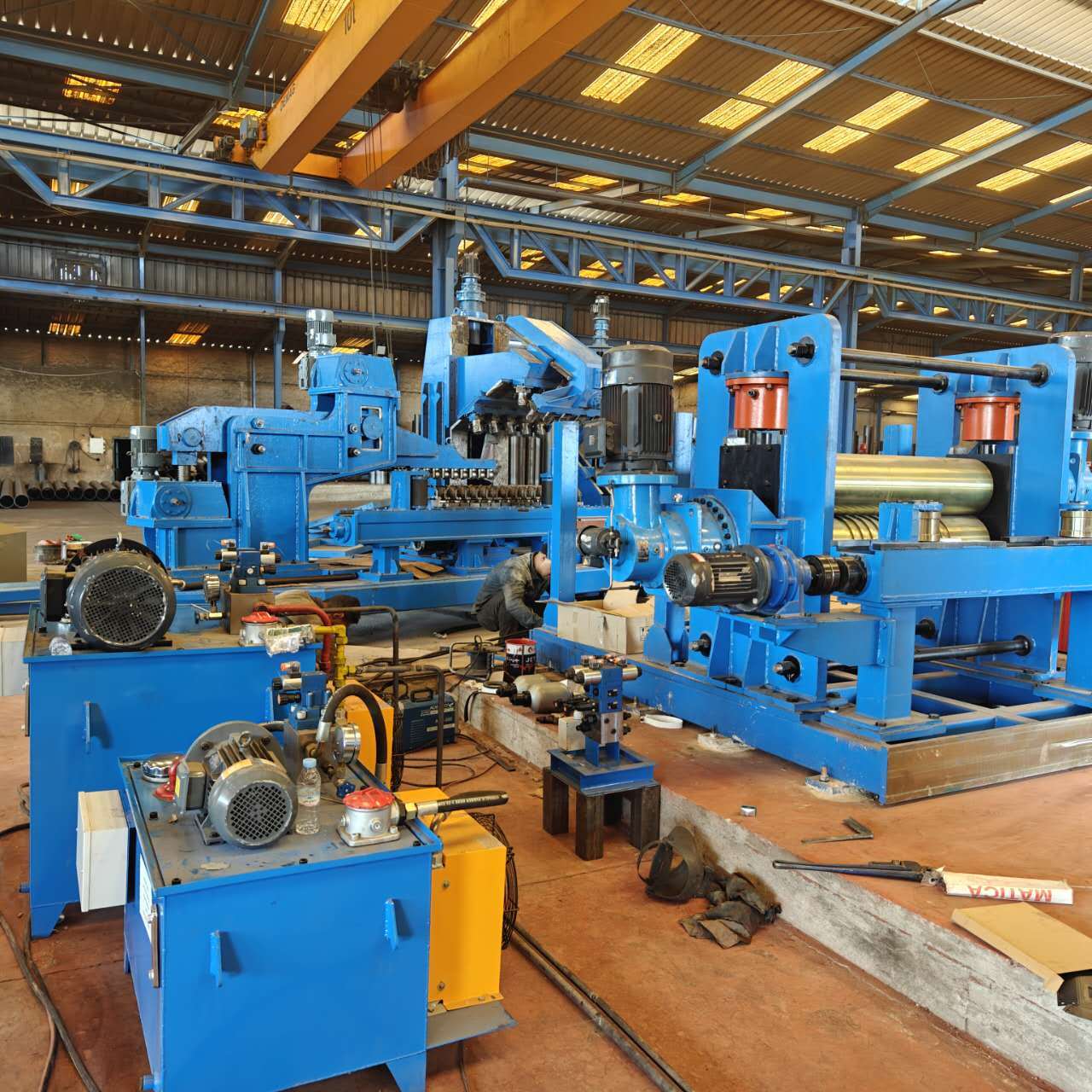
For sizing units, roller gaps and positioning accuracy should be checked regularly. This helps prevent component misalignment from affecting pipe roundness, diameter, and dimensional consistency. Identifying potential problems early can reduce unexpected downtime and make maintenance easier.

Maintain Proper Lubrication and Cleaning to Reduce Mechanical Wear
Lubrication management is an important part of Heavy Duty Welded Pipe Mill maintenance. During continuous operation, bearings, gears, transmission mechanisms, and other moving components generate friction. Insufficient lubrication may lead to increased temperatures, unusual noises, and excessive component wear.
Manufacturers should select suitable lubricating oil or grease according to the equipment structure, operating load, and maintenance recommendations provided by the equipment manufacturer. Lubricants should be replenished or replaced at the recommended intervals. Special attention should be given to the lubrication condition of bearings and transmission components operating under heavy loads.
In addition, metal debris, welding residues, and oil stains generated during production may accumulate on equipment surfaces and processing areas. Regular cleaning helps maintain a tidy working environment and prevents foreign materials from entering mechanical structures and damaging precision components.
Strengthen Electrical and Control System Inspections
Modern Heavy Duty Welded Pipe Mill equipment is generally equipped with motors, electrical control cabinets, sensors, and automated control systems. These components work together to ensure that the production line operates according to preset parameters.
Maintenance personnel should regularly inspect electrical wiring, terminal connections, and control components for looseness, aging, or abnormal overheating. The operating parameters, alarm records, and equipment status information in the control system should also be checked to ensure that any abnormal conditions are addressed promptly.
For production lines equipped with automatic control functions, sensor accuracy should be inspected regularly. This helps ensure that steel strip feeding, forming, and welding processes operate in coordination according to the established production procedures.
Electrical system inspections and repairs should be carried out by qualified professionals, with strict compliance with power isolation and safety procedures.
Develop a Maintenance Plan Based on Production Loads
Different manufacturers have different production capacities, pipe specifications, and equipment operating frequencies. Therefore, Heavy Duty Welded Pipe Mill equipment should not follow exactly the same maintenance schedule in every production environment.
Companies can organize maintenance activities into three levels according to actual operating conditions: daily inspections, regular servicing, and annual overhauls.
- Daily Inspections: Check equipment operating sounds, temperatures, lubrication conditions, and the fastening status of various components.
- Regular Servicing: Inspect roller wear, transmission systems, and electrical components, and replace consumable parts when they reach their recommended service intervals.
- Annual Overhauls: Conduct comprehensive inspections of the overall equipment structure, major transmission components, and control systems. Accuracy calibration should also be performed when necessary.
At the same time, companies are advised to establish equipment maintenance records. These records should include inspection dates, fault types, repair details, and replacement parts, providing useful references for future maintenance activities.
Choose a Reliable Equipment Manufacturer to Ensure Long-Term Operational Support
In addition to internal maintenance management, the technical capabilities and after-sales service of the equipment manufacturer also influence the long-term performance of Heavy Duty Welded Pipe Mill equipment.
Professional manufacturers can provide suitable equipment configurations and technical solutions based on customers' pipe diameters, wall thicknesses, production speeds, and processing requirements. After equipment delivery, installation guidance, operator training, technical support, and spare parts supply are also important.
For purchasing companies, choosing a manufacturer with independent design and production capabilities can help improve equipment compatibility with actual production requirements while providing better support for future maintenance and technical upgrades.
Frequently Asked Questions (Q&A)
Q1: How often should Heavy Duty Welded Pipe Mill equipment be maintained?
Daily inspections are recommended on every working day. Lubrication, component inspections, and consumable part maintenance should follow the equipment manufacturer's recommendations and actual operating hours. Equipment running under heavy loads may require more frequent inspections.
Q2: What should be done if a heavy-duty welded pipe mill experiences abnormal vibration?
The equipment foundation, anchor bolts, transmission mechanisms, and roller installation conditions should be inspected promptly. Operators should check for component wear or misalignment. If necessary, stop the equipment and arrange for professional maintenance personnel to carry out repairs.
Q3: How can the service life of Heavy Duty Welded Pipe Mill equipment be extended?
Standardized operation, regular lubrication, timely replacement of worn components, proper control of operating loads, and complete maintenance records are all effective measures for extending equipment service life.
Key words:
All
- All
- Product Management
- News
- Introduction
- Enterprise outlets
- FAQ
- Enterprise Video
- Enterprise Atlas
Related News
What Are the Key Criteria for Choosing a 1420mm Spiral Pipe Mill Manufacturer?
Learn how to choose a 1420mm Spiral Pipe Mill manufacturer by evaluating equipment quality, technical expertise, production capacity, and after-sales support.
2026-11-11
Discover how an Industrial Steel Pipe Mill improves dimensional accuracy, welding quality, automation, and production efficiency through precise process control.
2026-11-11
Automation Development Trends and Application Value of Heavy Duty Steel Pipe Manufacturing Equipment
Explore the automation trends and applications of heavy duty steel pipe manufacturing equipment, from welding and pipe-end processing to intelligent production control.
2026-11-10


Service E-mail
Hotline:
Address
Taiyuan City, Shanxi Province
To inquire about our products, please leave your email to us and we will contact you within 24 hours.