





From Setup to Success: How to Operate a Welded Pipe Machine
01 Aug,2026
From Setup to Success: How to Operate a Welded Pipe Machine
Table of Contents
1. Introduction to Welded Pipe Machines
2. Understanding Welding Techniques for Pipe Machines
3. Essential Tools and Equipment for Pipe Welding
4. Setting Up Your Welded Pipe Machine
5. Operating the Welded Pipe Machine
6. Safety Precautions for Welding Operations
7. Troubleshooting Common Is
From Setup to Success: How to Operate a Welded Pipe Machine
Table of Contents
- 1. Introduction to Welded Pipe Machines
- 2. Understanding Welding Techniques for Pipe Machines
- 3. Essential Tools and Equipment for Pipe Welding
- 4. Setting Up Your Welded Pipe Machine
- 5. Operating the Welded Pipe Machine
- 6. Safety Precautions for Welding Operations
- 7. Troubleshooting Common Issues in Pipe Welding
- 8. Maintaining Your Welded Pipe Machine for Longevity
- 9. Conclusion
- 10. FAQs
1. Introduction to Welded Pipe Machines
Welded pipe machines are essential tools in the fabrication and construction industries, playing a pivotal role in creating strong, durable, and precise pipe joints. Understanding how to operate these machines effectively is crucial for any professional in the field. This guide will take you from the very basics of setup to achieving operational success.
2. Understanding Welding Techniques for Pipe Machines
Before diving into operation, it's vital to understand the various welding techniques used in pipe welding. Techniques such as MIG, TIG, and Stick welding all have unique applications and benefits:
MIG Welding (Metal Inert Gas)
MIG welding is known for its speed and ease of use, making it ideal for beginners. It utilizes a continuous wire feed as an electrode and an inert gas to protect the weld pool from contamination.
TIG Welding (Tungsten Inert Gas)
TIG welding offers greater control and precision, making it suitable for thinner materials. This method uses a non-consumable tungsten electrode and is often used for high-quality welds.
Stick Welding
Stick welding is a more traditional method that is versatile and portable. It’s particularly effective for outdoor work and can handle rusty or dirty metals better than other techniques.
3. Essential Tools and Equipment for Pipe Welding
To successfully operate a welded pipe machine, you must gather the right tools and equipment. Below are the essentials:
Welding Machine
The heart of the operation, choose a machine that suits your welding technique—whether MIG, TIG, or Stick.
Protective Gear
Safety gear is non-negotiable. Invest in high-quality gloves, helmets, and protective clothing to safeguard against sparks and heat.
Pipe Clamps
These are crucial for holding the pipes in place securely during the welding process, ensuring precision and stability.
Welding Rods and Filler Materials
Select rods and filler materials appropriate for the type of pipe and welding method you are using.
4. Setting Up Your Welded Pipe Machine
Proper setup is critical for effective operation. Follow these steps:
Location Selection
Choose a clean, open workspace with adequate ventilation. Ensure that your workspace is free of flammable materials.
Adjust Machine Settings
Adjust the voltage and amperage settings on your machine based on the thickness of the pipe and the welding technique used.
Test Your Equipment
Before beginning your project, perform a test weld on scrap material to ensure the machine is functioning correctly.
5. Operating the Welded Pipe Machine
With the setup complete, it's time to operate the welded pipe machine.
Starting the Welding Process
Align the pipes and secure them using clamps. Begin the welding process by initiating the machine and feeding the wire or electrode as needed.
Maintaining Consistent Speed
Maintain a steady hand and consistent speed while welding. This consistency is crucial for achieving smooth, uniform welds.
Cooling and Inspection
After welding, allow the joint to cool down before inspecting the weld. Look for any defects such as cracks or incomplete fusion.
6. Safety Precautions for Welding Operations
Safety should always be your top priority when operating a welded pipe machine. Here are key precautions to keep in mind:
Wear Protective Gear
Always wear a welding helmet, gloves, and protective clothing to shield yourself from harmful UV rays and sparks.
Ensure Adequate Ventilation
Welding produces fumes that can be harmful if inhaled. Ensure your workspace has good ventilation or use an appropriate fume extraction system.
Stay Alert
Remain focused during the welding process to avoid accidents. Never work when fatigued or under the influence of substances.
7. Troubleshooting Common Issues in Pipe Welding
Even experienced welders can encounter problems. Here are common issues and their solutions:
Porosity in Welds
Porosity can occur due to contamination or improper gas flow. Ensure that the surfaces are clean and check your gas flow rate.
Overheating
Overheating can lead to warping and distortion. Adjust your speed and heat settings to prevent excessive heat buildup.
Inconsistent Weld Beads
This may result from an unstable hand position. Practice maintaining a steady angle and distance from the workpiece.
8. Maintaining Your Welded Pipe Machine for Longevity
Regular maintenance is essential to keep your welded pipe machine in top condition.
Regular Cleaning
Clean the machine after each use to remove dust and debris, which can affect performance.
Inspecting Cables and Connections
Periodically check all cables and connections for wear and fraying. Replace any damaged parts immediately.
Routine Lubrication
Lubricate moving parts as recommended by the manufacturer to ensure smooth operation.
9. Conclusion
Successfully operating a welded pipe machine requires a blend of knowledge, skill, and safety awareness. By understanding the techniques, setting up your machine correctly, and maintaining your equipment, you can achieve high-quality welds consistently. With practice and adherence to safety protocols, you can master the art of pipe welding and contribute effectively to your projects.
10. FAQs
1. What is the best welding technique for beginners?
MIG welding is often recommended for beginners due to its simplicity and speed.
2. How do I choose the right welding machine?
Consider the type of welding you will do, the material thickness, and your budget when selecting a welding machine.
3. What safety gear do I need for welding?
Essential safety gear includes a welding helmet, gloves, protective clothing, and proper footwear.
4. How can I prevent overheating during welding?
Adjust your welding speed and heat settings, and take breaks to allow the material to cool.
5. What should I do if I encounter porosity in my welds?
Ensure that the surfaces are clean and check your gas flow rate. Adjust settings as needed to minimize contamination.
With this comprehensive guide, you now have the knowledge to successfully operate a welded pipe machine, ensuring quality results and maintaining safety throughout the process.
Key words:
All
- All
- Product Management
- News
- Introduction
- Enterprise outlets
- FAQ
- Enterprise Video
- Enterprise Atlas
Related News
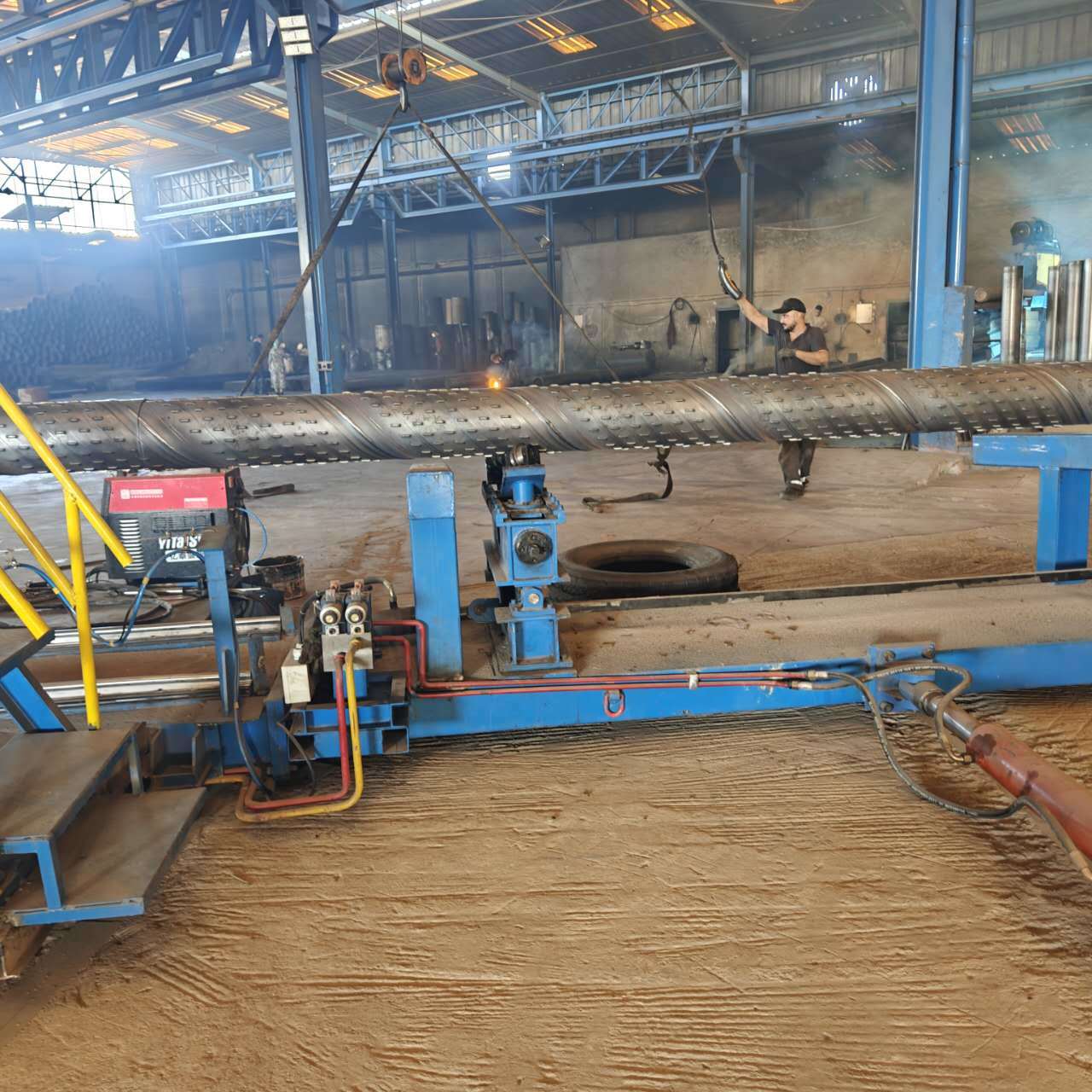
Automation Development Trends and Application Value of Heavy Duty Steel Pipe Manufacturing Equipment
Explore the automation trends and applications of heavy duty steel pipe manufacturing equipment, from welding and pipe-end processing to intelligent production control.
2026-11-10

What Preparations Should Be Made Before Purchasing an Industrial Steel Pipe Machine?
Learn what to consider before purchasing an Industrial Steel Pipe Machine, from equipment performance to manufacturer selection and costs.
2026-11-06
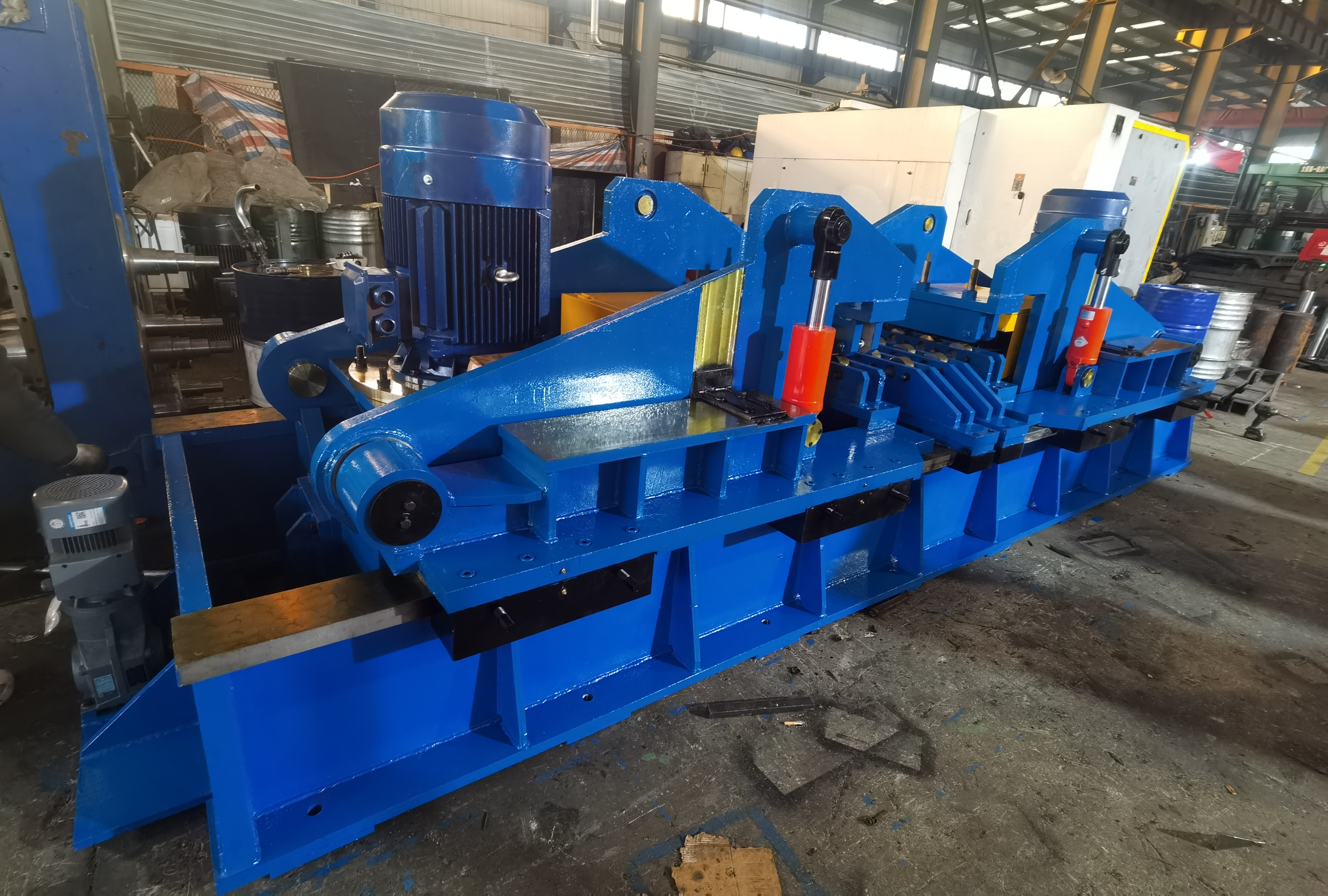
What Are the Key Factors Affecting the Service Life of a Heavy Duty Pipe Production Line?
Explore key factors affecting Heavy Duty Pipe Production Line service life, from equipment quality to daily maintenance.
2026-11-06


Service E-mail
Hotline:
Address
Taiyuan City, Shanxi Province
To inquire about our products, please leave your email to us and we will contact you within 24 hours.